
Used 2013 International Trucks For Sale
Used 2013 International trucks, ProStar, DuraStar, WorkStar. Compare engines, tare weight, floor strength, thermal integrity, and corrosion resistance.
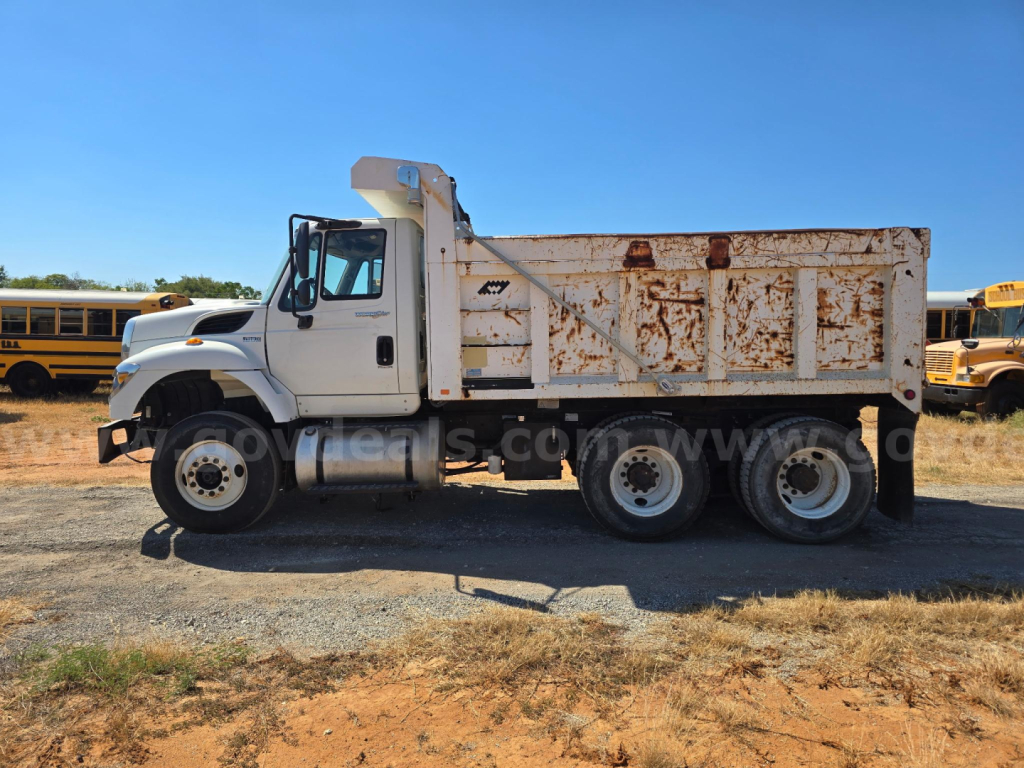
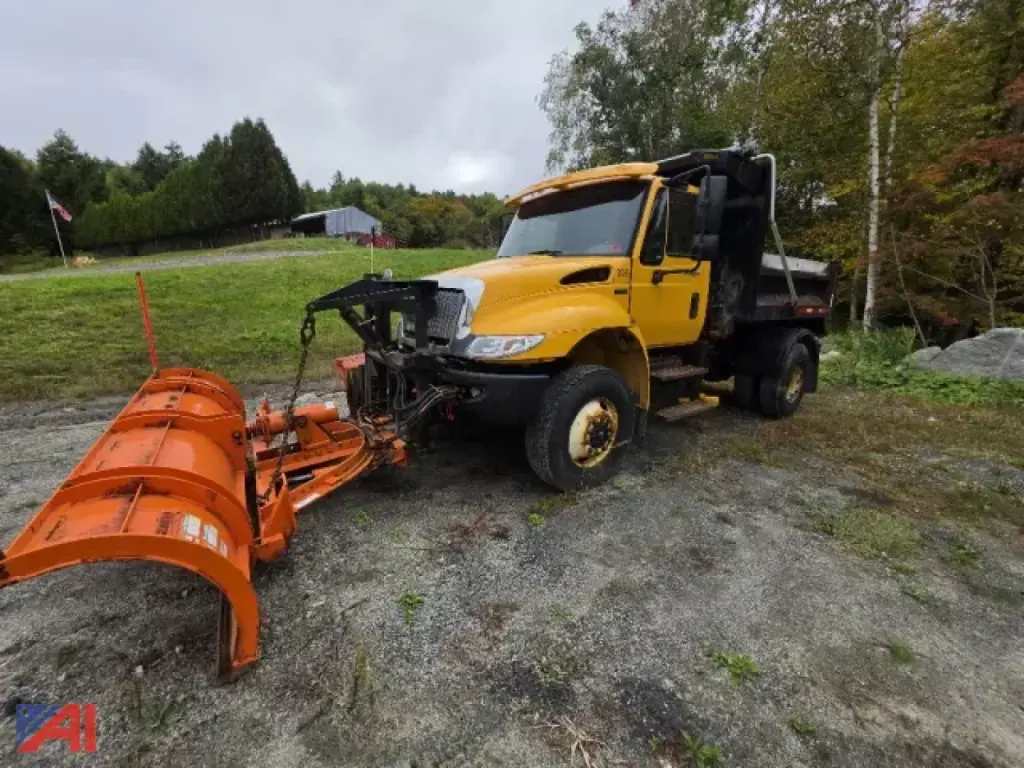
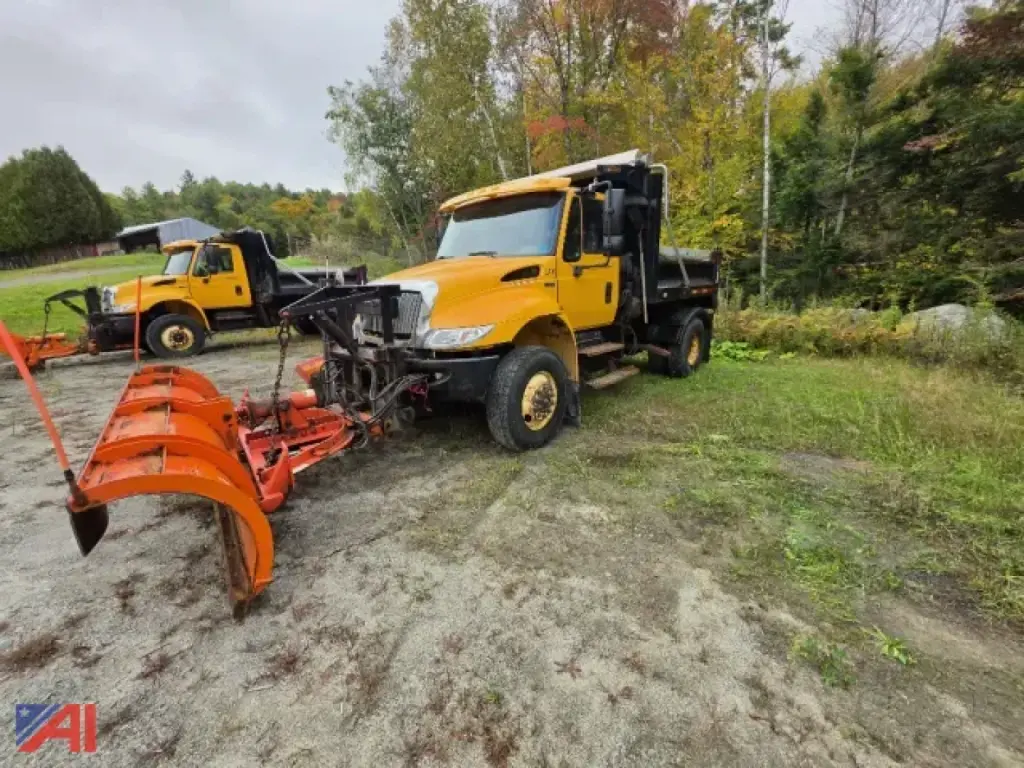
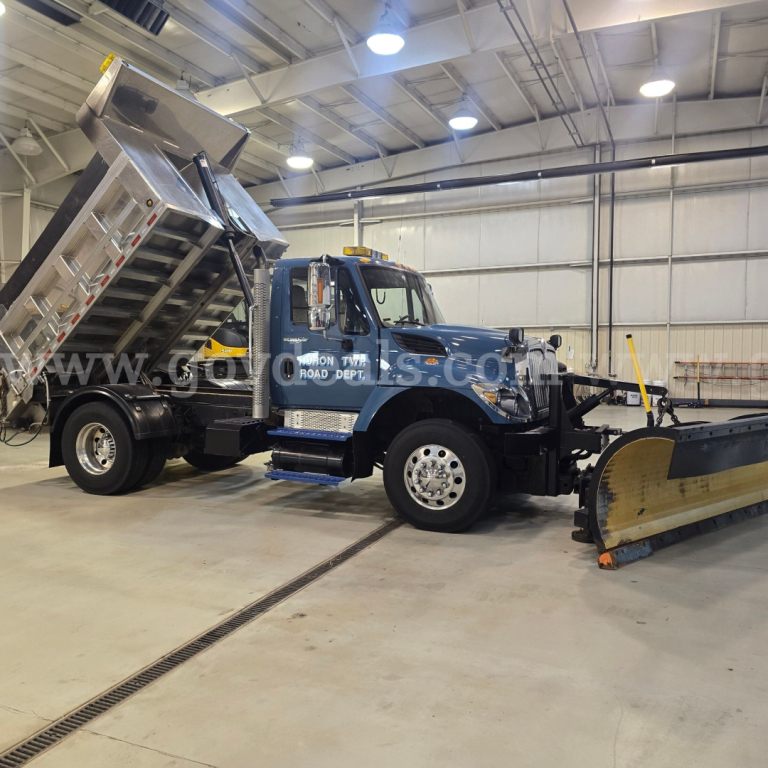
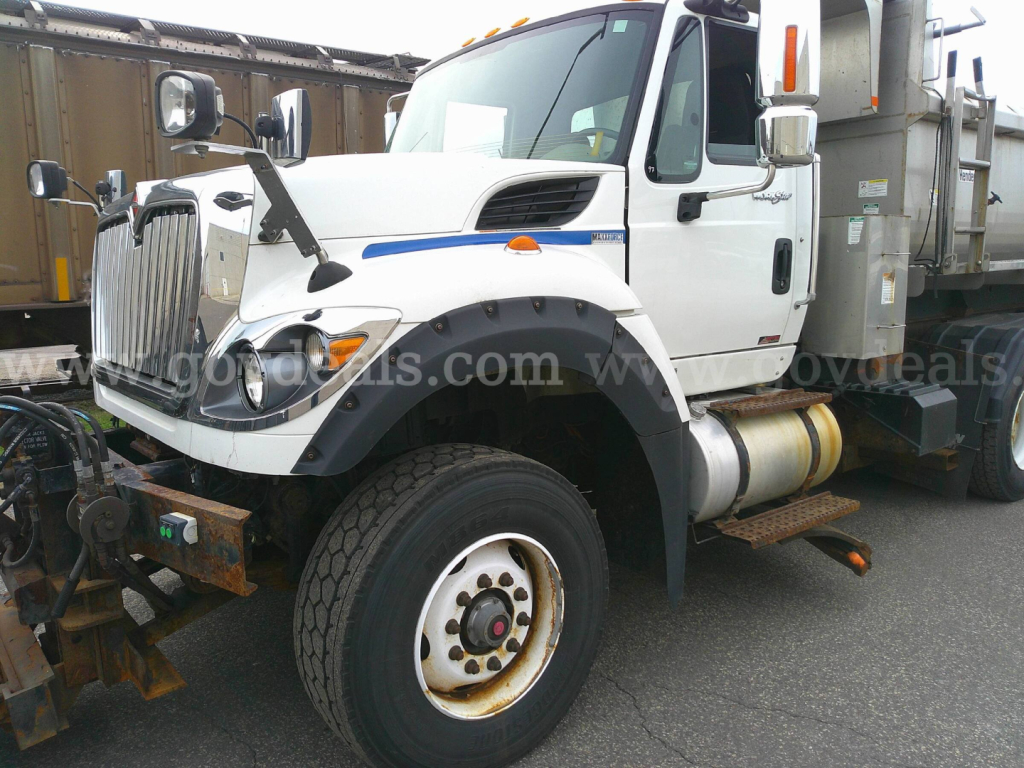
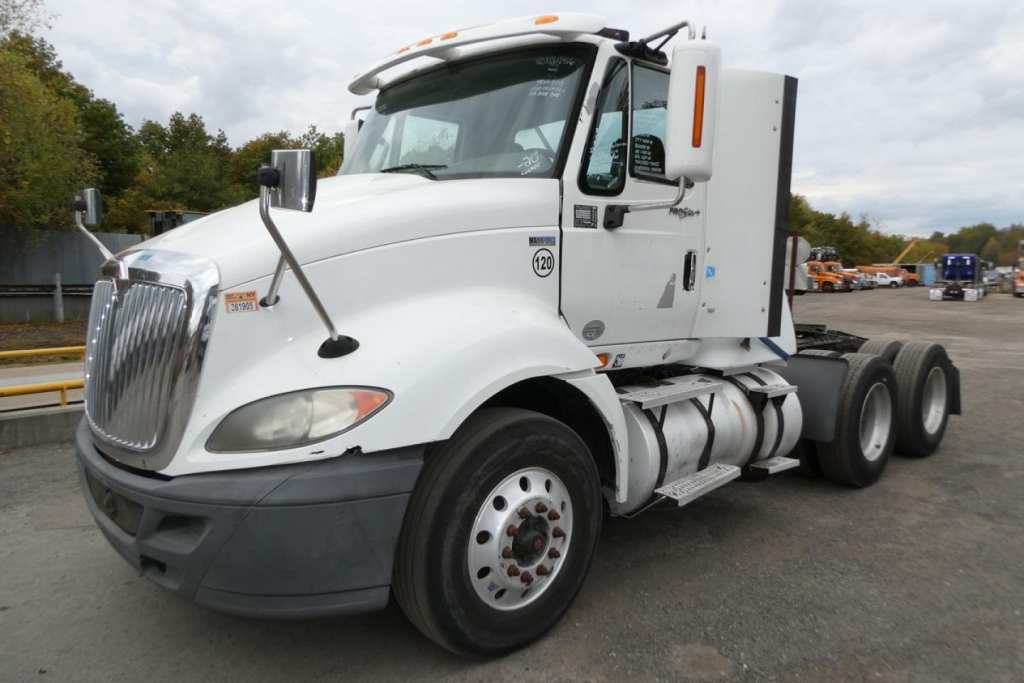
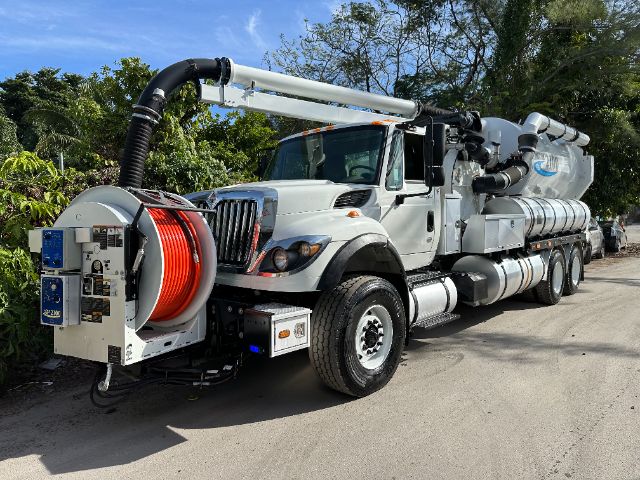
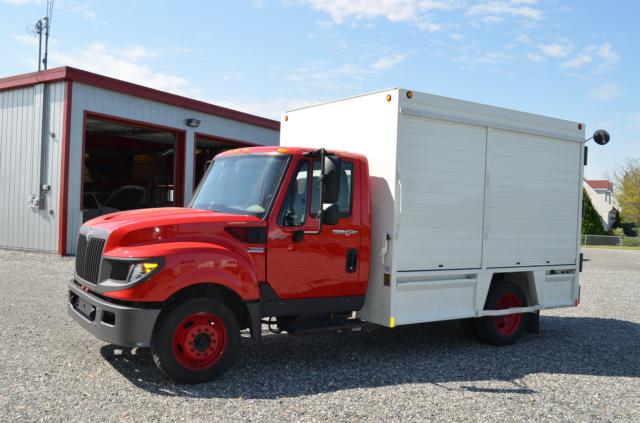

Selling a used 2013 international truck? List your used 2013 international truck for sale and reach thousands of commercial buyers.
Used 2013 International Trucks
Engines are the key differentiator on 2013 International units. Many tractors and vocational chassis were built with MaxxForce 11, 13, or DT family engines that used aggressive EGR and a DPF, some late 2013 highway trucks added Cummins ISX15 with SCR. MaxxForce powered units can be strong value if there is proof of software updates, EGR cooler and turbo work, and consistent ash cleaning, verify smooth forced regen, low soot load, and stable coolant pressure. Cummins powered trucks typically command a premium, look for DOC and DPF service records, DEF system leak checks, and recent NOx sensor replacements. On DuraStar medium duty, the MaxxForce DT or 9 and 10 paired with Allison 3000 series automatics is common, service history on EGR components and DPF maintenance is critical for uptime.
Straight trucks often carry Morgan or Supreme dry van bodies or insulated reefer boxes from Kidron or Great Dane. For dry vans, inspect floor strength by checking hardwood or aluminum plank condition, forklift rating, crossmember spacing at 12 inch centers or tighter, and the integrity of rear threshold plates and scuff liners. Logistics posts or e track protect walls and help secure freight, full height scuff is preferred if forklifts touch walls. For reefers, thermal integrity hinges on foam in place insulation, door seals, drain tubes, and aluminum or stainless rear frames that resist corrosion, verify even box temperatures, minimal infiltration at corners, and tight hinge hardware. Reefer units from Thermo King or Carrier should show reasonable hours for age, clean evaporators and condensers, and recent service documentation.
Chassis corrosion resistance matters on 2013 frames, especially from salt regions. Look for intact frame paint or e coat, minimal scaling at spring hangers and crossmembers, clean battery boxes, and solid DEF tank brackets. Stainless or aluminum body hardware and isolators between the steel frame and aluminum van body reduce galvanic corrosion, rear frame extensions and liftgate mounts deserve close inspection. Air ride suspensions like Hendrickson or International air ride improve ride quality and protect freight, spring ride is lighter and cheaper but transmits more shock. Check brakes for drum wear, lines for chafe, hubs for leaks, and fifth wheel slider condition on tractors. Diamond Logic multiplex wiring is efficient when dry and well grounded, inspect connectors for moisture and make sure all lighting and PTO logic operate as intended. A balanced spec that controls tare weight, preserves thermal integrity on box trucks, and resists corrosion will deliver better payload, lower fuel consumption, and higher resale among used 2013 International trucks for sale.
Frequently Asked Questions about Used 2013 International Trucks
Which engines were common in 2013 International trucks and what are the trade offs?
Many 2013 models used MaxxForce 11, 13, or DT family engines with EGR and a DPF, some late year highway tractors added Cummins ISX15 with SCR. MaxxForce units can be cost effective if there is documentation of updated calibrations, EGR coolers, turbo work, and regular DPF ash cleaning, they deserve a careful road test with a forced regen and checks for coolant pressure stability. Cummins powered units usually bring higher purchase price but generally easier serviceability and parts availability, review DOC and DPF service history, DEF quality, and NOx sensor status.
How should I evaluate emissions system health on a 2013 International before buying?
Scan for codes and history, verify mileage since last regen, soot and ash load, and run a commanded regen. Inspect the DPF differential pressure, look for exhaust leaks ahead of the aftertreatment, and confirm that coolant and oil levels remain stable during a long idle. For SCR equipped trucks, check DEF lines and doser for leaks or crystal buildup, confirm the DEF header reads level and temperature correctly, and review records for DOC cleanings or replacements.
What tare weight should I expect and how does it impact payload on these trucks?
A 2013 ProStar day cab can range near 17,500 to 19,500 pounds depending on fuel capacity, axle spec, and wheels, a sleeper can add 800 to 1,500 pounds. DuraStar straight trucks vary more, a 26 foot dry van body with a medium duty chassis often runs 16,500 to 19,000 pounds empty, a reefer body and liftgate can add 1,000 to 1,500 pounds or more. Lighter components like aluminum wheels and single fuel tanks save several hundred pounds, more payload raises revenue and may allow lower registered weight fees, but do not compromise capacity needed for your routes.
What should I look for to confirm floor strength and thermal integrity on 2013 International straight trucks?
Open the rear and inspect floor boards for cracks, fastener pull through, and deflection under a forklift, confirm crossmember spacing at 12 inch centers or tighter, check scuff liners and logistics posts for impact damage. On reefer bodies, check for consistent wall temperature, intact door seals and thresholds, no soft spots or delamination in walls or ceiling, clean drain tubes, and tight latches and hinges. Review reefer unit hours, service intervals, and run a pre trip test to verify cooling performance.
Where are the corrosion hot spots on these chassis and bodies?
Focus on frame flanges near suspension hangers, crossmembers, fuel tank and DEF brackets, battery boxes, and air tank straps. On box and reefer bodies, inspect the rear frame, door tracks, and the aluminum to steel interface at body mounts, look for isolators and stainless hardware. Check ground points in the wiring harness, moisture in connectors, and any bubbling paint at cab corners or steps, early detection limits repair cost and preserves resale value.