
Used 2013 International Dump Trucks For Sale
Shop used 2013 International dump trucks. Compare 7400 and WorkStar specs, GVWR, axle setups, body options, hydraulics, and jobsite fit.
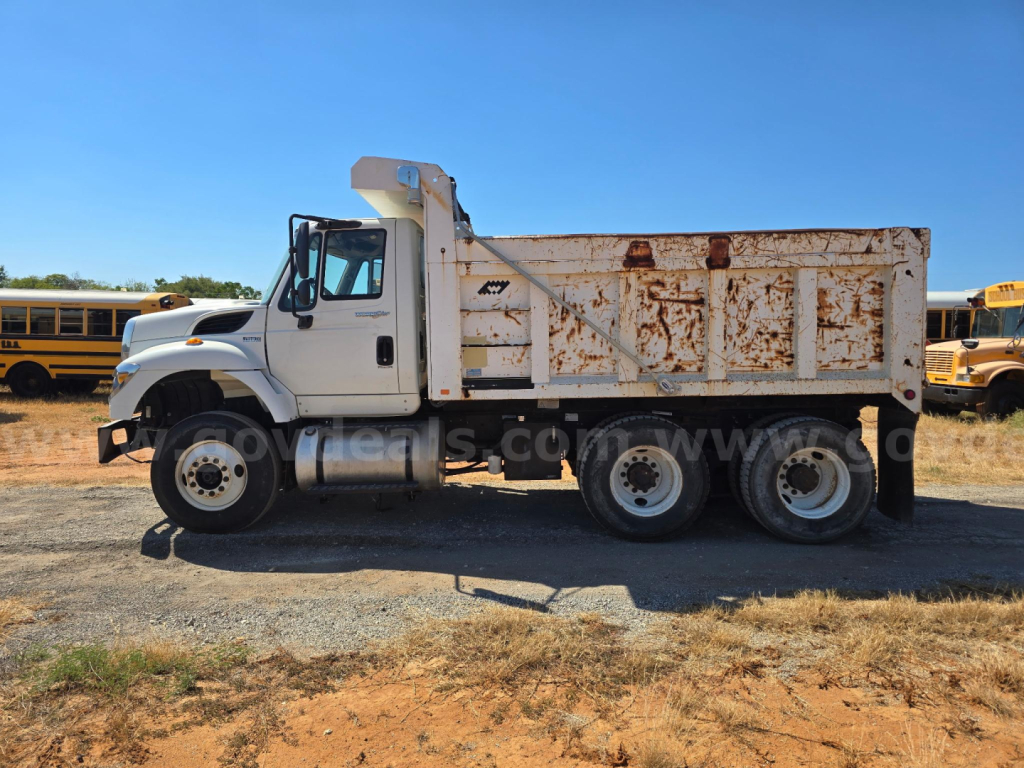
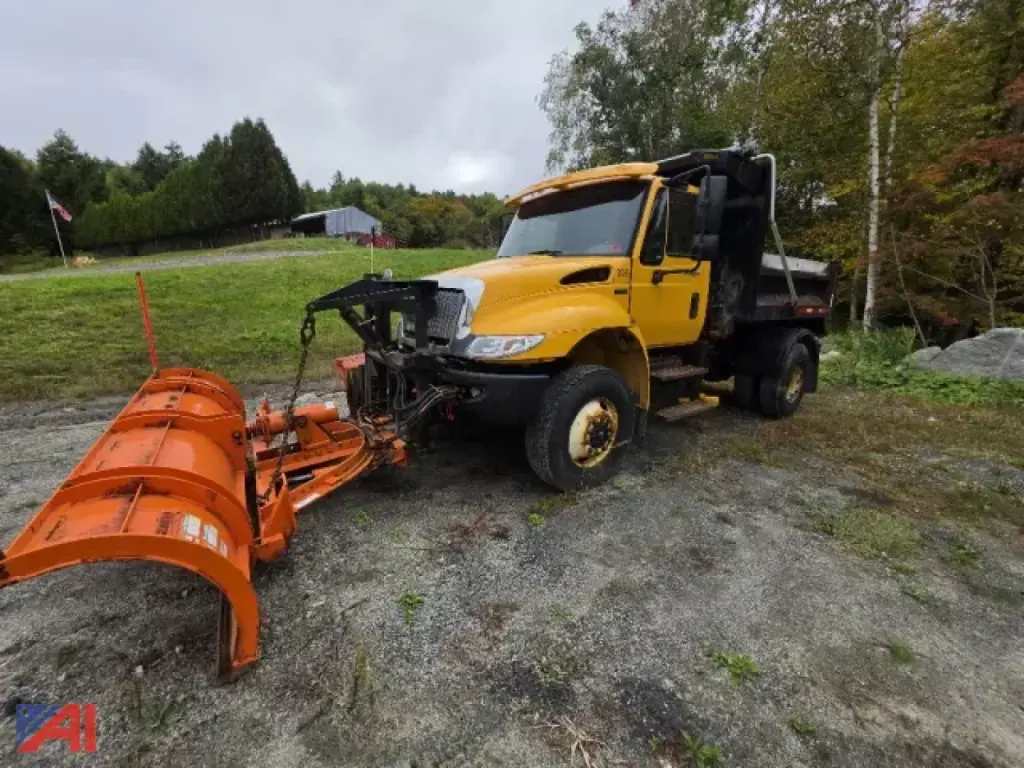
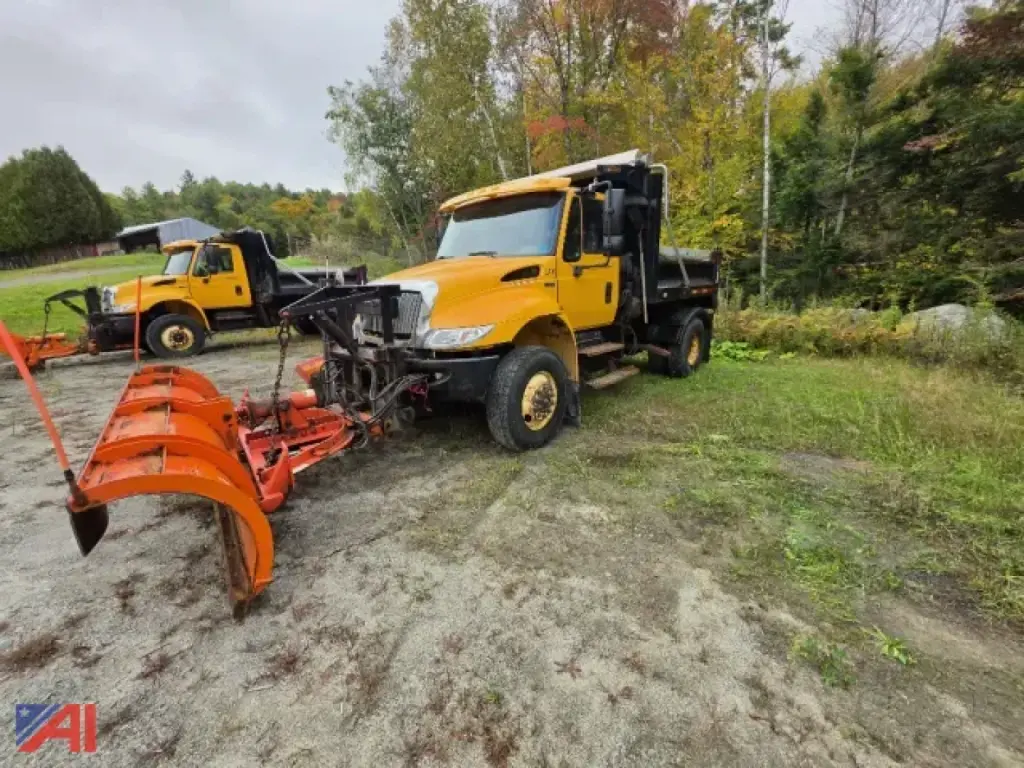
Selling a used 2013 international dump truck? List your used 2013 international dump truck for sale and reach thousands of commercial buyers.
Used 2013 International Dump Trucks
On 2013 International dump trucks, engine and driveline specs can vary widely by original application. Some are spec'd with medium-heavy vocational ratings for tighter urban work, while others are built as heavier tandem-axle trucks for payload and off-pavement durability. Look closely at front axle capacity, rear axle ratio, suspension type, and transmission model because those details tell you how the truck will perform with a loaded box. A shorter wheelbase and smaller body usually fit paving crews, utility contractors, and landscape operations. A longer wheelbase, heavier suspension, and higher-capacity tandem setup make more sense for dirt, stone, millings, and demolition debris. Buyers should also confirm PTO engagement, hydraulic response, cylinder condition, frame integrity, and any signs of body floor or crossmember fatigue.
The body and equipment package matter as much as the chassis. Common features on International dump trucks from this era include underbody or telescopic hoists, barn doors or high-lift tailgates, manual or electric tarp systems, pintle plates, trailer brake controls, and spreader or plow prep on municipal units. If the truck has spent time in snow service, inspect the frame rails, wiring, hydraulic plumbing, cab corners, and body seams for corrosion. If it came from aggregate or demolition duty, pay attention to body wear, hinge points, trunnions, spring hangers, and evidence of repeated overloading. Cab condition, A/C performance, gauge operation, and brake history also matter because these trucks often cycle through stop-and-go routes and PTO-heavy work.
A well-matched used 2013 International dump truck can still be a productive fleet truck if the specs line up with the intended payload and route profile. Buyers comparing listings should focus on engine hours versus miles, maintenance records, axle configuration, body manufacturer, and legal payload potential in their state. It also helps to verify tire size, brake type, locking differential setup, and whether the truck has a double frame or liner package for severe service. International dump trucks from this period remain common in government and contractor fleets, which means many used examples were purpose-built for real vocational work rather than general delivery service.
Frequently Asked Questions about Used 2013 International Dump Trucks
What should I look for first on a used 2013 International dump truck?
Start with the chassis and body spec sheet, not just mileage. Confirm the model, GVWR, axle configuration, wheelbase, engine, transmission, and dump body dimensions. Then inspect the PTO, hoist, hydraulic cylinder, frame rails, suspension, brake system, and tailgate hardware. On a vocational truck, the way it was originally spec'd determines job fit and long-term value more than the odometer alone.
Are 2013 International 7400 dump trucks good for construction and municipal work?
Yes, many 2013 International 7400 dump trucks were built specifically for vocational use. They are commonly found in municipal fleets, utility departments, paving operations, and construction support roles. The key is matching the truck's axle ratings, body size, and suspension to the work. A municipal snow unit with plow and spreader prep is different from a tandem aggregate truck, even if both are sold as dump trucks.
How do I evaluate the dump body and hoist on a used International dump truck?
Check body floor thickness, side wall condition, crossmembers, hinge pins, tailgate latches, tarp operation, and any patches or weld repairs. Cycle the hoist through a full raise and lower sequence and watch for hesitation, leaks, twisting, or uneven lift. Inspect hydraulic lines, pump operation, PTO engagement, and cylinder seals. Dump performance under load is critical, so signs of weak hydraulics or structural fatigue should be taken seriously.
Is mileage less important than hours on a used dump truck?
In many cases, yes. Dump trucks often spend significant time idling, waiting on site, or running PTO-driven hydraulics at low road speeds. A truck with modest mileage can still have heavy engine wear if it has high idle time or severe vocational use. Service records, engine hours, transmission condition, brake history, and evidence of regular maintenance are often better indicators of remaining life than mileage by itself.
What rust and corrosion areas are common on used International dump trucks?
Corrosion is commonly found on the frame, body mounts, dump body seams, cab corners, battery box area, hydraulic line clamps, wiring connections, and undercab components. Trucks that worked in snow and salt service deserve extra scrutiny around plow harnesses, spreader controls, and rear body hardware. Surface rust is common on vocational equipment, but scaling, soft metal, and structural deterioration around frame and hoist mounting points are much more serious.