
Used 2013 Bus Trucks For Sale in New York
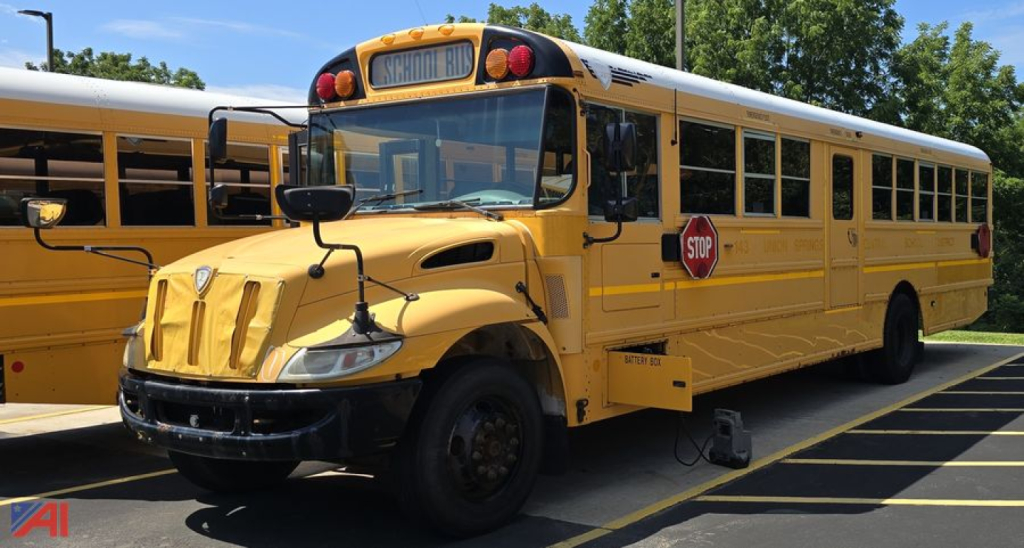
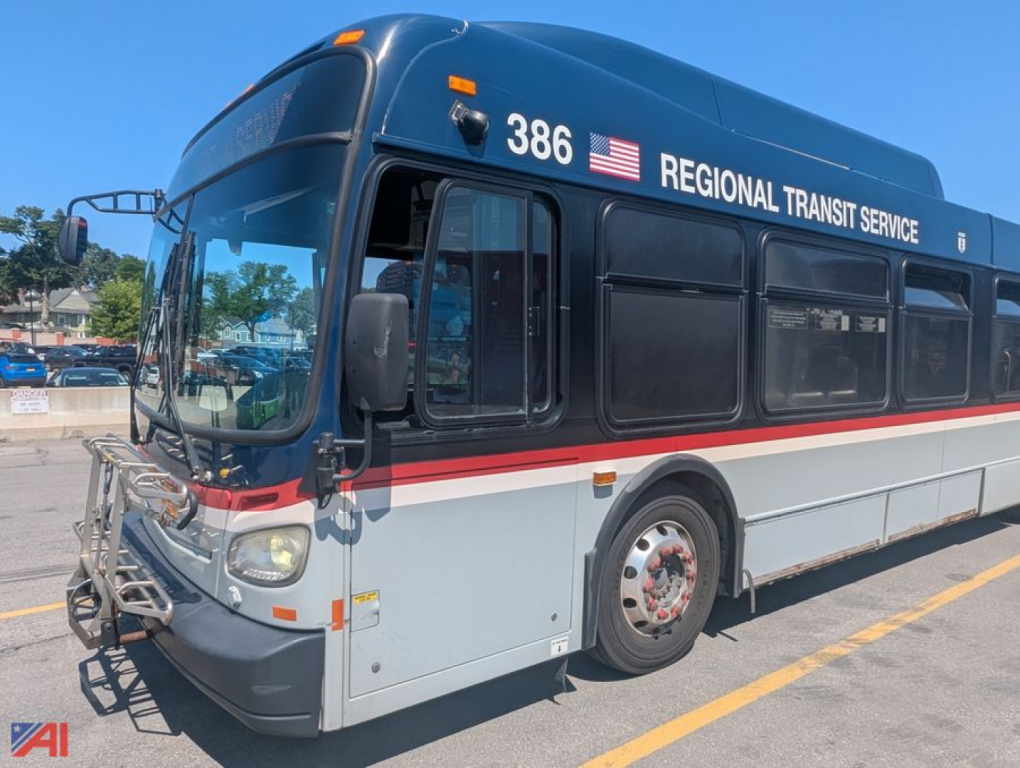
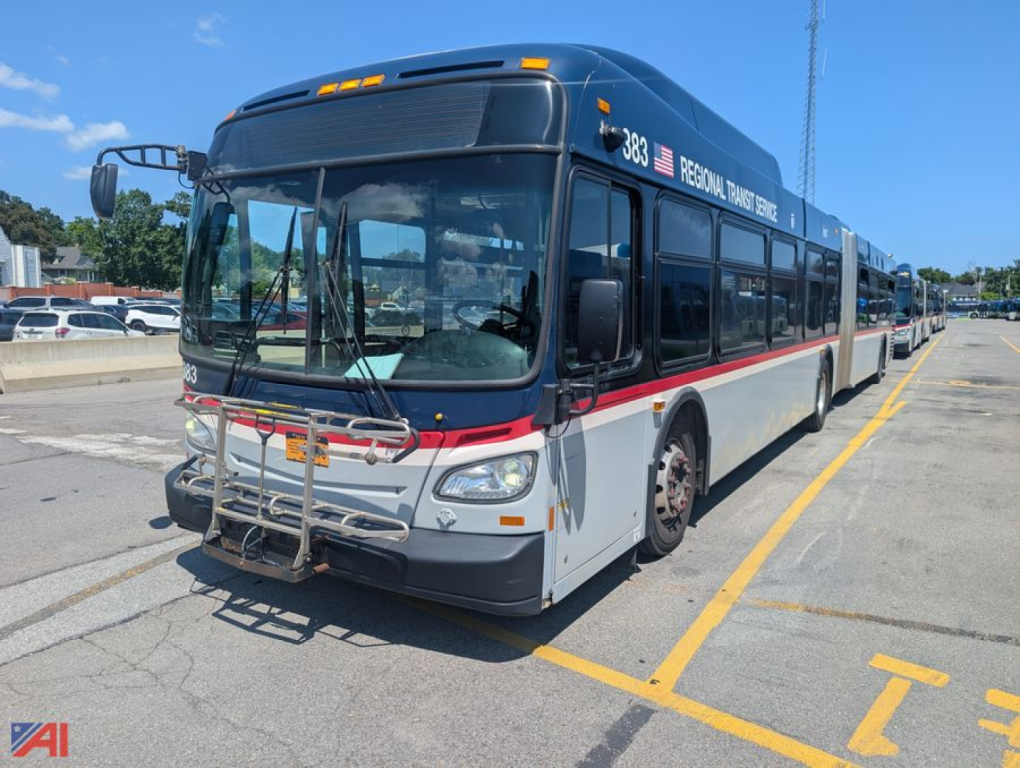
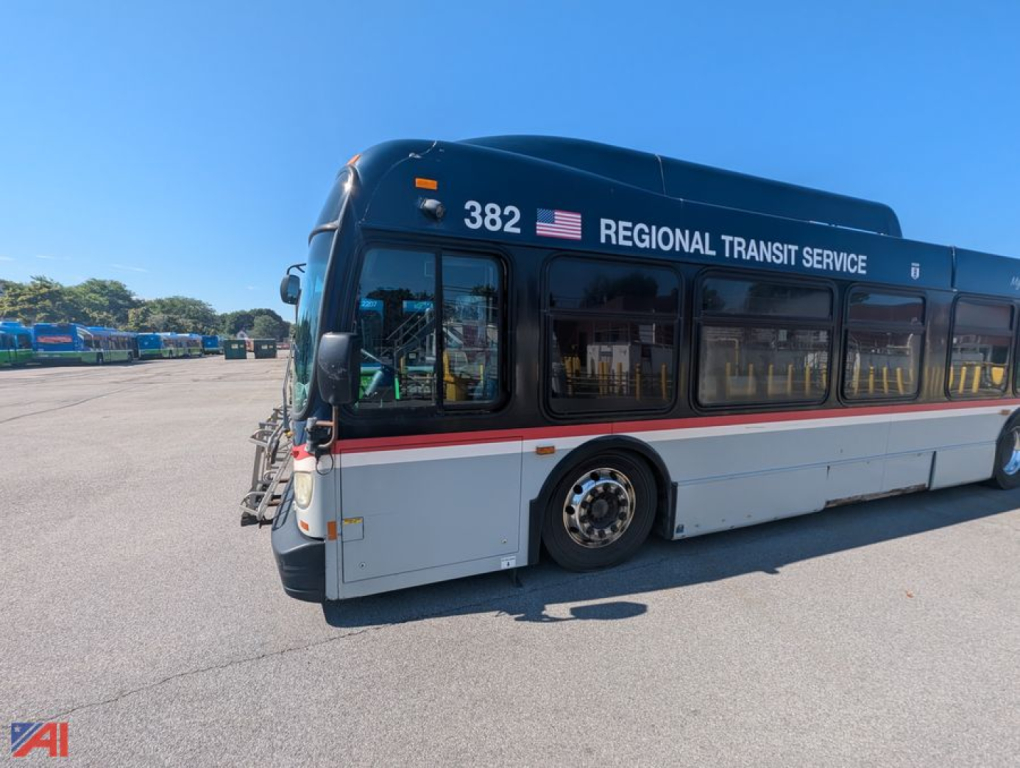
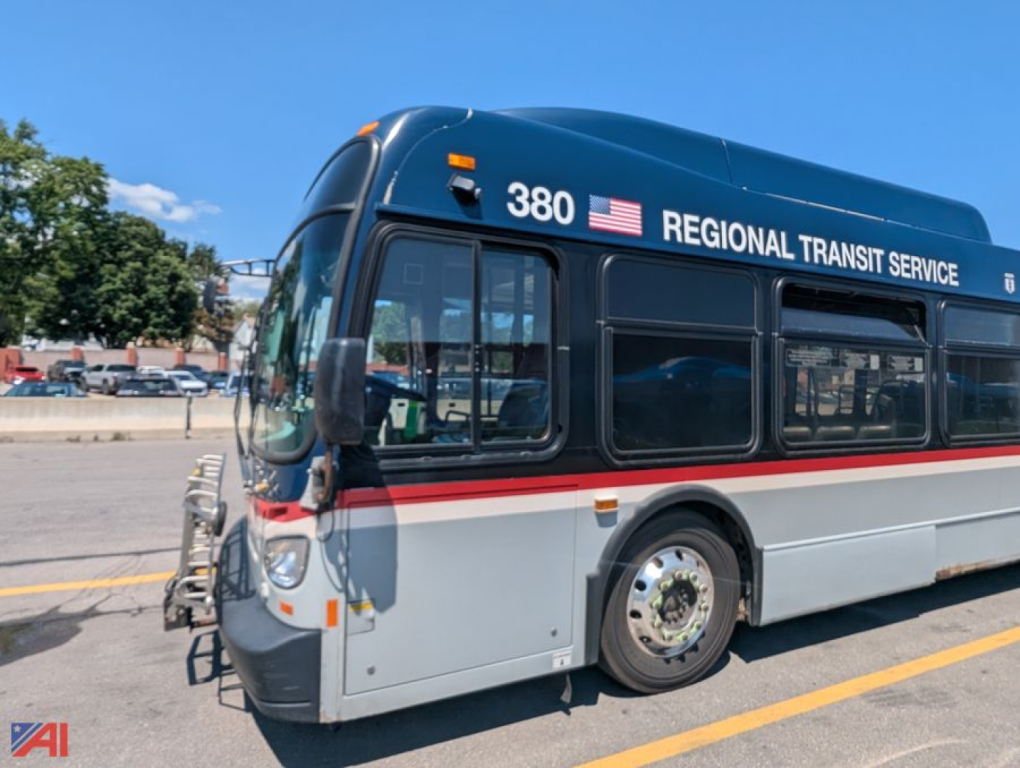
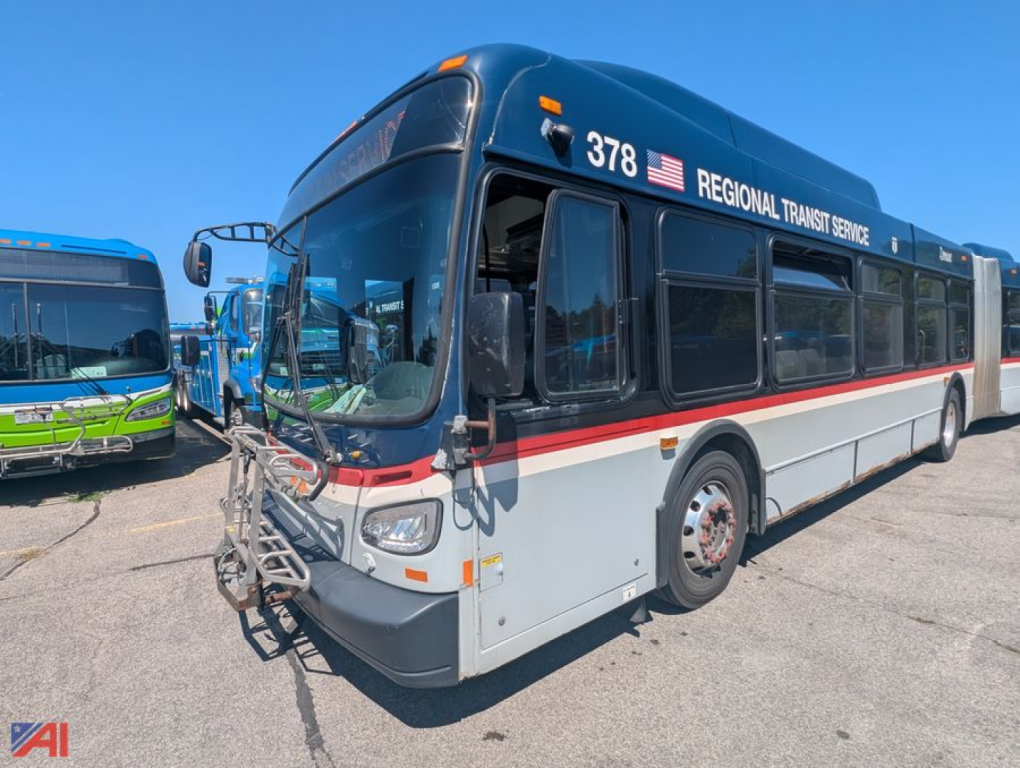
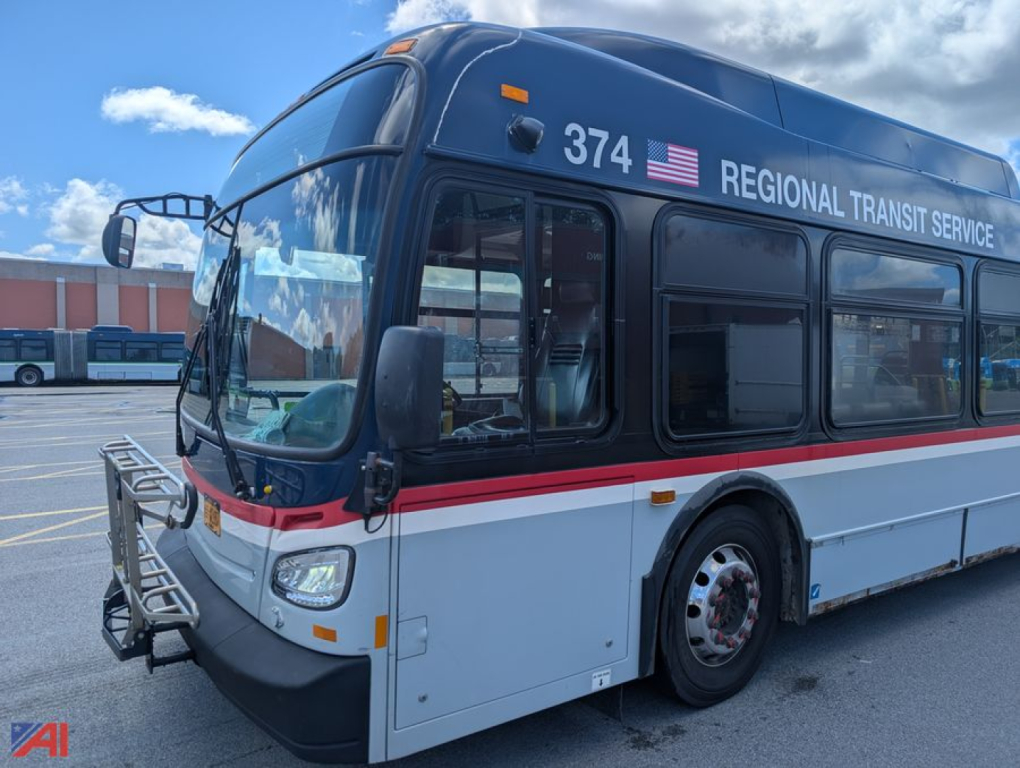
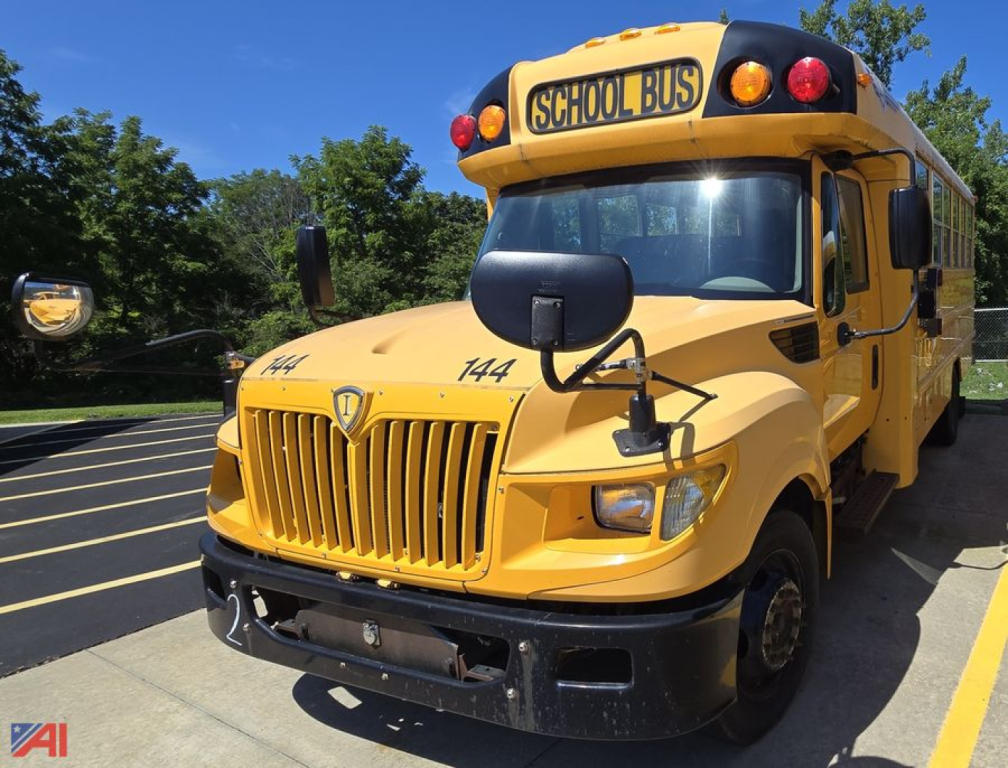
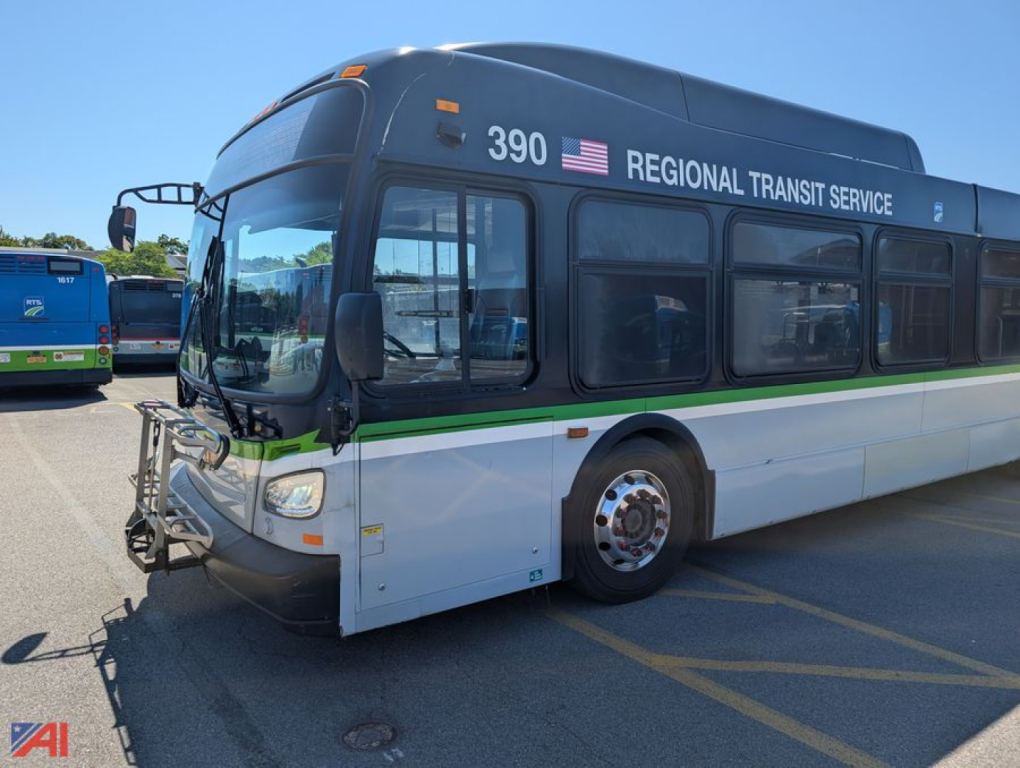
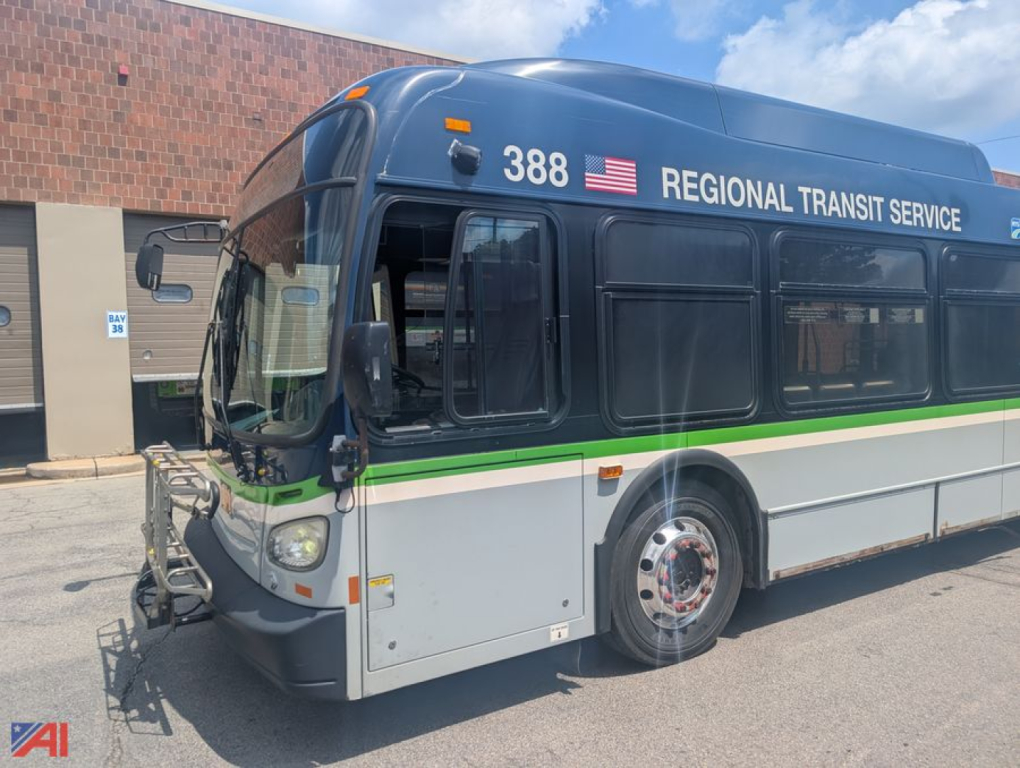
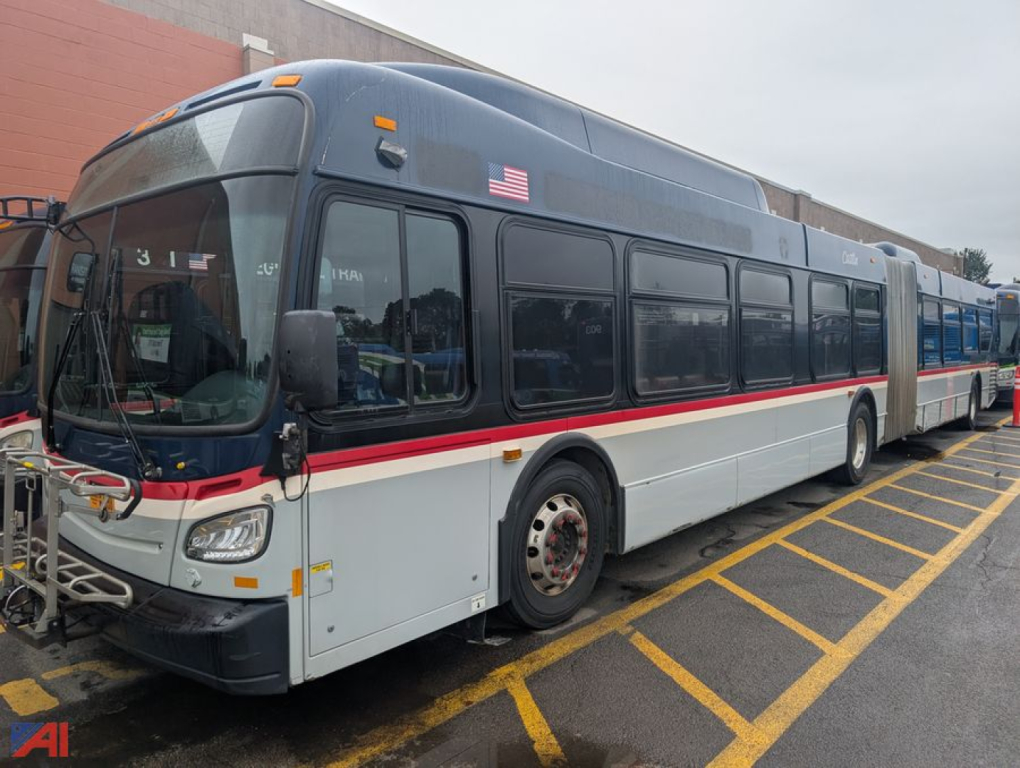
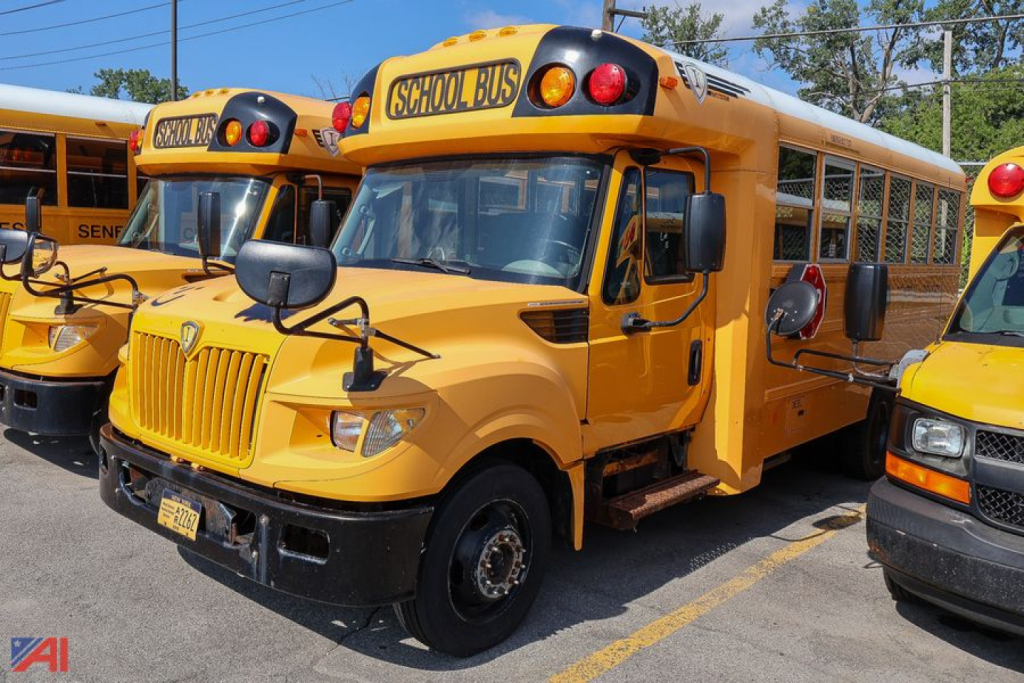
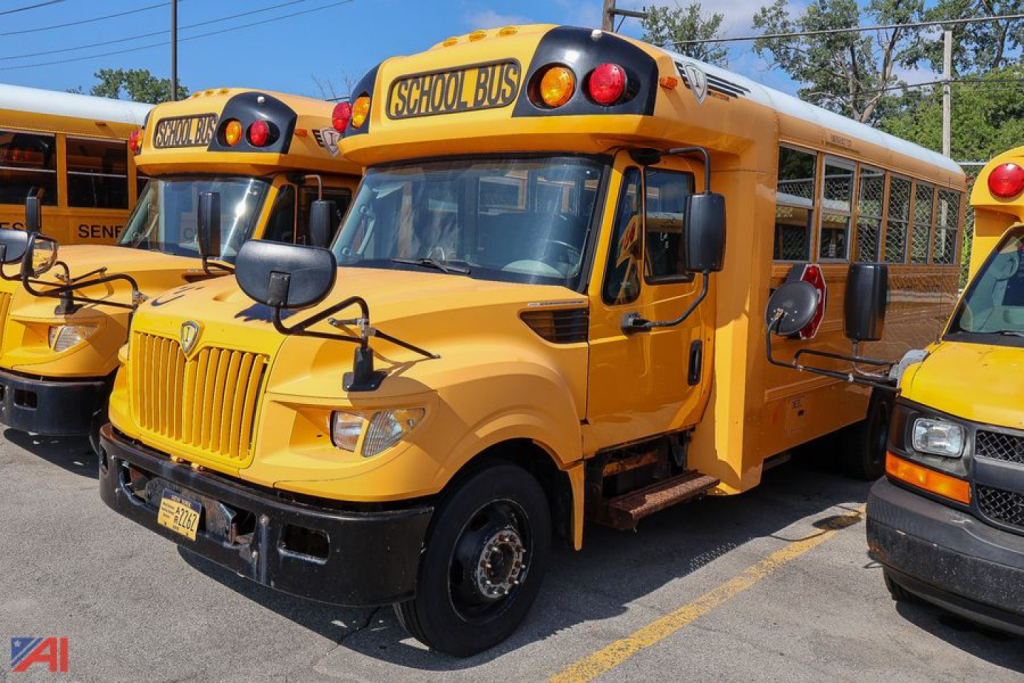
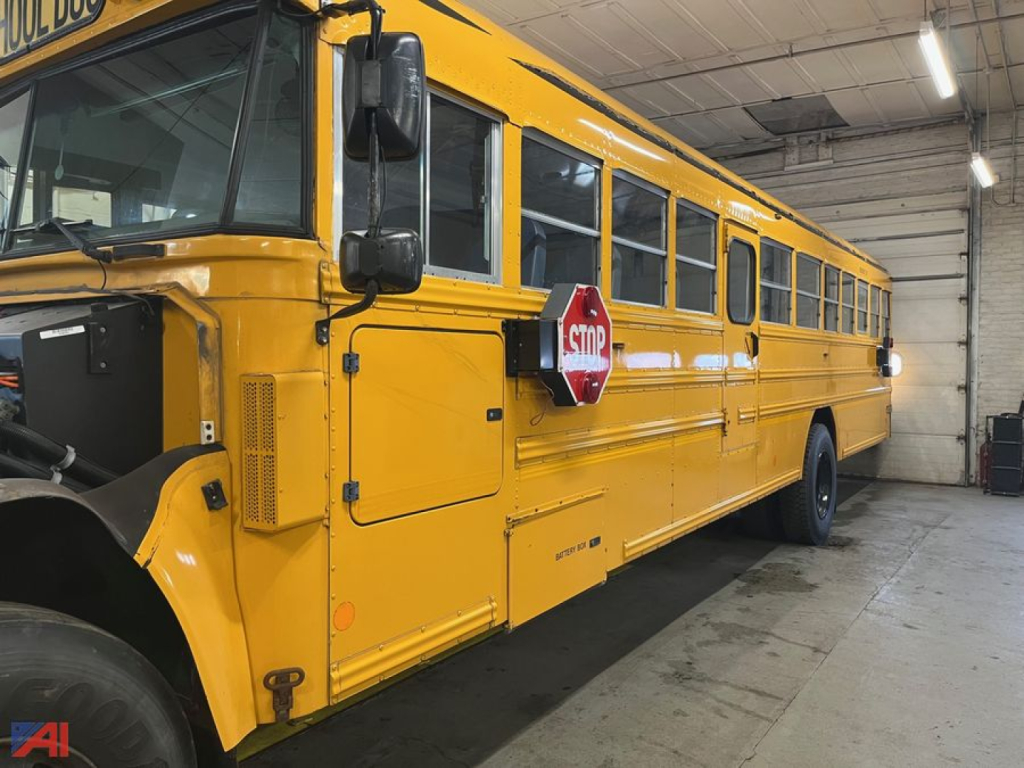
Have used 2013 bus truck to sell? List it here to reach thousands of buyers.
Used 2013 Bus Trucks in New York
The most common 2013 bus platforms include Ford E-Series, Chevrolet Express or GMC Savana cutaway models for smaller passenger and paratransit work, along with larger conventional school bus chassis from IC Bus, Blue Bird, Thomas Built, and Freightliner. Diesel power is common, with engines varying by GVWR and body application. Buyers should verify seating capacity, axle ratings, door configuration, wheelchair lift operation if equipped, and whether the bus has a hydraulic or air brake system. On larger school bus models, useful checkpoints include suspension wear, steering play, roof bow integrity, heater performance, crossing arm operation, and the condition of warning light systems if the bus is still in pupil transport configuration.
A 2013 bus truck is often selected for short-haul passenger movement, school routes, airport and hotel shuttle work, adult day transport, non-emergency mobility service, or conversion use where regulations allow. That makes interior layout a major value factor. High-back passenger seating, rear luggage area, ADA equipment, dual rear wheels, and supplemental climate control can change how well a unit fits the job. If the bus will remain in commercial passenger service, buyers should confirm state inspection requirements, CDL implications, emissions compliance, and any decommissioning needs for former school buses. A church or private operator may prioritize low-entry access and simple maintenance, while a contractor may focus more on drivetrain durability and body parts availability.
For long-term cost control, the best 2013 used buses are usually the ones with documented maintenance, clean title status, and body support that remains available from the original manufacturer. Parts access for doors, windows, mirrors, seat frames, and lift components can be as important as engine and transmission support. A careful buyer will also compare tire age, battery condition, DEF system status if equipped, and signs of water intrusion around roof seams and side windows. On an older bus, those details often determine downtime more than the basic make or model name.
Frequently Asked Questions about Used 2013 Bus Trucks in New York
What should I inspect first on a used 2013 bus truck in New York?
Start with underbody corrosion, frame condition, brake and fuel lines, stepwell rust, and suspension mounting points. New York buses often see heavy winter road treatment, so rust can affect structural integrity and repair costs faster than mileage alone. After that, review service records, check tire date codes, confirm all lights and emergency exits work, and inspect the interior floor for soft spots or water damage.
Are 2013 bus trucks typically diesel or gas?
Most larger 2013 school buses are diesel, while smaller shuttle and cutaway buses may be diesel or gas depending on chassis and fleet preference. Diesel is common for higher passenger loads and longer duty cycles because of torque and durability, but gas engines can be simpler for lighter shuttle applications. The right choice depends on route length, passenger count, local service support, and total maintenance budget.
Do I need a CDL to operate a 2013 bus truck?
A CDL requirement usually depends on GVWR, passenger capacity, and how the bus is being used. A bus designed to transport 16 or more passengers including the driver typically triggers CDL passenger endorsement requirements, and school bus use may add further licensing rules. Buyers should verify New York registration class, seating configuration, and intended use before purchase because de-rated seating or non-passenger conversion can change the compliance picture.
What body styles are common in a 2013 used bus?
Common 2013 bus body styles include full-size conventional school buses, cutaway shuttle buses, wheelchair buses, and smaller activity or church buses. Conventional school buses are built for route durability and higher passenger counts, while cutaway buses offer easier maneuverability and lower operating cost for lighter-duty service. Wheelchair-accessible models add lift and restraint systems that need careful functional inspection.
Is mileage the most important factor when buying a used 2013 bus?
Mileage matters, but maintenance history and structural condition usually matter more on a bus of this age. A lower-mile unit with severe rust, poor roof sealing, or neglected lift equipment can cost more to own than a higher-mile bus with consistent fleet service. Engine hours, transmission behavior, brake condition, and evidence of regular preventative maintenance give a better picture of remaining value than odometer reading alone.