
Used 2013 New Flyer Bus Trucks For Sale in New York
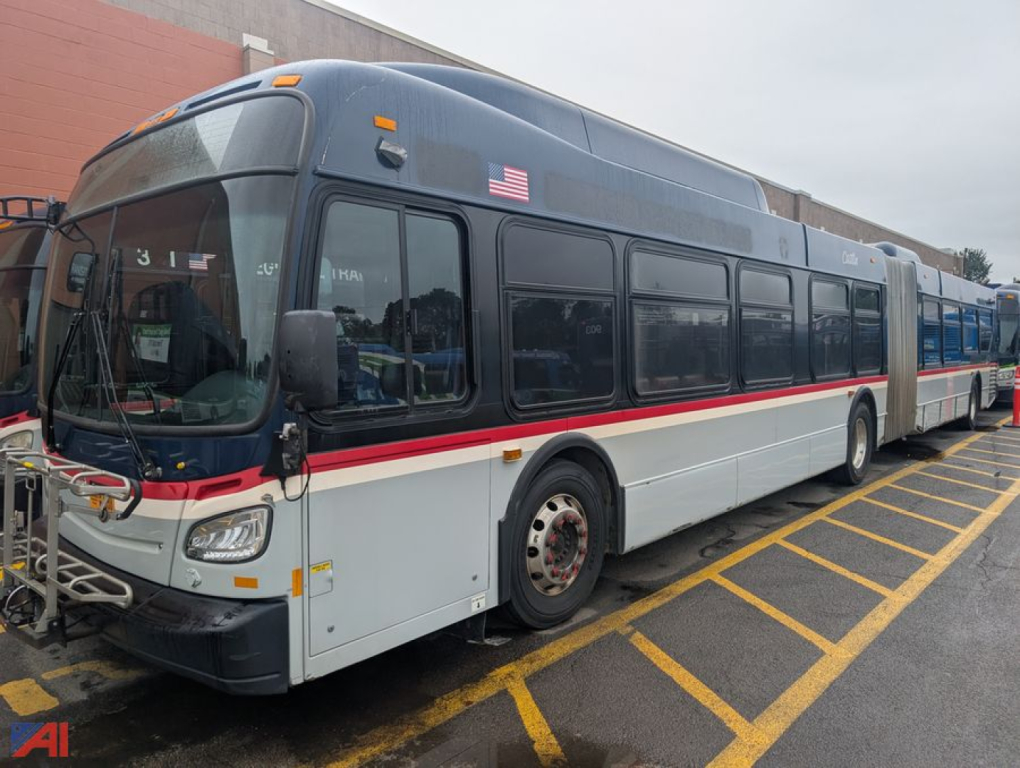
Have used 2013 new flyer bus truck to sell? List it here to reach thousands of buyers.
Used 2013 New Flyer Bus Trucks in New York
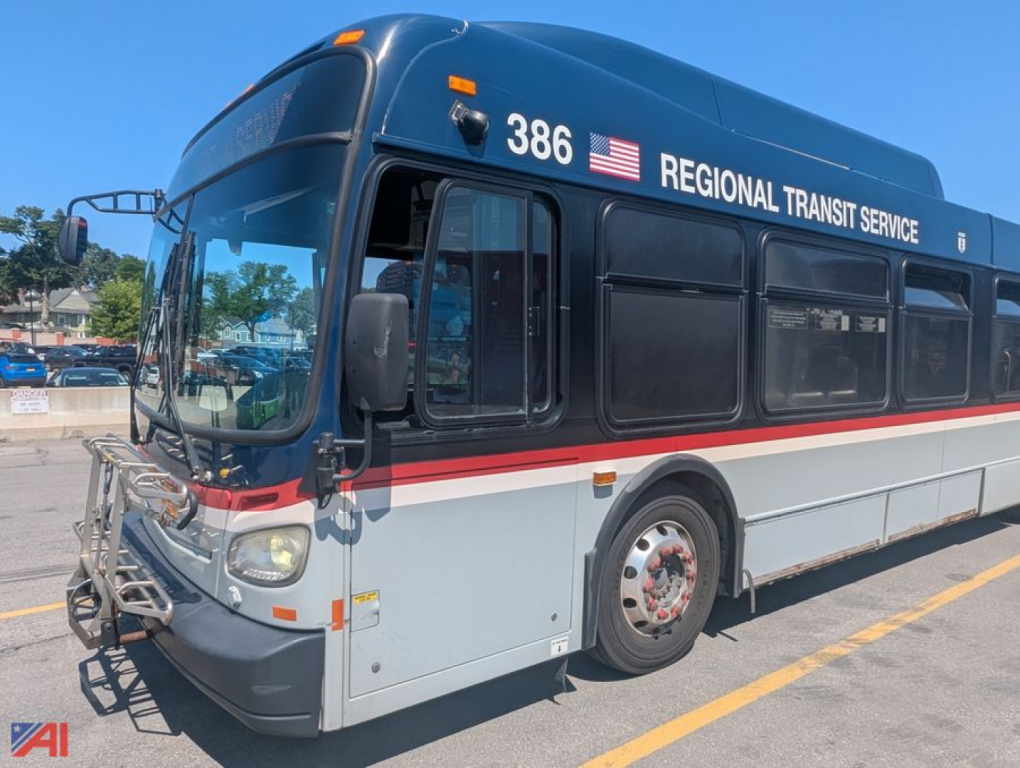
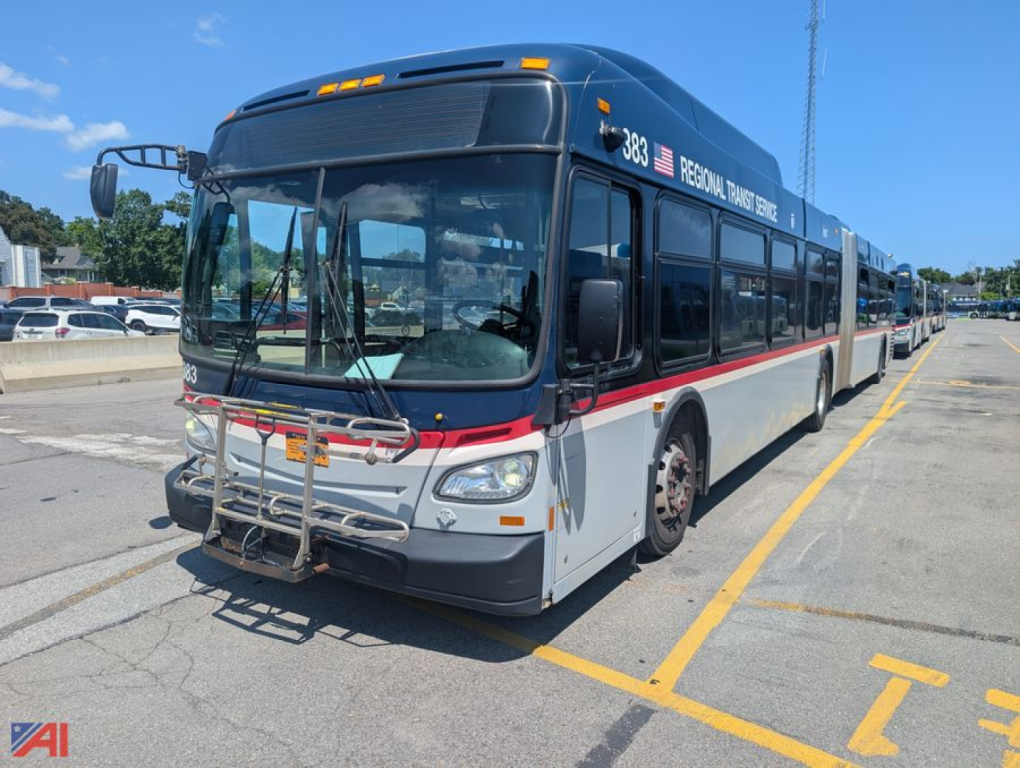
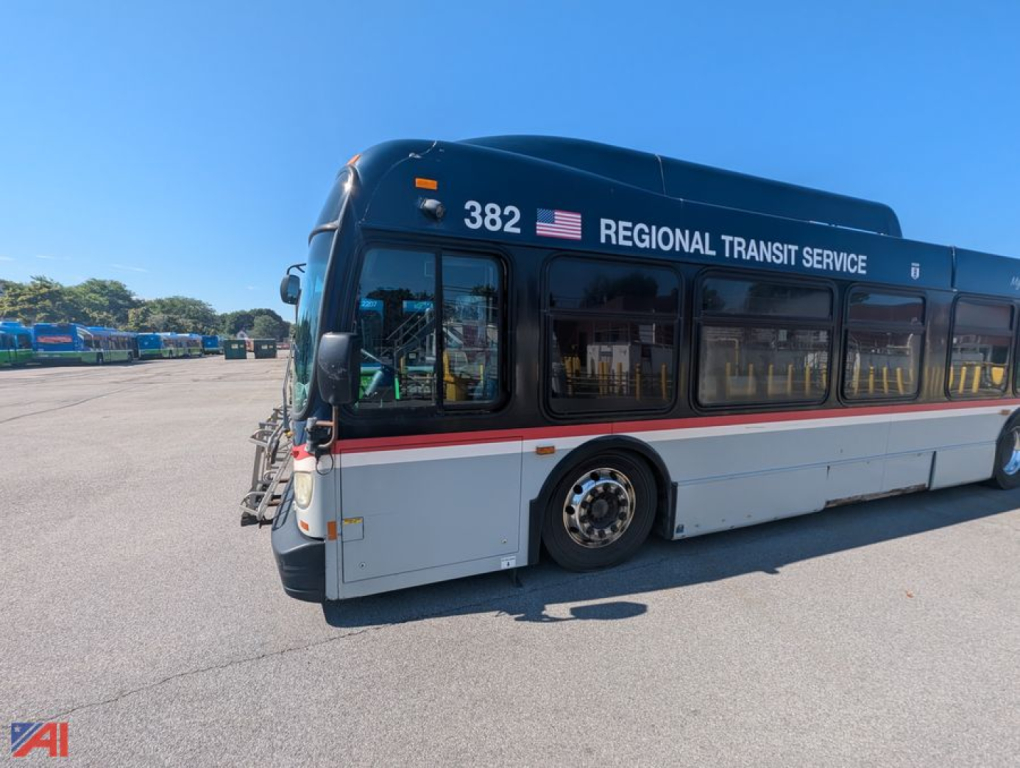
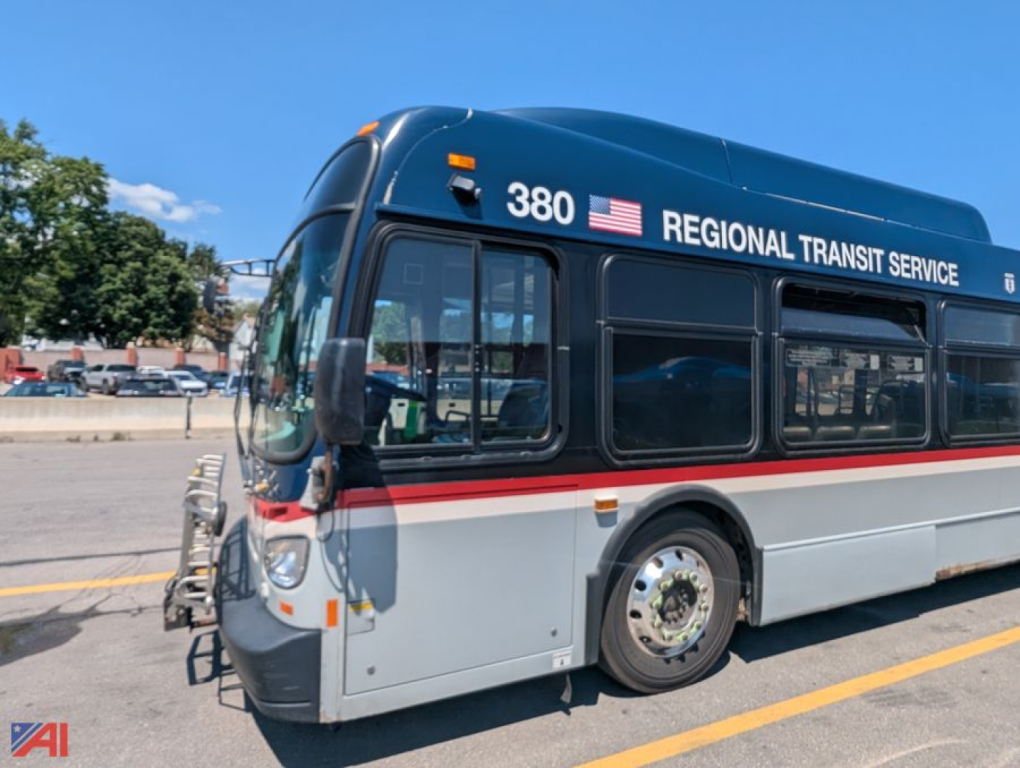
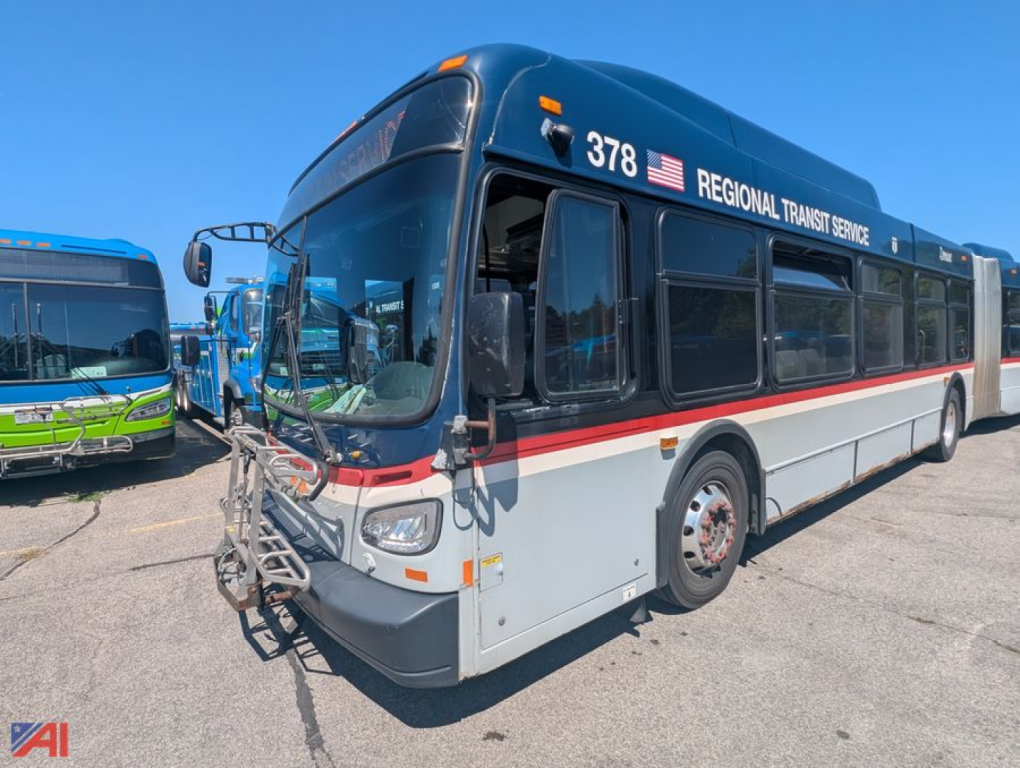
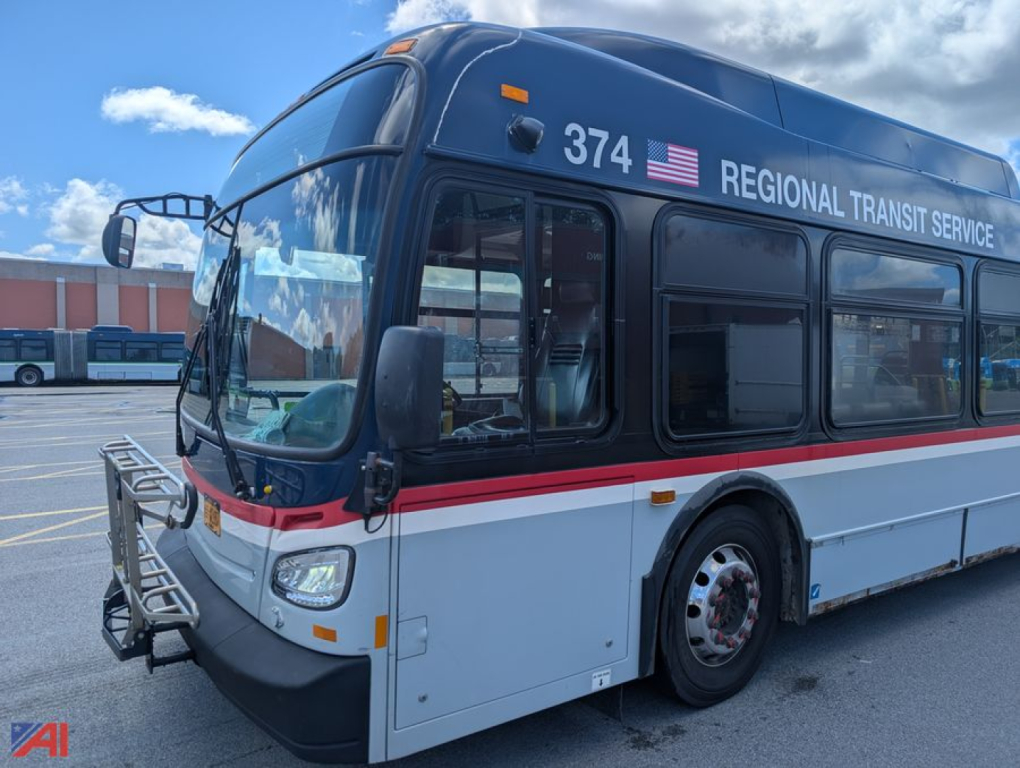
The first buying decision is usually configuration. A 60-foot articulated bus offers substantially more passenger capacity than a standard transit bus, but it also brings route and facility requirements. Overall length, articulation joint condition, turning radius, axle layout, and parts support all deserve close attention. Low-floor construction is a major advantage for transit work because it speeds passenger flow and supports ADA boarding, but buyers should inspect kneeling systems, ramps or lifts, door mechanisms, and suspension components that see constant use in city service. On a used 2013 unit, corrosion around the stepwell, lower body panels, wheel housings, and undercarriage is especially important in New York and other snow-belt markets where road salt can shorten body life.
Powertrain and support systems can vary by spec, so it pays to verify engine family, transmission model, emissions equipment, and cooling system history before comparing listings. New Flyer transit buses from this era were commonly spec'd with heavy-duty diesel or alternative-fuel drivetrains depending on agency requirements. Buyers should confirm idle hours, service records, ECM data, DPF and aftertreatment maintenance, articulation maintenance history, and any recurring electrical faults. Transit buses also carry high-demand accessories such as HVAC systems, multiplex wiring, destination sign equipment, wheelchair restraint stations, and passenger door controls. These systems affect operating cost just as much as engine condition, especially if the bus is being repurposed for shuttle, worker transport, training, or private fleet use.
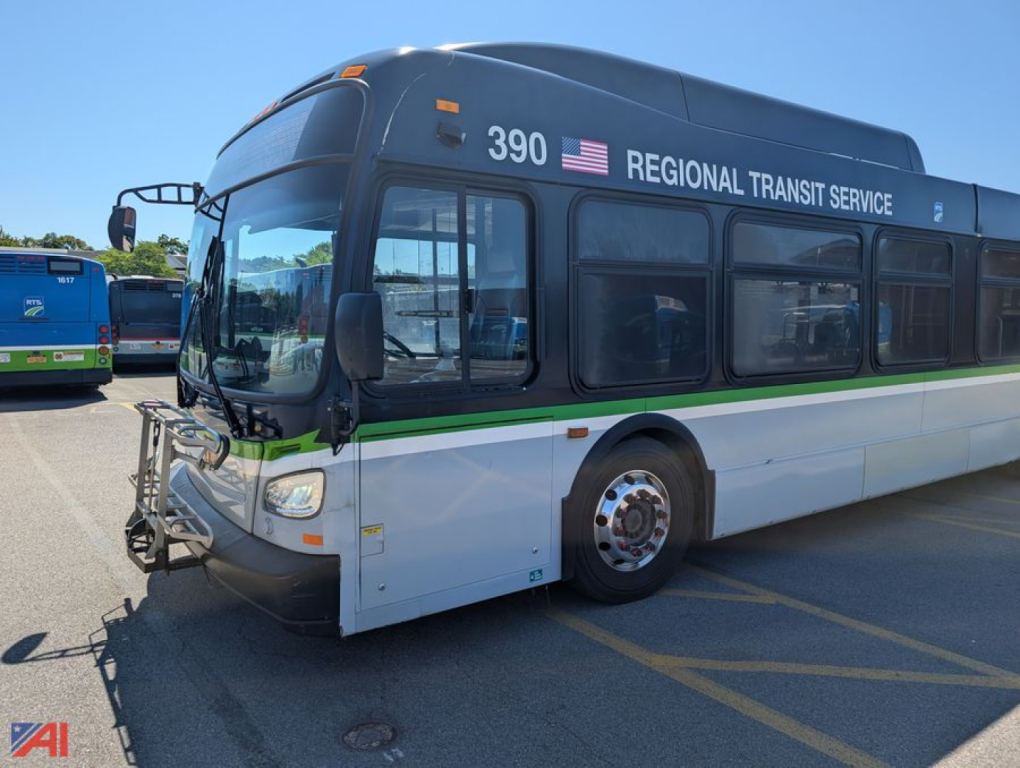
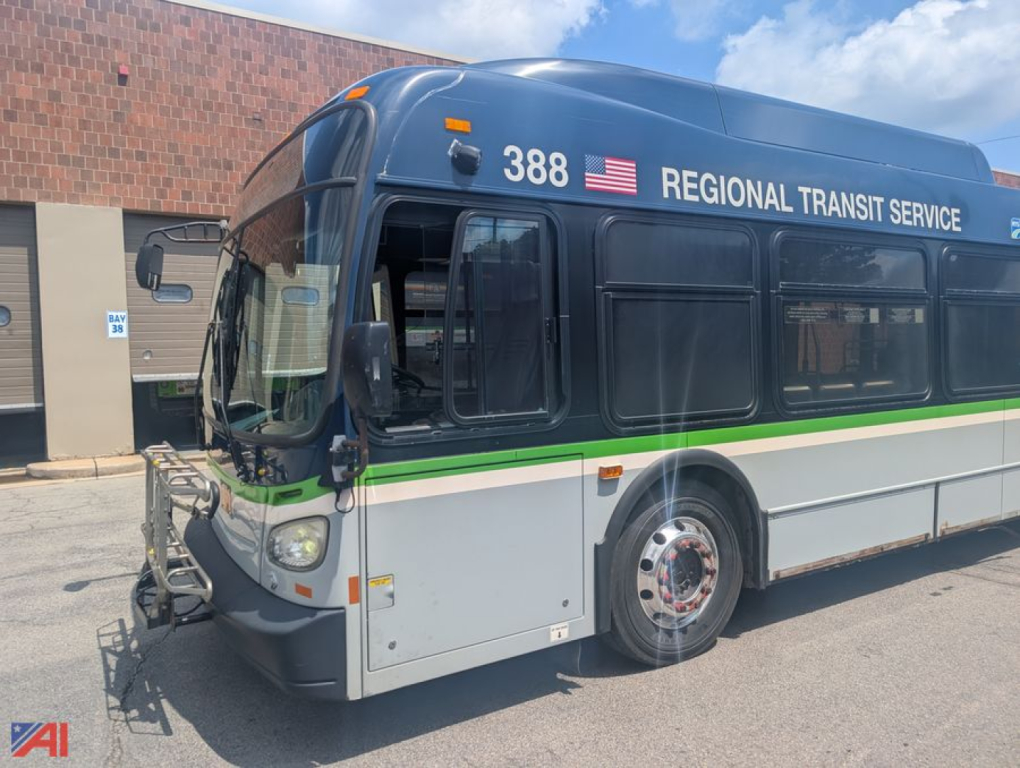
A used 2013 New Flyer bus can fit several applications beyond public transit, but the best value comes when the bus's original design matches the next job. Articulated transit buses are ideal for moving large groups on fixed routes, campuses, airports, or municipal circulators, but they are less practical where shop space, route geometry, or technician familiarity is limited. Buyers should compare seating layout, standee room, axle ratings, overall height, door configuration, and local registration requirements before purchase. For operators who need a proven low-floor transit bus with strong passenger capacity and established fleet-service design, a 2013 New Flyer remains a serious platform worth evaluating carefully.
Frequently Asked Questions about Used 2013 New Flyer Bus Trucks in New York
What is a 2013 New Flyer XD60 bus typically used for?
A 2013 New Flyer XD60 is typically used for high-capacity urban transit service. It is a 60-foot articulated low-floor bus designed to handle frequent stops, heavy passenger loads, fast boarding, and continuous daily route work. Used units are also sometimes repurposed for airport circulation, university shuttle service, employee transportation, emergency fleet backup, or training operations where large passenger volume is a priority.
What should I inspect first on a used 2013 New Flyer transit bus?
Start with the structure, articulation joint, powertrain records, and corrosion condition. On a transit bus of this age, body corrosion, undercarriage rust, stepwell damage, suspension wear, and articulation service history can be as important as engine mileage. After that, check the door systems, wheelchair ramp or lift, HVAC performance, multiplex electrical functions, cooling system, and emissions maintenance records. A bus that runs well but has major body or system issues can become expensive quickly.
Are articulated New Flyer buses practical for non-transit buyers?
They can be practical, but only in the right operation. An articulated bus offers excellent passenger capacity and low-floor accessibility, which makes it attractive for shuttle systems, large campuses, and fixed-route private transport. The tradeoff is that a 60-foot bus requires suitable turning space, parking, maintenance access, and technicians comfortable with articulation components and transit electrical systems. Buyers without that infrastructure may be better served by a shorter conventional bus.
Do 2013 New Flyer buses have good parts and service support?
Parts support is generally better than it is for many niche bus brands because New Flyer is a major transit manufacturer with a large installed base. That said, support depends on the exact model, drivetrain, and onboard equipment package. Buyers should confirm availability for body panels, articulation components, door parts, HVAC components, electrical modules, and emissions-related items before purchase. A common fleet spec is usually easier to maintain than a highly customized transit configuration.
Why does location matter when buying a used New Flyer bus in New York?
Location matters because New York buses often see intensive stop-and-go duty along with winter road salt exposure. That combination can accelerate wear on the frame, suspension, brake components, lower body panels, and electrical connections. A New York unit may still be a good buy if maintenance has been consistent, but buyers should pay close attention to rust, corrosion repair quality, and underbody condition during inspection.