
Used New Flyer Bus Trucks For Sale
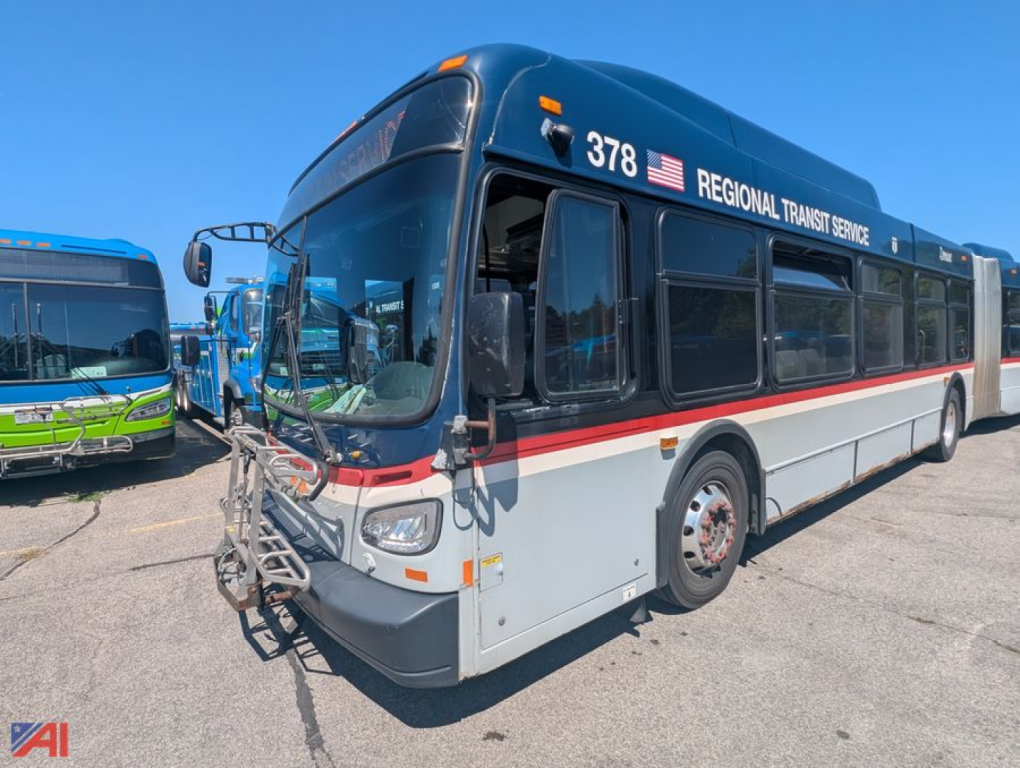
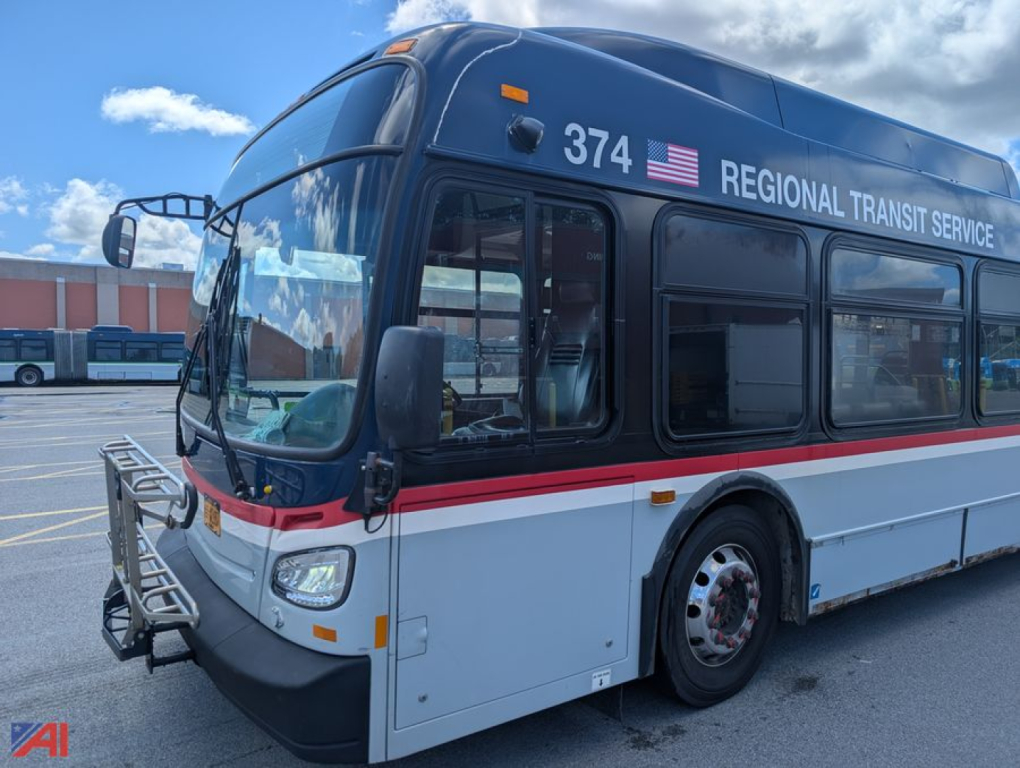
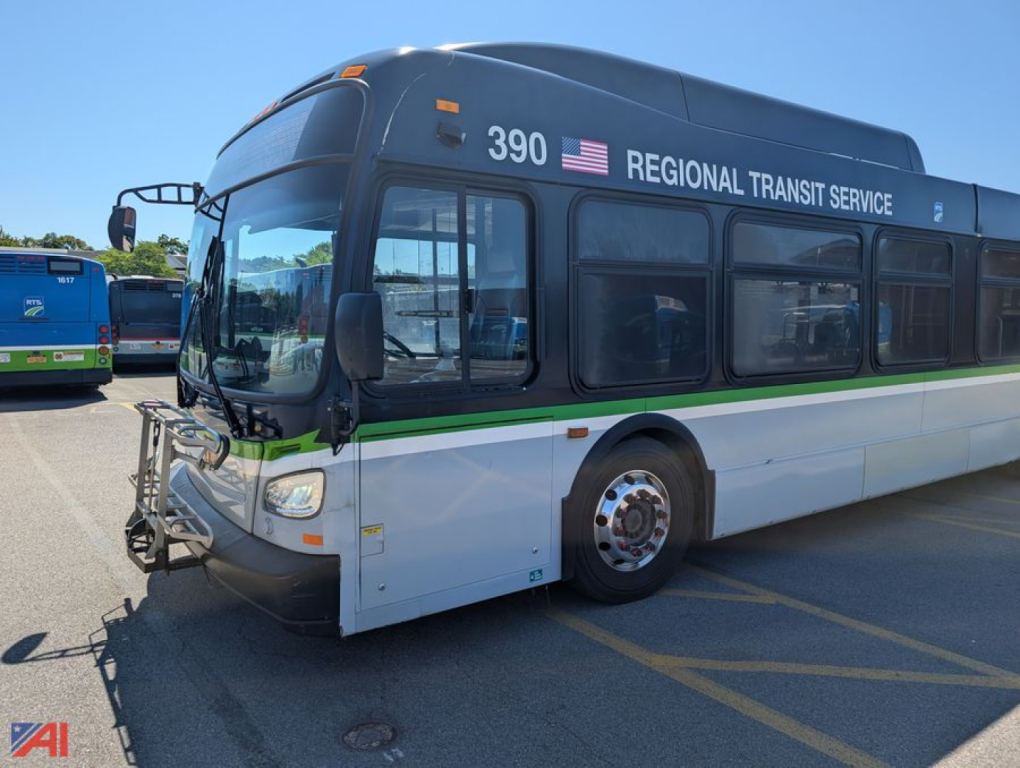
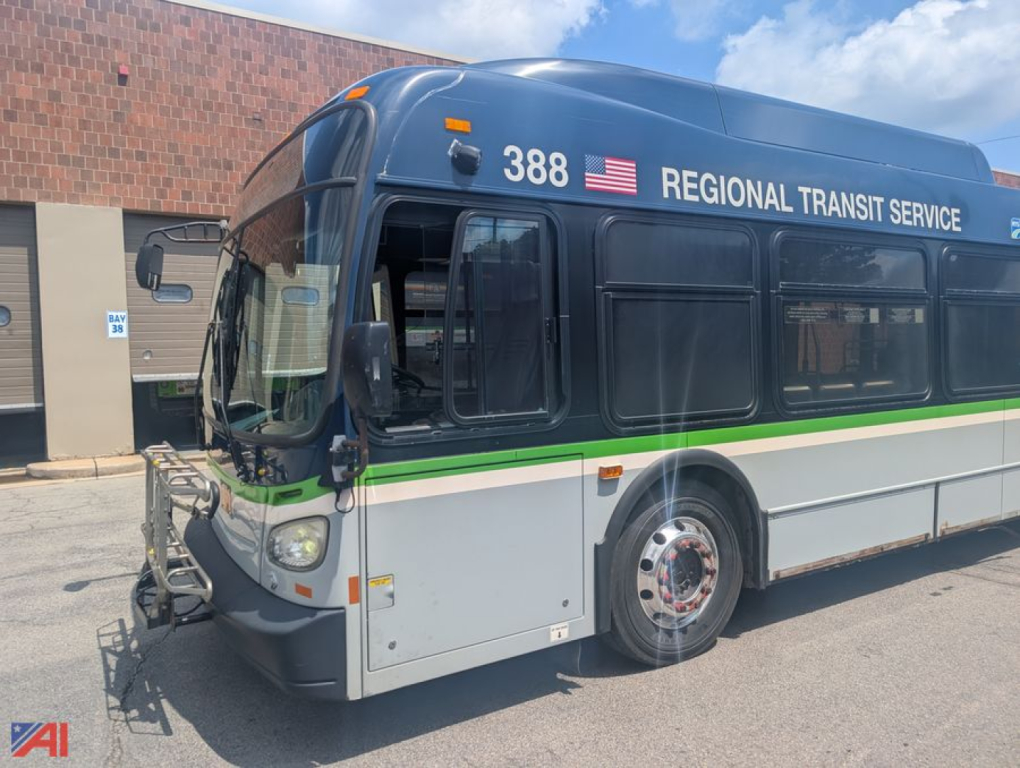
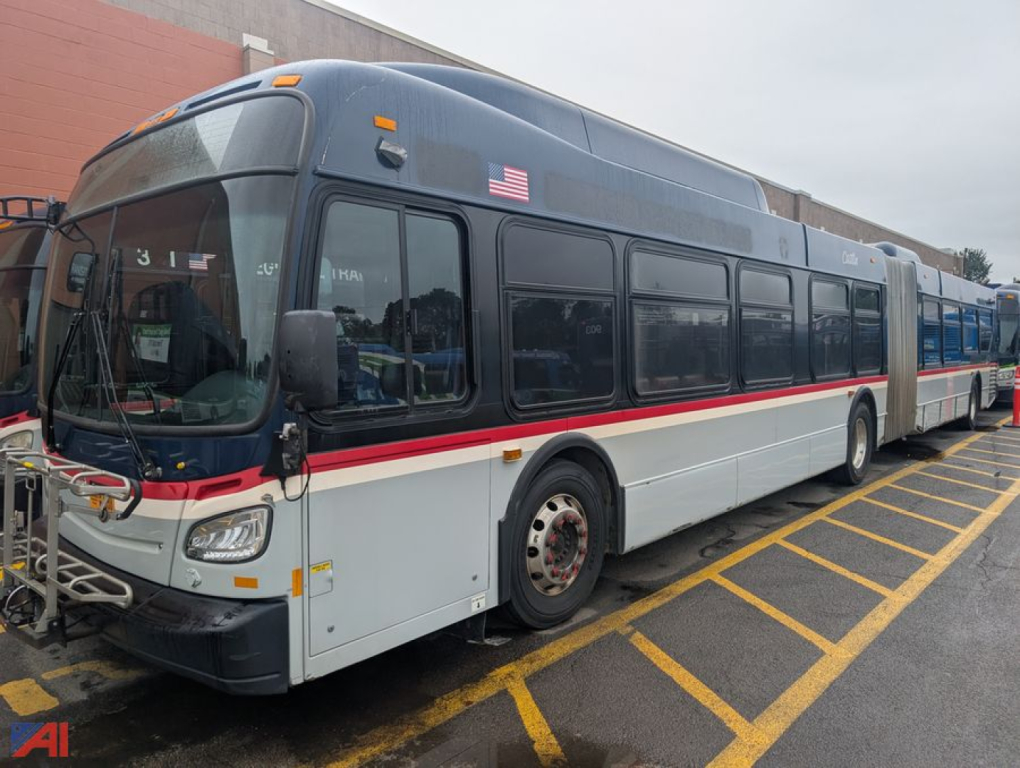
Have used new flyer bus truck to sell? List it here to reach thousands of buyers.
Used New Flyer Bus Trucks
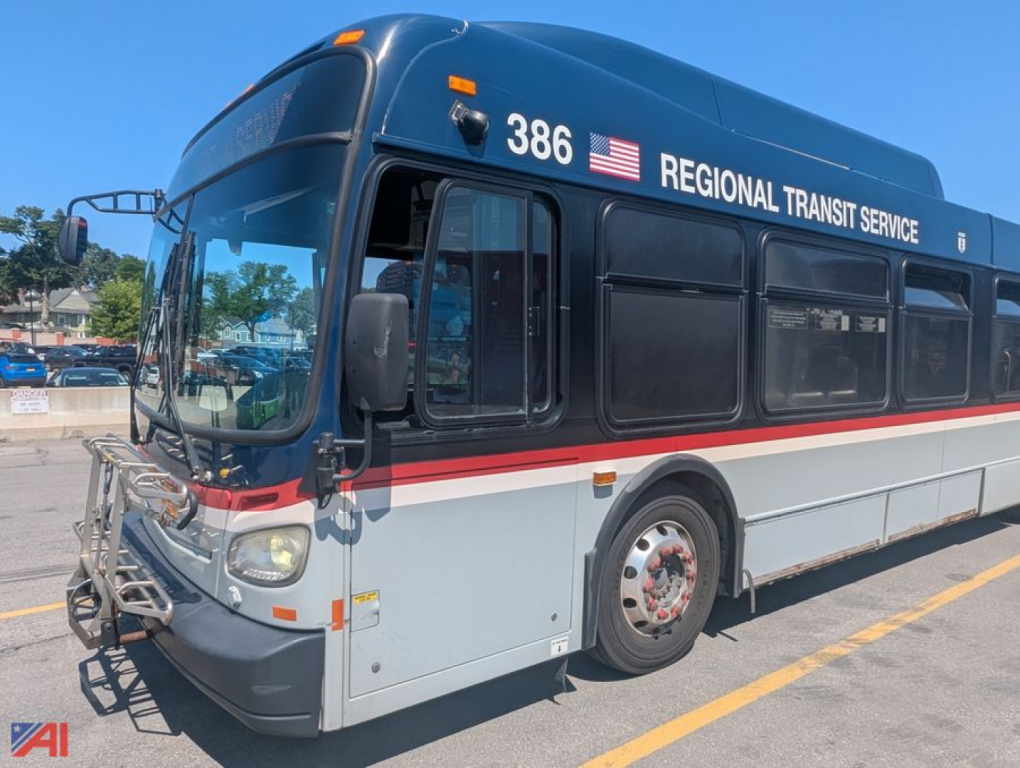
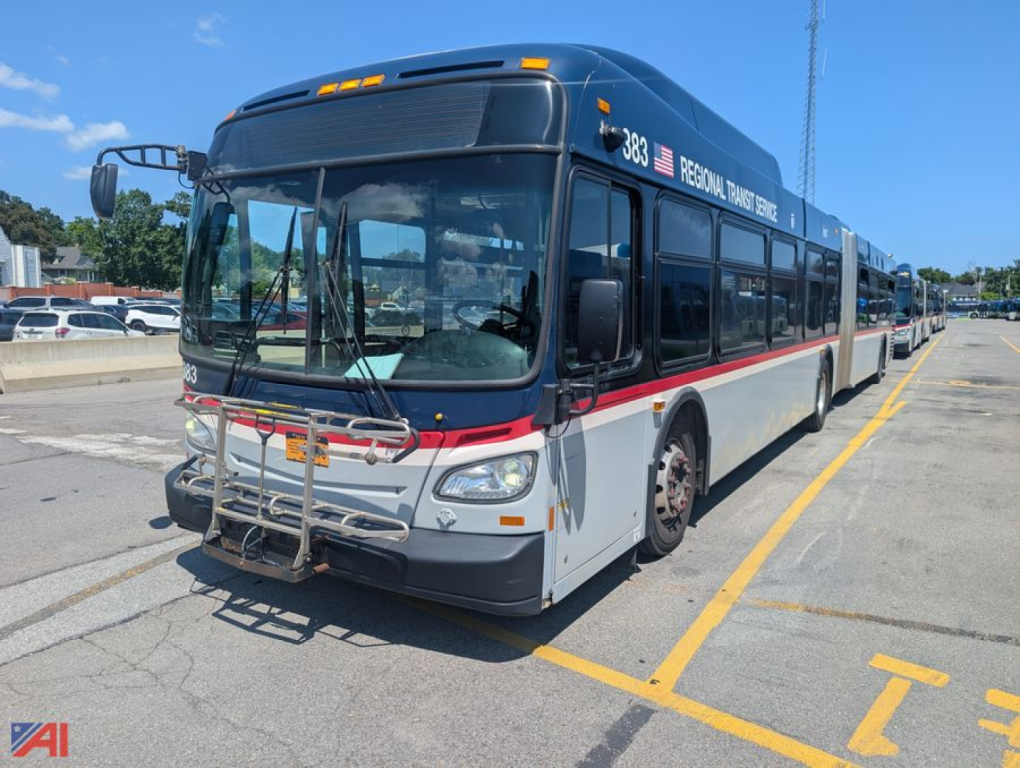
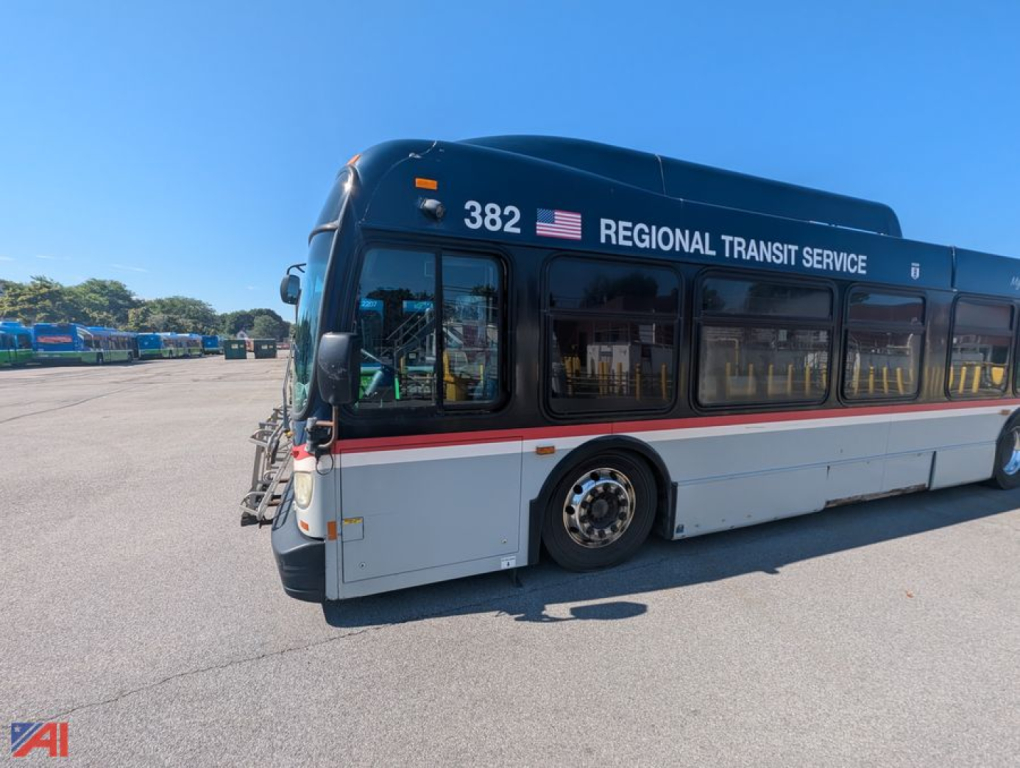
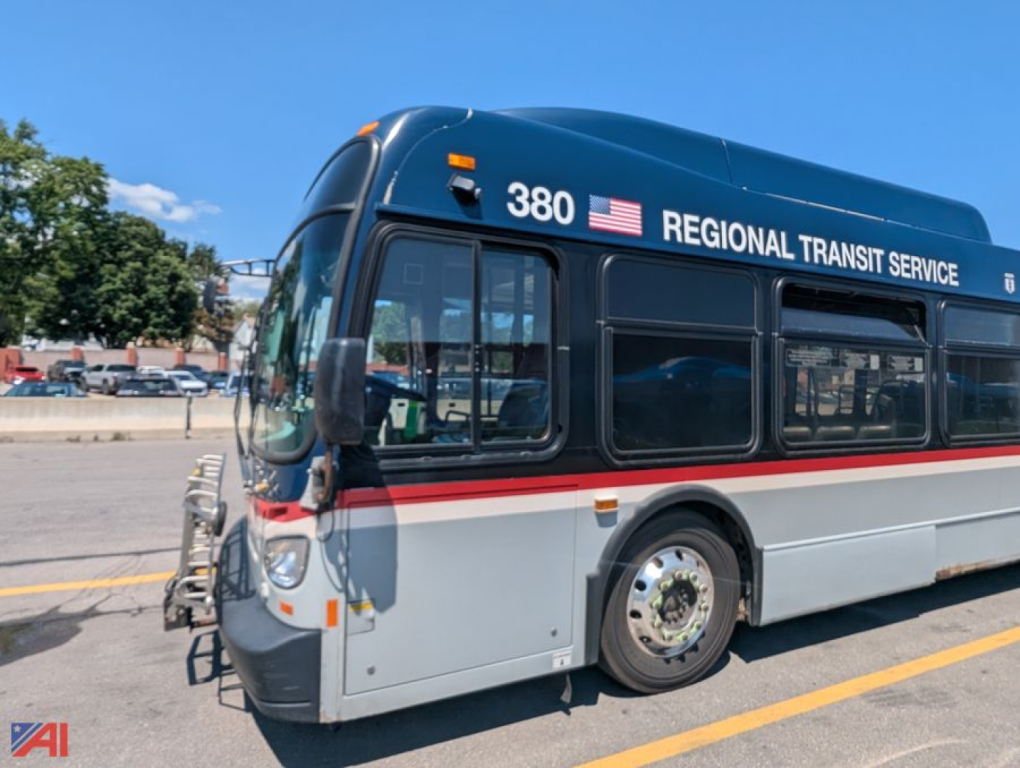
The first buying decision is usually body length, passenger capacity, and route type. A 60-foot articulated New Flyer bus offers significantly more capacity than a standard 40-foot transit bus, but it also brings route and facility constraints. Turning radius, lane width, yard space, lift access, wash bay size, and maintenance bay length all need to match the unit. Low-floor layouts improve ADA access and speed up boarding, while multiple wide passenger doors support urban stop-and-go service. On used units, articulation joint condition, suspension wear, door systems, wheelchair ramp operation, and corrosion around stepwells and lower body panels deserve close attention.
Powertrain and emissions spec are just as important as the body style. Many used New Flyer buses are equipped with diesel engines paired with automatic transmissions such as Allison units, though CNG and hybrid-electric configurations are also common in some fleets. Buyers should confirm engine make, transmission model, emissions equipment status, and parts support before purchase. Transit buses spend much of their life idling, accelerating, braking, and operating auxiliary systems, so service records matter more than odometer miles alone. Engine hours, transmission rebuild history, cooling system work, brake system maintenance, and HVAC performance can tell you far more about remaining service life than mileage by itself.
A used New Flyer bus can be a strong fit when the route profile matches the equipment. Transit seating layout, standee space, large windows, heavy-duty axles, and commercial-grade electrical systems are designed for repetitive daily service, not occasional passenger moves. That makes these buses especially attractive for operators replacing aging municipal units or adding route capacity at lower acquisition cost. Before buying, verify title status, passenger capacity rating, axle ratings, overall height, door configuration, and local compliance requirements for ADA, emissions, and state inspection standards. On articulated models like the XD60, it also pays to confirm parts availability for articulation components, steering and suspension systems, and any agency-specific equipment that may need to be removed or reconfigured.
Frequently Asked Questions about Used New Flyer Bus Trucks
What is a New Flyer XD60 bus typically used for?
The New Flyer XD60 is a 60-foot articulated transit bus built for high-capacity fixed-route service. It is commonly used by municipal transit agencies, universities, airports, and large campuses that need to move a high volume of passengers with frequent stops. Its low-floor design, multiple entry doors, and standee space make it better suited to urban circulation than charter or highway coach work.
What should I inspect first on a used New Flyer transit bus?
Start with service history, engine hours, emissions system status, transmission condition, and structural corrosion. On a transit bus, mileage alone does not tell the full story because these units often accumulate heavy idle time and repeated stop-and-go wear. Buyers should also inspect door operation, wheelchair ramp function, suspension components, brake wear, HVAC performance, electrical systems, and on articulated buses, the articulation joint and related hardware.
Are articulated New Flyer buses harder to maintain than standard transit buses?
Yes, articulated buses generally require more specialized maintenance than standard 40-foot buses. The articulation joint, added axle, longer chassis, and more complex steering and suspension systems create additional service points and parts costs. They also require facilities and technicians prepared to handle the extra length and component complexity, so buyers should confirm shop capability and parts sourcing before putting one into service.
Do used New Flyer buses work well for shuttle service?
They can work very well for shuttle service if the route involves frequent stops, high passenger turnover, and accessible boarding. Low-floor New Flyer buses are especially practical for airport loops, campus routes, employee transportation, and park-and-ride service. For longer-distance shuttle runs with fewer stops, some operators may prefer a coach-style bus with different seating, storage, and ride characteristics.
Why are engine hours important on a used transit bus?
Engine hours are critical because transit buses spend substantial time idling, loading passengers, running HVAC systems, and operating in low-speed duty cycles. A bus with moderate mileage can still have significant drivetrain and auxiliary system wear if it has accumulated high hours. Comparing mileage, hours, maintenance records, and major component repairs gives a much clearer picture of actual condition and expected remaining service life.