
Used New Flyer Bus Trucks For Sale in New York
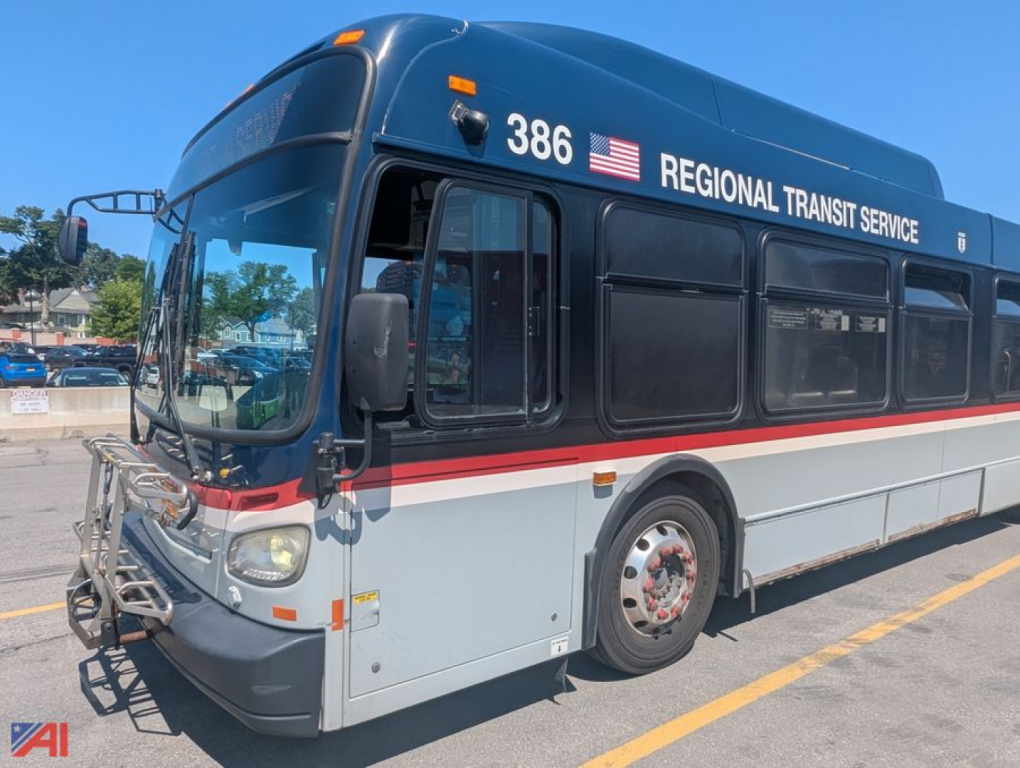
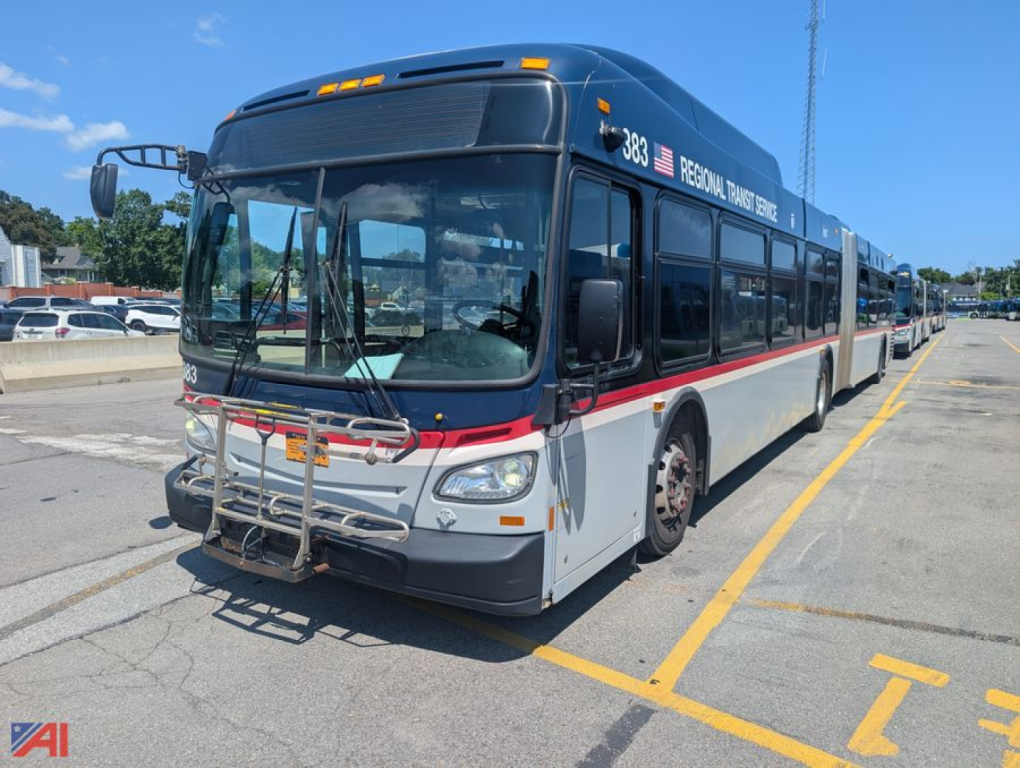
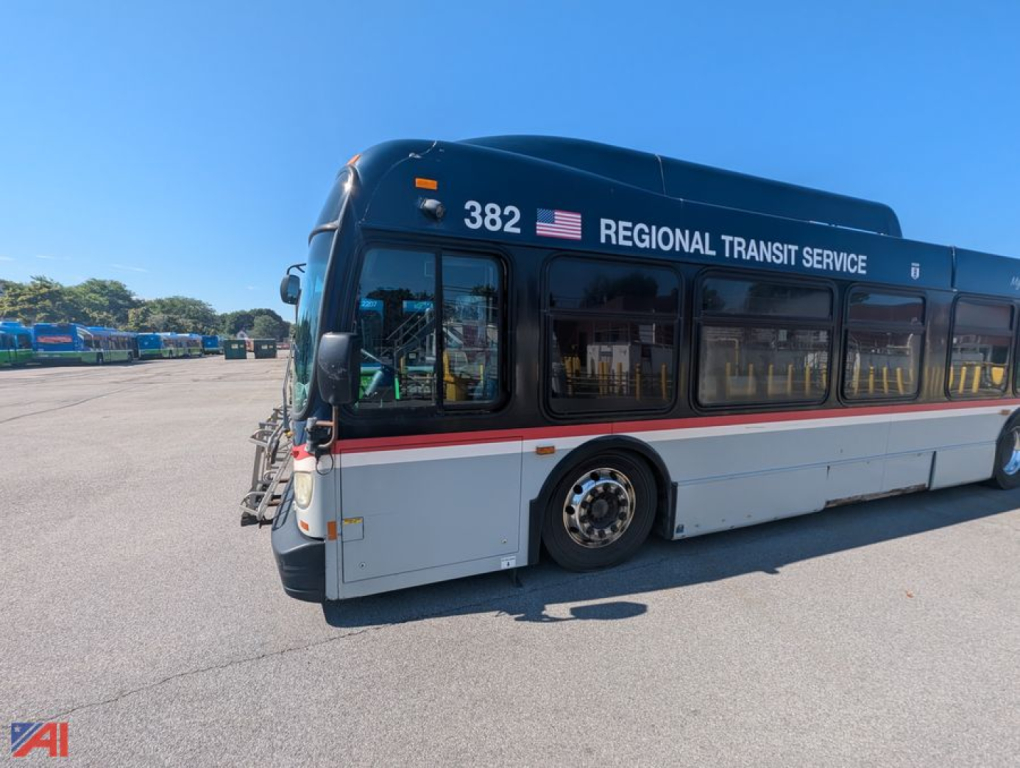
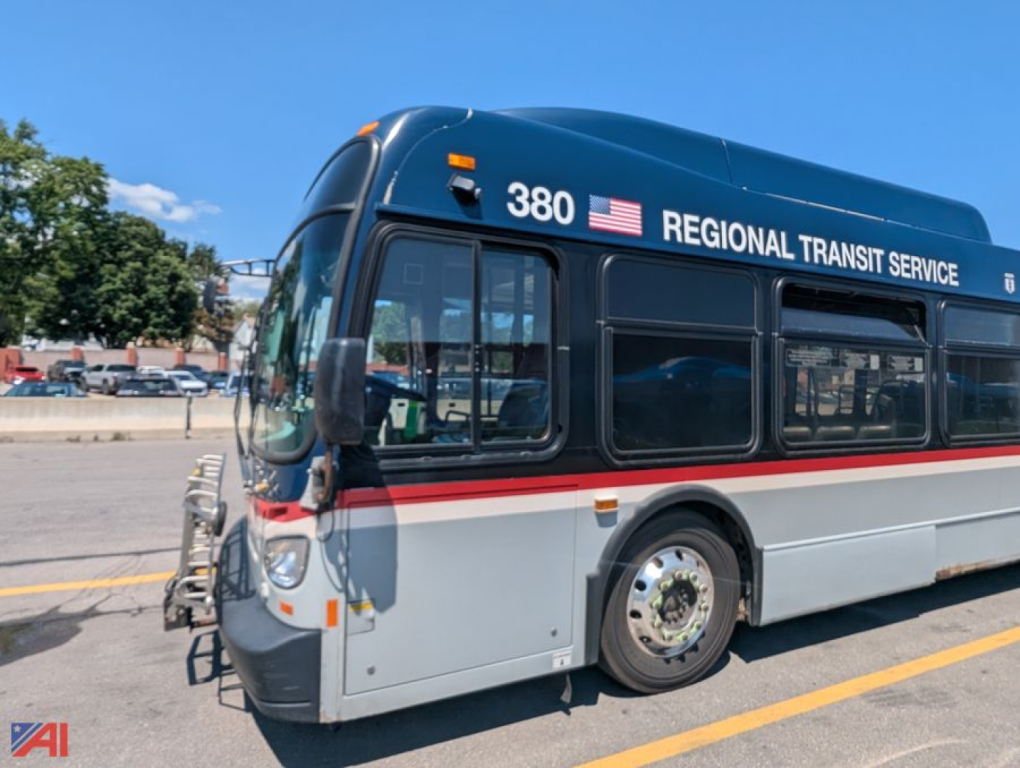
Have used new flyer bus truck to sell? List it here to reach thousands of buyers.
Used New Flyer Bus Trucks in New York
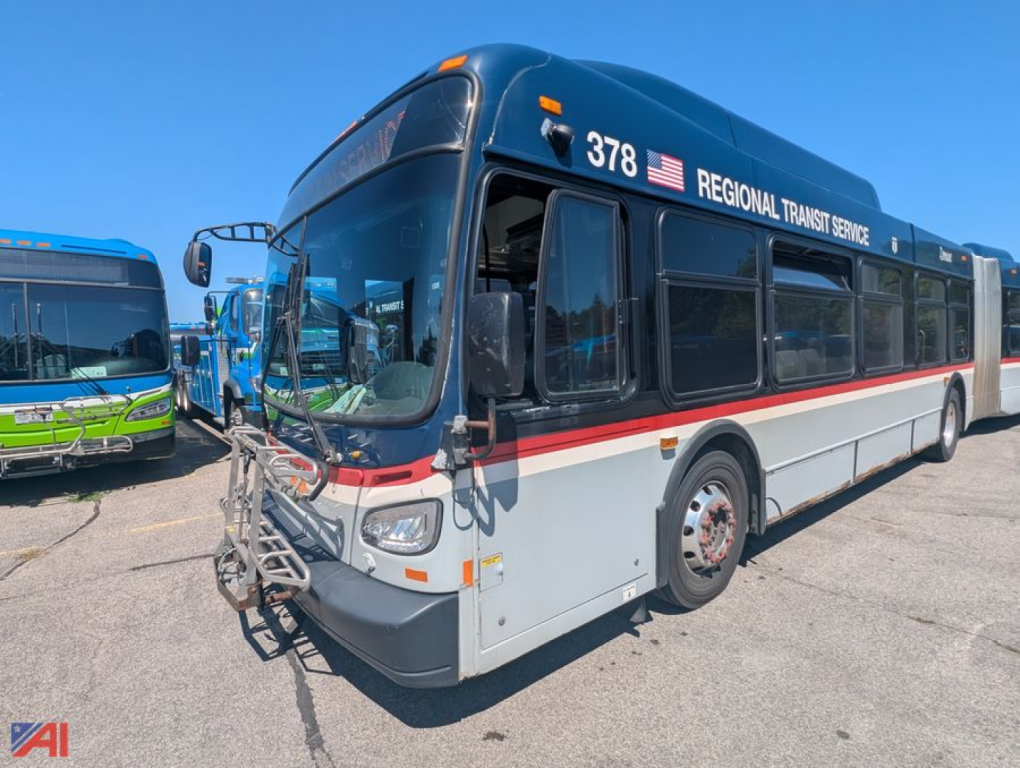
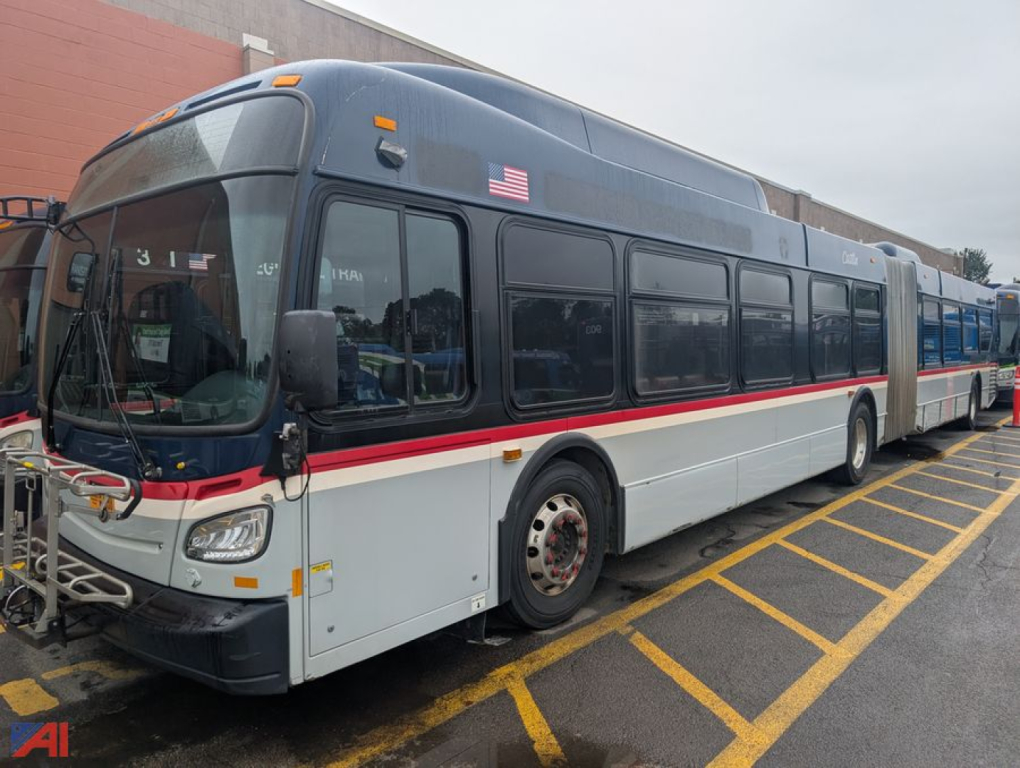
The first decision is usually route type and passenger volume. A 60-foot articulated bus delivers maximum standing room and door capacity, but it also requires enough turning radius, lane space, shop access, and driver familiarity to make sense operationally. A standard 40-foot New Flyer is often easier to deploy across mixed urban and suburban service. Most used New Flyer buses will have wide front and center boarding doors, kneeling suspension, wheelchair ramp or lift equipment depending on the generation, and layouts optimized for standees as much as seated passengers. Buyers should verify door configuration, seating count, articulation joint condition if applicable, and whether the bus was spec'd for BRT-style service, conventional fixed route work, or a campus or airport application.
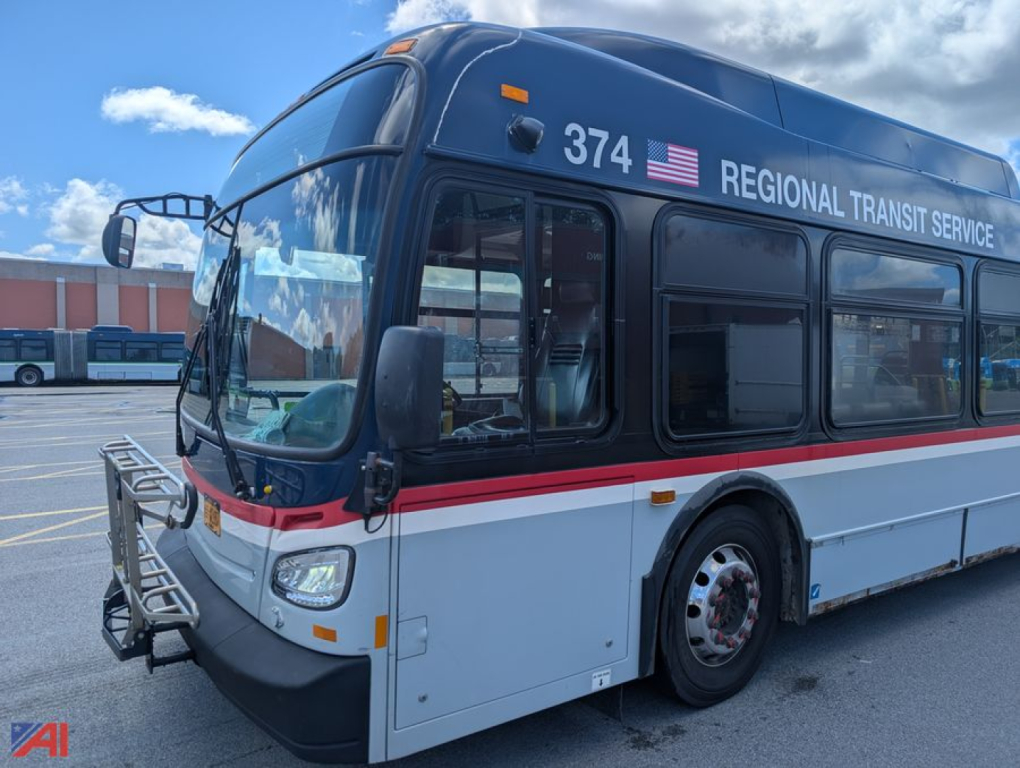
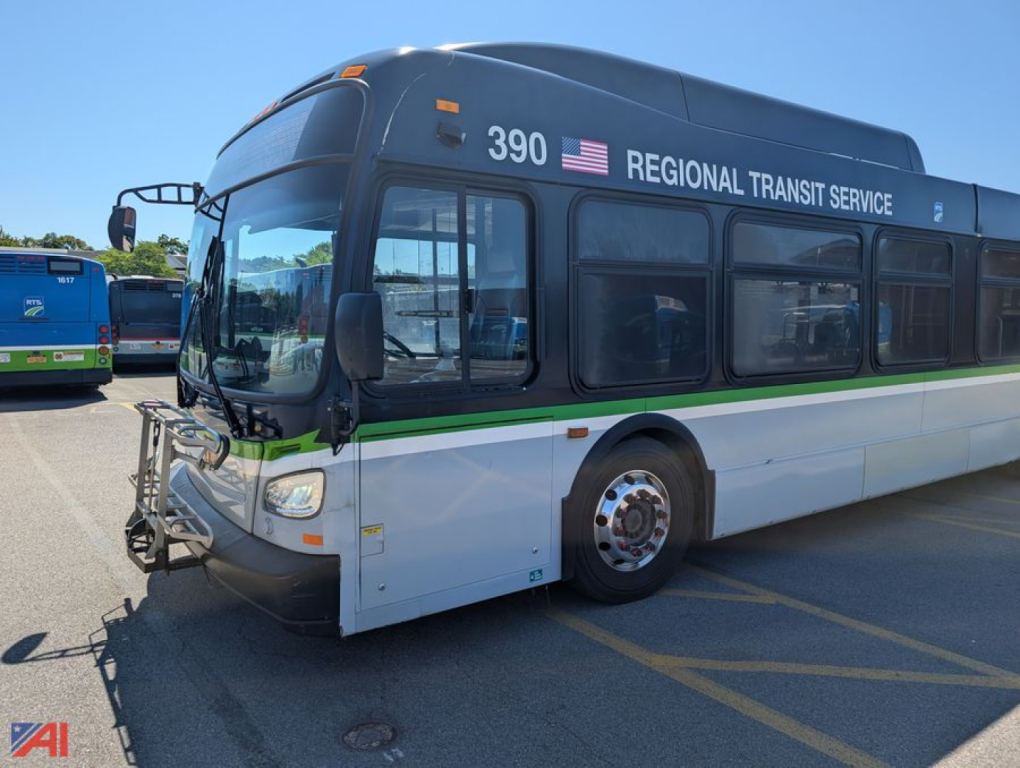
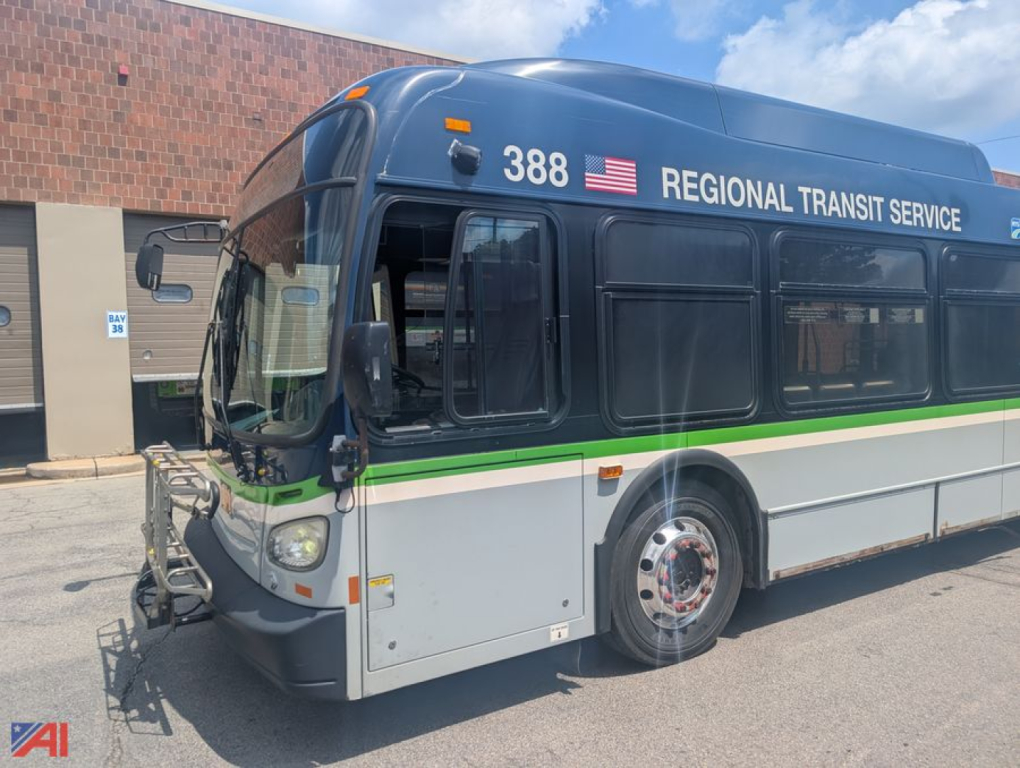
Powertrain and emissions spec deserve close attention on any used transit bus. New Flyer has produced diesel, CNG, hybrid, and battery-electric platforms across different model lines, so the badge alone does not tell the full story. On used diesel units, confirm engine family, transmission model, emissions equipment service history, and idle hours in addition to mileage. On CNG buses, tank age, roof-mounted fuel system inspection records, and remaining certification life are critical. If the bus came out of a public fleet in New York, it may have strong maintenance documentation, but buyers still need to check corrosion at body structure, stepwells, wheel housings, suspension mounting points, and underbody areas exposed to road salt. HVAC performance is another major issue in Northeast service, especially on full-size low-floor buses with large passenger compartments.
A used New Flyer bus can be a strong fit for transit agencies, private contractors, airport circulators, universities, employee transportation, and specialty passenger conversions where a heavy-duty platform is preferred. The advantage is service life and parts support on a proven transit design. The tradeoff is that these buses are purpose-built machines, with maintenance needs, diagnostic systems, and dimensional requirements that differ from school buses or cutaway shuttles. Buyers comparing listings should focus on propulsion type, length, parts availability, structural condition, accessibility equipment, and the quality of fleet retirement records. On a used New Flyer, the best value usually comes from matching the original transit specification to the exact route profile and service environment you plan to run.
Frequently Asked Questions about Used New Flyer Bus Trucks in New York
What should I look for first when buying a used New Flyer bus?
Start with the basics that determine operational fit: overall length, passenger capacity, propulsion type, door configuration, and accessibility equipment. Then move to maintenance records, structural corrosion, suspension condition, HVAC performance, and the status of major systems such as the engine, transmission, articulation joint on 60-foot models, or CNG tanks if equipped. A used transit bus can look serviceable cosmetically while still carrying high repair exposure in body structure, emissions systems, or passenger access components.
Are New Flyer buses good for anything other than city transit routes?
Yes, but they perform best when the buyer understands they were designed as heavy-duty transit platforms. They can work well for airport shuttles, university routes, employee transportation, park-and-ride service, event circulators, and some specialty passenger conversions. Their low-floor layout, wide doors, and durable structure are advantages in high-boarding environments, but they are generally less suited to applications that need underfloor luggage space, highway coach-style ride quality, or simple light-duty maintenance.
Is a 60-foot New Flyer articulated bus practical for all fleets?
Not always. A 60-foot articulated bus offers excellent passenger flow and capacity, but it demands the right route geometry, adequate storage space, qualified technicians, and drivers familiar with articulated handling. Buyers should confirm turning clearance, shop bay length, articulation joint condition, and parts access before committing. For many operations, a 40-foot bus is easier to schedule, park, and maintain while still covering a broad range of passenger demand.
What matters most on a used New Flyer bus in New York?
Corrosion exposure and cold-weather system performance are major concerns in New York. Road salt can affect underbody structure, suspension attachment areas, electrical connections, brake lines, and compartment hardware. Buyers should also check heating and defrost performance, door operation in winter conditions, and the condition of flooring around entry areas. A bus that came from a municipal or regional fleet may have consistent maintenance history, but a physical inspection is still essential because Northeast operating conditions are hard on transit equipment.
Do New Flyer model names like XD60 tell you the full spec of the bus?
No. A model designation helps identify the platform, approximate length class, and sometimes the propulsion family, but it does not replace a full build sheet or fleet spec review. Two buses with the same model name can differ in seating layout, axle configuration, door setup, ramp type, HVAC package, and drivetrain details. Buyers should confirm VIN-specific specifications, not rely only on the model badge shown in a listing.