
Used 2013 New Flyer Bus Trucks For Sale
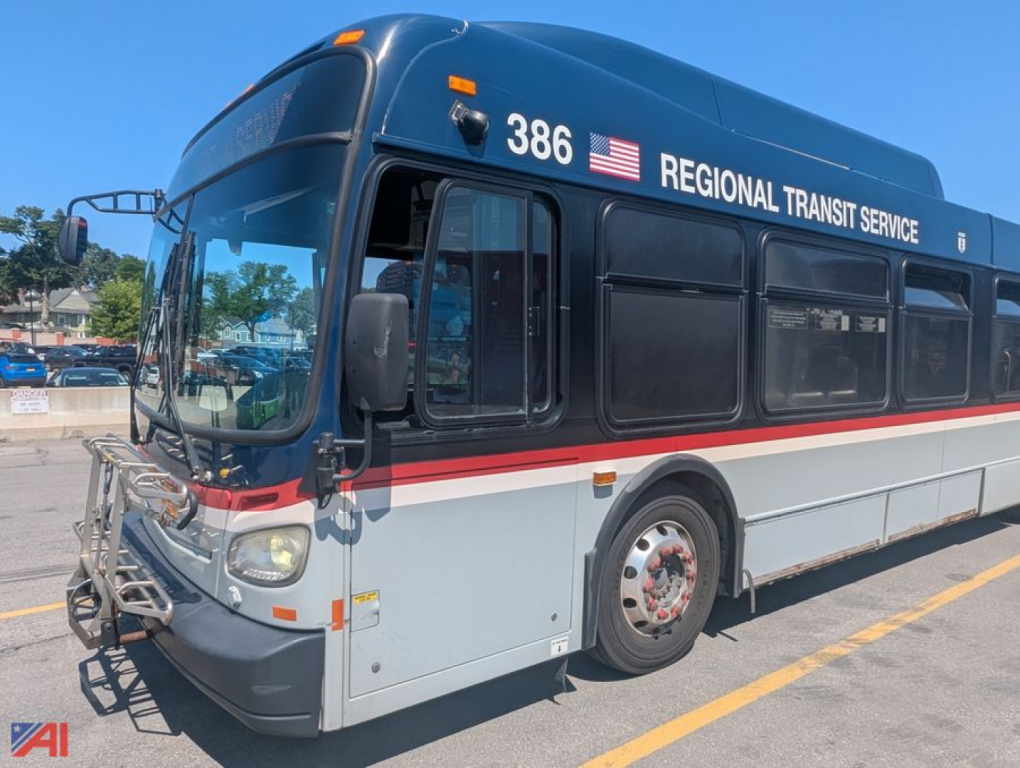
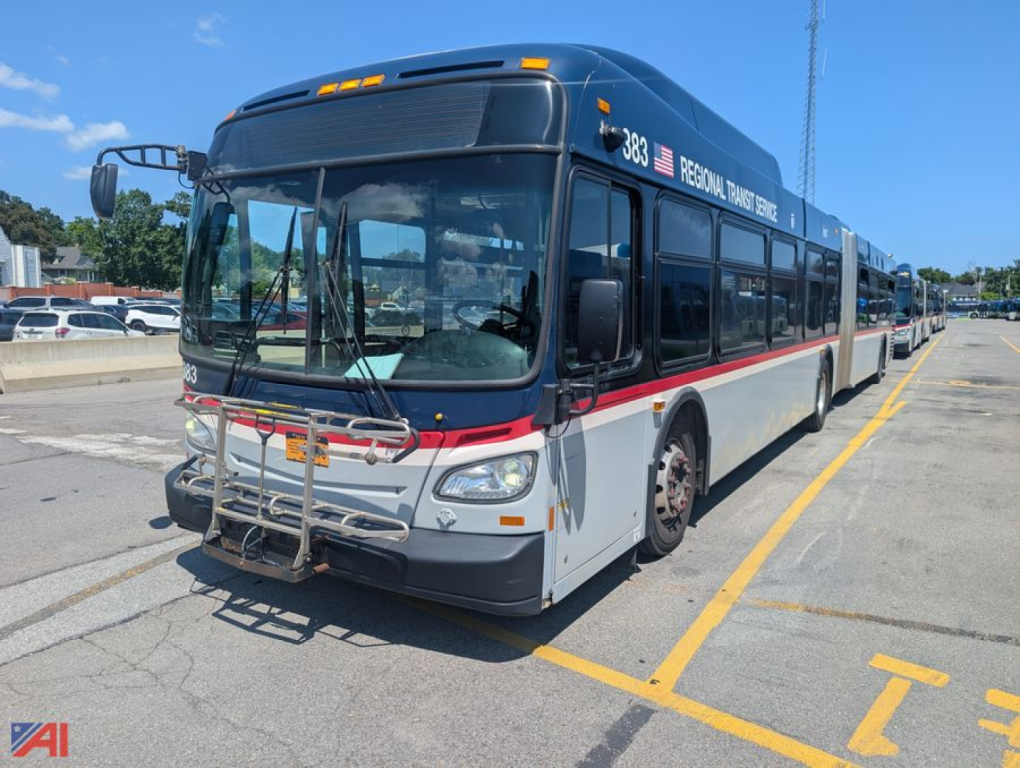
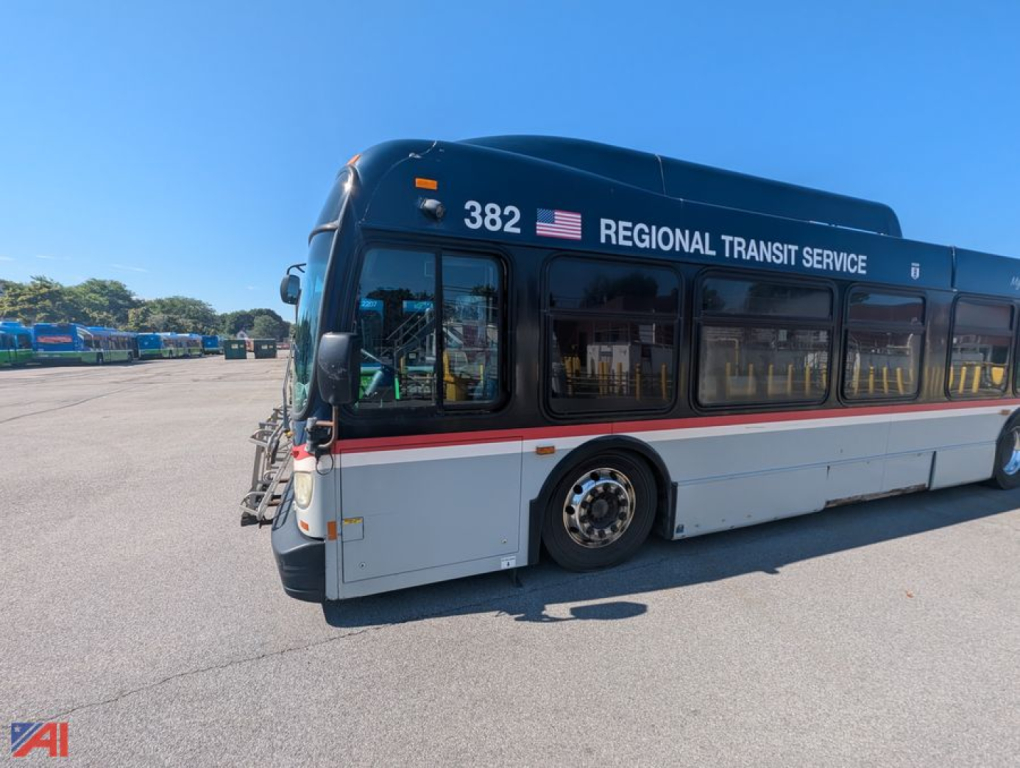
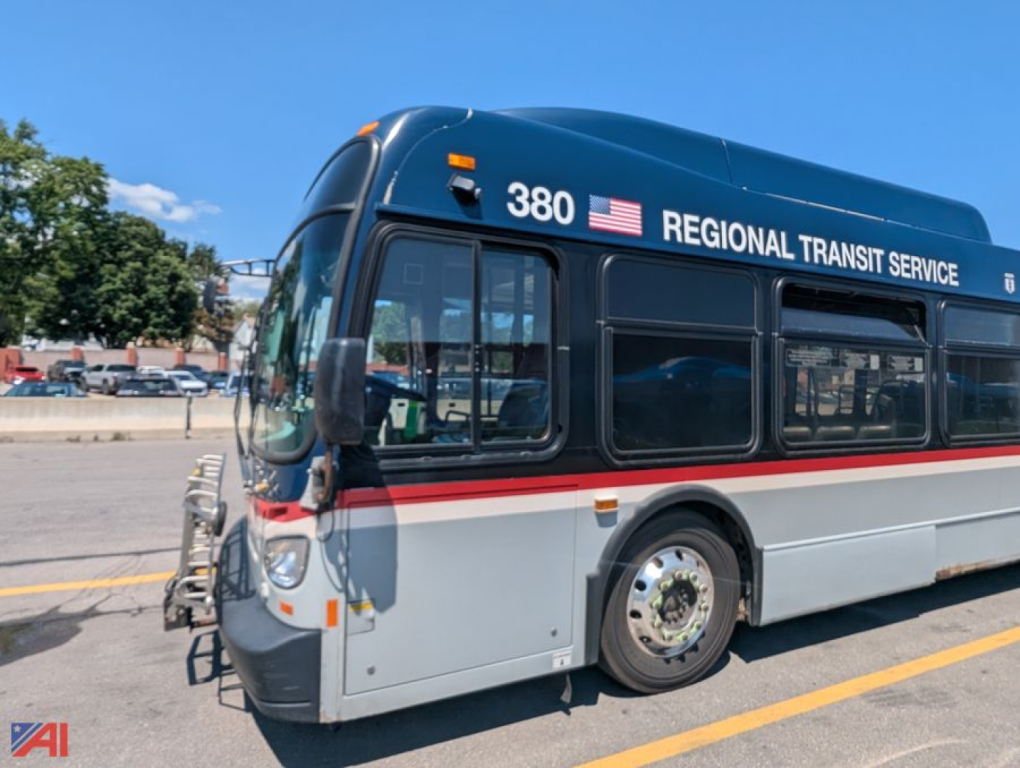
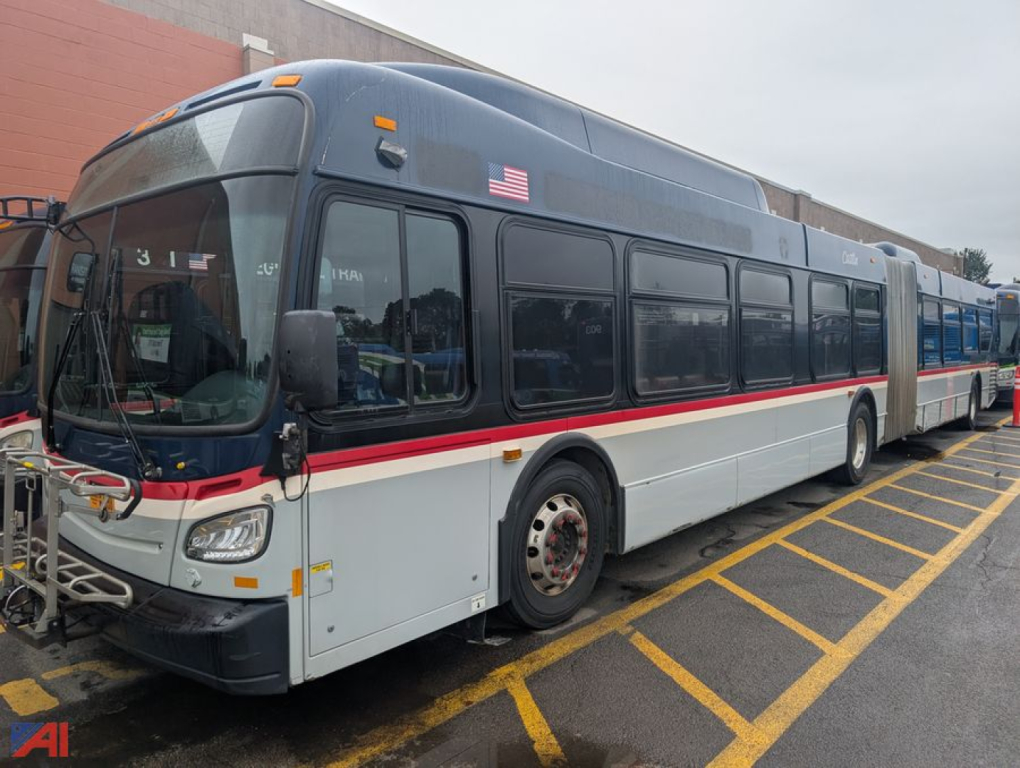
Have used 2013 new flyer bus truck to sell? List it here to reach thousands of buyers.
Used 2013 New Flyer Bus Trucks
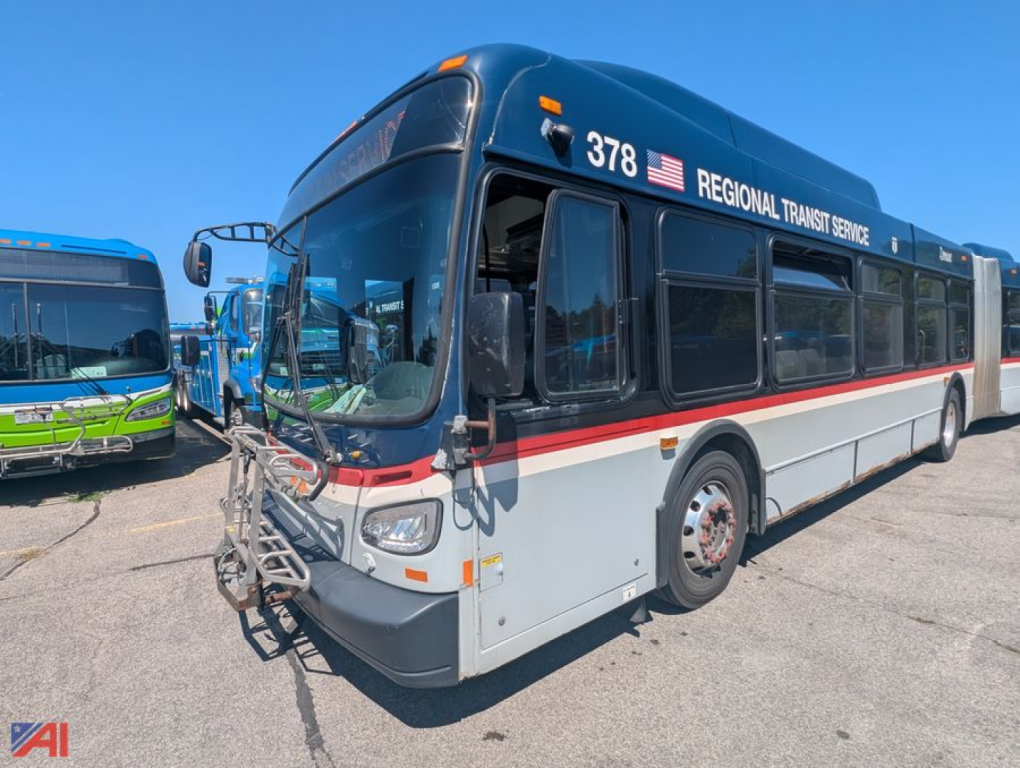
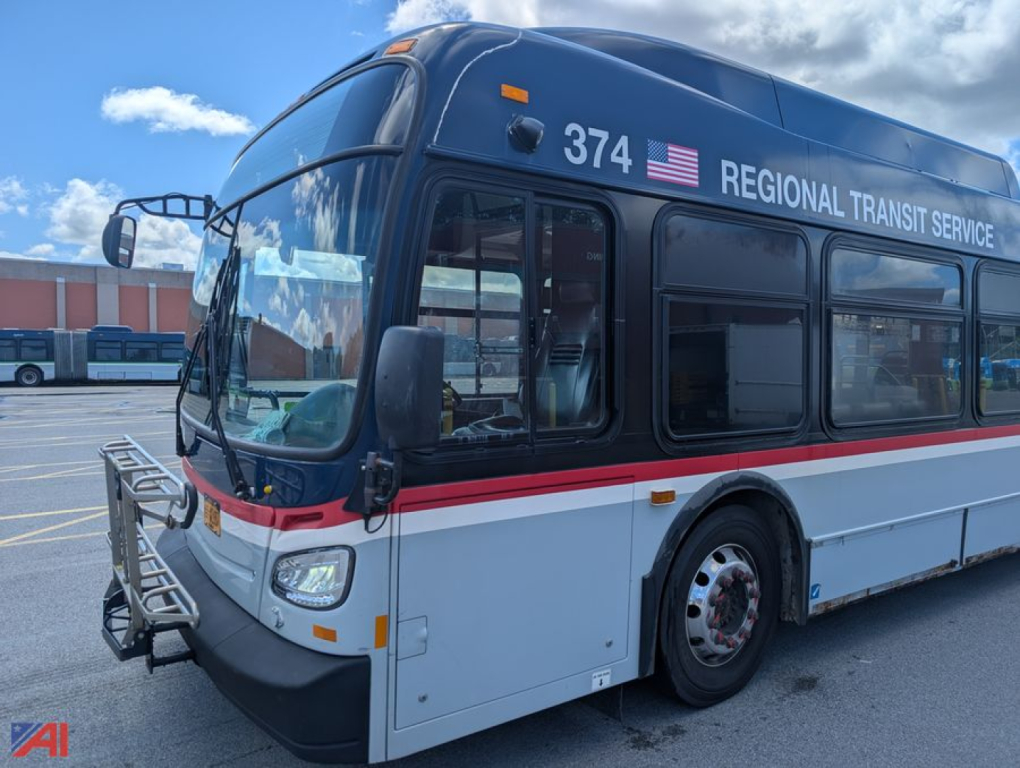
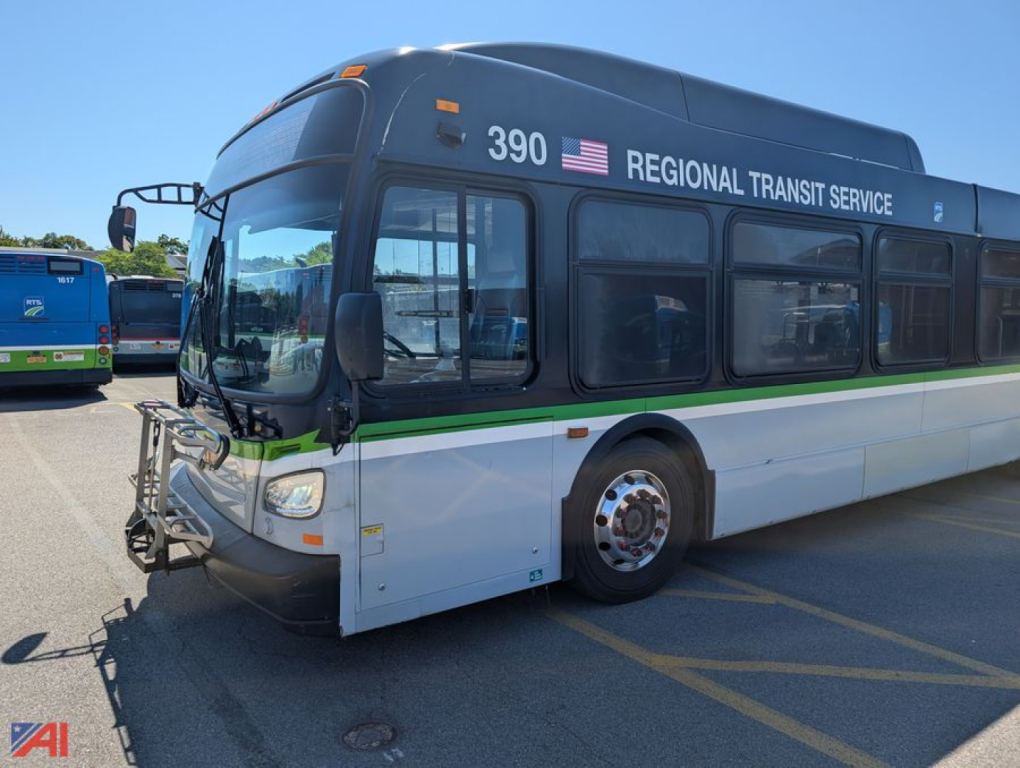
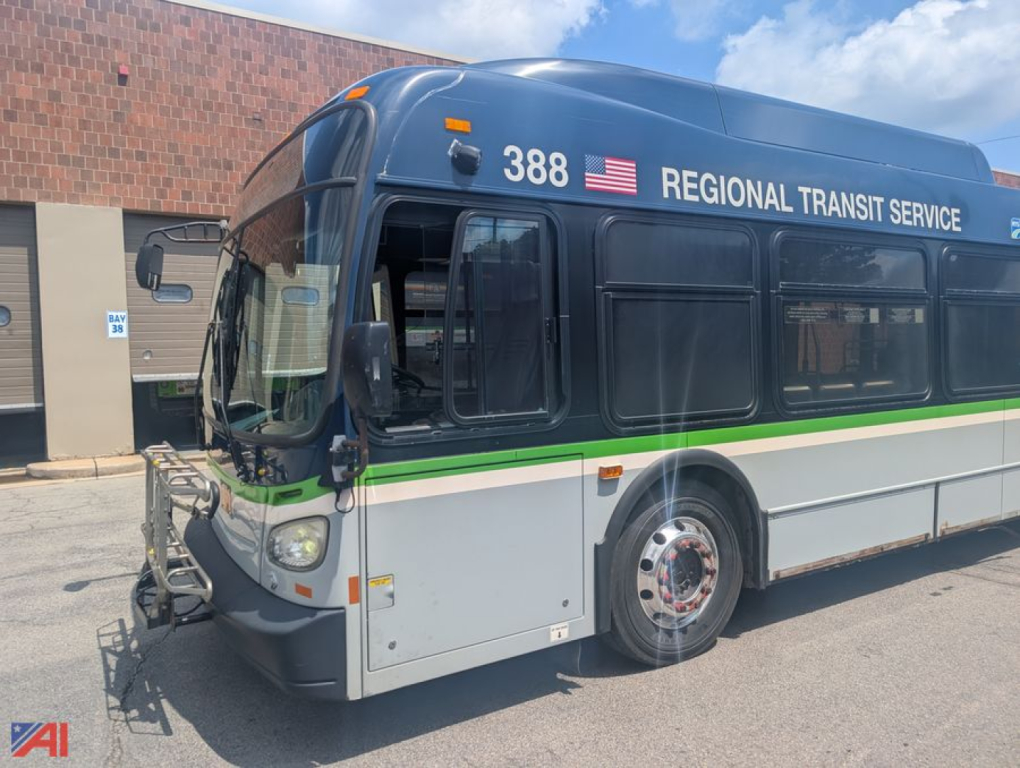
The first decision is usually route fit. A 2013 New Flyer articulated bus, also called a 60-foot transit bus, offers significantly more passenger capacity than a standard 35-foot or 40-foot coach, but it also requires enough turning room, proper maintenance support, and a use case that justifies the size. Low-floor layouts speed boarding and improve ADA access, which is a major advantage for public transit and shuttle operations. Buyers should confirm door configuration, wheelchair ramp operation, seating layout, standee space, and whether the bus was originally spec'd for inner-city circulation or longer suburban runs. If the unit came out of municipal service, it may already have transit-specific equipment such as destination sign systems, surveillance hardware, and passenger information components.
On a used 2013 New Flyer bus, condition matters more than odometer reading alone because these units spend much of their life idling, cycling doors, kneeling, and operating auxiliary systems. Service records are especially important for the engine, transmission, cooling system, articulation joint if equipped, suspension, brakes, and HVAC. Transit buses in this class often use heavy-duty diesel drivetrains paired with automatic transmissions, and many were maintained on strict public fleet schedules. That can be a plus, but buyers should still inspect for corrosion, frame condition, floor structure, air system leaks, multiplex electrical issues, and wear in high-cycle components like doors, ramps, and steering linkages. Emissions equipment from this model year should also be evaluated carefully, particularly if the bus will be returned to daily route service.
A 2013 New Flyer bus can make sense for transit agencies, contractors, airports, colleges, employee shuttle operators, and organizations repurposing high-capacity buses for special transport needs. The value is usually in the platform itself: rugged chassis design, wide passenger doors, easy boarding, and parts familiarity across large fleets. The right unit is the one that matches local route geometry, passenger load, maintenance capability, and compliance requirements. Buyers comparing listings should focus on drivetrain spec, structural condition, accessibility equipment, and evidence of consistent fleet maintenance before putting too much weight on paint, decals, or other cosmetic transit-service leftovers.
Frequently Asked Questions about Used 2013 New Flyer Bus Trucks
What is a 2013 New Flyer XD60 bus typically used for?
A 2013 New Flyer XD60 is typically used for high-capacity public transit, university shuttle routes, airport transportation, and other fixed-route applications that need fast boarding and heavy passenger volume. The XD60 is an articulated 60-foot transit bus, so it is best suited for dense urban or institutional service where a standard bus would not carry enough riders efficiently.
What should I inspect first on a used 2013 New Flyer bus?
Start with maintenance history, drivetrain condition, structural integrity, and accessibility systems. On a transit bus, high-cycle items such as passenger doors, wheelchair ramps, kneeling suspension components, HVAC, brakes, and steering systems can tell you a lot about how the bus was cared for. If the bus is articulated, the center joint and related components should be inspected closely for wear, leaks, and service history.
Are used New Flyer transit buses good for shuttle conversion or private fleet use?
They can be, especially for airports, campuses, industrial sites, and contractor-operated shuttle routes that need durable, high-capacity equipment. Buyers should confirm that the route environment fits the bus length, passenger flow, and turning radius. A transit bus is designed differently than a highway coach, so it excels in stop-and-go service but may not be ideal for long-distance comfort-focused transportation without modification.
How important are service records on a 2013 New Flyer bus?
Service records are critical because a transit bus may accumulate wear through idle hours, frequent stops, door cycles, and auxiliary system use that are not obvious from mileage alone. Fleet maintenance documentation can help verify engine work, transmission service, emissions repairs, cooling system upkeep, brake work, suspension maintenance, and any structural or electrical repairs. On public fleet equipment, documented maintenance often adds real value.
Do 2013 New Flyer buses usually have ADA-friendly features?
Many do, especially low-floor transit models built for city or regional service. Common ADA-related equipment includes a wheelchair ramp or lift, kneeling suspension, wide entry doors, and designated mobility device securement areas. Buyers should test these systems directly because compliance-related equipment can be expensive to repair and is essential if the bus will stay in passenger service.