
Used Bus Trucks For Sale
Browse used bus trucks including shuttle, school, and transit-style buses with common specs, seating ranges, drivetrain details, and buyer tips.
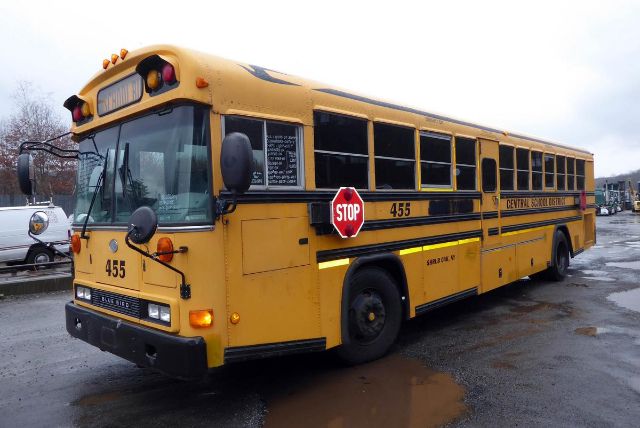
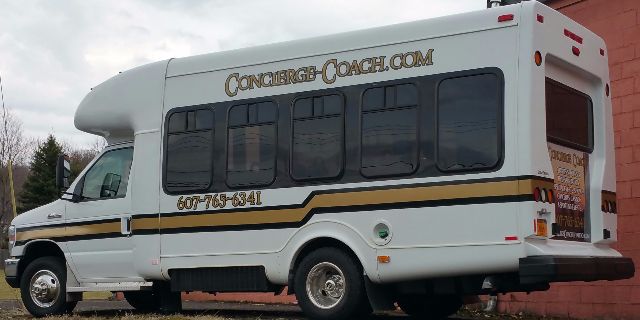
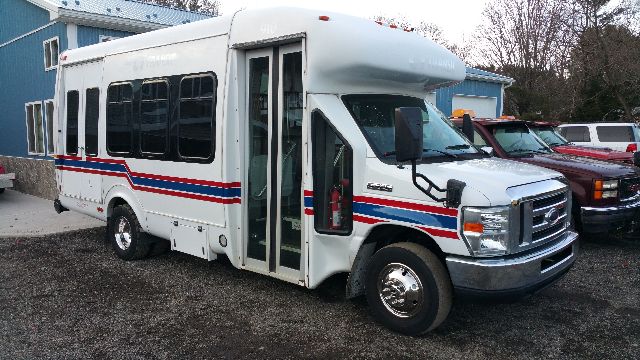
Selling a used bus truck? List your used bus truck for sale and reach thousands of commercial buyers.
Used Bus Trucks
Chassis, engine, and brake type matter more on a used bus than cosmetic condition. Common powertrains in this category include Ford Power Stroke diesel, Cummins ISB or ISC series engines, Caterpillar C7 engines, and Allison automatic transmissions such as the 2000 or 3000 series. Buyers should compare GVWR, axle ratings, wheelbase, and overall length because those numbers affect passenger capacity, turning radius, licensing, and maintenance cost. Many full-size units run 11R22.5 tires, air or spring suspension, and either air brakes or hydraulic brakes. Cutaway buses often sit in the 14,000 to 19,500 GVWR range, while conventional and transit-style buses commonly run around 29,000 to 34,000 GVWR or more.
Interior configuration is just as important as drivetrain. Seating layouts can range from a dozen passengers in a shuttle bus to 65 to 75 children in a school bus body, and ADA equipment can change usable capacity significantly. Wheelchair lifts, tie-down positions, dual HVAC systems, backup alarms, heated mirrors, and upgraded audio or video systems are common on used passenger buses. For commercial service, buyers should confirm door operation, lift function, warning systems, heater performance, air conditioning output, and any signs of water intrusion around roof seams or window frames. On school bus and transit-style units, pay close attention to floor condition, seat track integrity, and the operation of emergency exits.
A strong used bus truck is defined by service history, chassis condition, and legal fit for the intended route, not just low miles. Engine hours, idle time, corrosion, brake type, rear gear ratio, and state or local compliance requirements all deserve a close review. Some retired school buses have excellent driveline life left but may need decommissioning or repainting before private or commercial reuse. Others are best suited for parts, storage conversion, or specialty projects if they have speed limiter issues, electrical faults, or body corrosion. Buyers comparing listings should focus on passenger count, accessibility equipment, brake system, drivetrain parts support, and the cost of bringing the bus into the exact service the route demands.
Frequently Asked Questions about Used Bus Trucks
What is the difference between a shuttle bus and a full-size bus truck?
A shuttle bus is usually built on a cutaway chassis such as a Ford E-Series or similar platform, with a smaller body, lower GVWR, and lower passenger count. A full-size bus truck uses a medium-duty bus chassis with heavier axles, larger brakes, larger tires, and much greater seating capacity. Shuttle buses are typically easier to park, operate, and service in urban or private fleet use, while full-size buses are better for school routes, municipal work, and larger group transport.
What should I check first when buying a used bus?
Start with the drivetrain, brake system, and service records. Confirm engine model, transmission model, mileage, engine hours, GVWR, brake type, and any known electrical or speed-related faults. After that, inspect rust, underbody condition, suspension wear, tire age, lift operation if equipped, HVAC performance, and signs of leaks around windows or the roof. On passenger equipment, interior condition and safety systems matter because deferred repairs in those areas can add up quickly.
Are air brakes better than hydraulic brakes on a used bus truck?
Air brakes are common on larger buses and generally make sense for higher GVWR applications because they are designed for heavier service and repeated stop cycles. Hydraulic brakes are often found on smaller or older buses and can still be perfectly suitable, especially on lower-capacity units. The better choice depends on the bus size, route demands, and technician support available to the fleet. The most important factor on a used unit is overall brake condition, not just the system type.
How many passengers can a used bus typically carry?
Passenger capacity varies widely by body style and seating layout. Small shuttle buses may seat around 10 to 20 passengers, sometimes with reduced seating when wheelchair positions are included. Full-size school buses commonly seat 65 to 75 children, while adult seating capacity is lower because adults require more space per seat. Buyers should verify both seated capacity and the impact of ADA equipment, luggage needs, or route-specific requirements before making a decision.
Why do engine hours matter on a used bus if the mileage looks low?
Engine hours are important because many buses spend long periods idling during loading, unloading, climate control operation, or route staging. A bus with modest mileage can still show significant engine wear if it has accumulated high idle hours. Comparing mileage with engine hours gives a better picture of true use, especially on school, shuttle, and transit applications where stop-and-go operation is common. This helps buyers judge remaining service life more accurately.