
Used International Bus Trucks For Sale
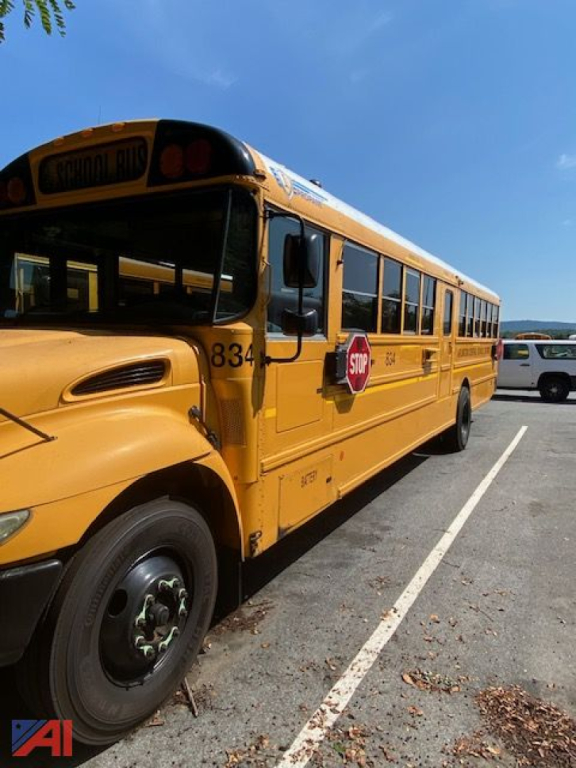
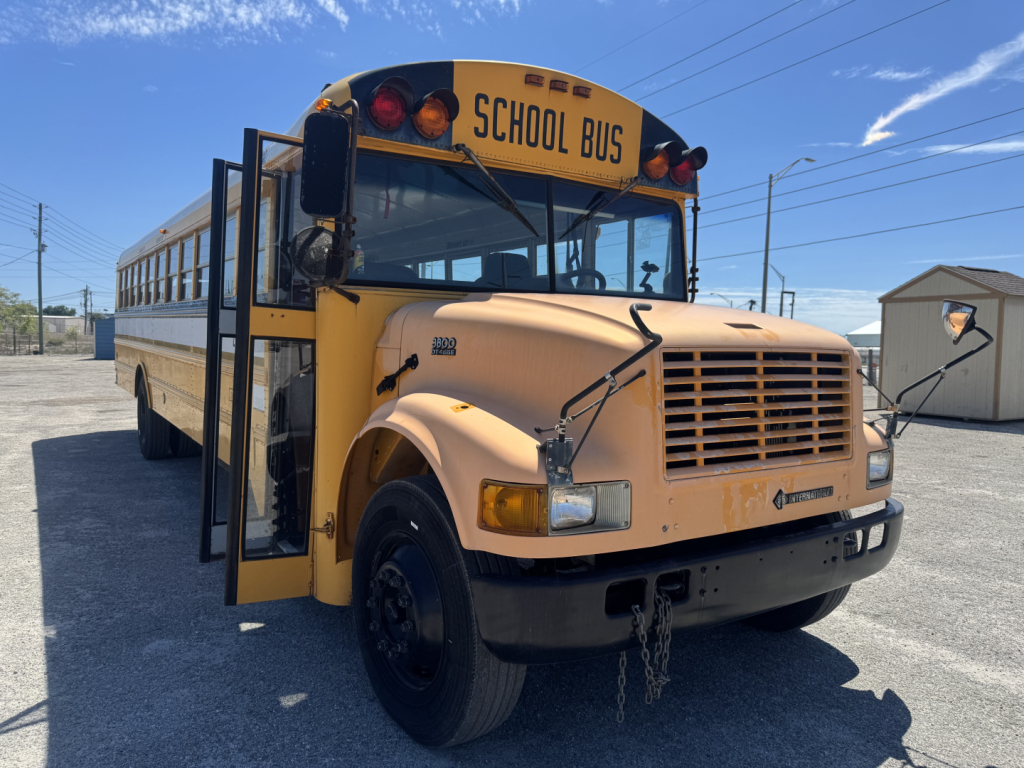
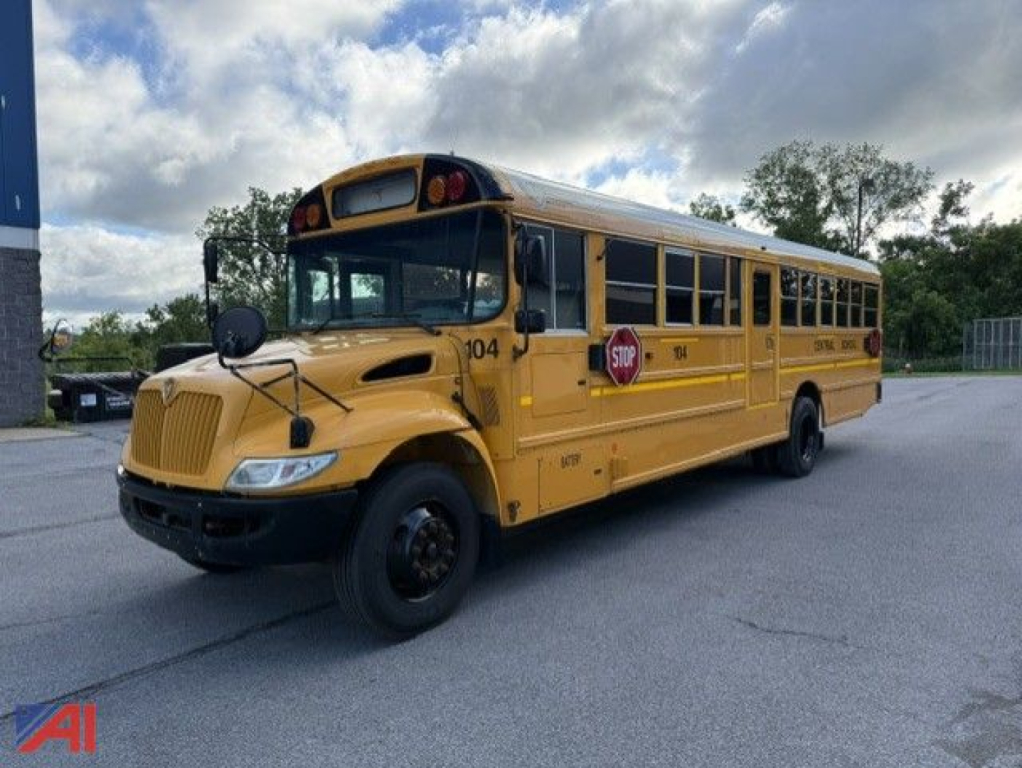
Have used international bus truck to sell? List it here to reach thousands of buyers.
Used International Bus Trucks
A buyer should pay close attention to engine generation, emissions system complexity, and service history. Older DT466 and DT466E-powered buses are well regarded for durability and mechanical familiarity, while later MaxxForce-equipped units can offer solid performance but deserve careful review of EGR-related maintenance, cooling system condition, and fault history. Transmission behavior matters just as much as engine health on a route bus, so shift quality, retarder operation if equipped, and fluid service records are worth confirming. Rear axle ratio, often in the low 5s on school bus specs, has a direct effect on launch performance and highway cruising speed, which is important if the bus will be repurposed beyond local routes.
Chassis details separate one used International bus from another. Wheelbase, suspension type, axle ratings, tire size, steering column adjustment, and brake configuration all affect how the unit fits its next job. Many school bus units ride on spring suspension and 22.5-inch rubber, which keeps replacement parts common and maintenance predictable. Buyers converting a bus for private transport, church use, work crew hauling, or specialty applications should verify floor condition, body corrosion, underbody rust, window and emergency exit compliance, heater operation, and the condition of the electrical system. If the bus is still in school configuration, crossing equipment, warning lights, and seat layout may also factor into conversion cost and regulatory requirements.
International bus trucks tend to make sense for operators who want a conventional bus with familiar medium-duty running gear rather than a more specialized platform. The strongest used candidates usually show consistent preventive maintenance, clean startup and idle behavior, minimal blow-by, solid brake life, and a body structure that has not been compromised by rust around step wells, skirt panels, or roof seams. For buyers comparing multiple listings, the best value is rarely just the lowest price. It is the bus with the right passenger capacity, axle and wheelbase spec, drivetrain history, and body condition for the intended route or conversion plan.
Frequently Asked Questions about Used International Bus Trucks
What engines are common in used International bus trucks?
Used International bus trucks commonly appear with DT466, DT466E, and MaxxForce DT diesel engines. The DT466 family is popular because it is widely known in the medium-duty market and supported by a broad service network. Buyers should match the engine generation to their maintenance capabilities, emissions tolerance, and intended route profile.
What should I inspect first on a used International school bus?
Start with maintenance records, engine cold-start behavior, transmission shift quality, brake condition, tire age, and visible rust. On the body, inspect step wells, floor structure, underbody crossmembers, skirt panels, and roof seams because corrosion in those areas can turn a low-priced bus into an expensive rebuild. Also verify that all electrical functions, heaters, warning systems, and emergency exits operate correctly.
Are International bus trucks good candidates for shuttle or conversion use?
They can be, especially conventional school bus models built on proven medium-duty chassis. The appeal is usually the simple serviceability, common drivetrain components, and strong parts support. Before conversion, confirm passenger capacity needs, state title and registration rules, seat removal requirements, and whether the axle ratio and wheelbase fit the planned operating speed and payload.
How important is rear axle ratio on an International bus truck?
Rear axle ratio has a major effect on how the bus performs. A lower ratio such as a 5.xx setup helps with launch, low-speed route work, and frequent stops, but it can keep engine rpm higher at highway speed. Buyers planning longer road trips, shuttle runs, or non-school use should make sure the ratio works with the transmission and tire size for their target cruising speed.
What transmission is typically found in these buses?
Many used International bus trucks are equipped with Allison automatic transmissions, which are common in pupil transport and commercial passenger applications. Allison automatics are favored for their ease of operation in stop-and-go service and broad service support. As with any used automatic, buyers should confirm fluid service intervals, check for harsh or delayed shifts, and scan for active or stored transmission faults.