
Used International Bus Trucks For Sale in New York
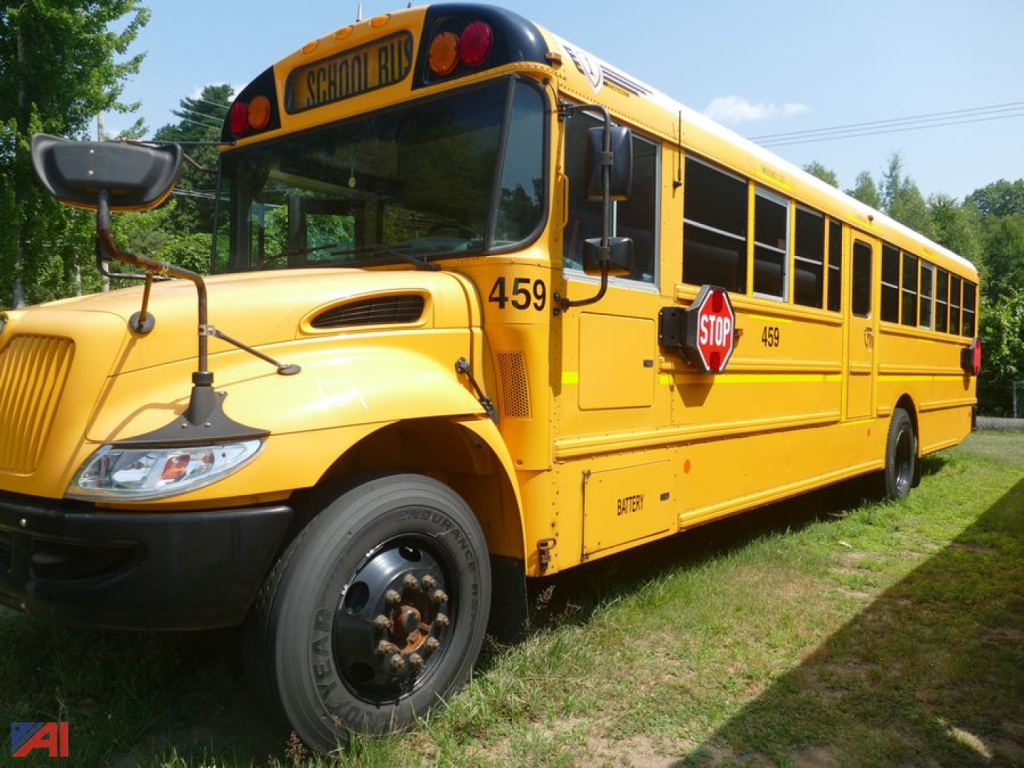
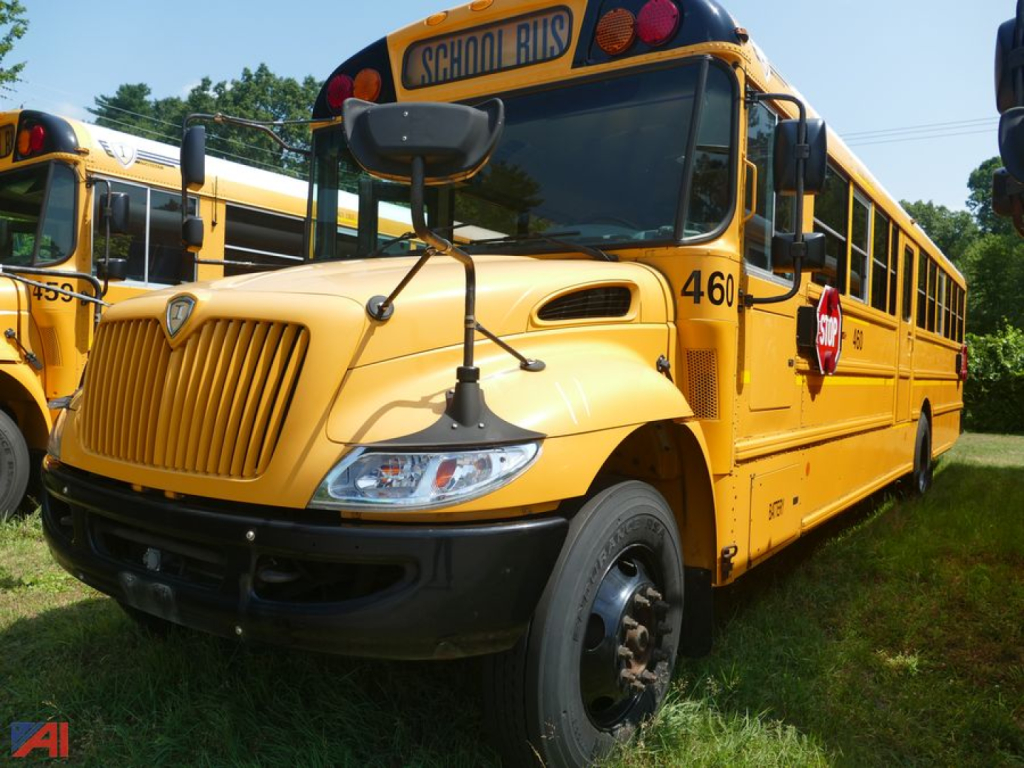
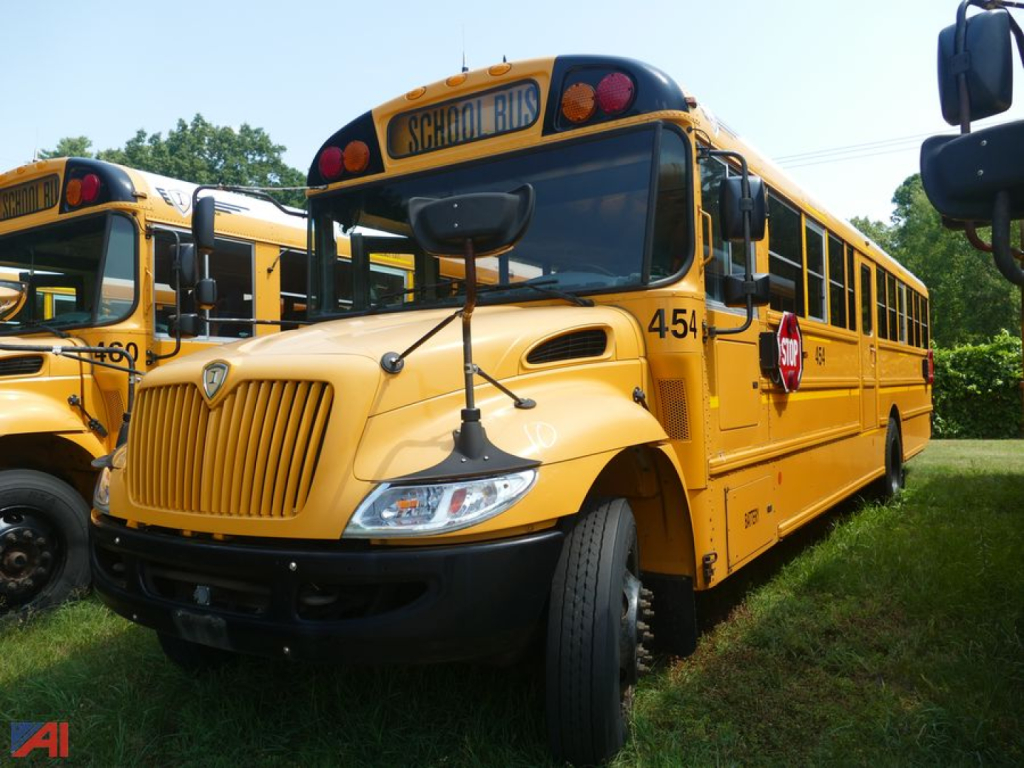
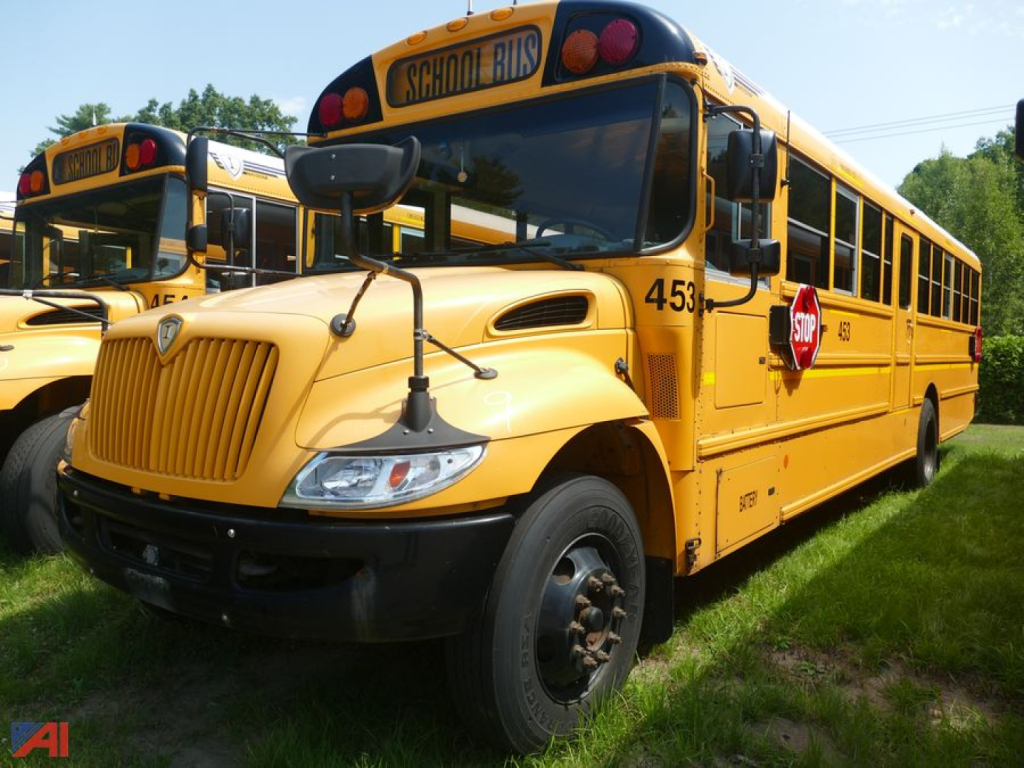
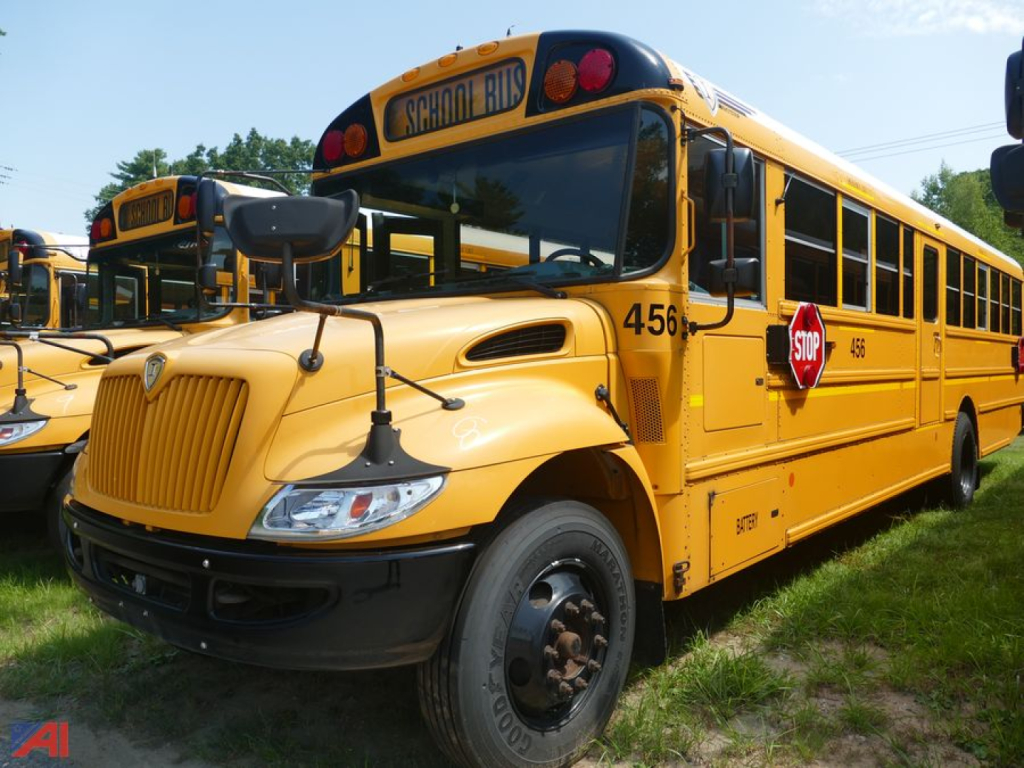
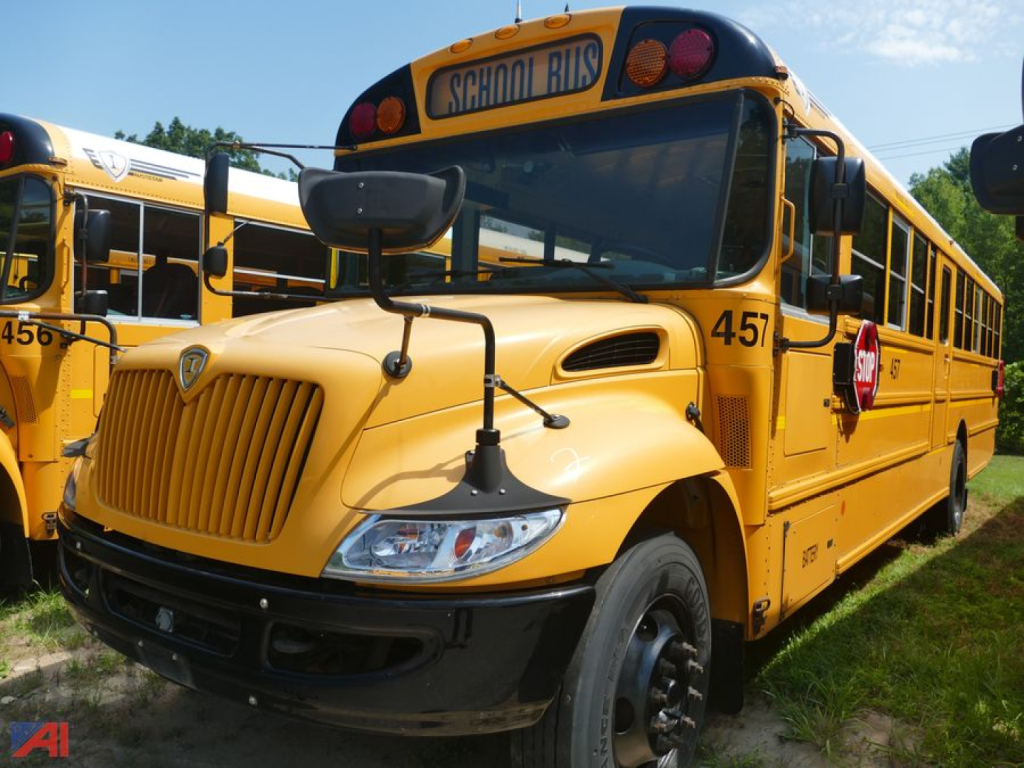
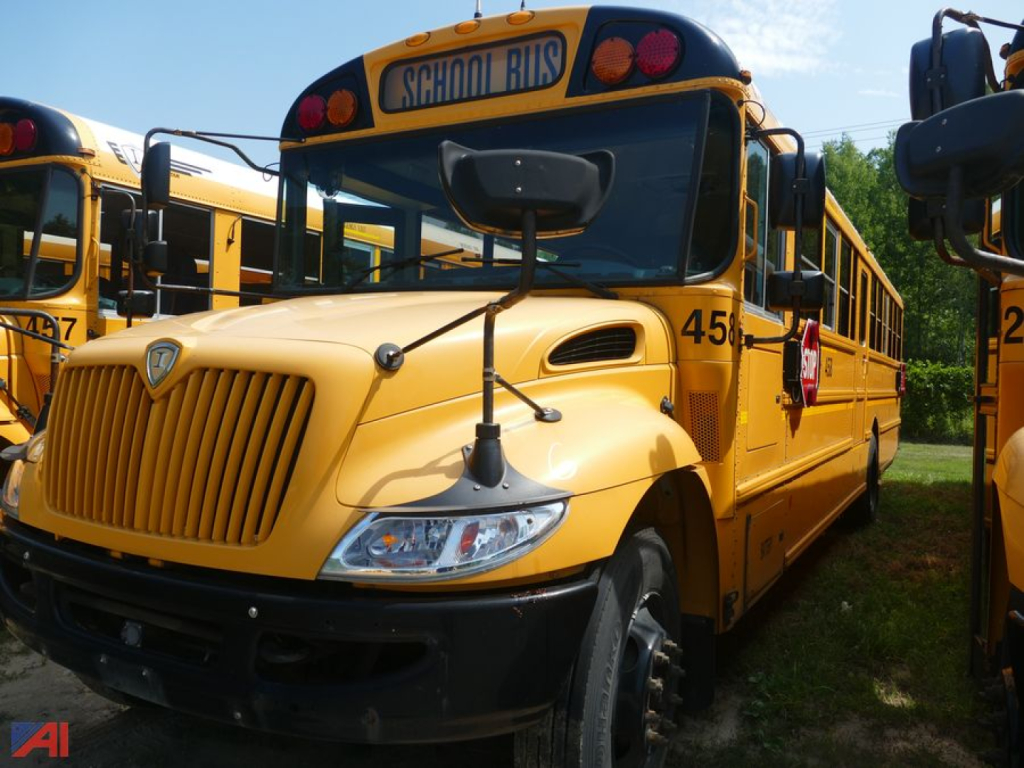
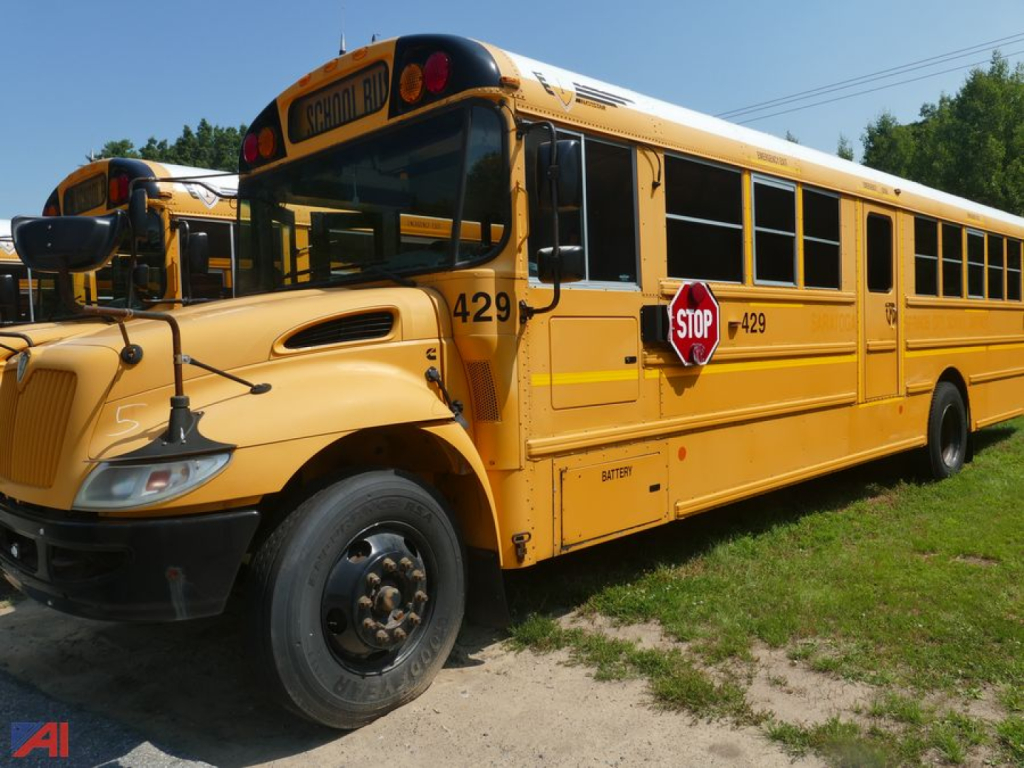
Have used international bus truck to sell? List it here to reach thousands of buyers.
Used International Bus Trucks in New York
On the spec side, buyers usually start with seating capacity, GVWR, wheelbase, and powertrain. International CE buses commonly pair a diesel engine with an automatic transmission and hydraulic or air brake setups depending on build. Rear axle ratio, underbody storage, crossing arm equipment, wheelchair lift provisions, and passenger entry door configuration can all affect day-to-day usefulness. If the bus is being repurposed for shuttle, church, employee transport, or specialty conversion work, interior layout and overall body condition matter as much as mileage. A clean maintenance history is especially important on used school buses because idle hours, stop-and-go duty cycles, and seasonal operation can tell a different story than odometer readings alone.
In New York, rust and corrosion should be part of every evaluation. Buyers should pay close attention to frame rails, step wells, floor structure, battery box areas, wheel housings, brake and fuel lines, and body mounts. A bus that looks presentable from the outside can still have significant corrosion underneath after years of road salt exposure. It also makes sense to verify emissions system condition, heater performance, and cold-weather starting behavior, since these buses spend their lives in severe service. If the unit still carries school bus equipment, confirm what will need to be removed or modified before private or commercial use under local rules.
International buses are also known as school buses, shuttle buses, or passenger buses depending on their body and end use, but the buying priorities stay largely the same: structural condition, service records, drivetrain health, and fit for route length and passenger load. A shorter route bus with frequent stops has different wear patterns than a suburban route unit logging longer miles. Buyers comparing listings should look beyond year alone and focus on chassis spec, body manufacturer, seating count, maintenance standard, and how much post-purchase work will be needed to put the bus into service.
Frequently Asked Questions about Used International Bus Trucks in New York
What should I inspect first on a used International school bus in New York?
Start underneath. In New York, corrosion is often the biggest value factor on a used bus. Inspect the frame, crossmembers, step well, floor supports, body mounts, brake lines, fuel lines, wheel housings, and battery box for scaling, patchwork, or structural rust. After that, review engine hours, transmission behavior, brake condition, and maintenance records. A solid chassis and clean structural condition usually matter more than cosmetic appearance.
Are International CE buses good for fleet service and maintenance?
Yes. International CE buses are widely used because they are built on a familiar medium-duty chassis with broad parts availability and established service knowledge. Fleets that already run International trucks often value the shared components, diagnostic familiarity, and straightforward maintenance access. That can help control downtime and simplify technician training compared with running a mixed platform.
What are common uses for a used International bus after school service?
Many used International buses are repurposed for shuttle work, church transportation, employee movement, nonprofit use, mobile classrooms, and specialty conversions. The right application depends on seating capacity, door layout, axle rating, luggage or equipment storage needs, and any lift or ADA equipment. Buyers should also confirm state and local requirements if the bus is being converted from active school service to private or commercial passenger use.
Does mileage tell the full story on a used bus?
No. Mileage is only one part of the picture. School buses often spend long periods in stop-and-go operation with frequent idling, repeated cold starts, and short-route cycling. Engine hours, service intervals, brake wear, transmission condition, suspension wear, and emissions system history can be just as important as odometer reading. A higher-mile bus with strong records can be a better buy than a lower-mile unit with poor upkeep.
What specs matter most when comparing used International bus listings?
The most important specs are seating capacity, wheelbase, GVWR, engine and transmission combination, brake type, axle ratio, and body condition. Buyers should also check heater performance, tire date codes, warning system status, entry door operation, and any wheelchair lift equipment if applicable. Those details have a direct impact on route suitability, compliance, and the cost to put the bus into service.