
Used Ford Bus Trucks For Sale
Browse used Ford bus trucks, including E-450 shuttle and handicap-accessible models, with common specs, seating layouts, and buyer tips.

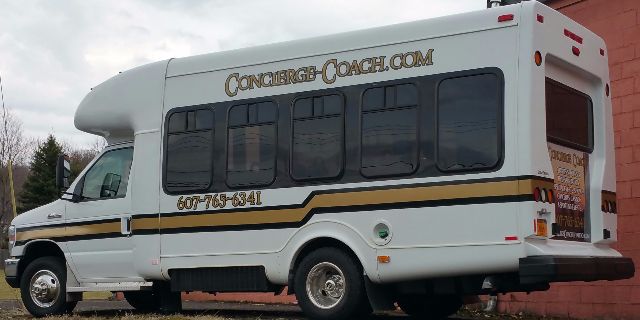
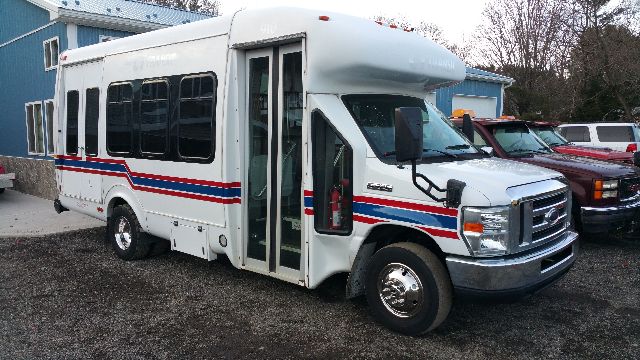
Selling a used ford bus truck? List your used ford bus truck for sale and reach thousands of commercial buyers.
Used Ford Bus Trucks
The E-450 is typically built around a cutaway van chassis with a bus body added by an upfitter, so the body condition matters as much as the drivetrain. Buyers should pay close attention to roof seams, window seals, entry door operation, flooring, stepwell wear, lift function, and corrosion around the lower body and wheel openings. On used shuttle buses, HVAC performance is a major decision point. Dual A/C and heat systems are common, and they need to cool and heat the full cabin, not just the cockpit. Suspension condition, steering feel, brake life, tire date codes, and the condition of rear door, emergency exits, and warning systems also deserve a close inspection because these units spend a lot of time in stop-and-go service.
Ford bus trucks in this size class are commonly equipped with gasoline or diesel power depending on year and specification, and many buyers specifically look for E-450 units with the Power Stroke diesel. Transmission behavior under load, cold-start performance, idle quality, and maintenance records are especially important on older shuttle buses that may have accumulated high engine hours relative to mileage. GVWR, axle ratings, passenger count, wheelchair capacity, and local DOT or state inspection requirements should all be confirmed before purchase. If the bus will be used for for-hire passenger work, verify that the seating layout, emergency equipment, ADA features, and safety labeling match the intended application.
A good used Ford bus truck is less about cosmetic extras and more about route fit, legal capacity, and lifecycle cost. Buyers comparing listings should focus on body manufacturer reputation, service history, recent reconditioning, and whether the bus was used in private fleet service, paratransit, school-related transport, or hospitality shuttle work. Features like backup alarms, heated power mirrors, audiovisual equipment, and onboard charging can add convenience, but the core value is in a solid chassis, dependable passenger climate control, and a body that has been maintained with commercial use in mind.
Frequently Asked Questions about Used Ford Bus Trucks
What is the most common Ford bus truck chassis in this category?
The Ford E-450 Super Duty is one of the most common chassis used for small shuttle buses and multi-passenger transport units. It is popular because it offers a strong cutaway platform, broad service support, and enough GVWR for passenger seating, luggage, and in many cases wheelchair lift equipment. On the used market, the E-450 is often the benchmark against which other small bus platforms are compared.
What should I inspect first on a used Ford shuttle bus?
Start with the body and passenger systems, not just the engine. Check roof and body seams for leaks, inspect the stepwell and flooring for wear, confirm all doors and emergency exits work correctly, and test front and rear HVAC performance under real operating conditions. If the bus has a wheelchair lift, cycle it several times and verify manual override operation. Then move to the chassis items such as brakes, tires, steering, suspension, transmission shift quality, and maintenance records.
Are used Ford bus trucks good for ADA and wheelchair transport?
Many are, but the exact configuration matters. A Ford E-450 bus may be equipped with a wheelchair lift, tie-down positions, and reduced seating to accommodate mobility devices. Buyers should verify lift brand, rated capacity, interlock function, door operation, and how many wheelchair positions the floorplan legally supports. It is also important to confirm that the layout and restraint equipment meet the regulations and service requirements for the state or agency where the bus will operate.
How many passengers can a used Ford bus truck carry?
Passenger capacity varies by body builder, floorplan, and whether the bus includes luggage space or wheelchair positions. Smaller shuttle layouts may seat around 12 to 16 passengers, while some configurations are designed around mixed seating and ADA access rather than maximum headcount. The posted seating capacity and GVWR should always be reviewed together because legal operating capacity depends on both the body layout and the chassis rating.
Is mileage the best way to judge a used Ford bus truck?
No. On shuttle buses, engine hours, idle time, maintenance quality, and route type can matter as much as odometer miles. A bus used in stop-and-go passenger service may show moderate mileage but still have significant wear on the transmission, brakes, entry door, suspension, and HVAC systems. Service records, component condition, and evidence of regular commercial maintenance usually give a better picture of remaining value than mileage alone.