
Used Ford Bus Trucks For Sale in New York
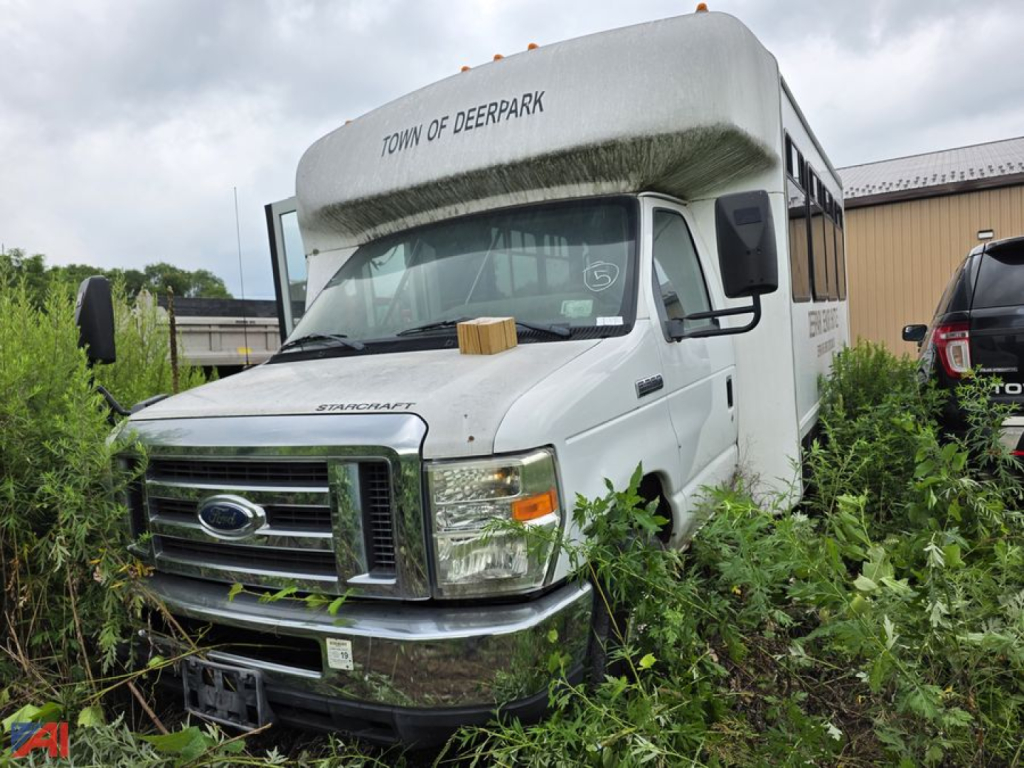
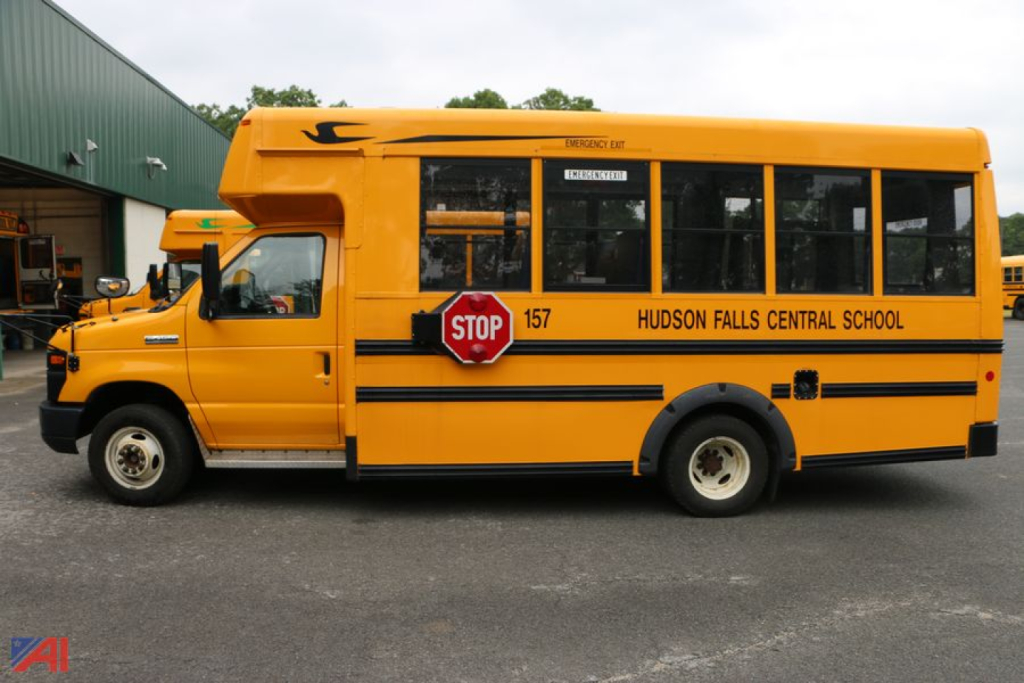
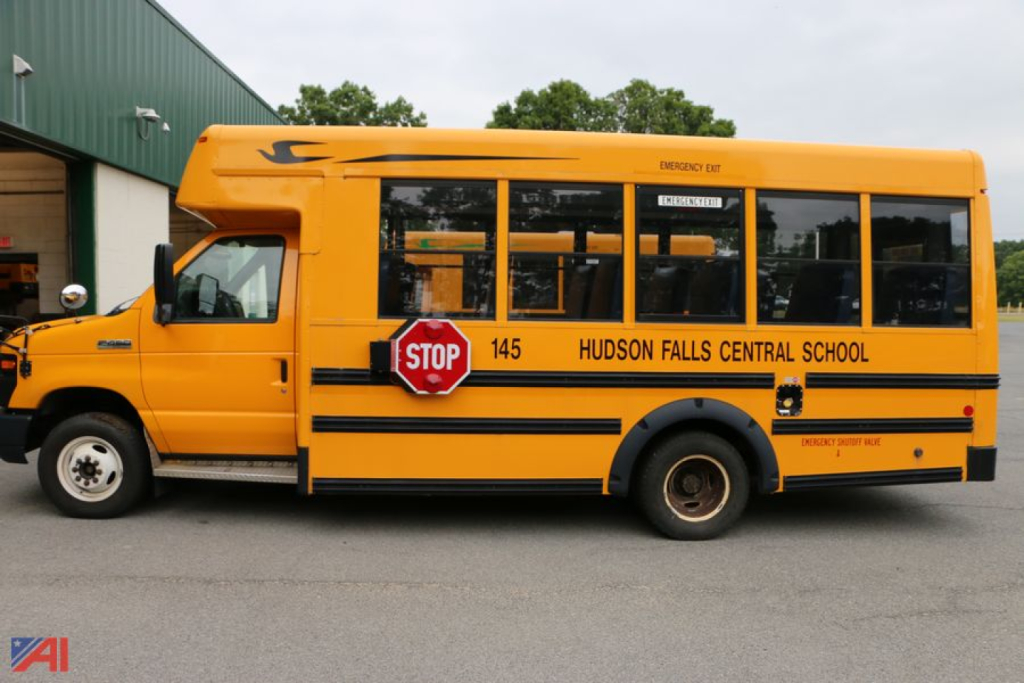
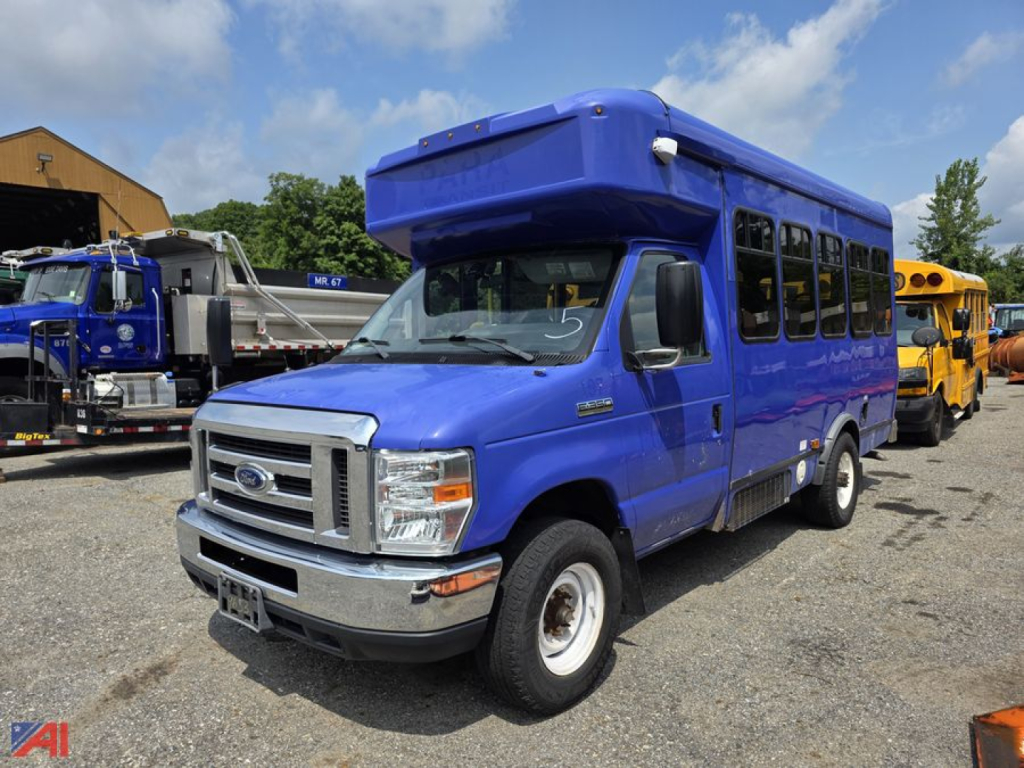
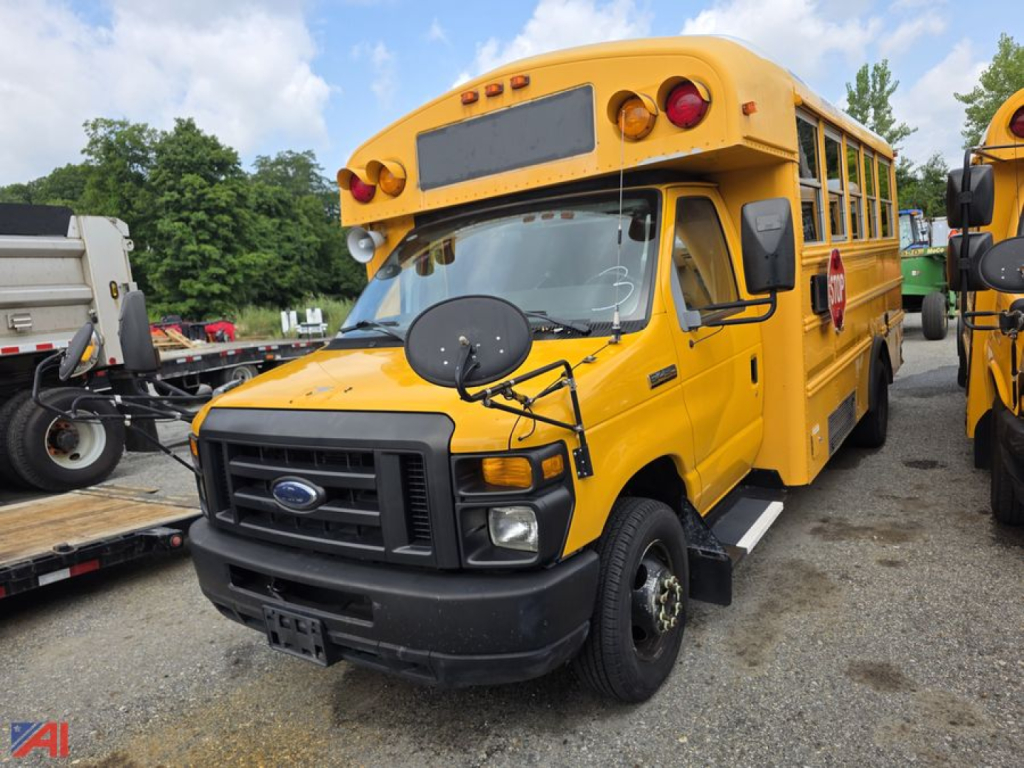
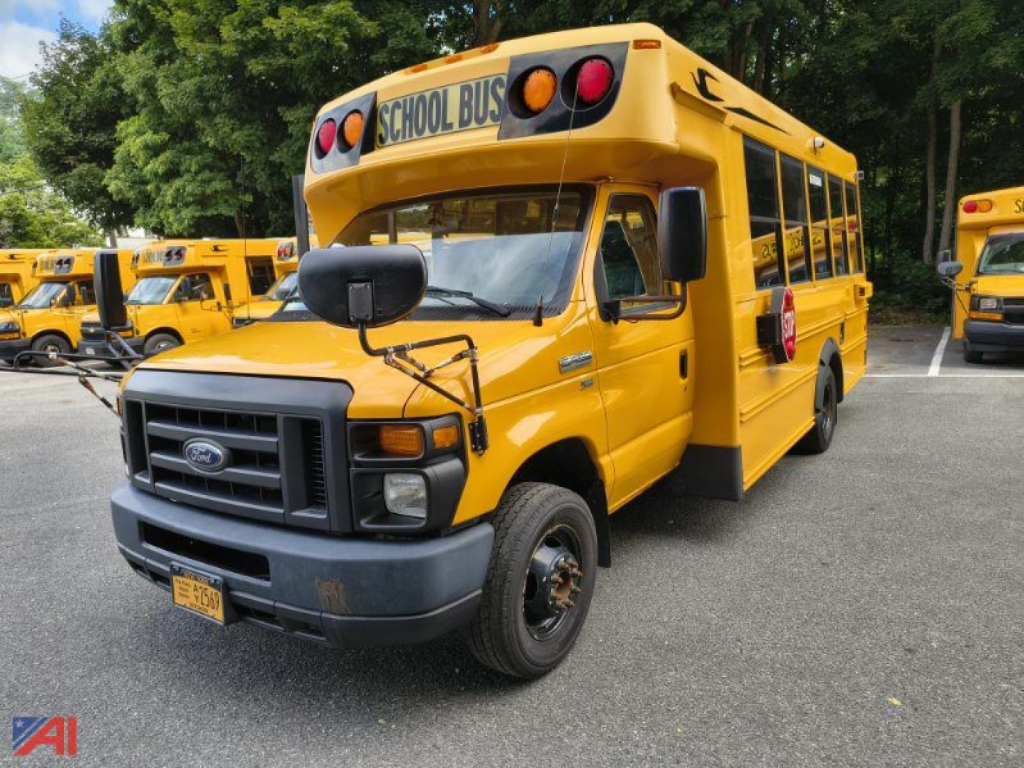
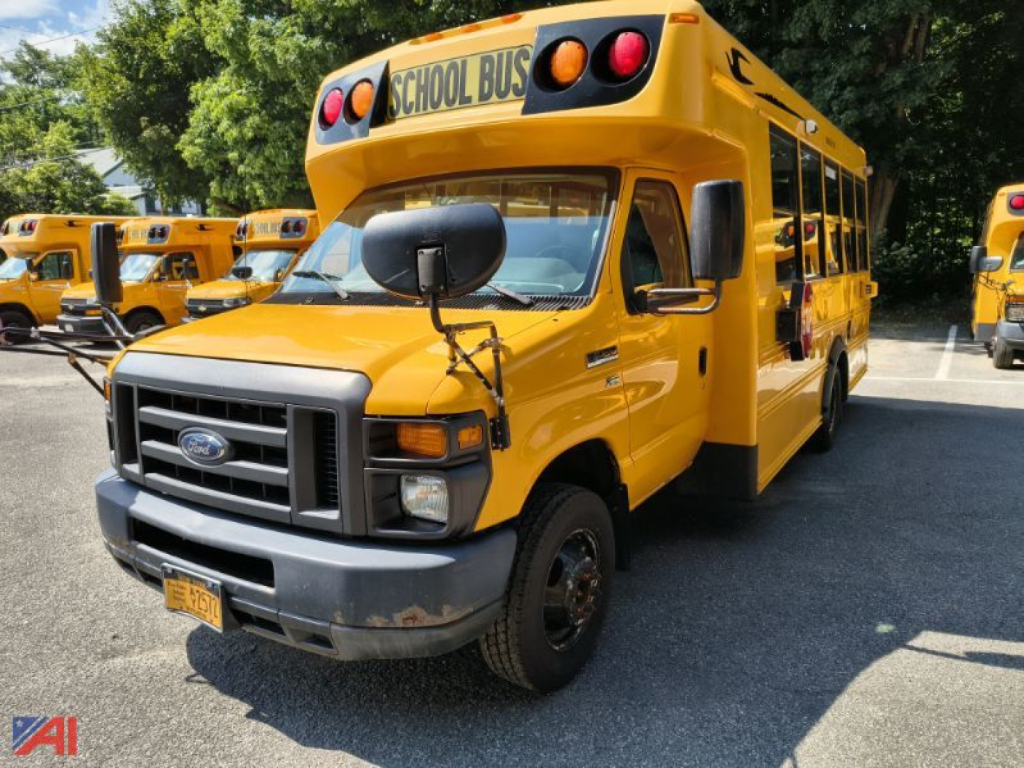
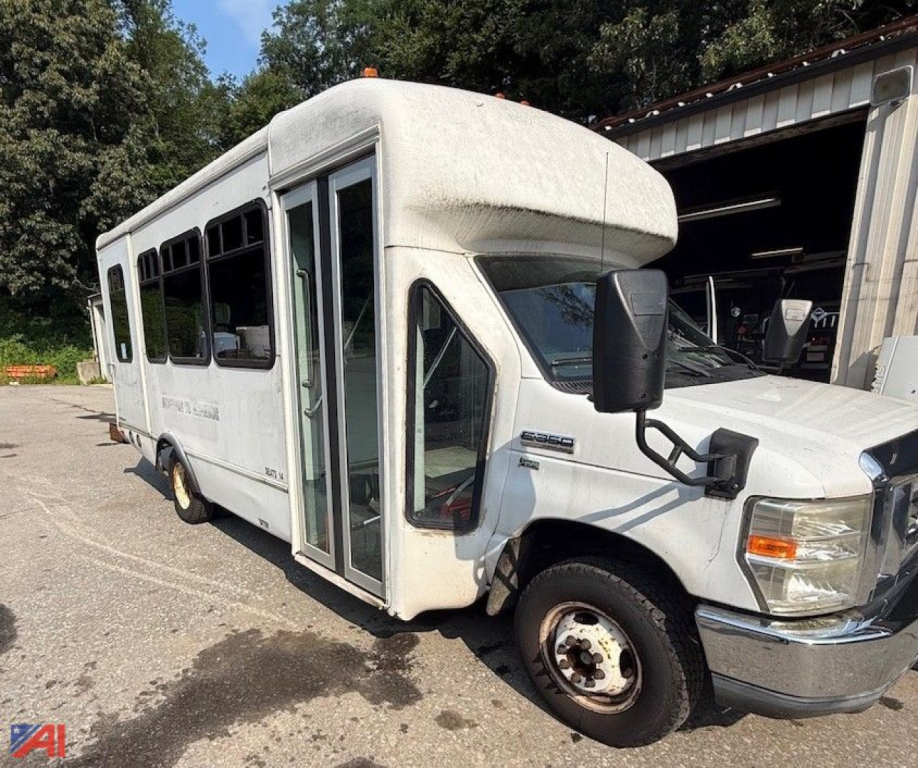
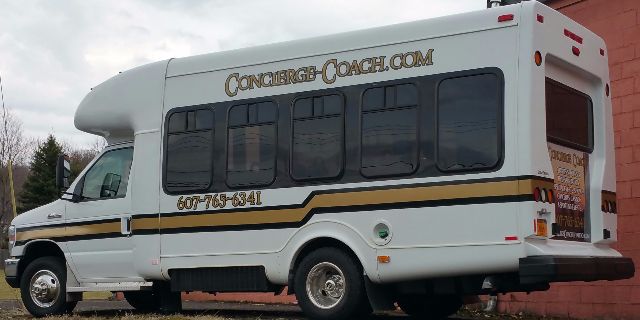
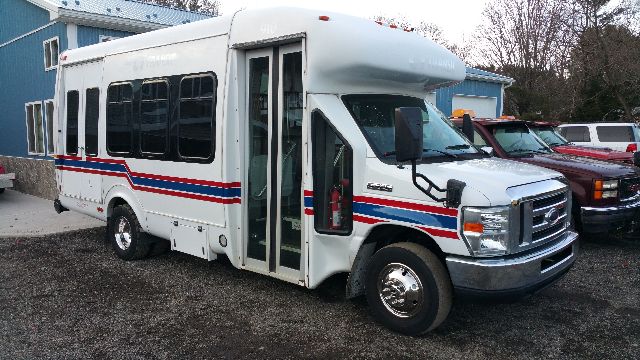
Have used ford bus truck to sell? List it here to reach thousands of buyers.
Used Ford Bus Trucks in New York
The Ford E450 is typically the heavier-duty option, with a higher GVWR and better suitability for larger passenger bodies, dual rear wheels, and lift-equipped service. The E350 often fits lighter passenger loads and shorter bodies, which can help in tighter urban operation or facilities with restricted parking. Common items to inspect on a used Ford bus include wheelchair lifts or ramps, tie-down systems, door operators, HVAC performance front and rear, rear axle condition, suspension wear, body corrosion around the stepwell and lower skirts, and the condition of passenger seating. On New York units, underbody rust, brake and fuel line condition, and evidence of municipal or paratransit use deserve close attention.
Powertrain and service history matter more than paint on these buses. Many Ford bus trucks in this segment use the 6.8L Triton V10 on the E-Series chassis, paired with an automatic transmission. That setup is widely known in shuttle and commercial fleet service, with broad parts availability and familiar service procedures. Mileage should be considered alongside idle time, stop-and-go duty cycles, lift cycle counts, and preventive maintenance records. A bus that spent its life on short local routes may show more body and interior wear than the odometer suggests, while a cleaner highway shuttle may present better overall value.
Buyers comparing used Ford buses should also verify passenger capacity, CDL implications, ADA compliance equipment, and any school-bus-related equipment if the body was built for a specialized application. Body manufacturers vary, so build quality, parts support, and fit-and-finish can differ even on the same Ford chassis. For operators in New York, route width, winter traction, heating performance, and ease of inspection compliance all affect long-term operating cost. The best used Ford bus truck is usually the one with the right body configuration, documented maintenance, and a duty cycle that matches the work ahead.
Frequently Asked Questions about Used Ford Bus Trucks in New York
What is the difference between a Ford E350 bus and a Ford E450 bus?
The main difference is chassis capacity. A Ford E450 bus generally has a higher GVWR and is better suited for larger shuttle bodies, heavier passenger loads, wheelchair lift installations, and more demanding commercial use. A Ford E350 bus is often used for shorter or lighter bodies and can be easier to maneuver in urban environments. Buyers should compare body length, axle ratings, seating layout, and the actual completed vehicle weight, not just the chassis badge.
What should I inspect first on a used Ford wheelchair bus?
Start with the accessibility equipment and the structure around it. Check the wheelchair lift or ramp for smooth operation, platform condition, hydraulic or electrical function, warning interlocks, and maintenance records. Inspect tie-down tracks, occupant restraint systems, and floor integrity near the lift door. After that, review door seals, stepwell corrosion, suspension condition, and rear HVAC performance, since wheelchair buses often see frequent stops and heavy cycle use.
Are Ford E-Series shuttle buses good for commercial passenger service?
Yes, the Ford E-Series cutaway platform has been a common choice for commercial passenger service for years. It is widely used for airport shuttles, assisted living transport, church buses, hotel routes, and non-emergency mobility applications. Its appeal comes from familiar serviceability, broad parts support, and a chassis that many fleet shops already understand. The real deciding factor is less about the badge and more about maintenance history, body quality, and whether the bus was spec'd correctly for the route.
Do I need a CDL to operate a used Ford bus truck?
That depends on the bus's passenger capacity, GVWR, and how it is used. Many shuttle buses can trigger CDL requirements if they are designed to transport enough passengers, including the driver, or if they fall into certain regulated service categories. State and federal rules can also differ depending on private, nonprofit, municipal, or for-hire operation. Buyers should confirm seating capacity on the body tag and verify licensing, inspection, and insurance requirements before purchase.
Why is rust such an important issue on used buses in New York?
New York operating conditions can accelerate corrosion from road salt, moisture, and repeated winter exposure. On a used Ford bus, rust is especially important around the frame, brake lines, fuel lines, stepwell, lower body panels, wheel arches, and lift mounting points. Surface rust is common, but structural corrosion can affect safety, inspection compliance, and repair cost. A careful underbody inspection is one of the most important steps when evaluating a used bus from this region.