
Used Ford Bus Trucks For Sale in Massachusetts
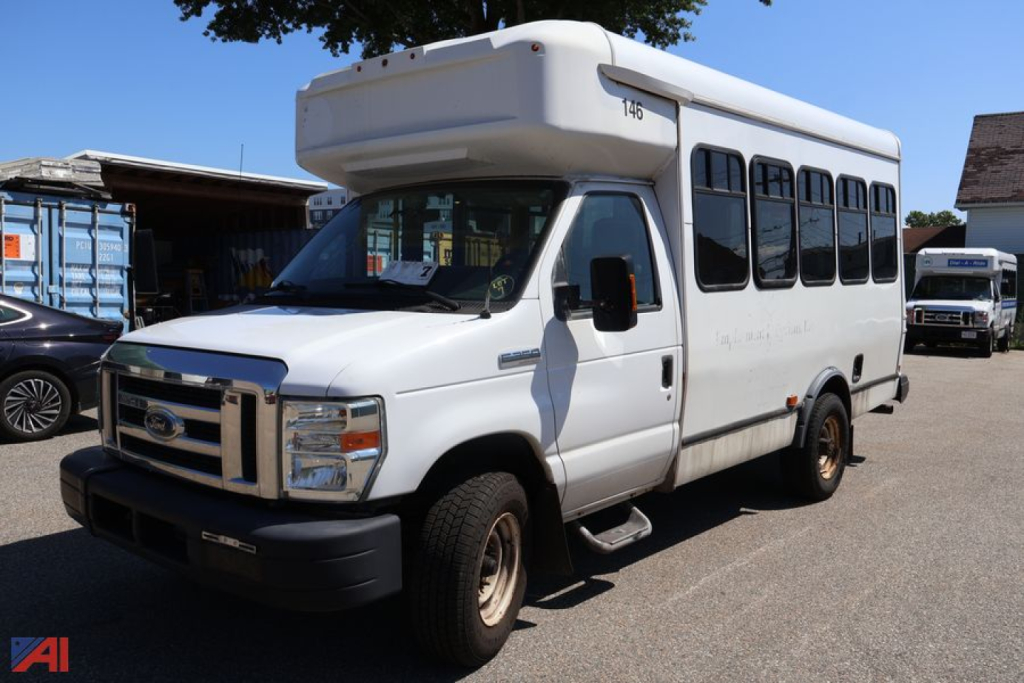
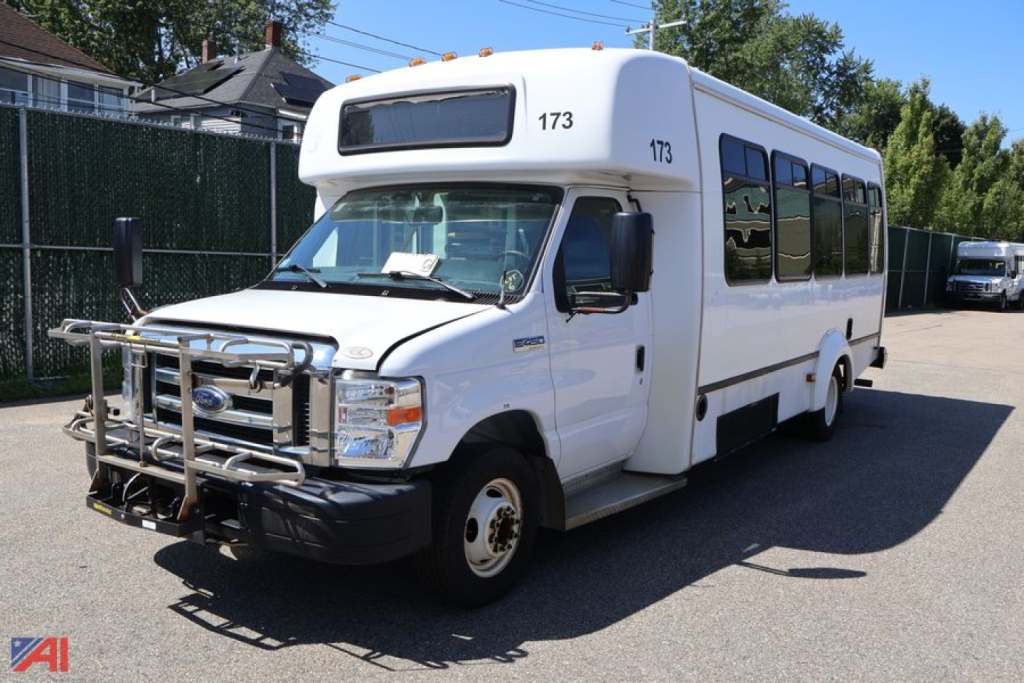
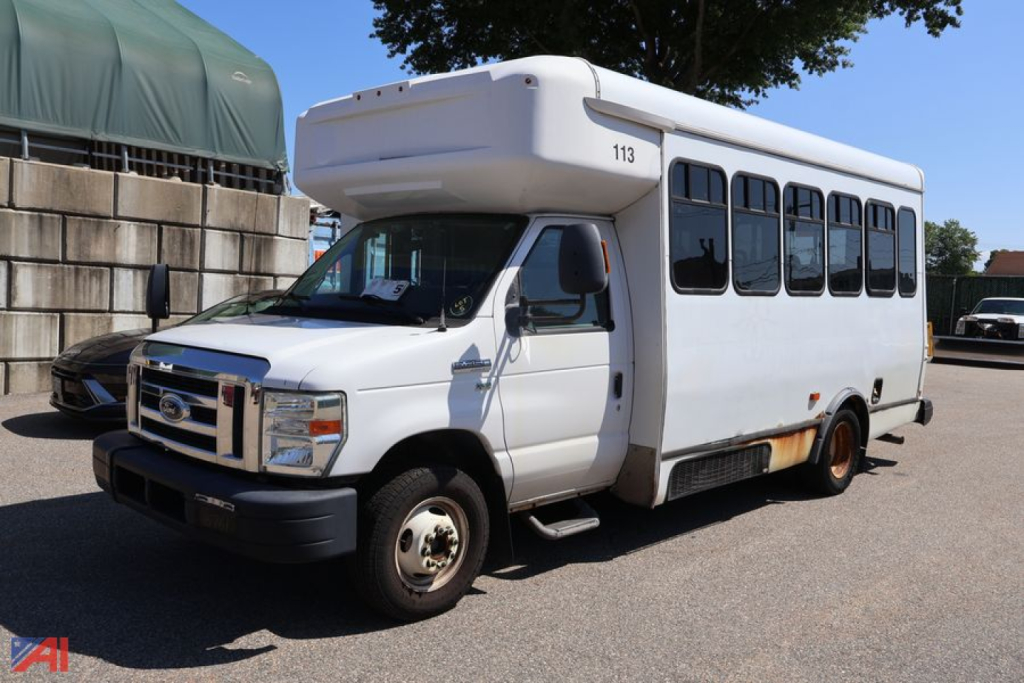
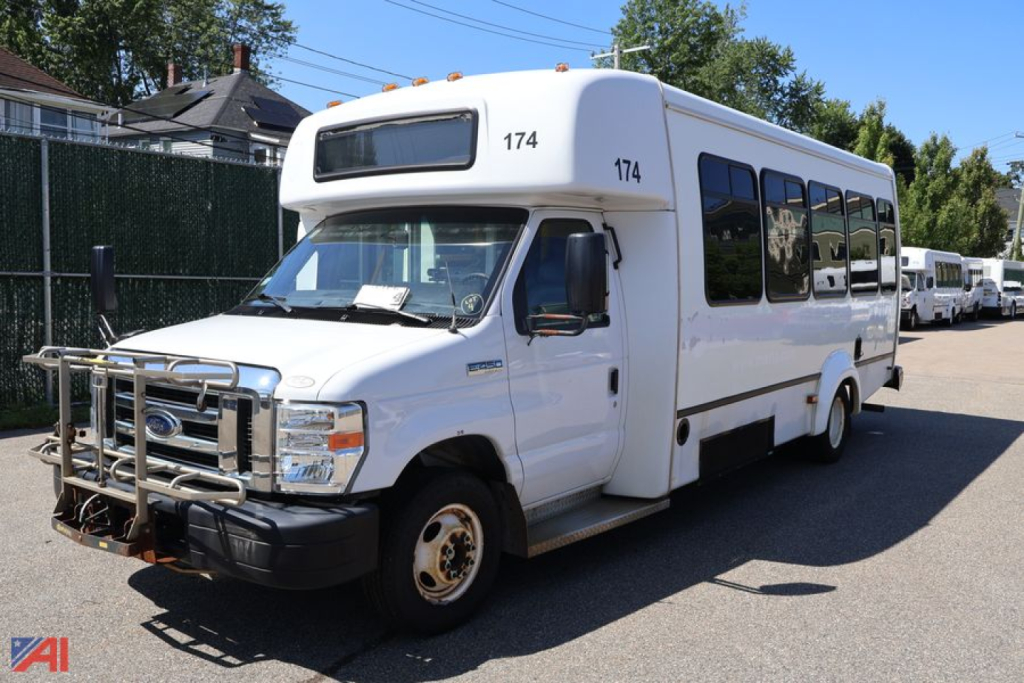
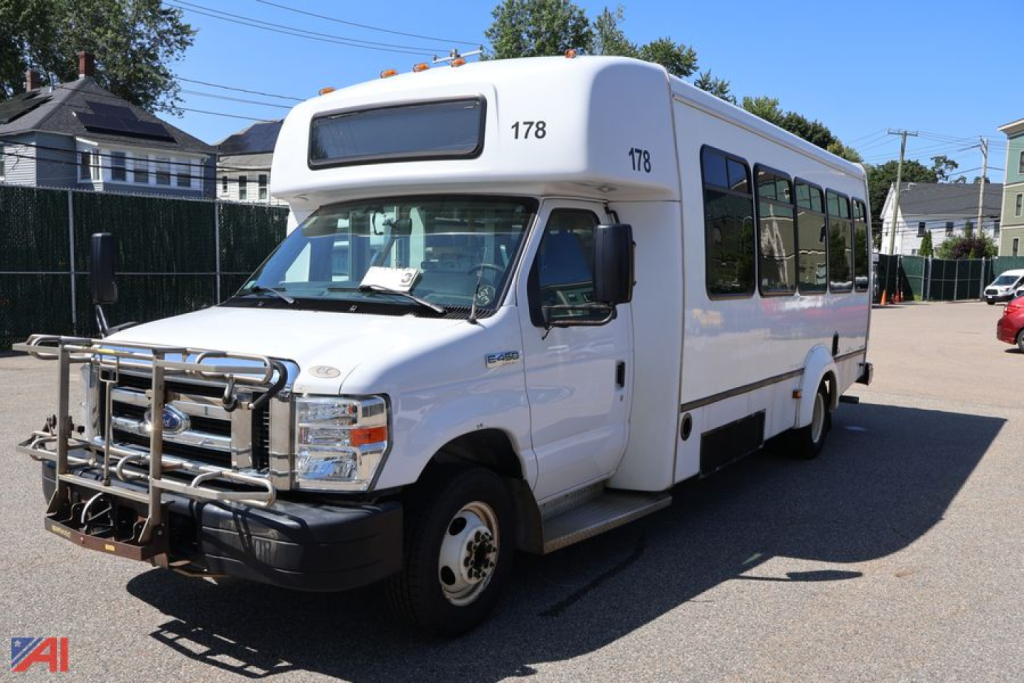
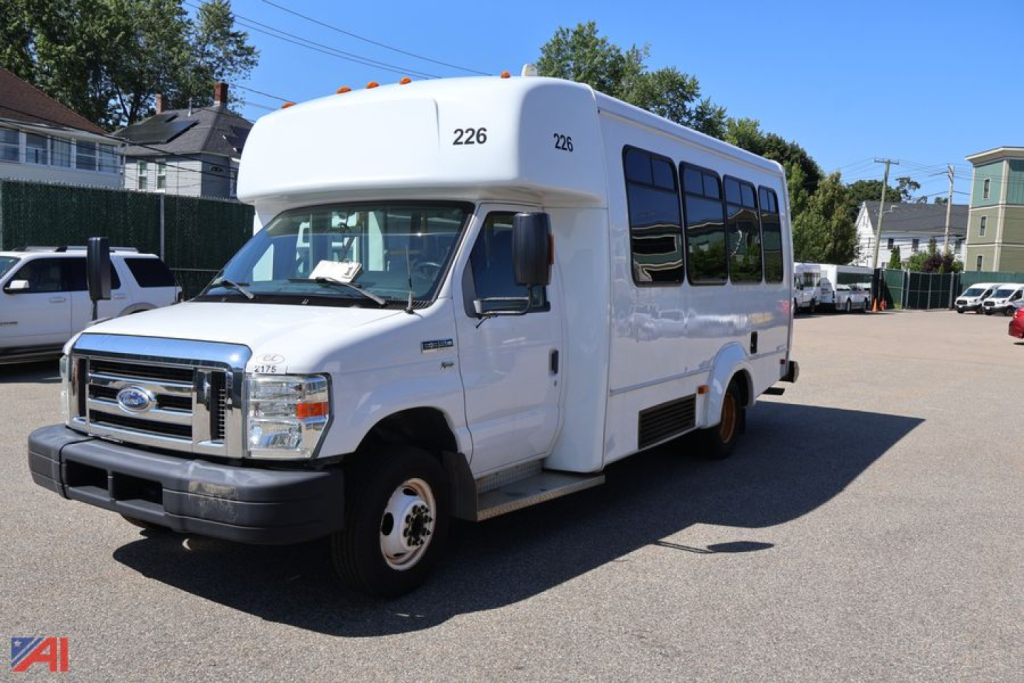
Have used ford bus truck to sell? List it here to reach thousands of buyers.
Used Ford Bus Trucks in Massachusetts
The first decision point is usually chassis capacity and passenger load. An E350-based bus can be a fit for lighter passenger counts and shorter route work, while an E450 typically gives more GVWR, stronger payload capacity, and better suitability for wheelchair positions, lift equipment, and heavier stop-and-go service. In Massachusetts, route profile matters. Urban and suburban operations around tighter streets, medical facilities, schools, and transit connections often favor shorter overall lengths and easy maneuverability. Buyers should look closely at seating count, wheelchair securement stations, lift or ramp condition, interior floor wear, HVAC performance, and door operation, especially on buses that have seen frequent passenger cycling.
On used Ford bus trucks, condition is often shaped more by duty cycle than by odometer alone. A bus used for municipal or regional transit may have predictable maintenance history but high idle time and repeated door, lift, and brake use. A church or private shuttle unit may show lower annual mileage but still need close inspection of age-sensitive items such as rubber flooring, seat mounting points, suspension components, and body corrosion. In New England, underbody rust, stepwell corrosion, brake and fuel line condition, and rear body structure are worth checking carefully. If the bus is equipped for wheelchair service, inspect the lift deployment, interlocks, restraint tracks, and ADA-related components for proper function and parts availability.
Buyers comparing used Ford buses should pay attention to engine and transmission pairing, rear axle rating, body manufacturer support, and the availability of service records. The Ford E-Series platform has long been favored for shuttle and cutaway bus applications because it balances familiar driveline components with commercial upfit flexibility. A well-matched used Ford bus can serve transit agencies, adult day programs, assisted living operators, hotels, airports, and contractor shuttle routes with lower acquisition cost than a new unit, provided the chassis, accessibility equipment, and body structure are evaluated as a complete package.
Frequently Asked Questions about Used Ford Bus Trucks in Massachusetts
What is the difference between a Ford E350 bus and a Ford E450 bus?
The main difference is chassis capacity. A Ford E450 bus typically offers higher GVWR, greater payload capacity, and better support for heavier passenger loads, wheelchair positions, and lift-equipped service. A Ford E350 bus is often suitable for lighter-duty shuttle work or smaller passenger configurations. Buyers should compare passenger count, seated plus wheelchair layout, axle ratings, and the actual body build rather than choosing by model name alone.
What should I inspect on a used Ford wheelchair bus?
Focus on the accessibility equipment first, then the chassis and body. Confirm that the wheelchair lift operates smoothly, safety interlocks function correctly, and securement tracks, belts, and tie-down points are intact. Check the floor around the lift area for soft spots or rust, inspect stepwells and door frames for corrosion, and review brake wear, suspension condition, HVAC operation, and any warning lights. On Massachusetts units, underbody rust and line corrosion deserve extra attention.
Are Ford E-Series buses good for shuttle and paratransit fleets?
Ford E-Series bus chassis are widely used in shuttle and paratransit service because they are familiar to many fleet shops, have broad parts availability, and support a wide range of body configurations. They are commonly used for senior transportation, municipal routes, medical transport, church groups, and airport or hotel shuttles. Their long presence in the market also helps with technician familiarity and aftermarket support for common service items.
Does mileage matter more than hours on a used bus?
Mileage matters, but it should not be viewed by itself. Many shuttle and transit buses spend long periods idling, operating lifts, cycling doors, and running HVAC systems in stop-and-go service. A lower-mile unit can still show significant wear if it had a hard duty cycle. Buyers should consider engine hours if available, maintenance records, brake and tire condition, interior wear, and the condition of electrical and accessibility systems along with the odometer.
What are common uses for a used Ford bus truck in Massachusetts?
Common uses include municipal and regional transit support, ADA transportation, senior center service, adult day program routes, church and nonprofit transportation, employee shuttles, and hotel or airport transfers. In Massachusetts, shorter route segments, dense suburbs, and winter operating conditions make maneuverability, heating performance, corrosion resistance, and dependable door and lift operation especially important.