
Used Chevrolet Bus Trucks For Sale
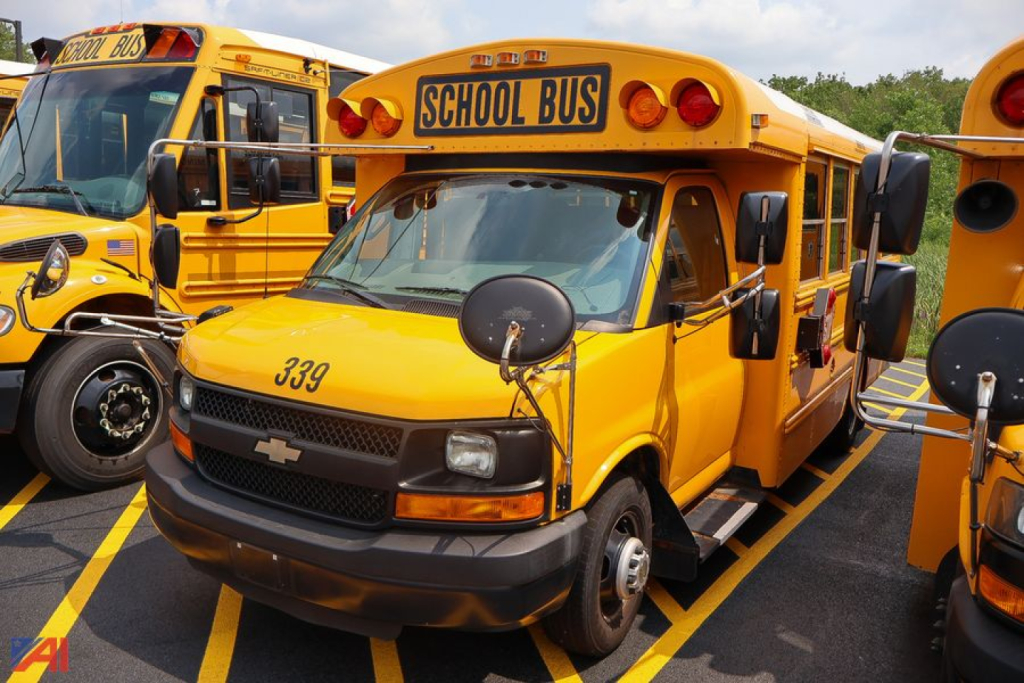
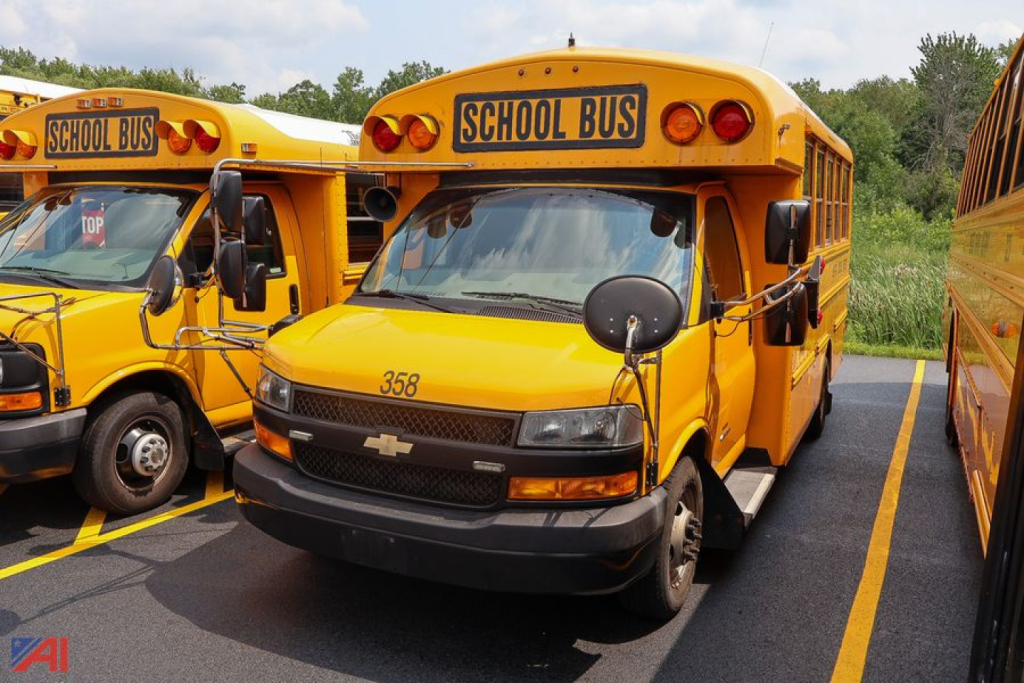
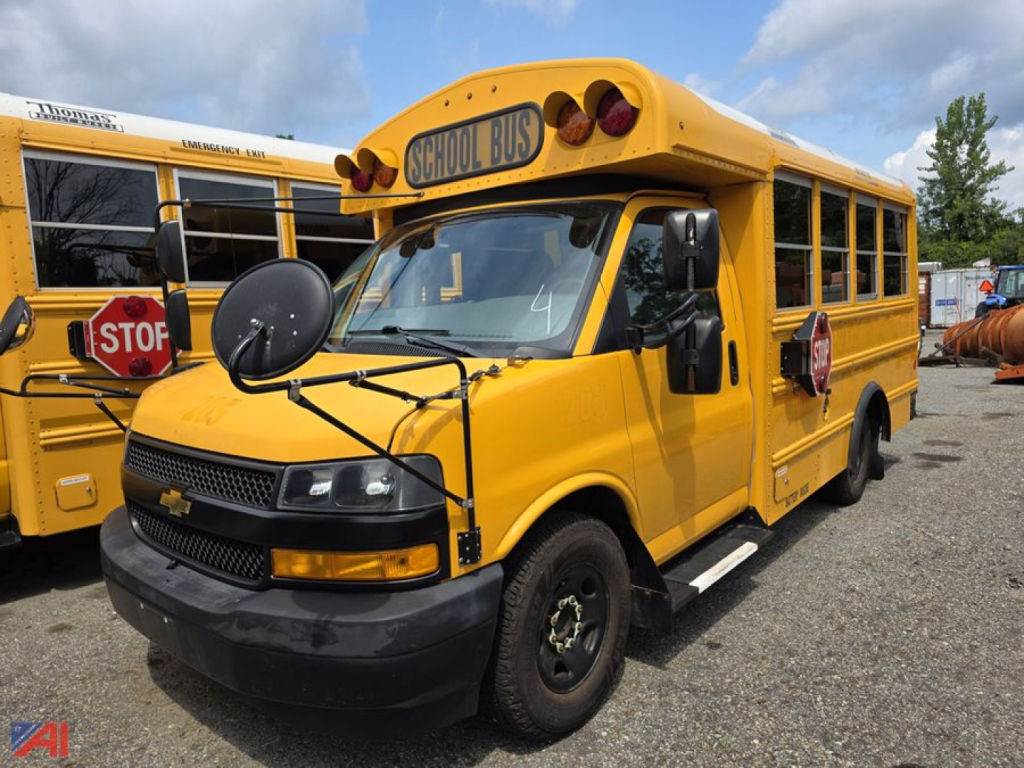
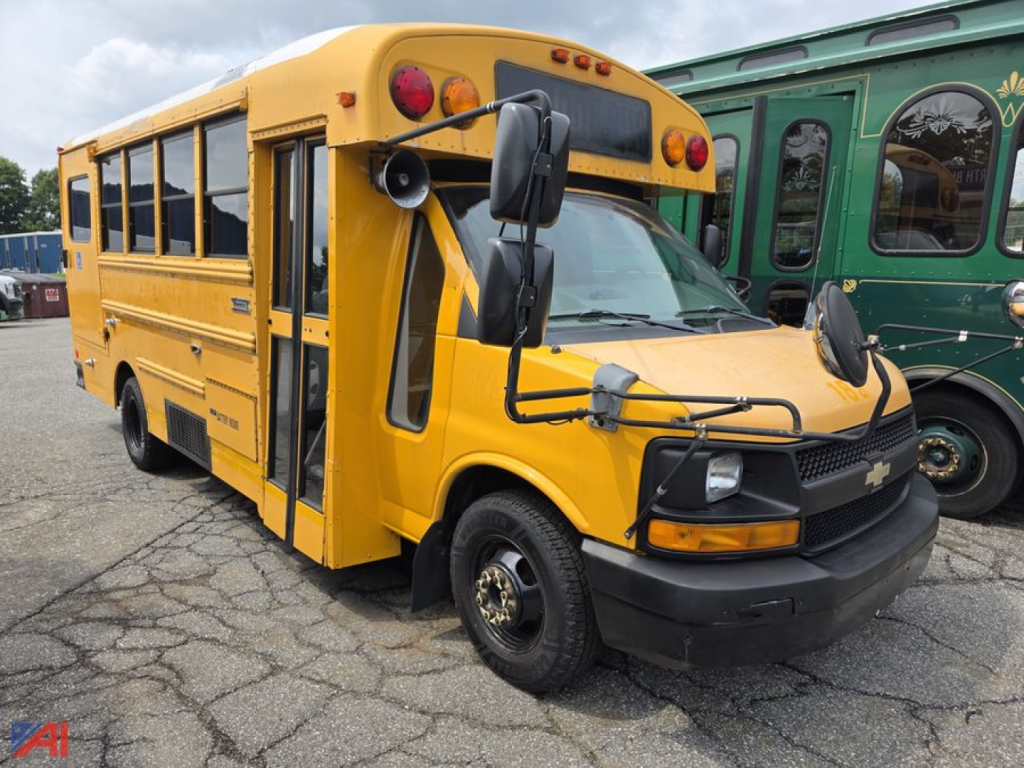
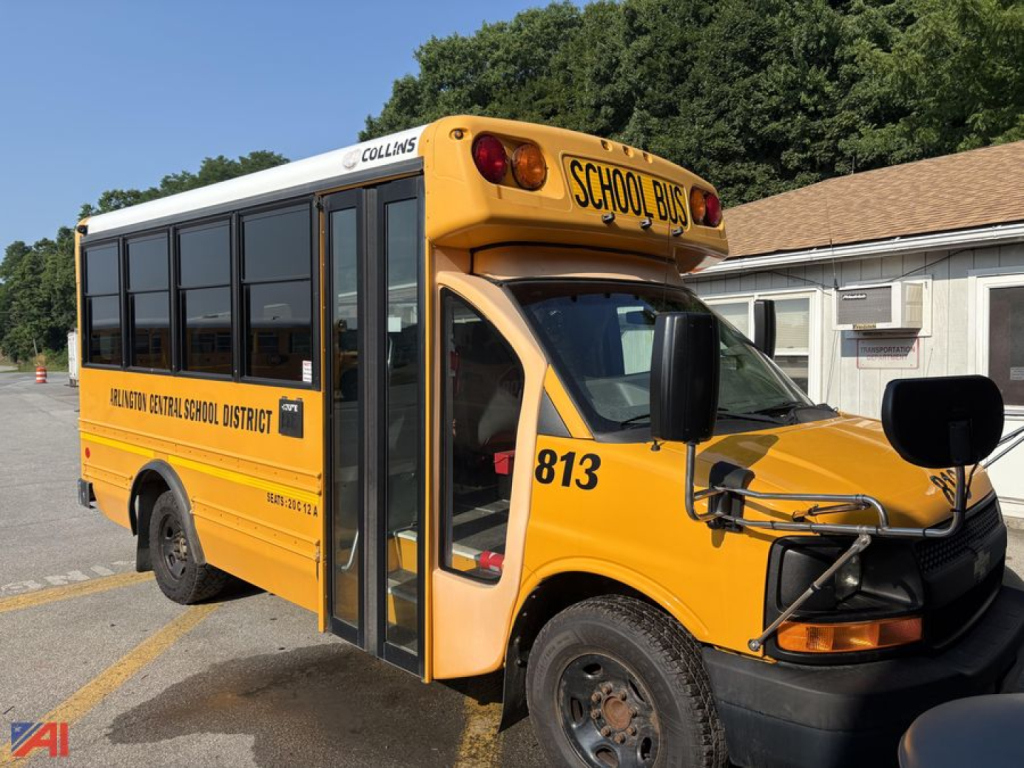
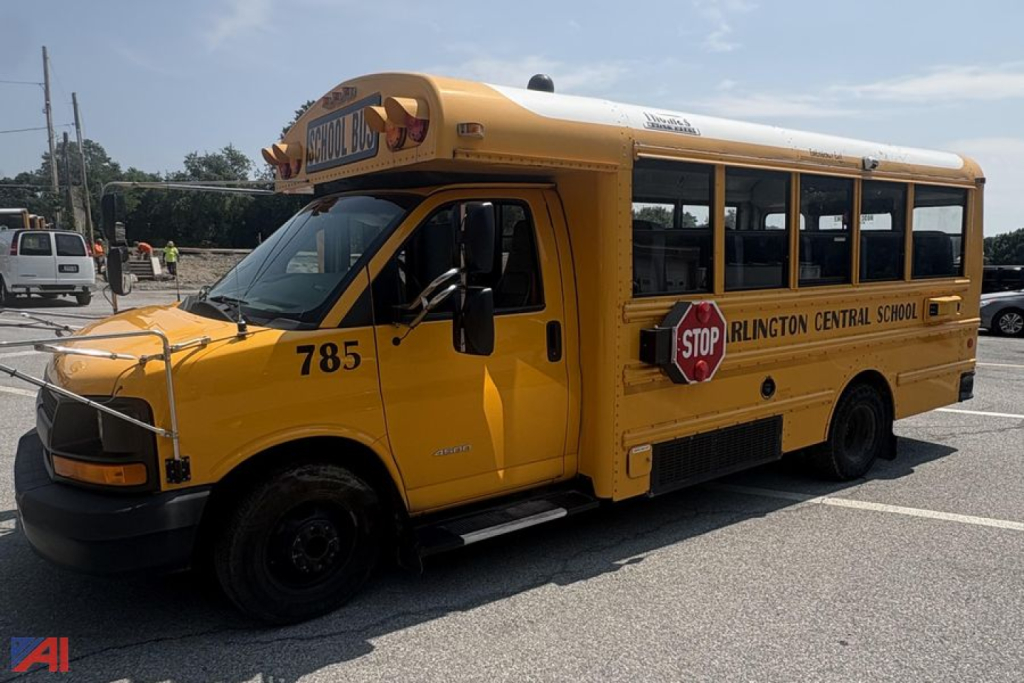
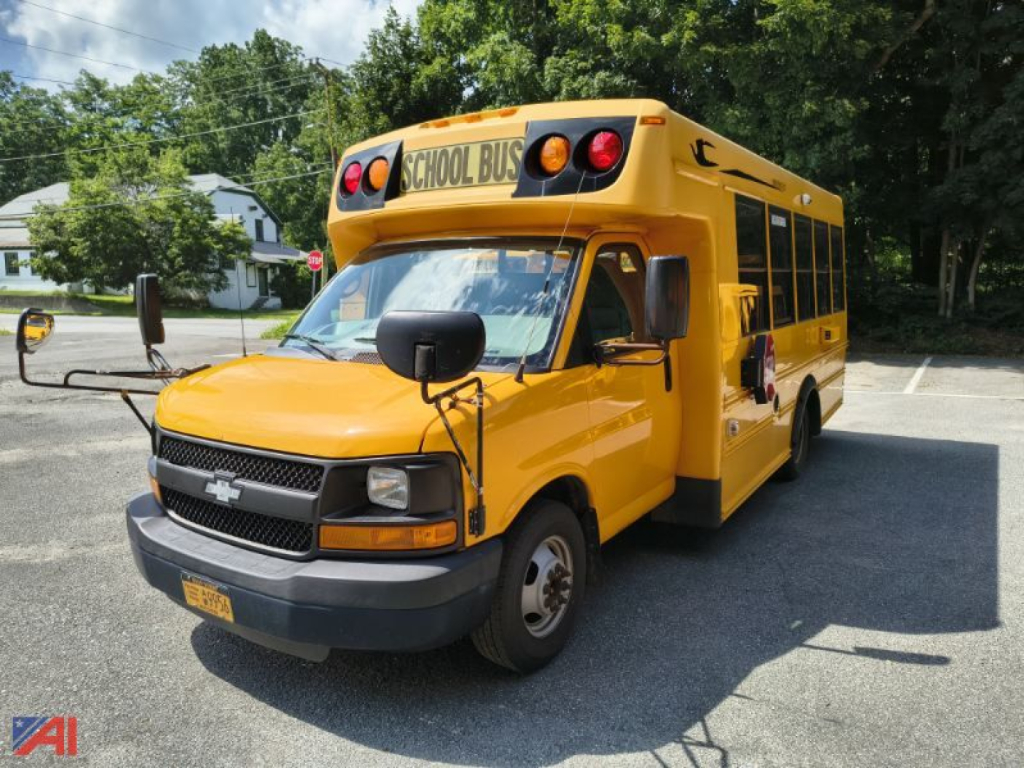
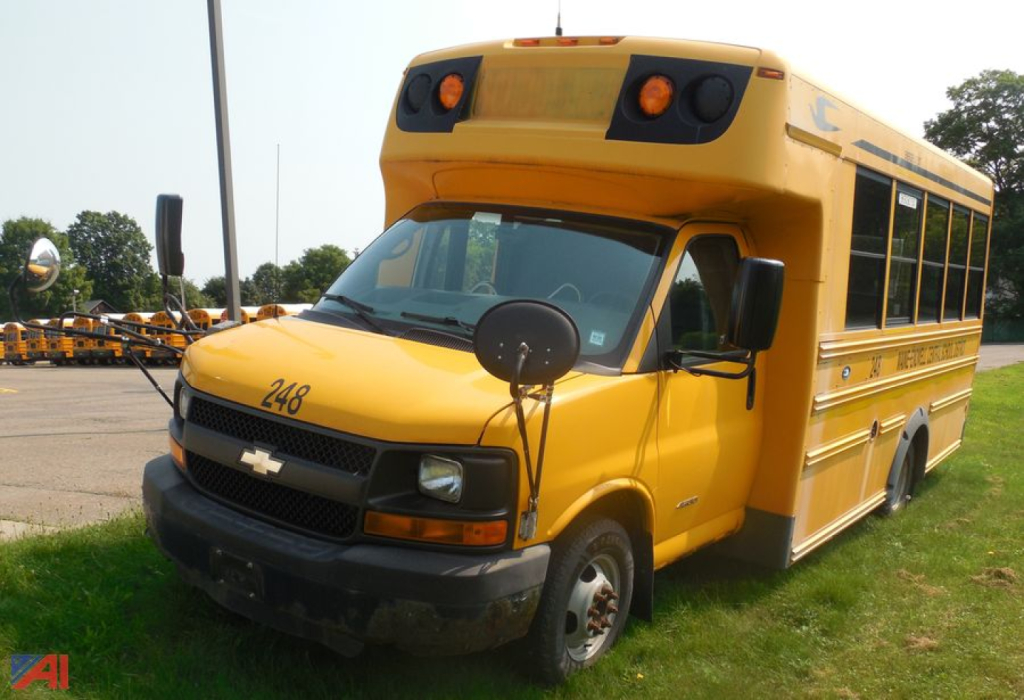
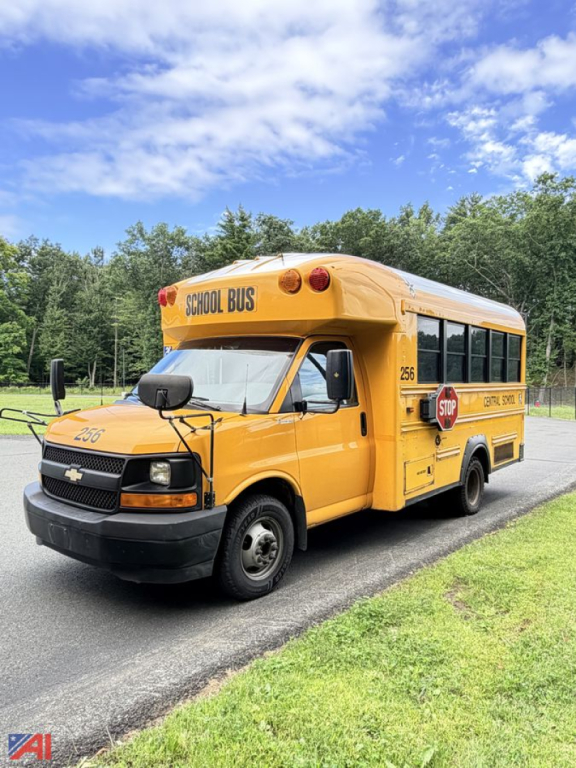
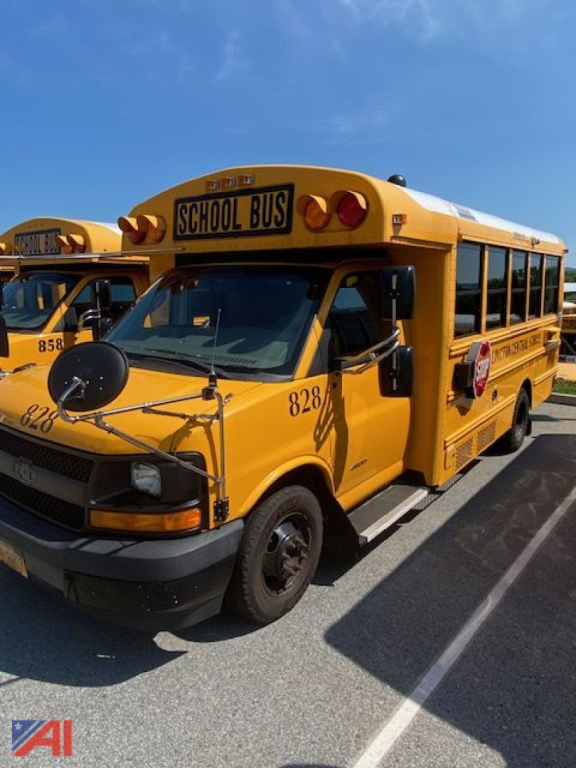
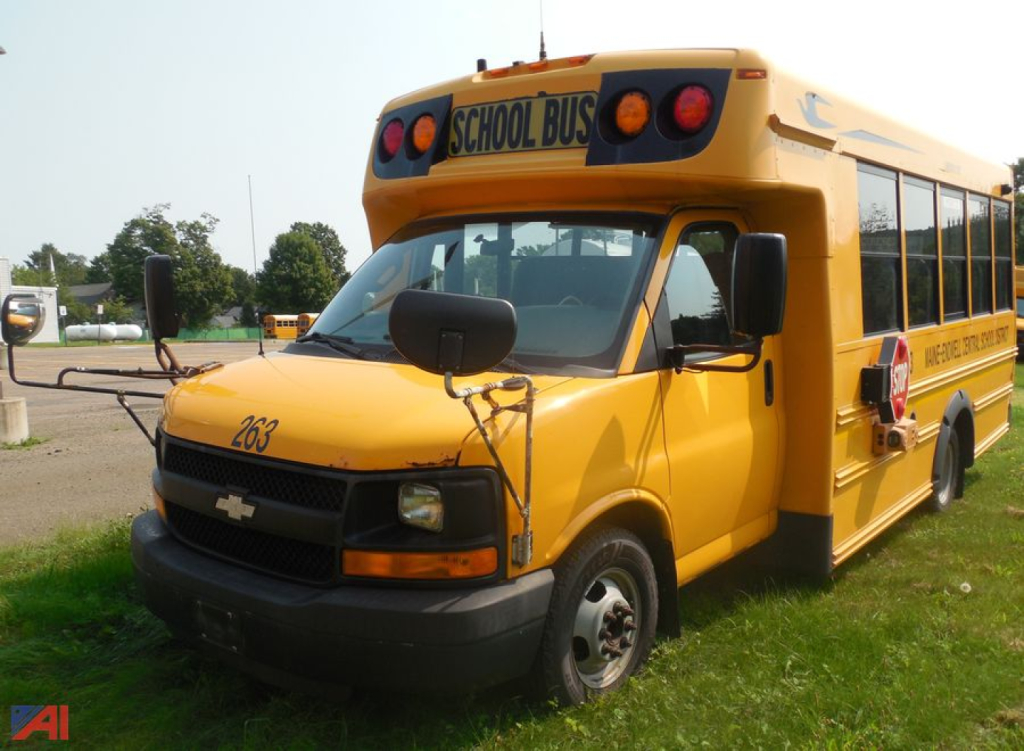
Have used chevrolet bus truck to sell? List it here to reach thousands of buyers.
Used Chevrolet Bus Trucks
The G3500 is generally suited to lighter passenger loads and shorter routes, while the G4500 is the heavier-duty choice for higher seating counts, more frequent stop-and-go service, or wheelchair equipment that adds curb weight. Most used Chevrolet buses in this class use a gasoline V8 powertrain, and many fleets prefer that for simpler maintenance and lower acquisition cost compared with diesel in a small bus application. Check axle ratings, rear suspension condition, brake wear, tire date codes, and whether the unit has been run in school service, paratransit, or church transport. Duty cycle matters. A bus with low miles but high idle hours and constant door cycles can tell a different maintenance story than one used for highway shuttle work.
Body condition is just as important as chassis condition on a used Chevrolet bus. Inspect the entrance door operation, window seals, roof seams, heater performance, AC output, wheelchair lift function if equipped, and the condition of the floor under the rubber covering. On former school buses, buyers should confirm local rules on decommissioning equipment such as stop arms, warning lights, and school signage before putting the bus into private service. If passenger comfort matters, compare interior height, luggage or rear storage layout, seat spacing, and HVAC capacity. A 14-passenger shuttle and a 20-plus passenger mini school bus may share a Chevrolet badge but serve very different routes.
For most buyers, the best used Chevrolet bus truck is the one that matches route length, passenger count, and access requirements without carrying excess weight or unnecessary equipment. A wheelchair bus can be the right choice for adult day care, medical transport, and senior services, but the lift, tie-downs, and side door systems need close inspection because repair costs add up quickly. Buyers running local fleets should also confirm emissions requirements, CDL thresholds, and seating limits in their state. The Chevrolet bus category remains a practical option for operators who want a familiar cutaway chassis, manageable service costs, and a wide range of small bus body configurations.
Frequently Asked Questions about Used Chevrolet Bus Trucks
What is the difference between a Chevrolet G3500 bus and a G4500 bus?
The main difference is capacity and chassis rating. A Chevrolet G3500 bus is typically better for lighter passenger counts and lower overall vehicle weight, while a G4500 bus is built for heavier service, more seating, and added equipment such as wheelchair lifts. Buyers should compare GVWR, axle ratings, body size, and actual passenger layout instead of assuming two buses with similar exterior dimensions will perform the same.
Are used Chevrolet bus trucks good for shuttle and school transport applications?
Yes, used Chevrolet bus trucks are widely used in shuttle, school, church, senior, and non-emergency passenger transport because the Express cutaway chassis is common and serviceable. The key is matching the bus to the duty cycle. Short urban routes, frequent stops, and ADA service put different stress on brakes, doors, suspension, and electrical systems than highway shuttle work, so maintenance history matters as much as the make and model.
What should I inspect first on a used Chevrolet mini school bus?
Start with the body and passenger systems, then move to the chassis. Check the floor for moisture damage, inspect roof seams and window seals for leaks, test the entrance door, heaters, and air conditioning, and verify that all warning and safety equipment functions properly. On the chassis side, review engine hours if available, transmission operation, brake condition, front-end wear, tire age, and suspension components. If the bus has a wheelchair lift, cycle it fully and inspect tie-down points and interlocks.
Do I need to decommission a used Chevrolet school bus before private use?
In many areas, yes. Former school buses often need school-specific equipment removed or disabled before they can be legally used in private, church, shuttle, or commercial service. Requirements can include removing stop arms, covering or removing warning lights, changing signage, and updating registration or title class. Buyers should verify state and local rules before purchase so the conversion cost and compliance timeline are clear.
Is a gasoline Chevrolet bus a practical choice in the used market?
For many small bus fleets, a gasoline Chevrolet bus is a practical used-market option because acquisition cost is often lower and maintenance can be simpler than on older diesel small buses. That said, fuel economy, route length, passenger load, and idle time should all be considered. Gas models are often a strong fit for local routes and moderate annual mileage, especially where fleet technicians already support Chevrolet Express-based vehicles.