
Used 2017 Bus Trucks For Sale
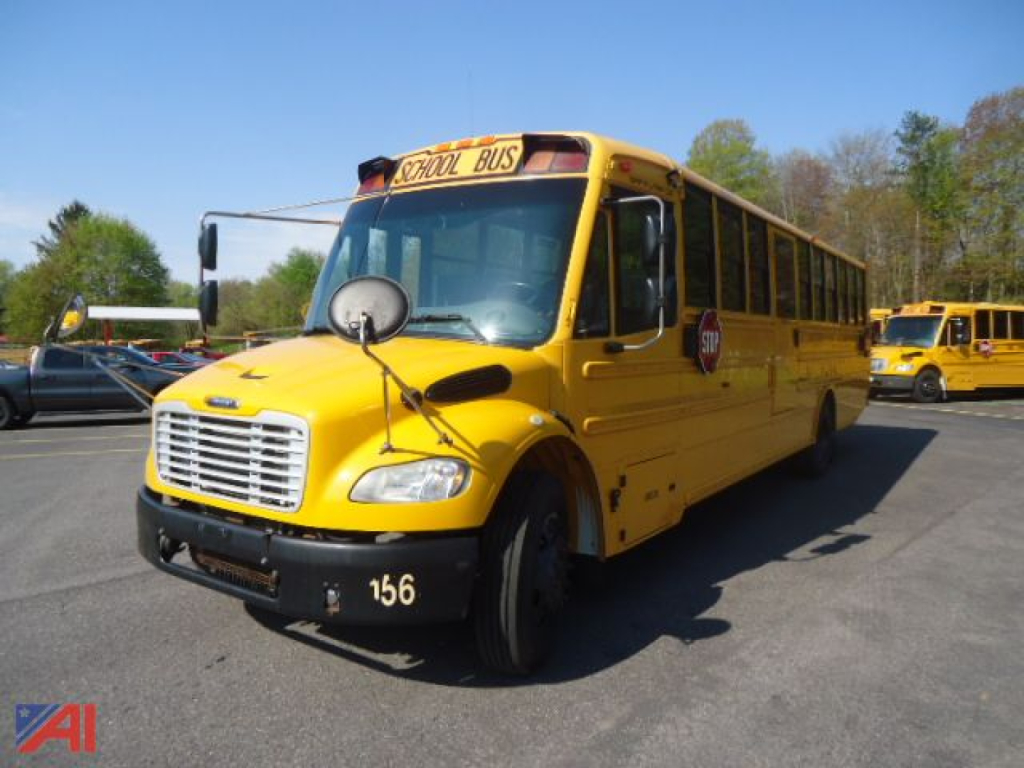
Shop used 2017 bus trucks including school, shuttle, and wheelchair-accessible models with common specs, seating layouts, and chassis options.
Have used 2017 bus truck to sell? List it here to reach thousands of buyers.
Used 2017 Bus Trucks
For 2017 models, powertrain and serviceability matter more than cosmetics. Many buses in this class use proven automatic transmissions and medium-duty diesel or gas engines, depending on chassis type and application. Buyers should verify GVWR, axle ratings, passenger capacity, wheelchair positions if equipped, and whether the bus has hydraulic or air brakes. On school bus platforms, look closely at suspension type, underbody corrosion, stepwell condition, and evidence of body mount or floor repairs. On shuttle and wheelchair buses, pay special attention to lift operation, door controls, kneeling systems if equipped, rear HVAC performance, and the condition of tie-down tracks, restraints, and interlock systems.
A 2017 used bus truck should also be evaluated based on the kind of duty cycle it has seen. School buses often accumulate lower mileage but higher idle hours and frequent stop-and-go use. Shuttle buses may have cleaner interiors and lighter passenger loads, but more continuous operation and accessory wear from air conditioning, electrical systems, and entry doors. Maintenance records are especially important in this category because passenger equipment adds another layer beyond the chassis. Heaters, roof hatches, emergency exits, warning systems, cameras, lift components, and seat hardware all affect readiness and compliance. If the bus will stay in commercial passenger service, confirm current state and local requirements for seating, lighting, accessibility, and inspections before purchase.
For many buyers, the best 2017 bus is not the one with the highest seating count but the one with the right layout and lowest downtime risk. A wheelchair-accessible bus may reduce seated capacity but expand contract opportunities. A full-size school bus may offer excellent value per seat, but it needs adequate yard space, driver familiarity, and a route that justifies the size. Review tire date codes, brake life, cooling system condition, HVAC output, and signs of water intrusion around windows and roof seams. In this category, clean maintenance history, functional passenger equipment, and a chassis with readily available parts usually matter more than appearance alone.
Frequently Asked Questions about Used 2017 Bus Trucks
What is the difference between a 2017 cutaway bus and a full-size school bus?
A 2017 cutaway bus is typically built on a van-based chassis such as a Ford E-450 and is commonly used for shuttle, senior, church, or wheelchair transport. It is easier to maneuver, easier to service through light and medium-duty truck channels, and usually has lower passenger capacity. A full-size school bus such as an International CE 300 is built for heavier daily route use, offers more seating, and generally has more robust axle, frame, suspension, and brake components.
What should I inspect first on a used 2017 wheelchair-accessible bus?
Start with the wheelchair lift, interlock system, and tie-down area. The lift should cycle smoothly under load, stow correctly, and work with both primary and manual backup functions. Inspect floor condition around the lift door, check restraint tracks and belts for wear, and confirm the warning buzzers, door switches, and any kneeling or accessibility features function as intended. On passenger buses, accessibility equipment condition is just as important as engine and transmission condition.
Are 2017 buses a good value for commercial passenger service?
They can be, especially when maintenance history is solid and the bus matches the intended route. A 2017 model is often new enough to offer modern safety and passenger features while still being priced below newer fleet replacements. Value depends on chassis support, engine reputation, brake system type, body condition, and the condition of high-use passenger components such as doors, HVAC units, and seating hardware.
How many passengers can a used 2017 bus truck carry?
Passenger capacity varies widely by body style and seating layout. Smaller cutaway shuttle buses may carry around 12 to 25 passengers, while full-size conventional school buses can carry substantially more depending on seat spacing and adult versus child capacity. Wheelchair-accessible layouts often reduce standard seating because they allocate floor space for mobility devices and securement positions. Always verify the actual body plate and seating configuration rather than relying only on model name.
What maintenance items matter most on a used 2017 bus?
Focus on brakes, tires, suspension wear, cooling system health, transmission operation, and corrosion in the body and floor structure. For passenger use, also inspect HVAC performance, emergency exits, electrical accessories, door mechanisms, warning systems, and any lift or ramp equipment. A bus can run well mechanically but still require expensive passenger-equipment repairs, so a complete inspection should cover both the truck chassis and the body systems.