
Used 2020 Bus Trucks For Sale
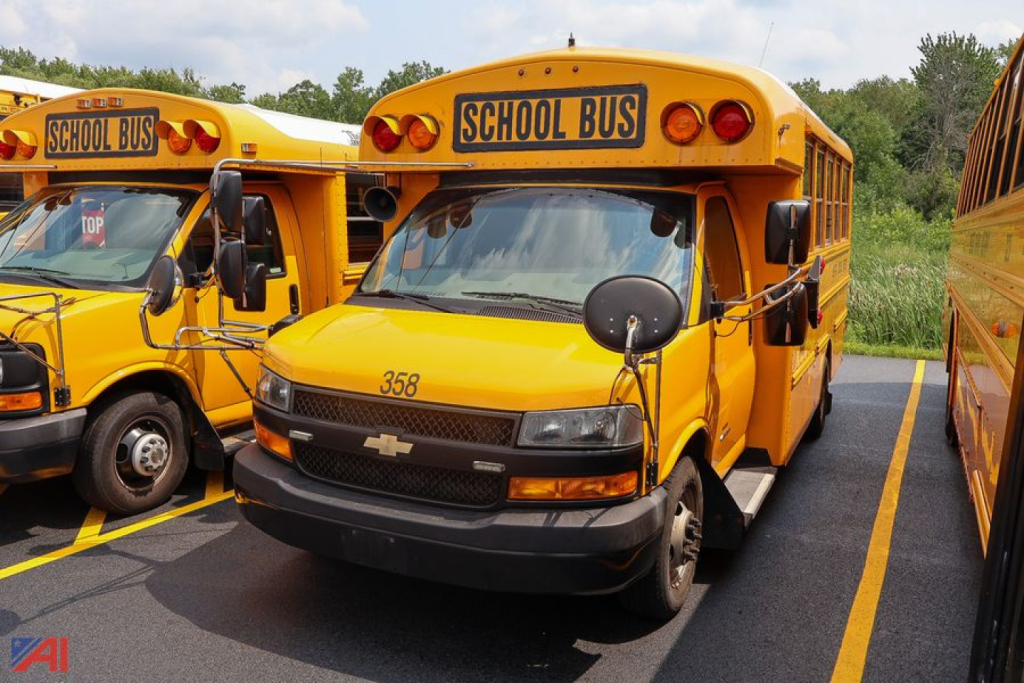
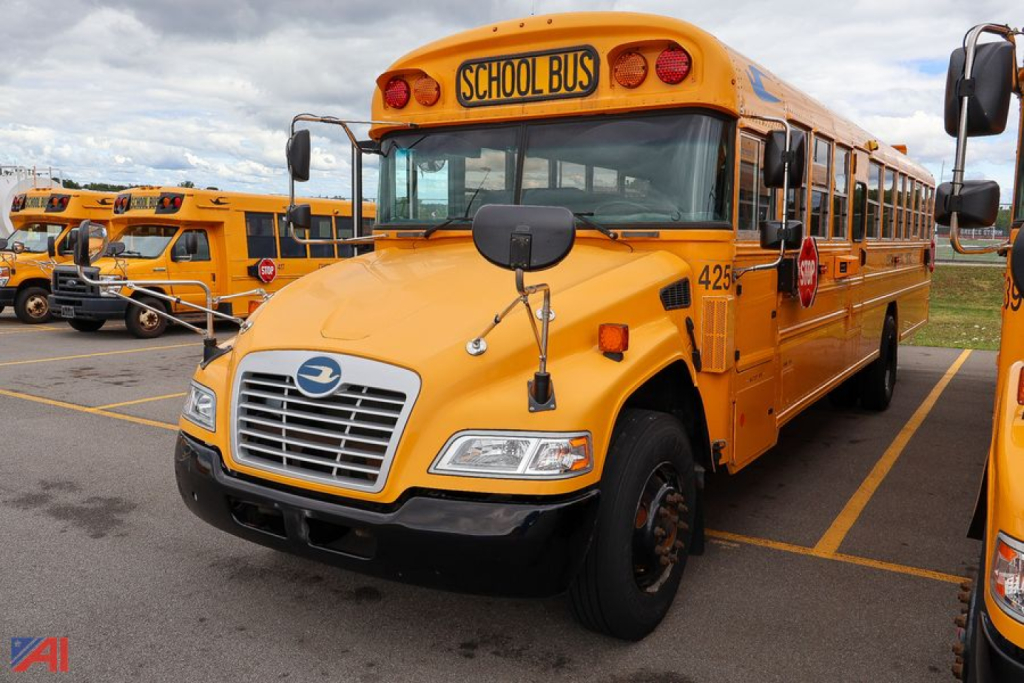
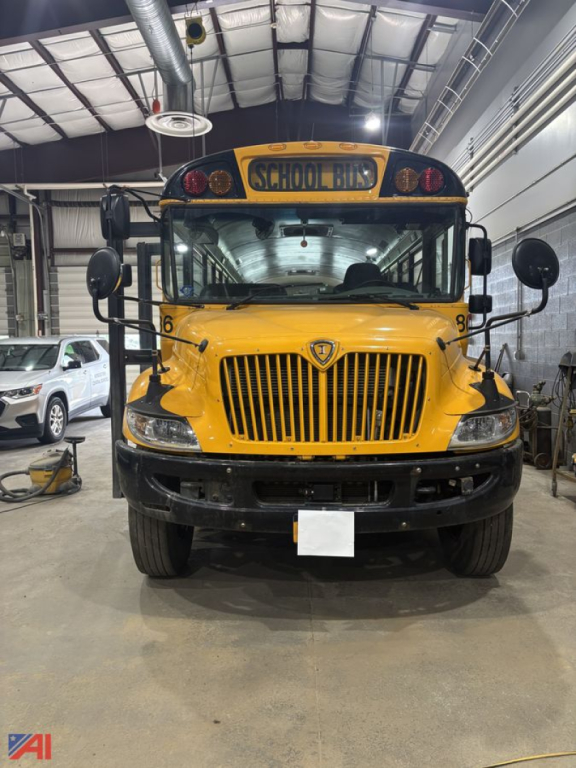
Have used 2020 bus truck to sell? List it here to reach thousands of buyers.
Used 2020 Bus Trucks
Powertrain choice matters more in buses than many buyers expect because duty cycle drives maintenance cost. A 2020 bus commonly carries a diesel engine paired with an Allison automatic, though gasoline and alternative-fuel units also appear in some markets. For stop-and-go work, pay attention to idle hours, cooling system condition, transmission retarder operation if equipped, and brake type such as hydraulic or full air. Suspension design, wheelbase, overall length, turning radius, and GVWR all affect how the bus performs in urban routes, school loading zones, parking lots, and narrow secondary roads.
Body and interior layout should be matched to the actual job before anything else. School bus buyers often focus on seating count, emergency exit compliance, crossing arm and warning light function, and rust around stepwells, floor structure, and skirt panels. Shuttle and transit bus buyers usually look harder at ADA equipment, kneeling suspension, wheelchair lift or ramp condition, HVAC output, door cycle reliability, and passenger flow through front and rear entry points. On any used 2020 bus, inspect multiplex electrical systems, dash warning history, roof seams, window seals, luggage doors if equipped, and evidence of water intrusion around the floor and sidewalls.
A strong buyer comparison usually includes mileage, engine hours, service records, emissions repair history, and the availability of replacement body parts for the make and model. It is also smart to confirm seat belt configuration, state or local specification compliance, tire date codes, and remaining life in high-cost components such as injectors, DPF assemblies, air compressors, and lift equipment. Used 2020 bus trucks can be a practical fit for schools, contractors, senior transport, airport service, and municipal operations when the chassis, passenger layout, and maintenance history line up with the route.
Frequently Asked Questions about Used 2020 Bus Trucks
What should I check first on a used 2020 bus truck?
Start with service records, mileage, engine hours, and emissions-system history. A bus can show moderate mileage but still have a demanding stop-and-go duty cycle that increases wear on brakes, cooling components, door systems, and aftertreatment parts. Also verify passenger equipment operation, including HVAC, warning lights, wheelchair lift or ramp systems, and emergency exits.
Are 2020 buses typically diesel or gasoline?
Many 2020 buses are diesel-powered and paired with Allison automatic transmissions, especially school and transit-style units. Gasoline engines appear more often in smaller shuttle applications, and some fleets also spec propane, CNG, or hybrid drivetrains. The right fuel type depends on route length, local fuel access, technician familiarity, and long-term maintenance planning.
What is the difference between a school bus and a transit or shuttle bus?
School buses are built around regulated passenger protection requirements, higher seating counts, and frequent loading-zone operation. Transit and shuttle buses are usually designed for easier passenger entry, ADA access, and faster boarding through low-floor or specialized door layouts. The body style, floor height, storage setup, and seating arrangement are often more important than the badge on the front.
How important are mileage and engine hours on a used bus?
Both matter because buses often spend long periods idling or operating in low-speed service. Engine hours can reveal wear that mileage alone does not show, especially on municipal, school, or transit routes. A lower-mile bus with very high idle time may need closer inspection of the cooling system, aftertreatment, turbocharger, and accessory drive components.
What common trouble spots should buyers inspect on a used 2020 bus?
Common inspection points include DPF and DEF system history, rust at the stepwell and underbody, roof seam leaks, suspension wear, brake condition, door mechanism operation, and HVAC performance. On passenger buses, electrical issues can also show up in warning circuits, multiplex controls, wheelchair lift functions, and interior lighting. A thorough pre-purchase inspection should include both chassis systems and body equipment.