
Used Bus Trucks For Sale in Massachusetts
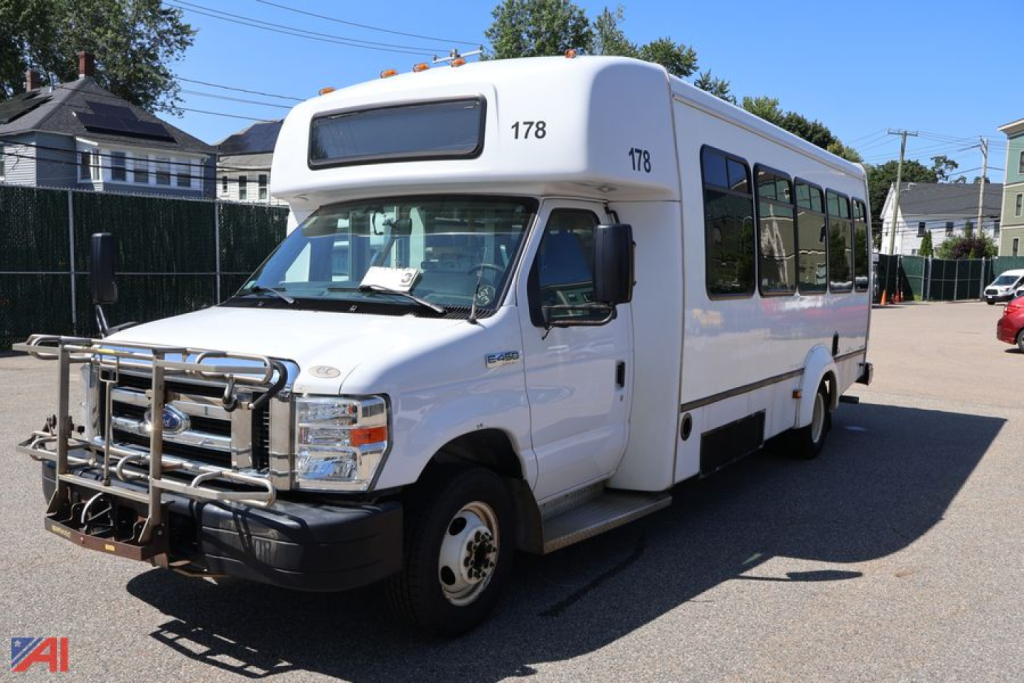
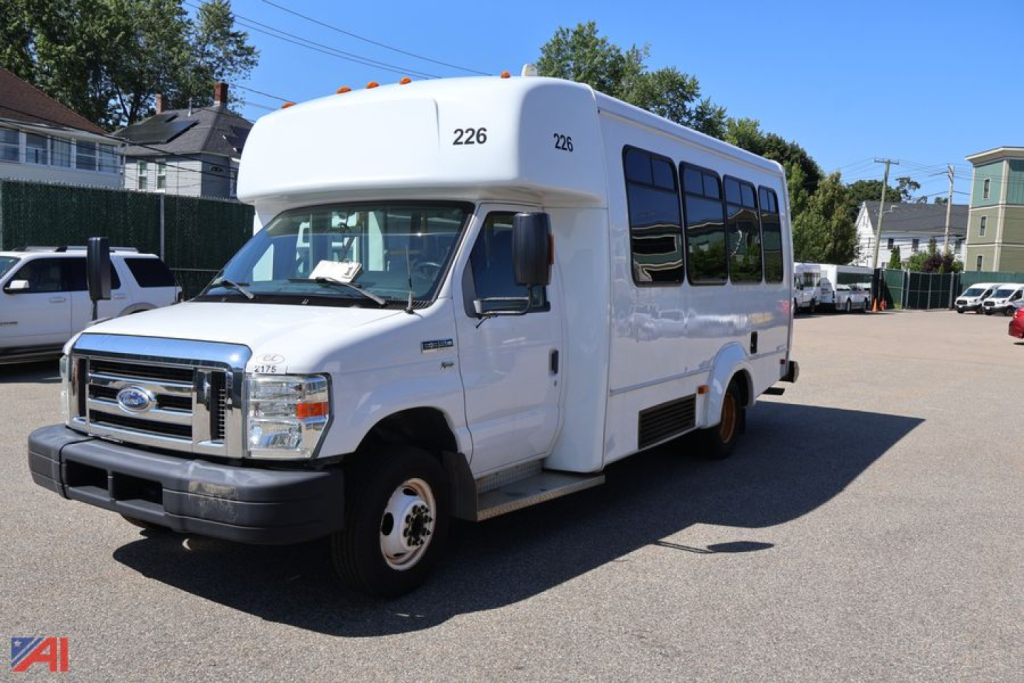
Have used bus truck to sell? List it here to reach thousands of buyers.
Used Bus Trucks in Massachusetts
The first buying decision is usually capacity and floorplan. Some used bus trucks are configured for ambulatory passengers only, while others are set up for ADA-focused service with wheelchair positions, retractors, occupant restraints, grab rails, and lift interlocks. Seating layout, aisle width, headroom, and door operation all affect route efficiency. If the bus will be used in urban Massachusetts service, pay close attention to turning radius, overall body length, step-in height, and visibility in tight streets, school zones, hospital campuses, and loading areas. For winter operation, buyers should also look closely at heater performance, defrost capacity, body corrosion, undercarriage condition, and door seal integrity.
On a used bus, the body equipment can drive maintenance costs more than the engine. Inspect the wheelchair lift through a full cycle under load if possible, and verify condition of hydraulic components, platform edges, handrails, warning lights, and backup safety features. Check the age and operation of the HVAC system, multiplex or body control wiring, destination or warning lighting, and passenger door mechanisms. Inside the cabin, look for wear in seat mounts, flooring, securement tracks, wall panels, and driver controls. Service history is important, but so is duty cycle. A bus used in stop-and-go transit work may show more brake, suspension, and transmission wear than one used on light scheduled shuttle runs.
Massachusetts buyers should also confirm emissions compliance, registration class, GVWR, and any state or local requirements tied to commercial passenger use. A solid used bus truck should match the route, passenger mix, and loading pattern without overbuying capacity. For many operators, the right unit is not the newest one. It is the one with a dependable chassis, a clean body structure, a properly functioning accessibility package, and documentation showing that routine fleet maintenance was kept up.
Frequently Asked Questions about Used Bus Trucks in Massachusetts
What should I inspect first on a used wheelchair bus?
Start with the wheelchair lift, securement system, and body structure. Run the lift through its full operating cycle, check for smooth deployment and stowage, and inspect hydraulics, switches, interlocks, handrails, and platform condition. After that, look closely at floor integrity, corrosion around door openings, seat mounting points, and the condition of passenger restraint equipment. On many used buses, body and accessibility equipment can create more downtime than the chassis if those systems have been neglected.
Are Ford E-350 based buses a good fit for commercial shuttle or paratransit work?
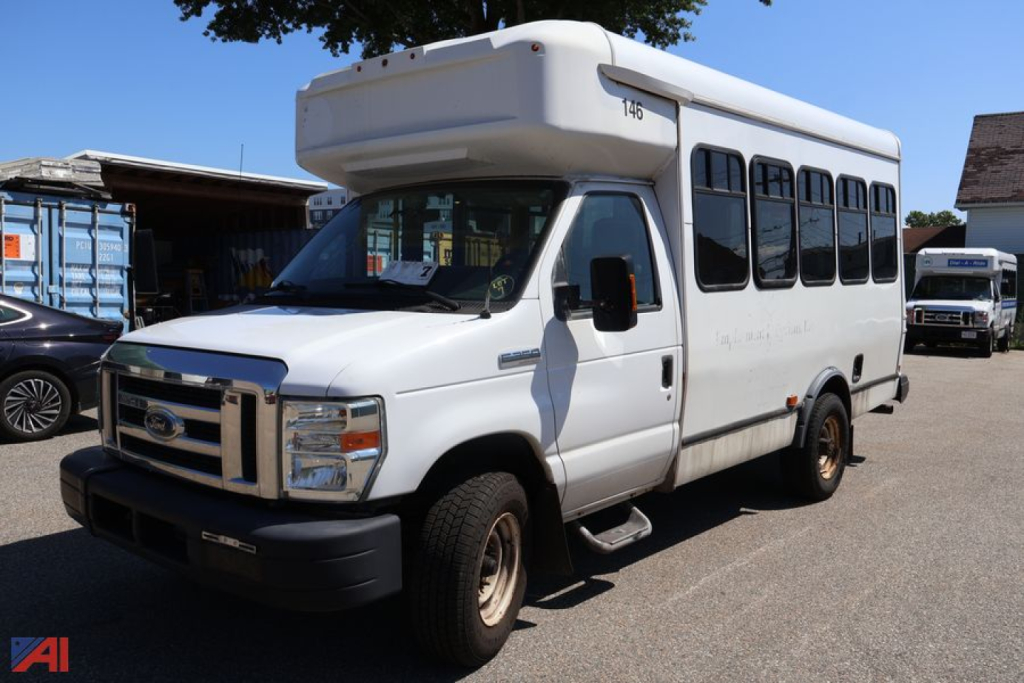
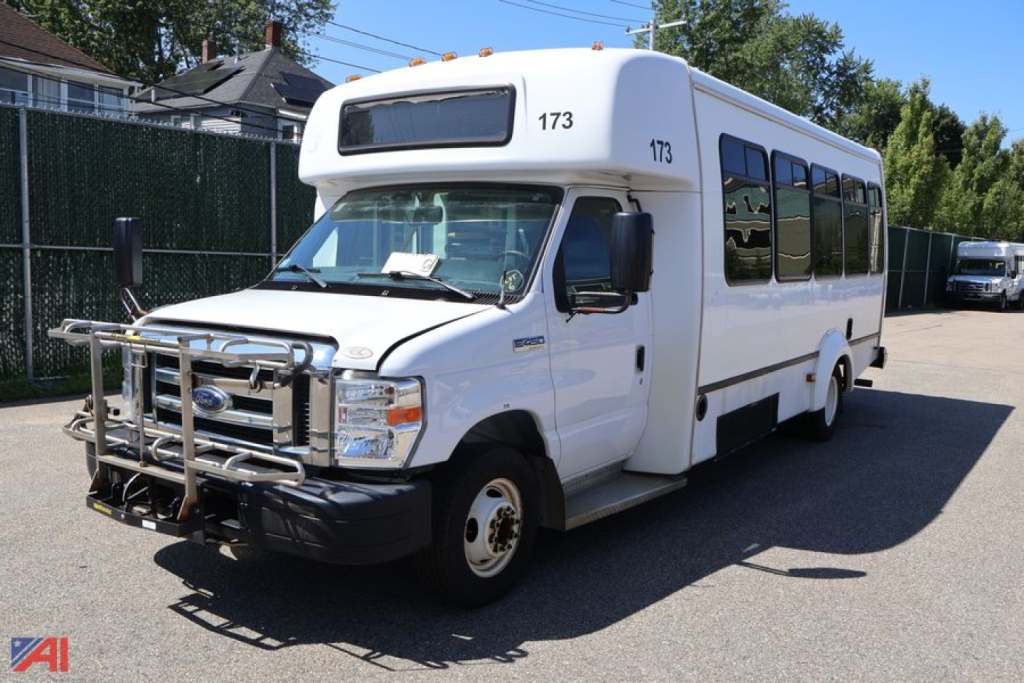
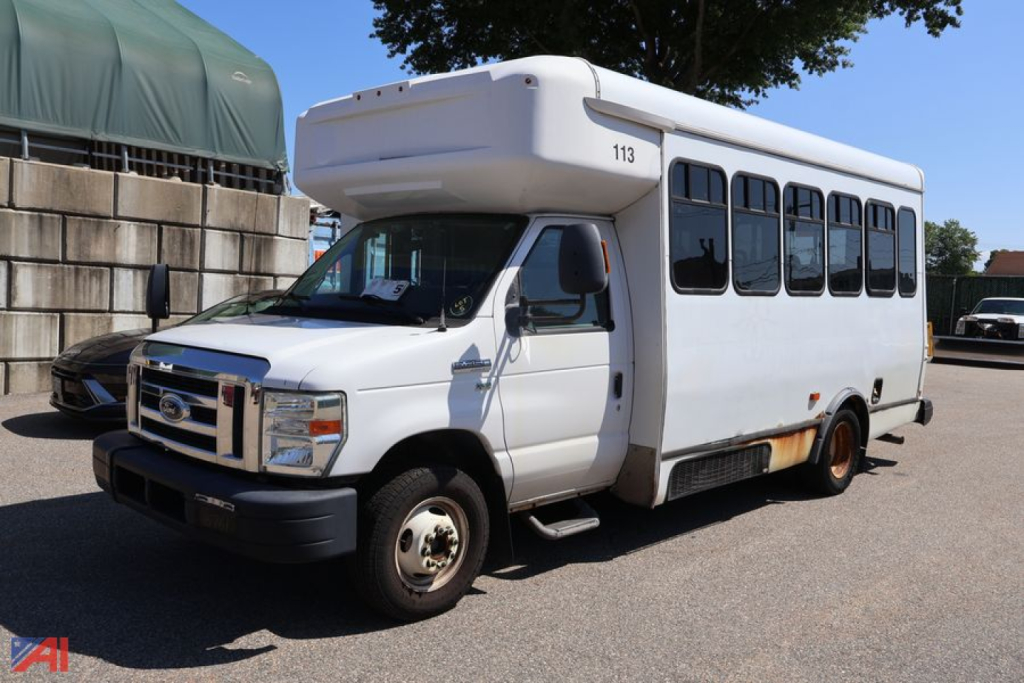
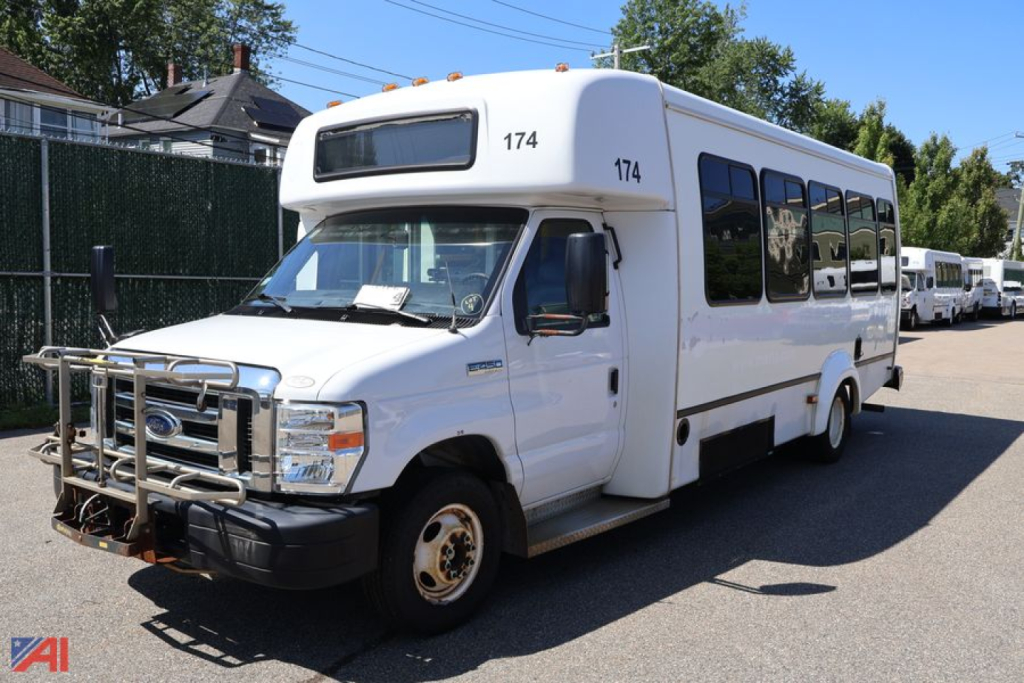
Yes, Ford E-350 based buses are widely used for shuttle, senior transport, and paratransit applications because they balance passenger capacity, serviceability, and manageable overall size. The platform is familiar to many fleet shops, parts availability is generally strong, and the chassis works well for local and regional routes. Buyers still need to match axle ratings, GVWR, seating layout, and body builder quality to the intended duty cycle, especially if the bus will carry wheelchair positions or operate in frequent stop service.
What matters most when buying a used bus truck in Massachusetts?
Corrosion, heating performance, and cold-weather body condition should be near the top of the list. Massachusetts service often means exposure to road salt, freeze-thaw cycles, and heavy heater use, so inspect the underbody, brake and fuel lines, step wells, lift mounting areas, and lower body panels carefully. Good defrost output, tight door seals, and reliable starting and charging systems also matter for year-round passenger service.
How do I choose the right size used bus for my operation?
Choose size based on actual passenger count, accessibility needs, route geometry, and dwell time at stops. A larger bus can add capacity, but it also increases weight, fuel use, and maneuvering challenges in urban areas or small loading zones. A smaller cutaway bus is often easier to place in mixed-use service, especially when the route includes tight turns, medical facilities, senior centers, or municipal pickup points. The best fit is the one that handles peak loads without carrying unnecessary size and operating cost.
What maintenance items usually show wear on a used shuttle or transit-style bus?
Common wear points include brakes, front suspension components, steering linkage, transmission performance under stop-and-go use, HVAC systems, passenger doors, and electrical accessories tied to the body. Inside the cabin, flooring, seat frames, grab rails, and wheelchair restraint hardware often reflect the true level of use. Reviewing maintenance records helps, but a hands-on inspection of both chassis and body systems is the best way to understand how the bus was operated and maintained.