
Used 2019 Bus Trucks For Sale in Massachusetts
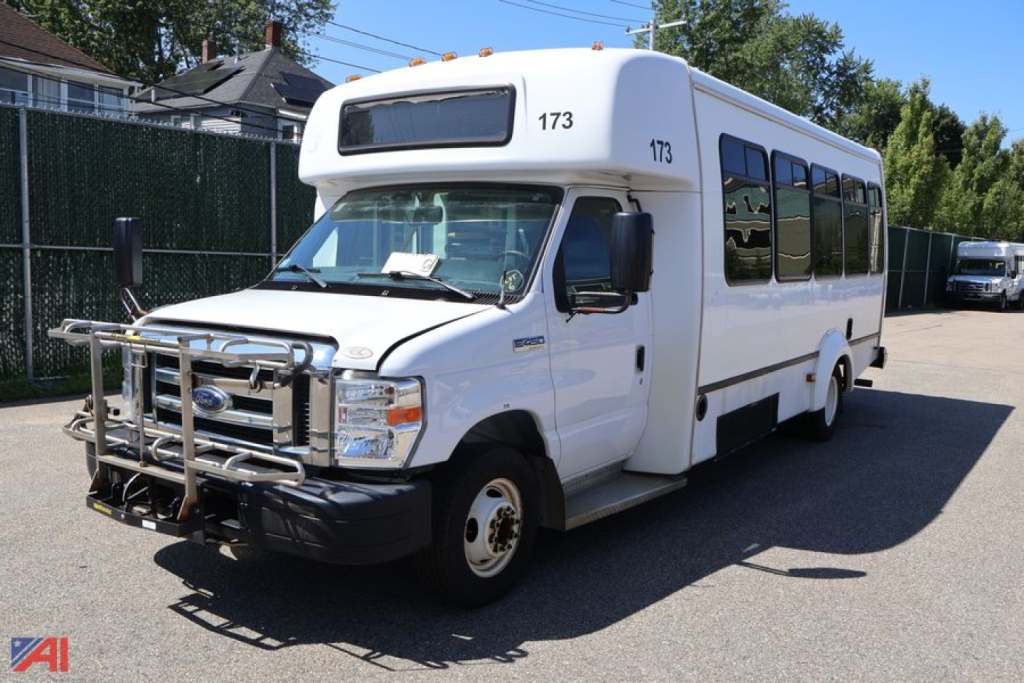
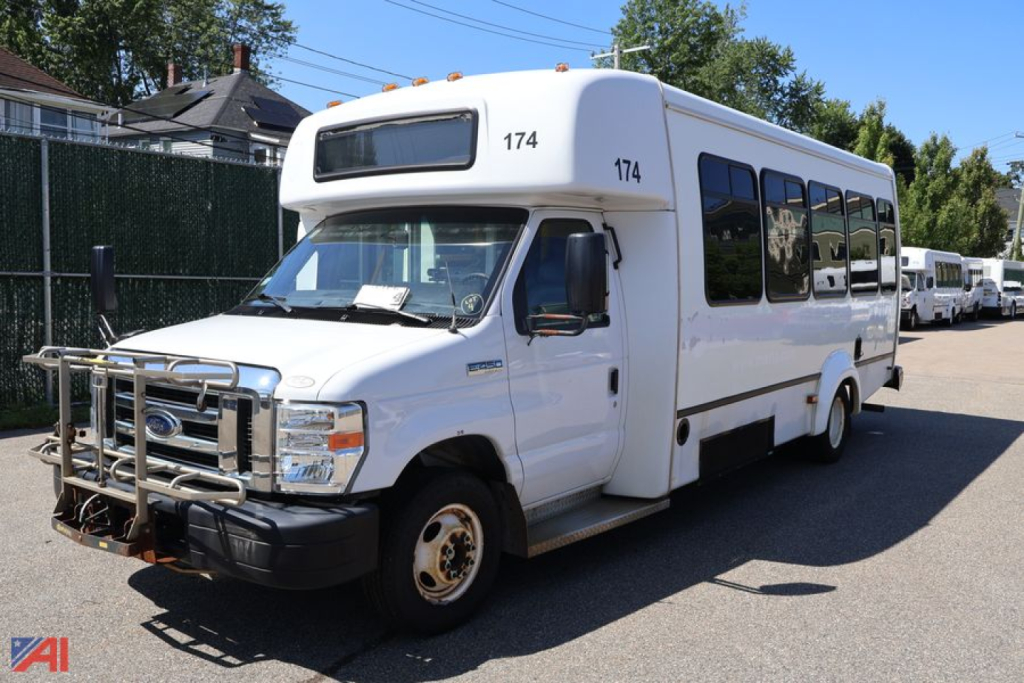
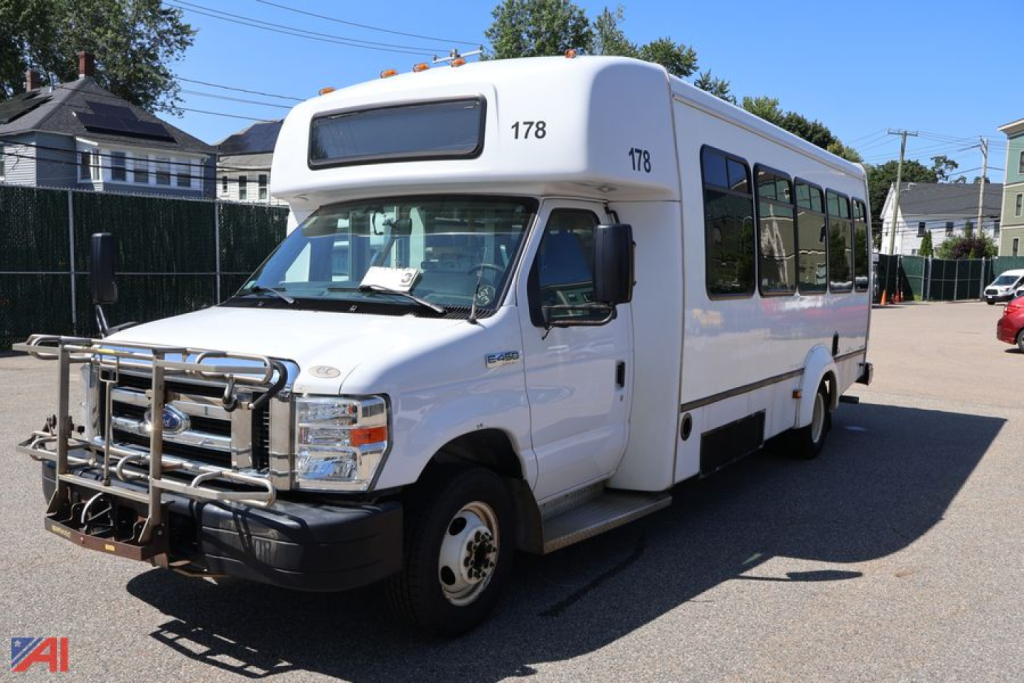
Have used 2019 bus truck to sell? List it here to reach thousands of buyers.
Used 2019 Bus Trucks in Massachusetts
Massachusetts buyers should pay close attention to corrosion, underbody condition, and the service history tied to municipal, school, healthcare, or regional transit use. A 2019 bus truck in this class may have spent years on dense suburban routes with frequent door cycles, lift operation, idling, and short-trip usage. That makes inspection of the wheelchair lift, kneeling system if equipped, side door hardware, electrical accessories, rear HVAC, warning systems, and body seams just as important as engine and transmission condition. On CNG-equipped units, confirm tank age, fuel system inspection records, certified service access, and the local fueling strategy before purchase.
Most bus trucks in this segment are configured for shuttle or non-emergency passenger transport rather than over-the-road coach work. Common features include dual rear wheels, automatic transmissions, high-roof passenger bodies, perimeter or forward-facing seating, wheelchair tie-down stations, and commercial-grade climate control. Buyers comparing listings should verify passenger count, standee restrictions if applicable, lift manufacturer, door style, luggage space, interior floor condition, and whether the body was built by a major transit body manufacturer. If the bus will operate under state or contract service, it is also smart to confirm FMVSS labeling, ADA equipment functionality, and any agency-specific upfit requirements.
A used 2019 bus truck can be a practical fit for adult day programs, airport parking shuttles, hotel transport, church groups, campus circulation, and municipal demand-response routes. The best value usually comes from matching the chassis and body layout to the route profile, not simply choosing the lowest price. A buyer who checks axle ratings, maintenance records, idle hours, ramp or lift cycle wear, HVAC performance, and parts support for both chassis and body will make a much better long-term purchase.
Frequently Asked Questions about Used 2019 Bus Trucks in Massachusetts
What should I inspect first on a used 2019 bus truck?
Start with the service records, wheelchair lift or ramp condition, body integrity, and drivetrain history. On shuttle and paratransit buses, door mechanisms, electrical accessories, rear air conditioning, passenger step areas, and floor structure can show heavy wear from repeated route work. In Massachusetts, rust on the frame, brake lines, underbody supports, and body mounts deserves close attention because corrosion can become a larger cost issue than engine repairs.
Is a Ford E350 or E450 better for a shuttle or wheelchair bus?
The answer depends on payload, passenger count, and route intensity. A Ford E350 can work well for lighter passenger service and smaller body configurations, while an E450 is typically preferred when the bus carries more passengers, multiple wheelchair positions, or runs frequent stop-and-go commercial routes. The E450 generally offers more GVWR headroom and is often the better fit for heavier-duty transit-style use.
Are CNG bus trucks a good choice in Massachusetts?
A CNG bus can be a strong option if fueling access and qualified maintenance support are already in place. Buyers should verify tank certification dates, fuel system inspection history, and local service availability before purchase. CNG can reduce fuel cost exposure in the right operation, but the benefit depends on route planning, infrastructure, and whether the operator is already set up to handle compressed natural gas vehicles.
What are common uses for a used 2019 bus truck?
This category is commonly used for paratransit, non-emergency medical transport, senior living transportation, hotel and airport shuttle work, church transport, campus circulation, and municipal passenger service. Many 2019 units were built with ADA-focused layouts, making them especially suitable for operators that need wheelchair positions, tie-downs, and low-step passenger access.
How important is the bus body manufacturer on a used unit?
It matters because parts support, wiring layout, body panel availability, and repair familiarity often depend on the original body builder. A well-supported body can be easier to maintain over time, especially for windows, doors, lift integration, HVAC components, and interior trim. Buyers should evaluate the bus as a combination of chassis and body, since both affect long-term uptime and repair cost.