
Used 2016 Commercial Trucks For Sale in New York
Browse used 2016 trucks for sale in New York, including day cabs, vocational trucks, medium-duty and heavy-duty commercial applications.
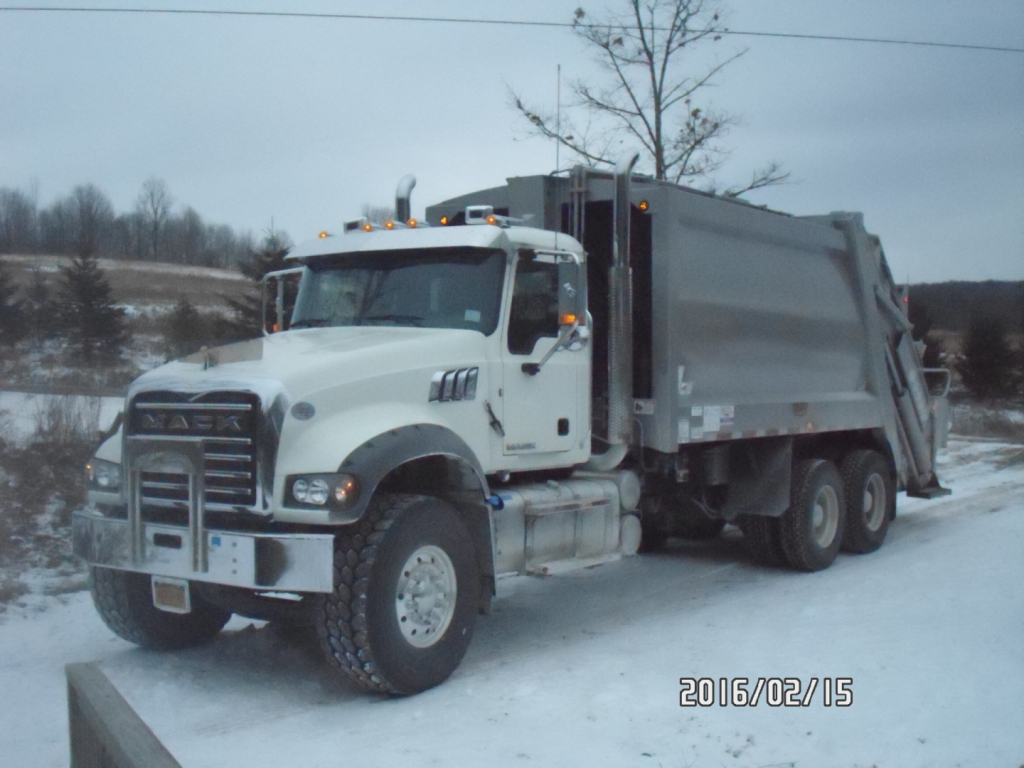
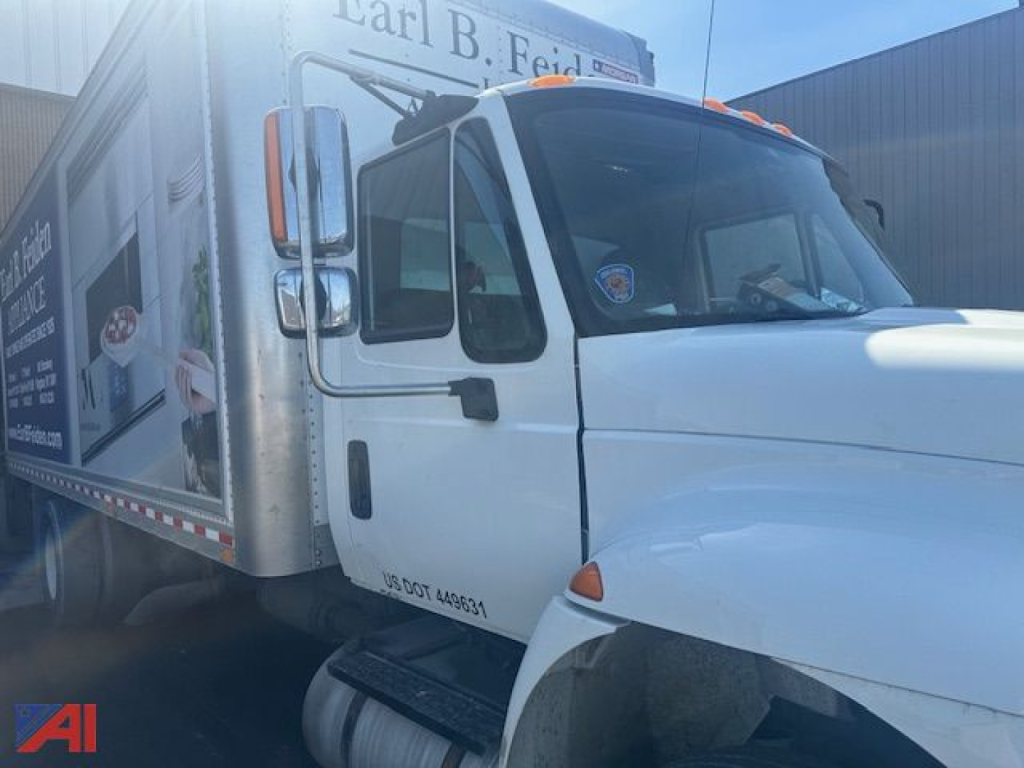
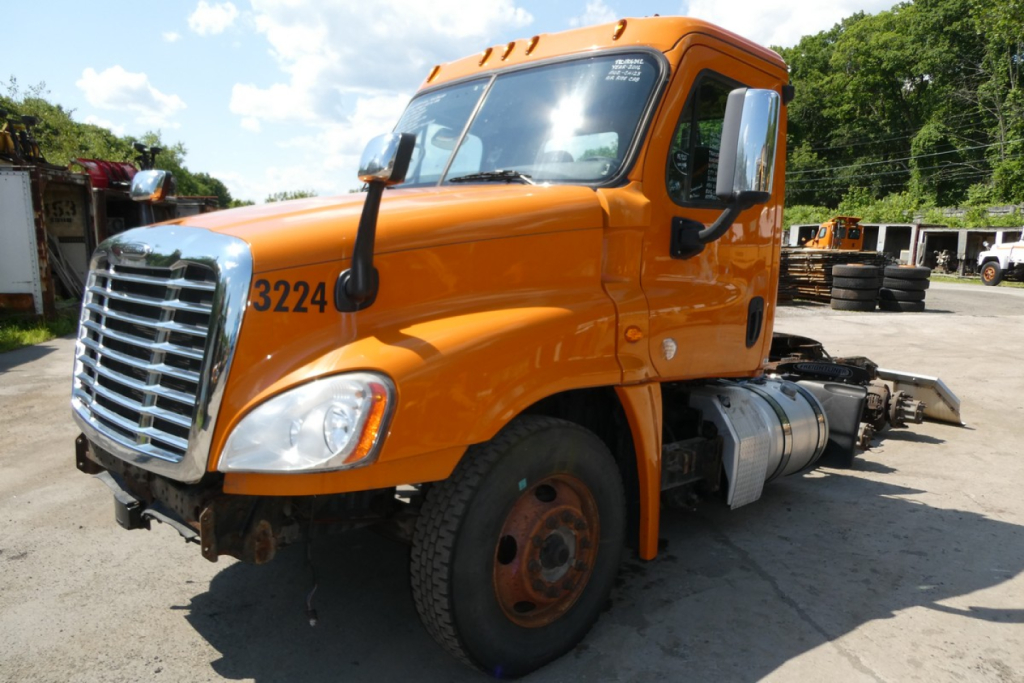
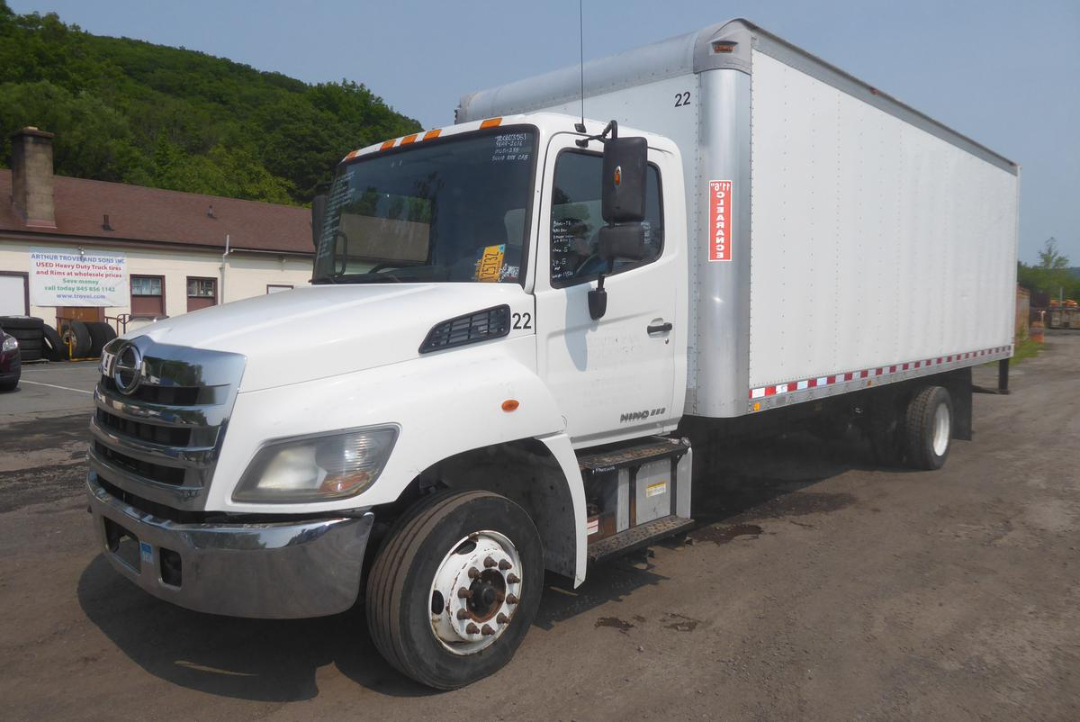
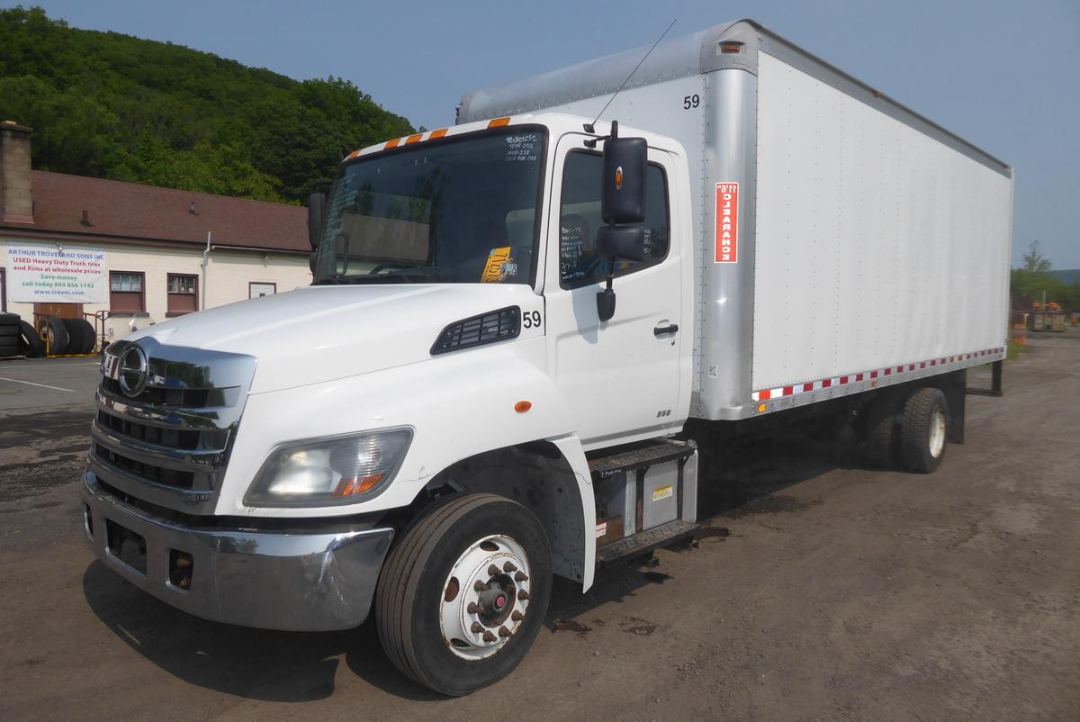
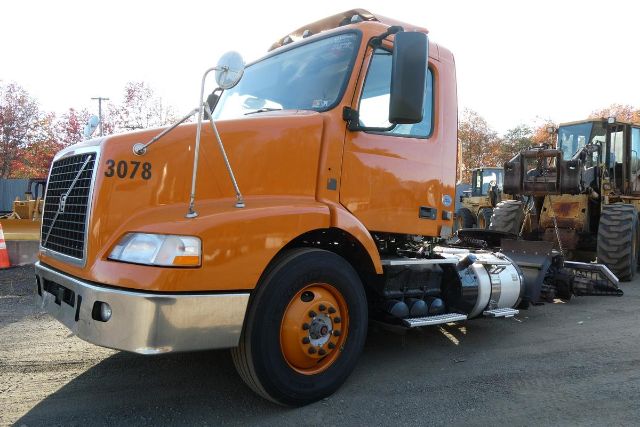
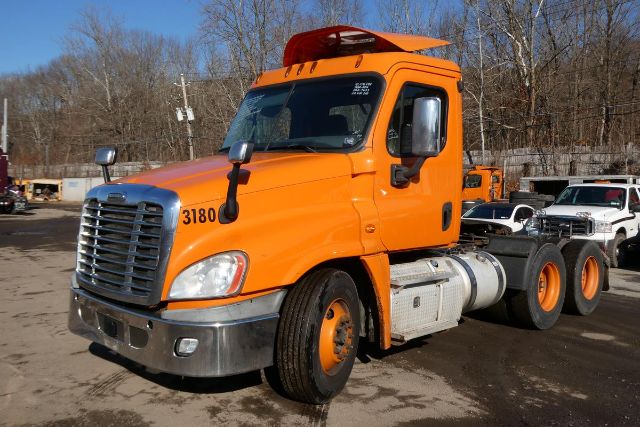
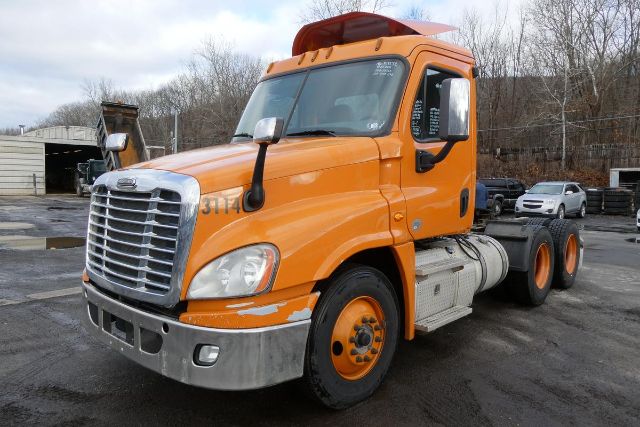
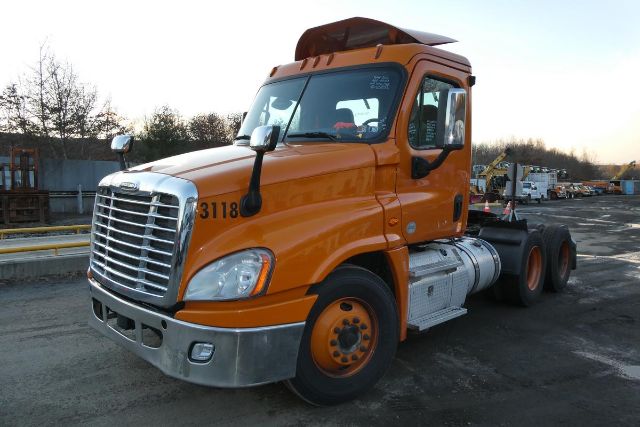
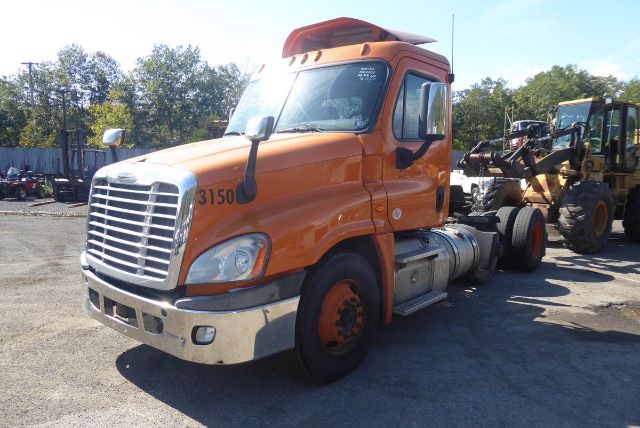
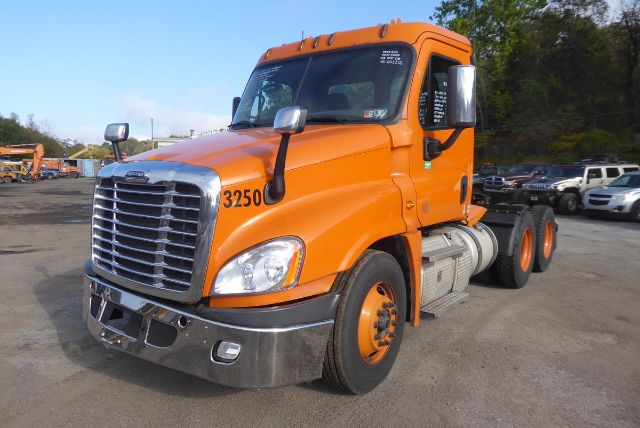
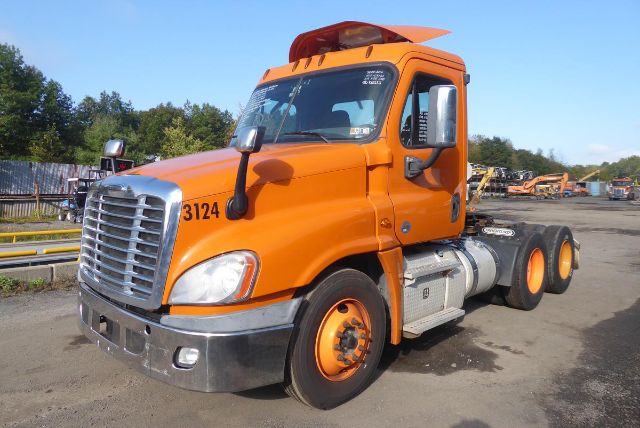
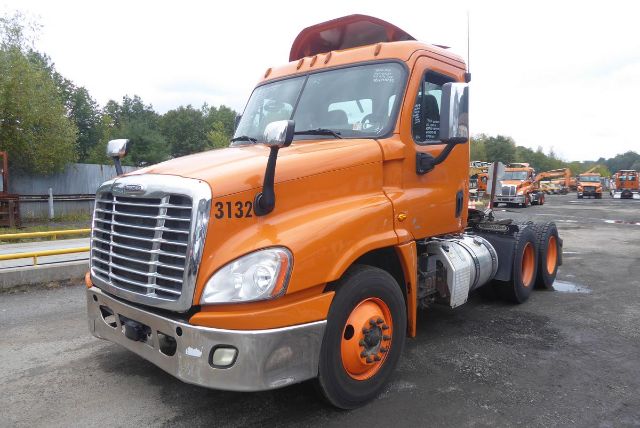
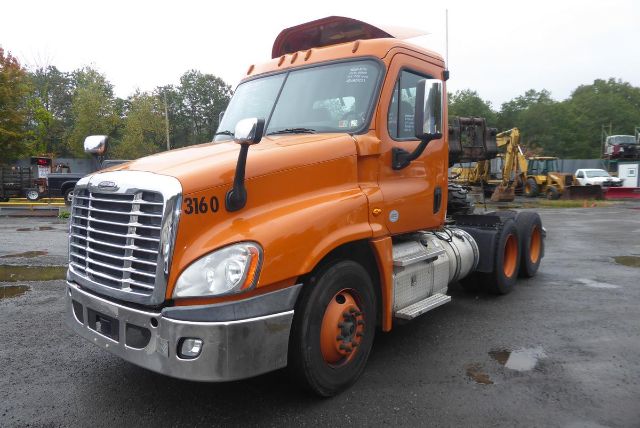
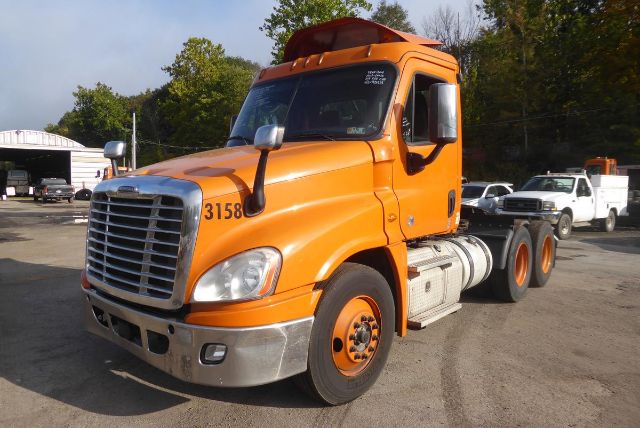
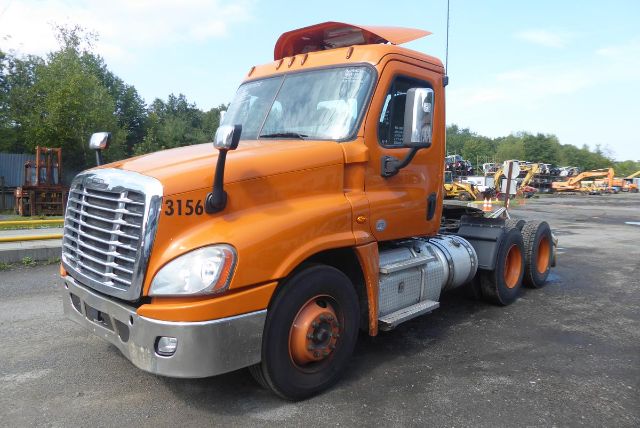
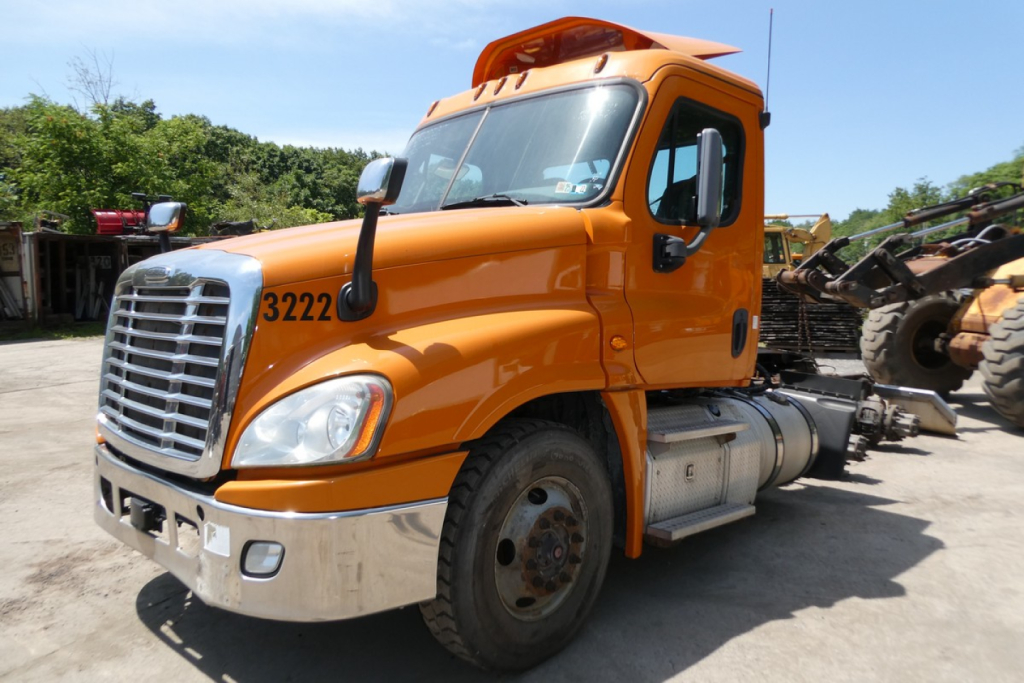
Have used 2016 commercial truck to sell? List it here to reach thousands of buyers.
Used 2016 Commercial Trucks in New York
For highway use, many 2016 trucks on the market are conventional day cabs or sleeper-based platforms spec'd with 4x2 or 6x4 drivetrains, 10-speed manuals, automated manuals, or full automatics depending on duty cycle. Common engines in this age range include Detroit DD13 and DD15, Cummins ISX and ISL variants, Paccar MX series, Volvo D11 and D13, and Mack MP engines. Buyers should pay close attention to horsepower and torque ratings, rear axle ratio, and wheelbase because those three specs do a lot to determine fuel economy, startability, and how well the truck matches regional haul, local delivery, transfer work, or heavier vocational service. In New York, where trucks often see urban congestion, bridge traffic, tighter yards, and winter weather, visibility, turning radius, brake condition, and suspension setup can be just as important as engine output.
For medium-duty and vocational 2016 trucks, body and equipment condition often drives value more than mileage alone. A bucket truck, reefer, dry van, flatbed, hooklift, dump, or beverage body should be evaluated as a complete working package, not just a chassis with an engine and transmission. PTO operation, hydraulic performance, body corrosion, floor condition, liftgate function, boom certifications, frame integrity, and cab-to-axle dimensions all need to line up with the intended use. New York buyers should also watch closely for rust on frames, crossmembers, cab corners, doors, brake components, wiring connections, and body mounts because road salt can have a bigger effect on long-term cost than odometer readings suggest.
A well-chosen used 2016 truck can still be a dependable revenue unit if the spec matches the work and the maintenance history supports it. Look for consistency between dash miles, ECM miles, and engine hours when available. Check for aftertreatment service records, transmission repairs, injector or turbo history, and signs of excessive idle time. On heavier trucks, front axle rating, rear axle capacity, fifth wheel style, and kingpin setting compatibility all affect how useful the truck will be in real service. On straight trucks, focus on payload after body weight, door openings, inside dimensions, and any special equipment that would be expensive to add later. The best 2016 truck is usually the one with the cleanest operating history, the right spec for the lane or job, and the least amount of deferred maintenance.
Frequently Asked Questions about Used 2016 Commercial Trucks in New York
Is a used 2016 truck a good value for commercial buyers in New York?
A used 2016 truck is often a strong value because it is new enough to offer modern drivetrains, better cab ergonomics, and broad parts support, but old enough to be priced below newer late-model equipment. For New York operations, value depends on more than age. Rust exposure, emissions system maintenance, body condition, and the truck's original spec all matter. A properly maintained 2016 truck with documented service history can be a better buy than a newer truck with poor maintenance or the wrong axle, wheelbase, or body configuration.
What should I check first on a used 2016 truck?
Start with the truck's intended application, then confirm that the key specs support that use. Review engine make and rating, transmission type, axle configuration, rear ratio, wheelbase, GVWR, and any body or PTO equipment. After that, inspect maintenance records, engine hours, odometer consistency, tire wear, brake life, suspension condition, and signs of corrosion. On emissions-equipped trucks, DEF system and aftertreatment history are especially important because those repairs can quickly change the total cost of ownership.
Are 2016 diesel trucks affected by DEF and emissions system concerns?
Yes. Most 2016 diesel trucks are fully emissions-equipped and typically use DEF, EGR, DPF, and SCR systems. That does not make them a bad purchase, but it does mean buyers should verify service records for sensors, DPF cleaning intervals, doser components, DEF pumps, and any history of derates or fault codes. A 2016 truck that has had consistent preventive maintenance on its aftertreatment system is generally a safer buy than one with missing records or obvious warning lights.
What truck specs matter most for New York regional and local work?
For New York routes, wheelbase, axle configuration, and transmission choice are often critical because they affect maneuverability, drivability, and payload. A shorter wheelbase day cab or medium-duty straight truck can be easier to work in tight city streets, older industrial properties, and crowded loading areas. For upstate or longer regional routes, horsepower, torque, rear ratio, and suspension design become more important for gradeability, ride quality, and efficiency. Buyers should also consider brake type, tire size, and traction needs for winter conditions.
How do I compare one used 2016 truck to another when the applications are different?
Compare trucks by total job fit and total operating cost, not just by price or mileage. A day cab, bucket truck, and box truck serve very different purposes, so the right comparison starts with payload needs, body requirements, PTO or hydraulic demand, licensing class, and route conditions. Then look at engine hours, maintenance history, tire and brake condition, frame rust, and any expensive components that are near replacement. The better truck is the one that can go to work with the fewest modifications and the lowest risk of immediate repair expense.