
Used 2016 Conventional Day Cab Trucks For Sale in New York
Used 2016 conventional day cab trucks for sale in New York: compare gearing, emissions history and salt corrosion before choosing a regional tractor.
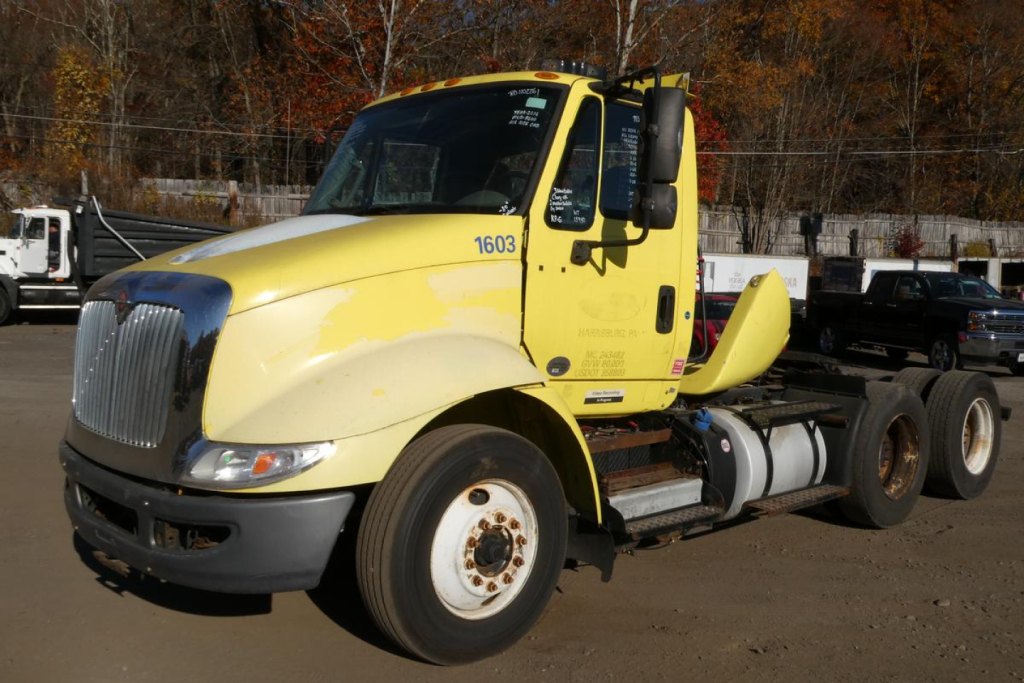
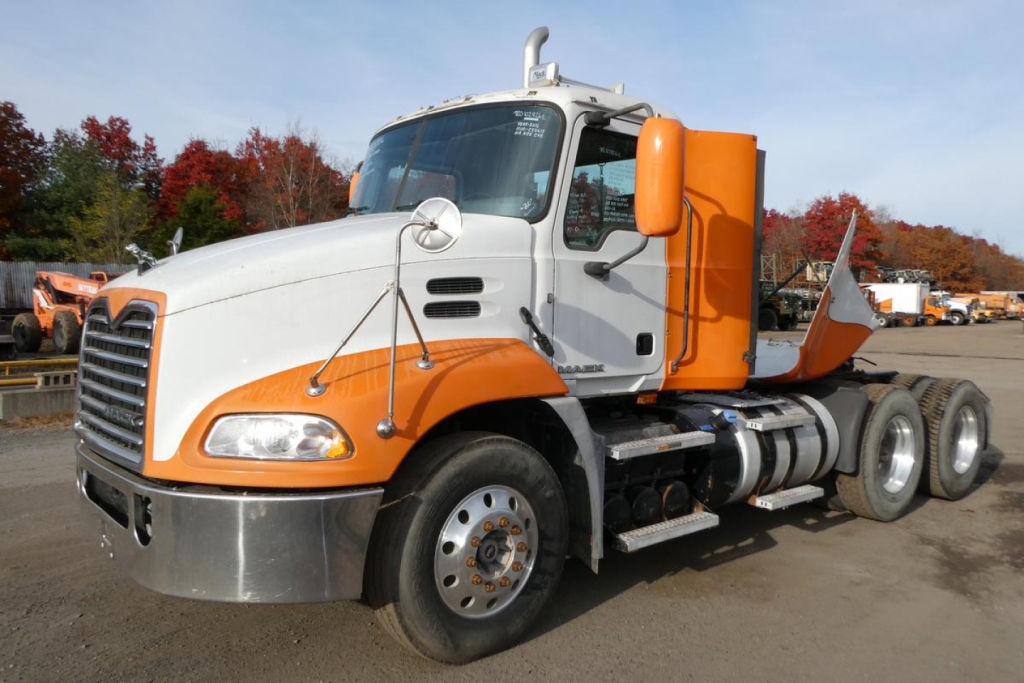
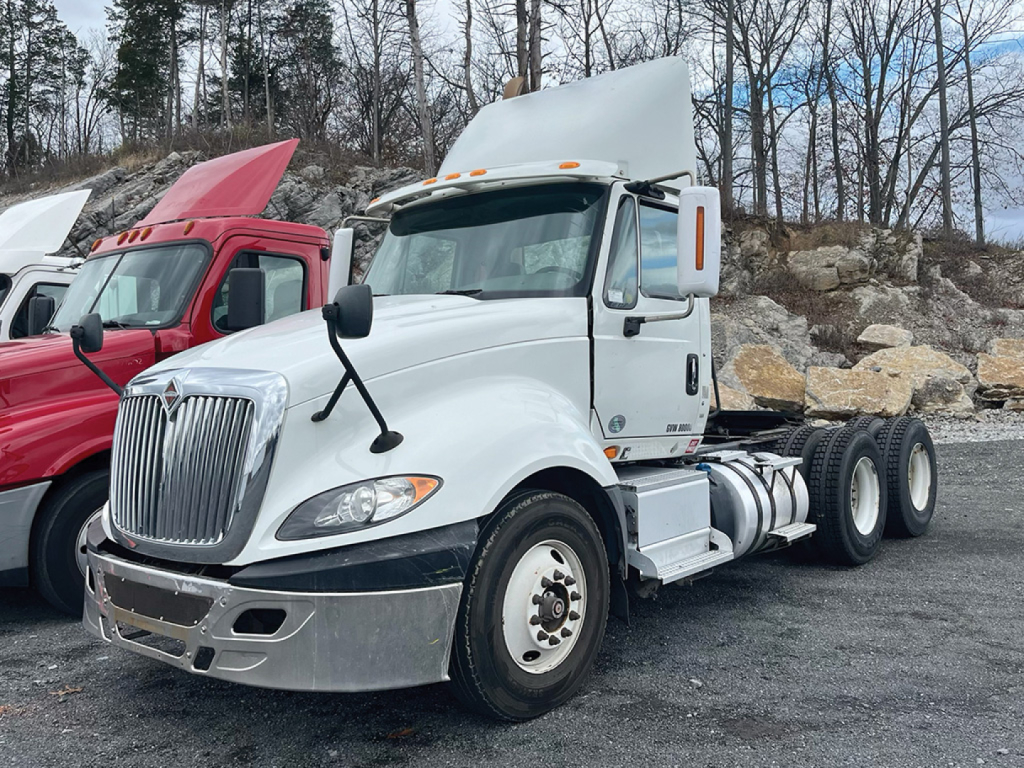
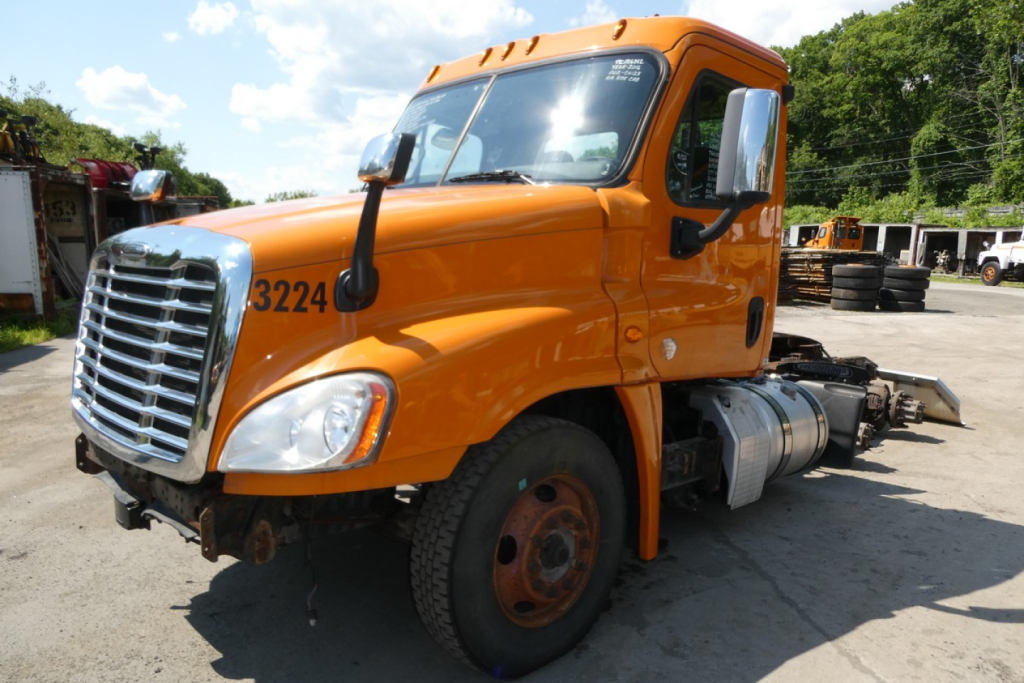
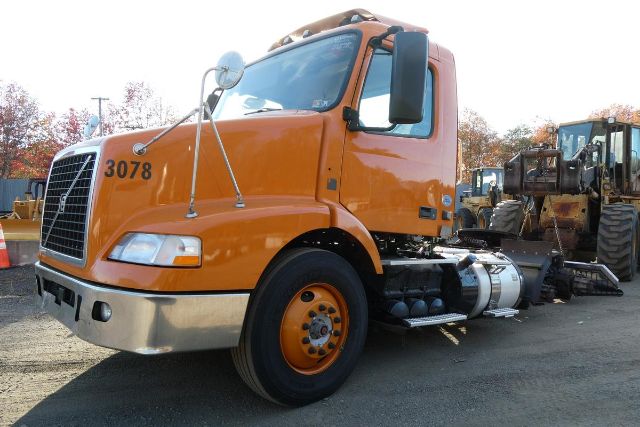
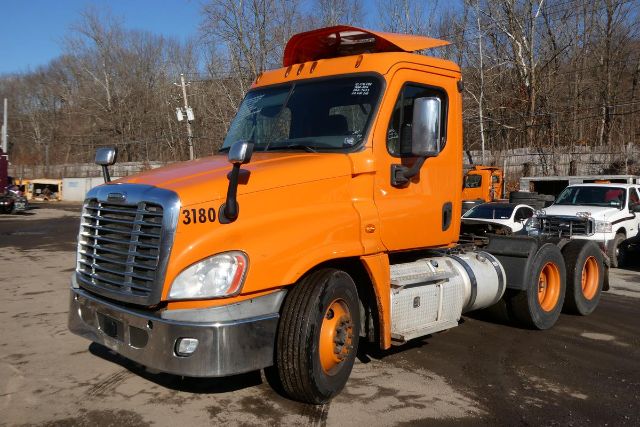
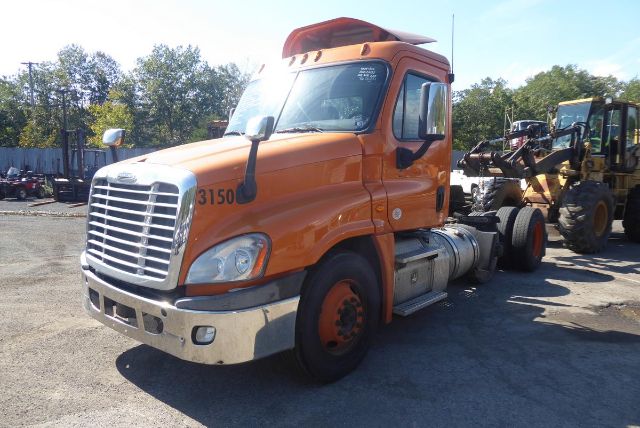
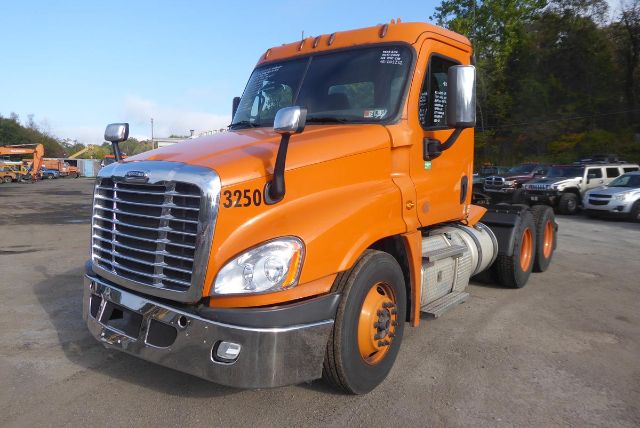
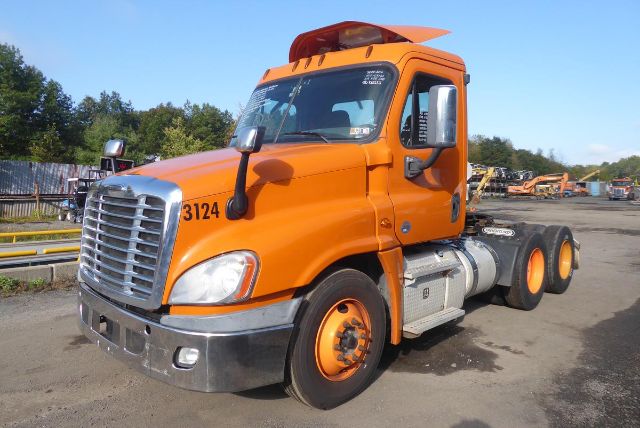
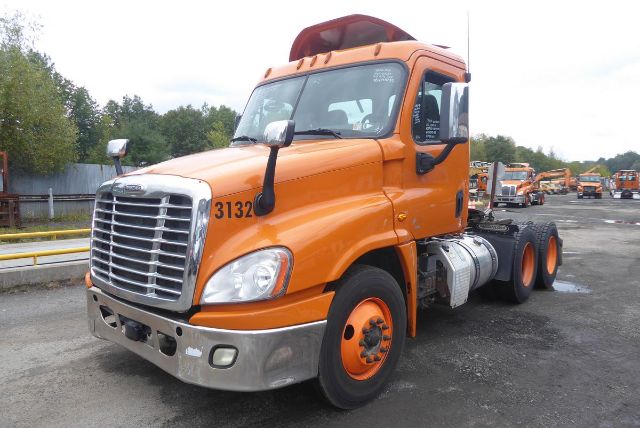
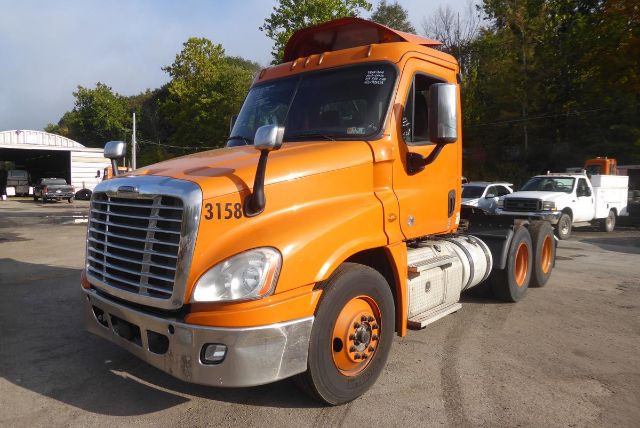
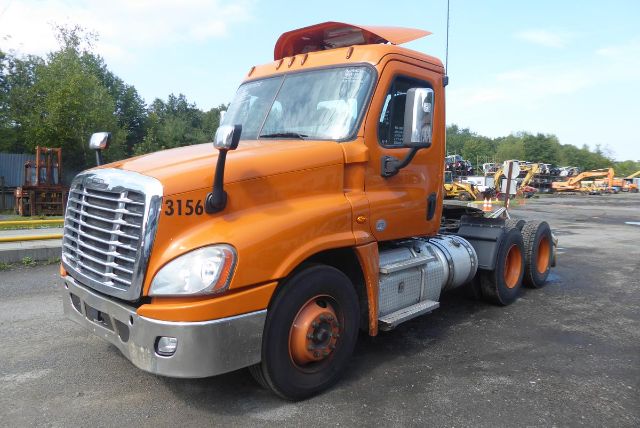
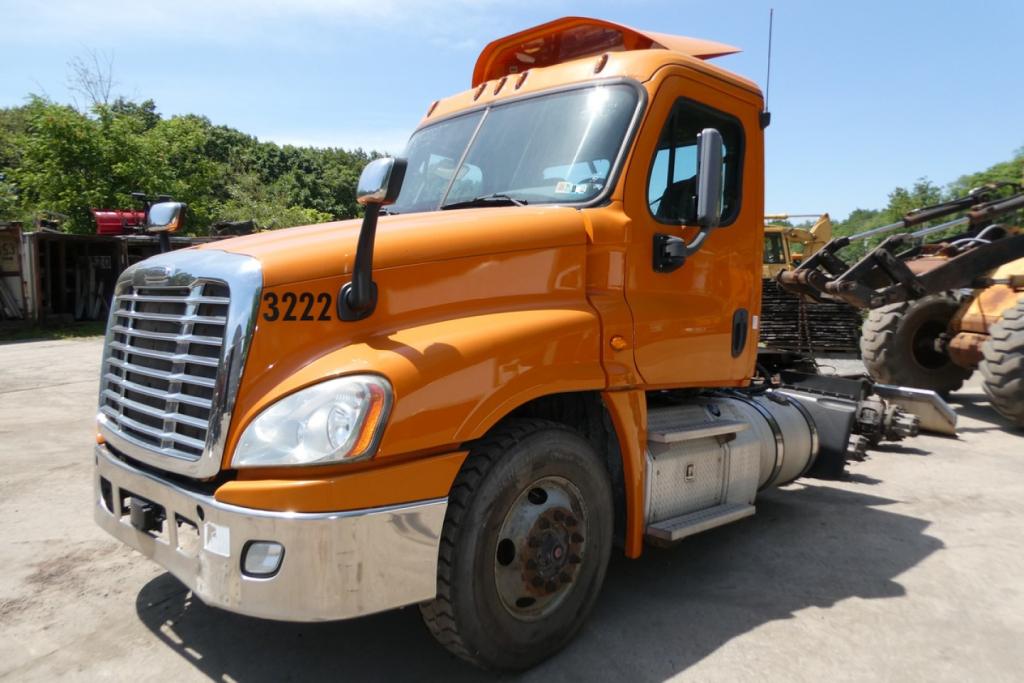

Selling a used 2016 conventional day cab truck? List your used 2016 conventional day cab truck for sale and reach thousands of commercial buyers.
Used 2016 Conventional Day Cab Trucks in New York
The 2016 model year includes original-generation Freightliner Cascadias, Volvo VNM tractors and Mack Pinnacle CXU day cabs, alongside choices from other manufacturers. Common integrated powertrains include Detroit DD13 or DD15 engines with DT12 automated transmissions, Volvo D13 engines with I-Shift, and Mack MP8 engines with mDRIVE. Kenworth T680 and Peterbilt 579 day cabs also warrant comparison, with PACCAR MX-13 or Cummins ISX15 power among their configurations. Verify engine and transmission identification plates because replacement components and seller-entered specifications may not match the original build.
Most factory-built 2016 diesel tractors use a diesel particulate filter, selective catalytic reduction and DEF, so emissions maintenance belongs near the top of the inspection list. Request DPF cleaning records, regeneration history, fault-code reports and documentation for replaced NOx sensors, DEF dosing components or SCR assemblies. Repeated low-speed operation and extended idling can complicate aftertreatment operation; a parked regeneration alone does not establish system health. Confirm that emissions equipment remains intact and that the engine reaches operating temperature during a loaded road test.
Compare odometer mileage with ECM distance, engine hours and service invoices before judging remaining life. An ECM replacement can explain conflicting readings, but the replacement needs documentation rather than an assumption that the lower number is correct. Start the engine cold, check crankcase pressure and fluid condition, and test transmission engagement, clutch operation and shifting under load. A nonrunning tractor needs a documented diagnosis and confirmation that engine, transmission and emissions components are complete. Inspect fifth-wheel mounting, steering play, air-system leakage, brake measurements and suspension bushings rather than relying on percentage-based condition descriptions.
New York road salt makes frame rails, crossmembers, air tanks, brake plumbing, wiring connectors and cab mounts priority inspection points. Look between doubled frame sections and behind fresh undercoating for concealed corrosion. For I-90 distribution work, balance cruise gearing against launch performance; for construction trailers, verify PTO provisions, hydraulic requirements and loaded traction. Check wheelbase, fifth-wheel travel, trailer swing clearance and scaled axle weights together, since a compact tractor can maneuver well yet distribute a particular trailer's kingpin load poorly.
Frequently Asked Questions about Used 2016 Conventional Day Cab Trucks in New York
Is a 6x4 or 6x2 day cab better for New York winter work?
A 6x4 day cab is usually the stronger choice for frequent snow, steep delivery approaches and unpaved construction sites because both rear axles can provide drive traction. A 6x2 tractor can suit maintained highway routes, but its single driven rear axle makes tire selection and load management especially important. On either configuration, verify differential-lock operation and inspect drive tires for matching size, tread depth and winter suitability.
What records should prove an engine overhaul on a used 2016 day cab?
A dated, itemized repair invoice tied to the truck's VIN or engine serial number is the strongest evidence of an overhaul. The invoice should identify mileage, engine hours, replaced components, machine work and the repair facility. An in-frame overhaul does not automatically include injectors, turbocharger, cylinder head or aftertreatment repairs. Ask for the actual scope of work and written terms for any transferable repair warranty.
Does a used day cab tractor need New York Highway Use Tax registration?
New York Highway Use Tax generally applies to trucks and tractors with a gross weight over 18,000 pounds operating on New York public highways, subject to exemptions. Most Class 8 day cab operations therefore need HUT registration and the applicable credentials. Tax treatment also depends on the reporting method and operation, including special treatment for qualifying New York State Thruway mileage. HUT is separate from vehicle registration, fuel-tax reporting and toll accounts.
Will any wet kit on a 2016 day cab operate a lowboy trailer?
A lowboy trailer needs a wet kit matched to its hydraulic pressure, flow, reservoir capacity and return-line requirements. A dump-trailer wet kit is not automatically suitable for a detachable-gooseneck lowboy or moving-floor trailer. Confirm the trailer manufacturer's hydraulic specifications, PTO compatibility with the transmission, pump rotation and hose connections. Test the tractor's hydraulic system under load and inspect the oil for contamination before committing to the pairing.
Can a day cab with a 52,000-pound GVWR pull an 80,000-pound combination?
A 52,000-pound tractor GVWR does not, by itself, rule out an 80,000-pound tractor-trailer combination. Tractor GVWR limits the loaded tractor, including the trailer weight carried through the fifth wheel, rather than the entire combination. Confirm the manufacturer's GCWR, component ratings, registered weight and actual axle loads. Interstate operation must also satisfy applicable axle limits and the federal bridge formula; New York routes and permits can impose additional requirements.