
Used 2016 Box Trucks For Sale in New York
Shop used 2016 box trucks in New York. Compare GVWR, box length, door style, liftgates, brake type, and diesel medium-duty specs.
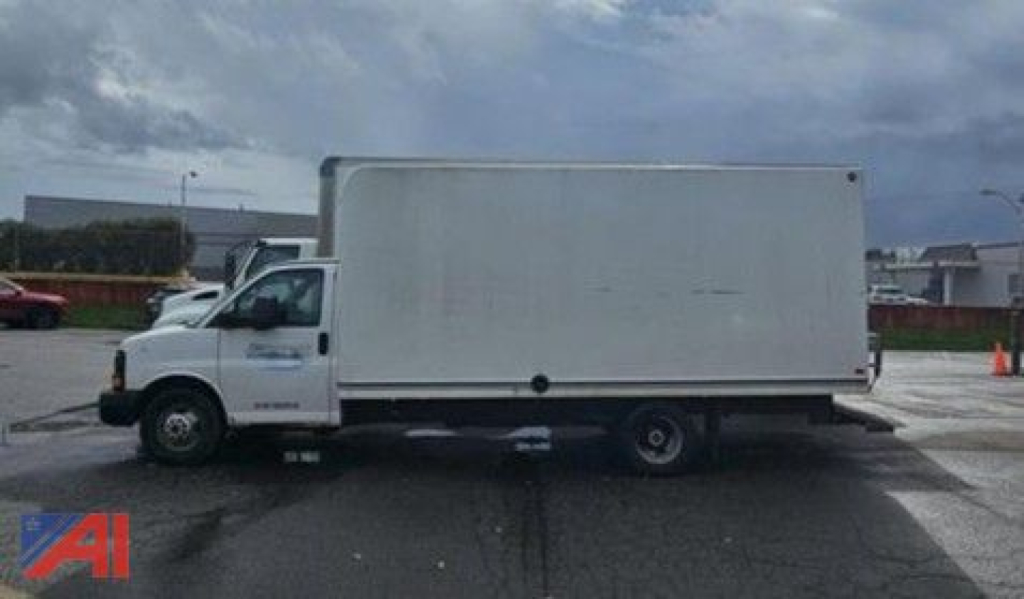
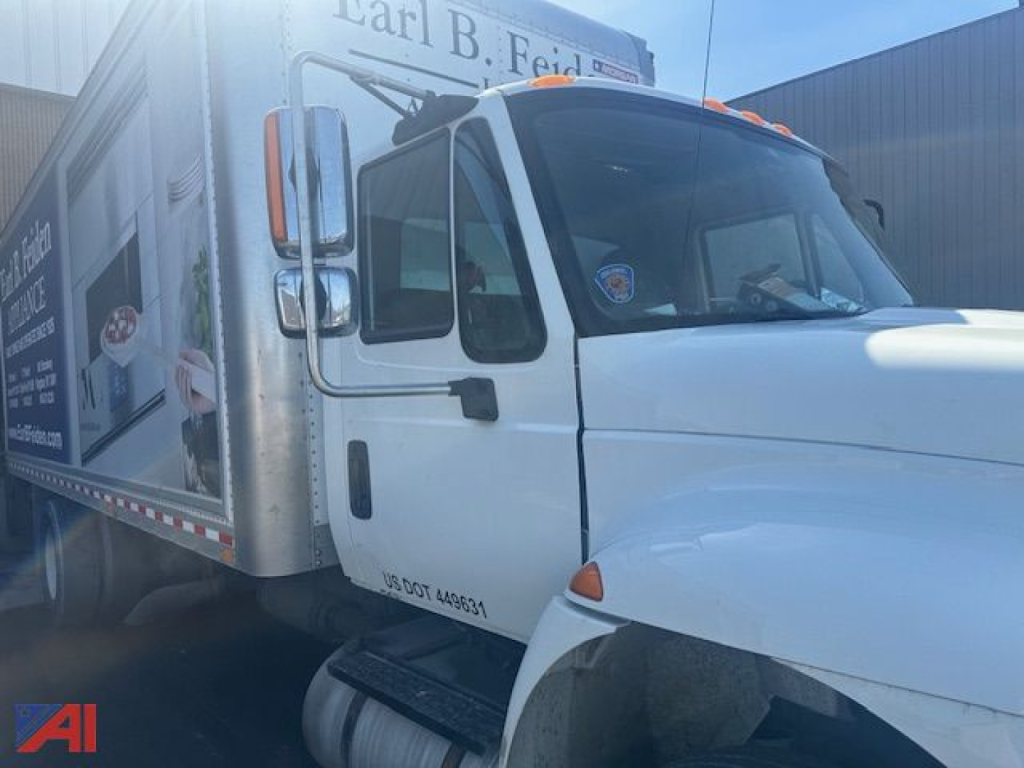
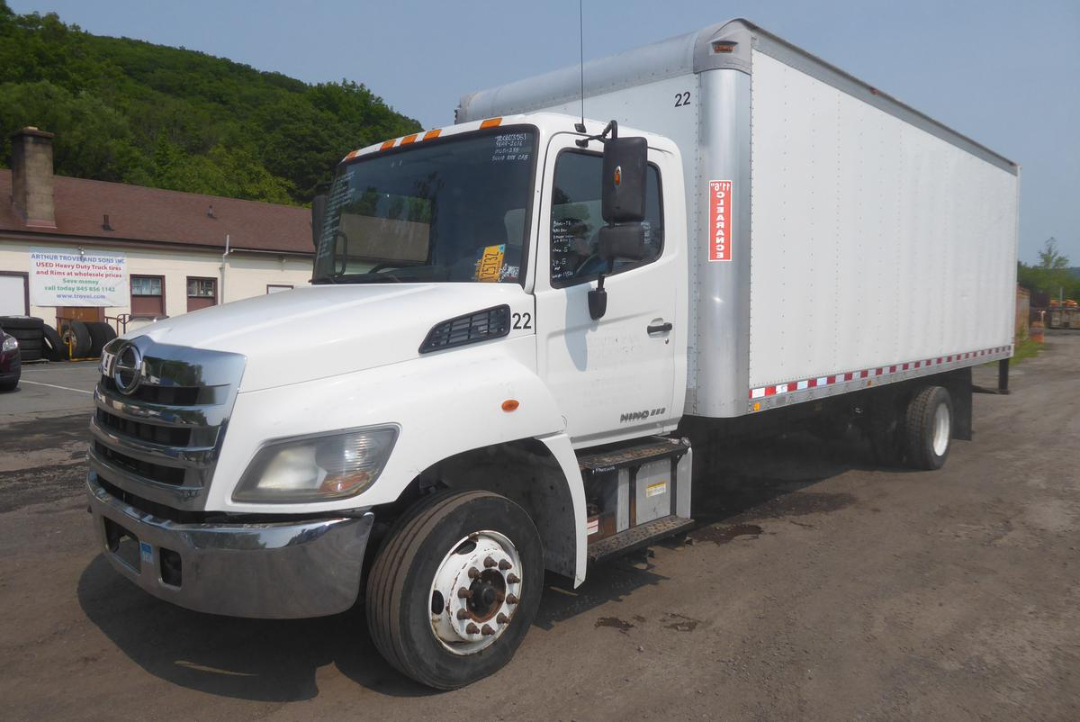
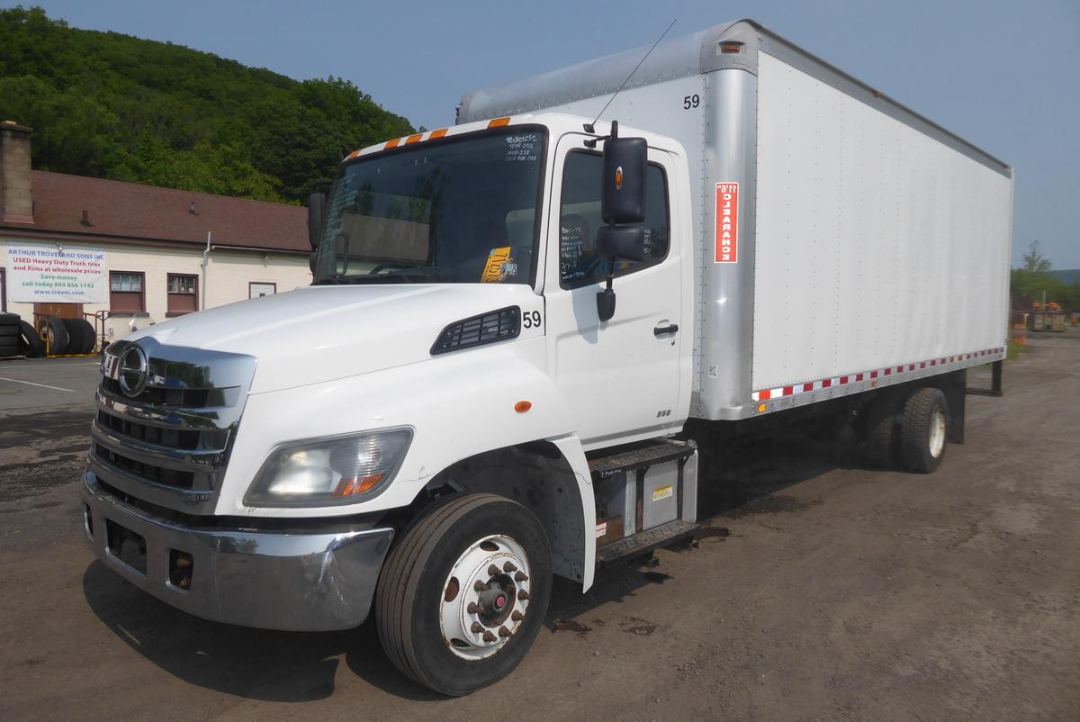
Selling a used 2016 box truck? List your used 2016 box truck for sale and reach thousands of commercial buyers.
Used 2016 Box Trucks in New York
The biggest buying decision is matching box size and payload to your route. A 16 to 18 foot body on a low-cab-forward chassis is easier to maneuver in tight borough streets, alleys, loading docks, and urban delivery zones. A 22 to 26 foot body on a conventional chassis can add cubic capacity and pallet positions, but turning radius, bridge clearance, and curb access matter more in New York than they do in many other states. Roll-up rear doors are common, and some bodies include side access doors, translucent roofs, logistics track, scuff liners, wood or aluminum floors, and liftgates. If dock work is inconsistent, a working liftgate can be a major value point on a used box truck.
Powertrain and brake type deserve close attention on a 2016 unit. Many trucks from this year use diesel engines in the 200 to 260 horsepower range paired with Allison or similar automatic transmissions. DEF systems are common on 2016 diesels, so emissions maintenance history matters. In lighter cabover models, hydraulic brakes are common and can be a good fit for local delivery use. In heavier Class 6 box trucks, air brakes may be preferred for higher GVWR applications and more demanding stop-and-go service. Buyers should also compare axle ratings, rear ratio, suspension type, tire size, and cab-to-axle measurement, since those specs determine not just payload but how usable the body is for your freight.
Body condition often matters as much as engine hours or odometer miles. Check the floor for rot, patchwork, or forklift damage, inspect the front wall and roof for leaks, and look closely at door tracks, seals, and rear frame corrosion. In New York, road salt exposure makes frame condition, crossmember rust, brake line condition, and underbody corrosion especially important on any used box truck. If the truck is being used for moving, parcel, bakery, appliance, or route delivery work, think beyond the truck itself and verify door opening dimensions, interior height, and any liftgate capacity. A good 2016 box truck should fit the freight first, then the route, then the driver.
Frequently Asked Questions about Used 2016 Box Trucks in New York
What GVWR is most common for a used 2016 box truck?
Used 2016 box trucks commonly fall between 16,000 and 26,000 pounds GVWR, depending on chassis class and intended use. Lighter GVWR trucks are often chosen for local delivery and urban routes because they are easier to maneuver and may reduce licensing or operating complexity in some applications. Higher GVWR models usually provide more payload, larger bodies, and heavier-duty axles and suspensions, which makes them better suited for furniture, beverage, appliance, or multi-pallet freight.
Is a cabover or conventional 2016 box truck better for New York routes?
For dense New York delivery work, a cabover box truck often has an advantage because it offers a tighter turning radius, shorter overall length for a given box size, and better maneuverability in city traffic and loading areas. A conventional chassis can still be a strong choice when you want a larger body, heavier chassis components, or a more familiar service network. The right answer depends on your route density, parking constraints, dock layout, and the body length you need.
What should I inspect first on a used 2016 box truck body?
Start with the floor, roof, front wall, rear frame, and door assembly. The floor shows how the truck was loaded and whether forklift traffic or water intrusion caused structural wear. The roof and front wall can reveal leak history, while the rear frame and roll-up door area often show impact damage, corrosion, and alignment issues. On box trucks used in the Northeast, rust around crossmembers, threshold areas, hinges, and body mounts deserves extra scrutiny.
Do most 2016 box trucks have DEF systems?
Yes, many 2016 diesel box trucks use DEF and modern emissions equipment. That means service records are important, especially for the SCR system, DPF maintenance, sensors, and any history of derates or fault codes. A truck with a solid maintenance file is usually a better bet than one with low miles but an unclear emissions history, because downtime from emissions-related repairs can erase any savings from the purchase price.
How important is a liftgate on a used 2016 box truck?
A liftgate can be one of the most valuable features on a used box truck if your freight is delivered to locations without docks or forklifts. It expands where the truck can work and can make route delivery much more efficient. Buyers should verify liftgate capacity, platform size, cycle function, hydraulic leaks, and structural condition, because a weak or damaged liftgate can quickly become a repair expense instead of an advantage.