
Used 2016 Box Trucks For Sale
Browse used 2016 box trucks with common specs, GVWR ranges, body lengths, liftgate options, and delivery-ready configurations.
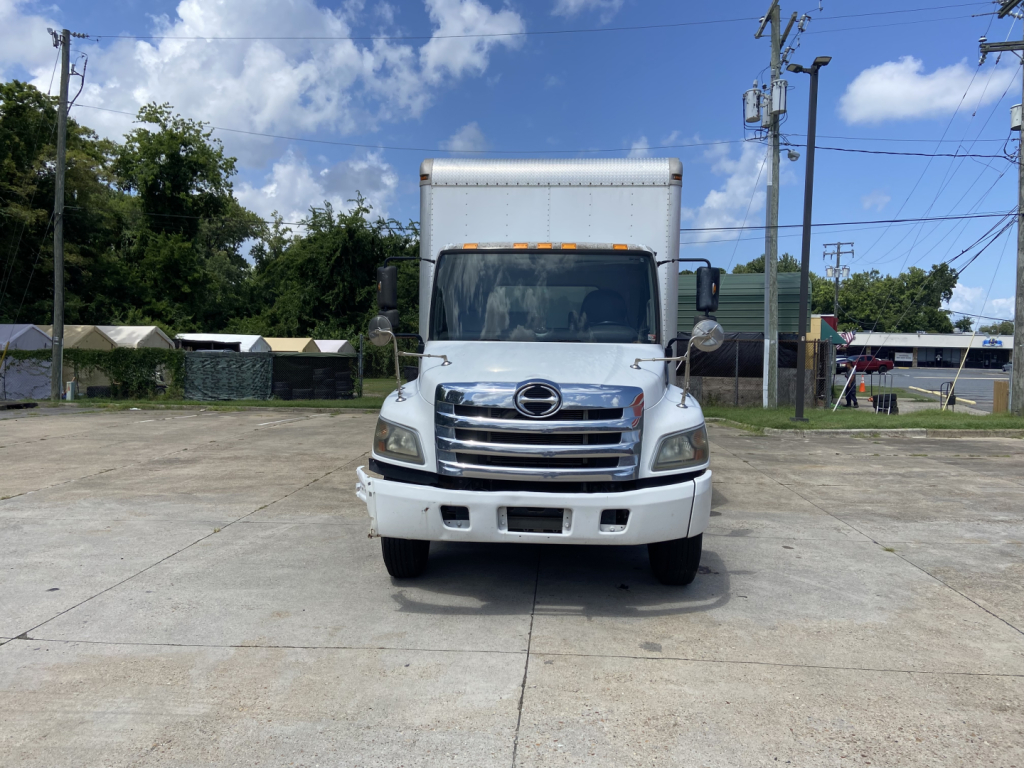
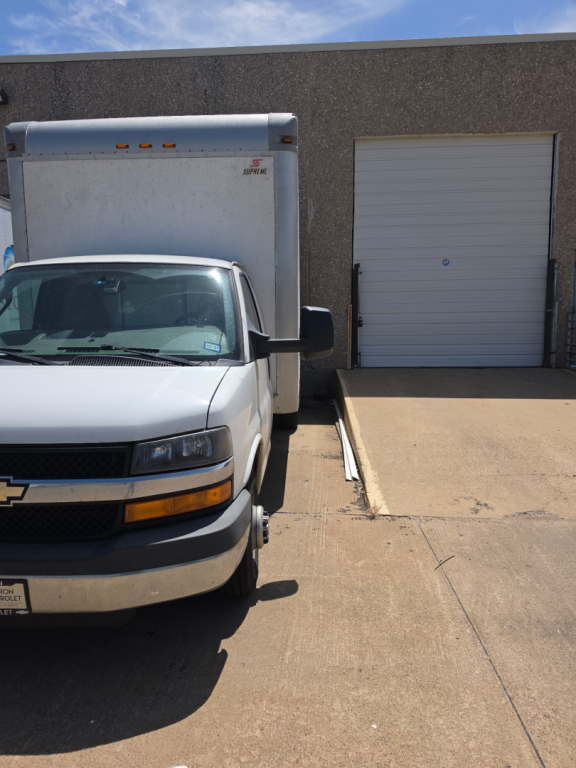

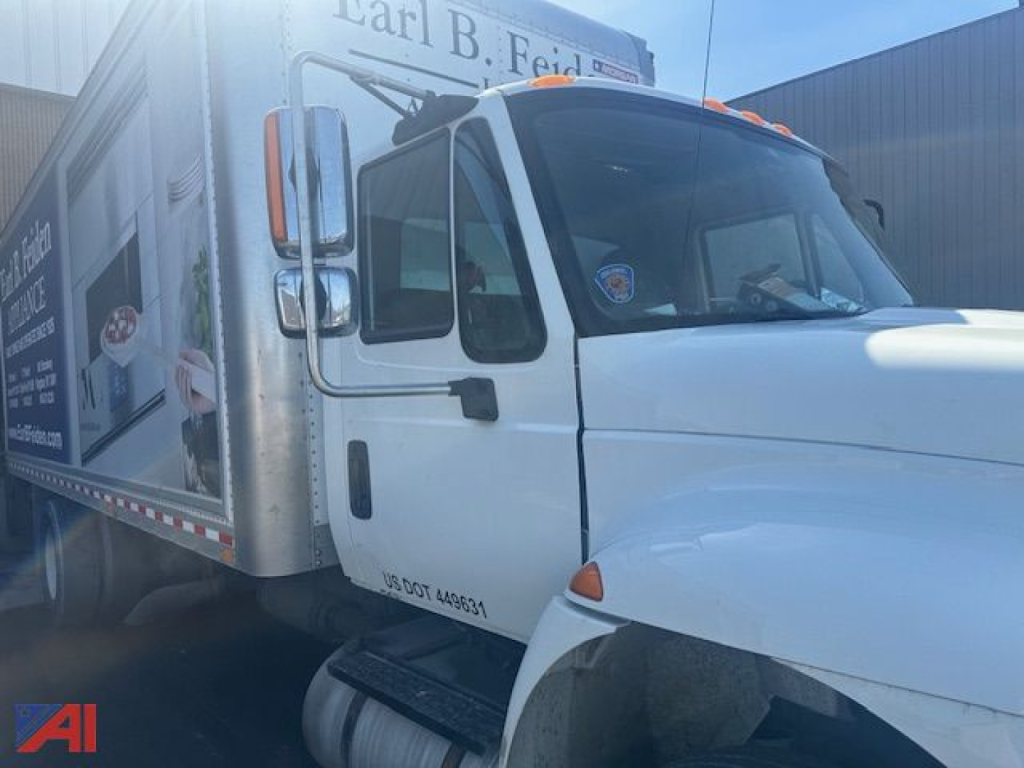
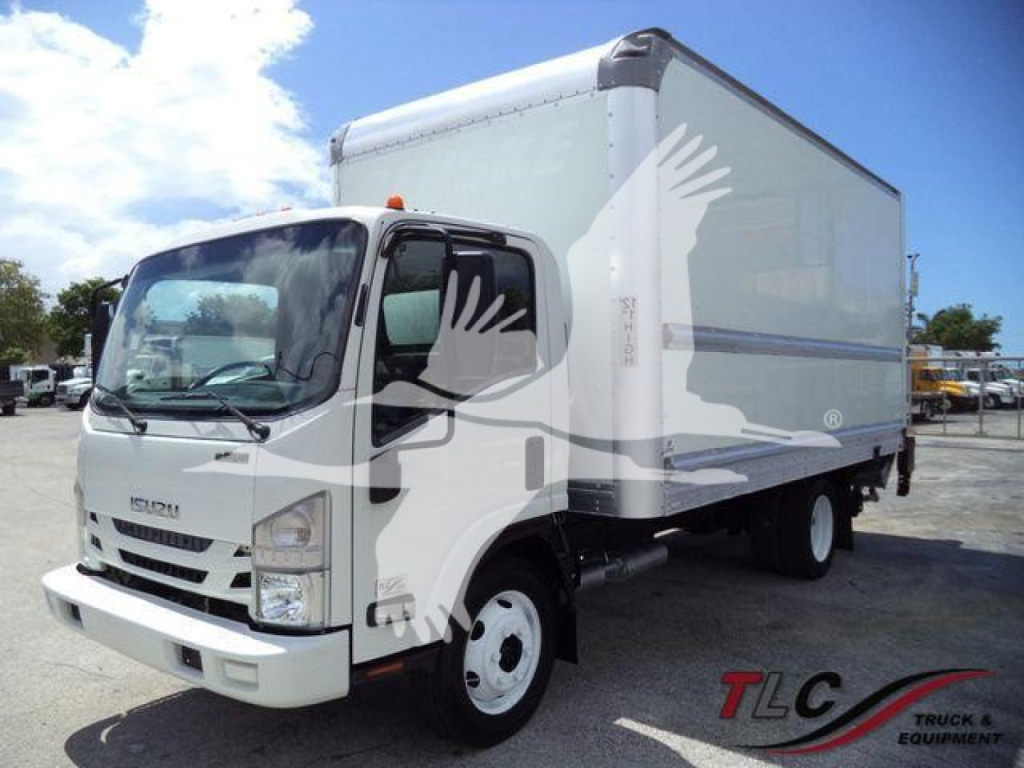

Selling a used 2016 box truck? List your used 2016 box truck for sale and reach thousands of commercial buyers.
Used 2016 Box Trucks
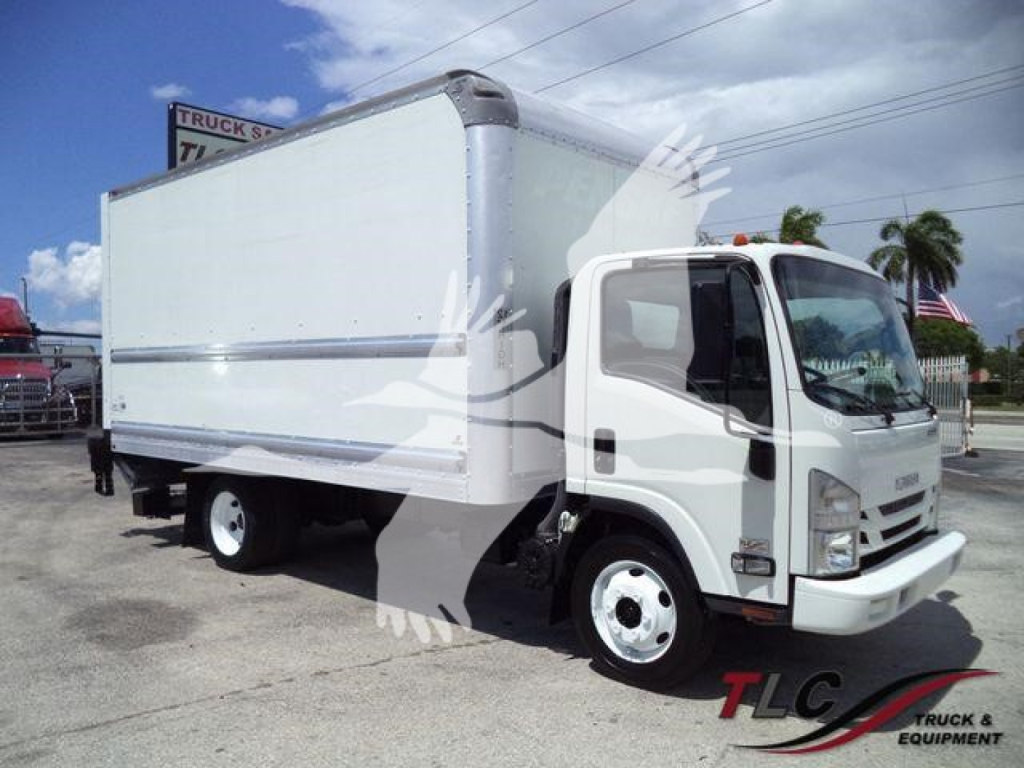
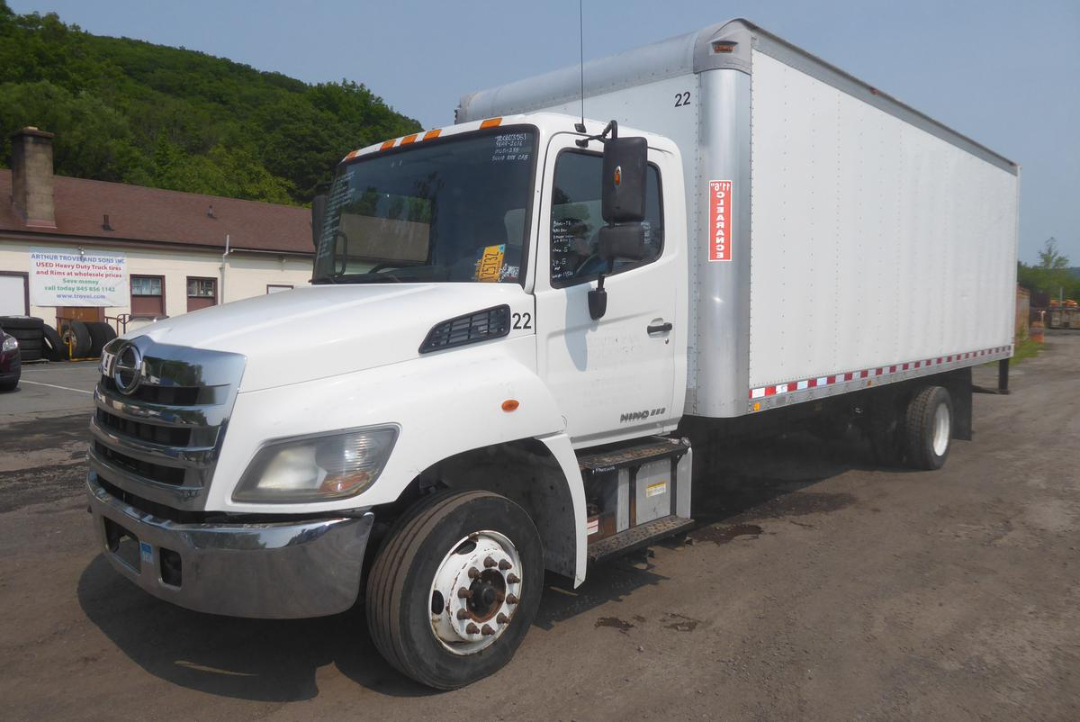
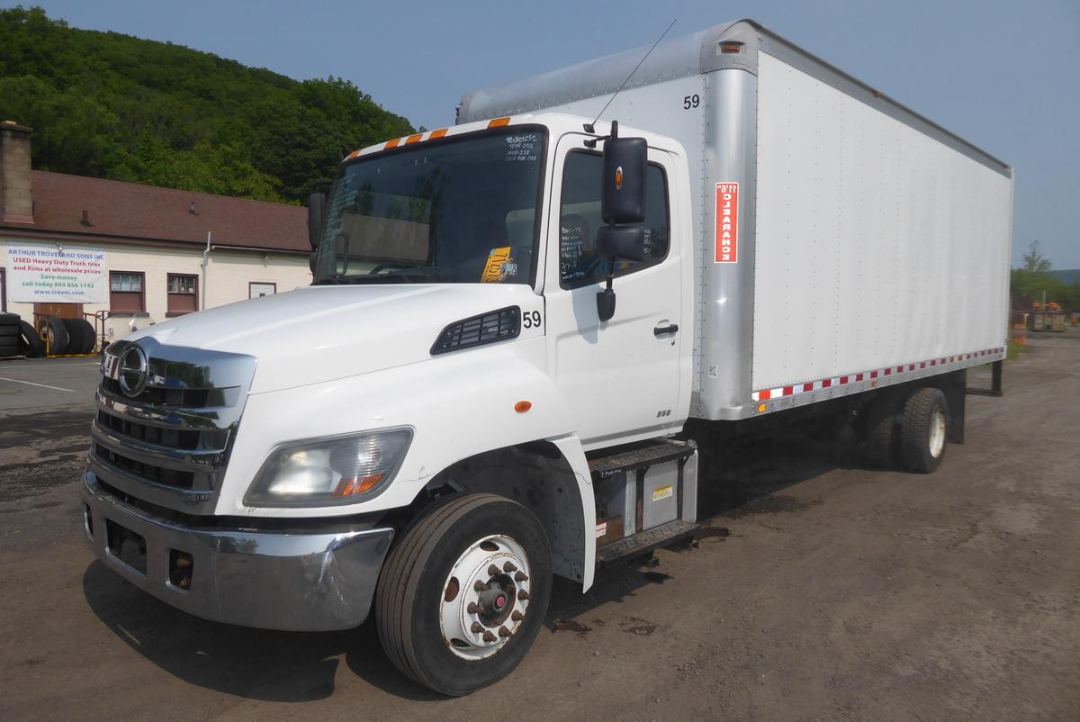
On 2016 box trucks, common chassis include models from Isuzu, Hino, International, Freightliner, Ford, Chevrolet, and GMC. Powertrain choices often include diesel engines on medium-duty units and gas engines on lighter cab chassis. Many 2016 trucks in this category were spec'd with automatic transmissions, roll-up rear doors, hardwood floors, E-track or slat-lined interiors, and tuck-under or rail-style liftgates. For urban work, cab-over models are attractive because of tighter turning radius and better curbside visibility. Conventional-nose trucks can offer easier service access, familiar driving characteristics, and broader parts availability depending on the platform.
Body condition matters as much as drivetrain condition on a used box truck. Buyers should inspect the roof bows, front wall, corners, floor crossmembers, scuff liners, and rear frame around the door opening for signs of water intrusion, impact damage, or fatigue. Liftgate capacity, platform size, and cycle speed should match the freight being handled. A truck used for palletized freight may need a different floor rating and door opening than one used for parcels, bakery routes, or moving household goods. If dock loading is part of the job, pay attention to deck height, ICC bumper setup, and rear step or threshold design.
For a 2016 unit, service records, emissions-system history, tire age, brake type, and body manufacturer can all affect long-term operating cost. It is smart to confirm GVWR, wheelbase, box length, inside height, and cargo access before comparing listings. Non-CDL 25,950-pound configurations are common in 24-foot to 26-foot boxes, while smaller units may prioritize maneuverability and lower operating expense over maximum cube. The best used 2016 box truck is the one whose body spec, payload rating, and loading equipment match the route, freight, and driver requirements without forcing an expensive reconfiguration after purchase.
Frequently Asked Questions about Used 2016 Box Trucks
What should I check first on a used 2016 box truck?
Start with the truck's GVWR, box length, payload capacity, and liftgate specification because those determine whether the unit fits the job. After that, review engine and transmission service history, inspect the box floor and roof for water damage, check the rear door frame for impact wear, and confirm brake, tire, and suspension condition. On diesel units, emissions-system history is especially important because downtime related to DPF, SCR, or EGR components can change the real cost of ownership.
Is a 2016 box truck usually CDL or non-CDL?
Many 2016 box trucks were built in non-CDL configurations at 25,950 or 25,999 pounds GVWR, especially 24-foot and 26-foot dry vans used in delivery fleets. Smaller units may be well below that threshold, while heavier medium-duty box trucks can require a CDL depending on GVWR and local regulations. Buyers should verify the door tag and registration class rather than assume a truck is non-CDL based only on body length.
What box length is most common on a 2016 used box truck?
Common lengths include 16-foot, 20-foot, 24-foot, and 26-foot bodies, with 24-foot and 26-foot units frequently used in regional delivery and moving applications. The right size depends on cargo density, stop frequency, and loading method. A longer box increases cube, but it also affects turning radius, parking, and route flexibility in dense urban areas.
Are cab-over or conventional 2016 box trucks better?
Neither layout is universally better. Cab-over box trucks are popular for city routes because they offer tighter maneuverability, better forward visibility, and more usable box length for the same overall footprint. Conventional models are often preferred for service access, highway stability, and driver familiarity. The best choice depends on whether the truck will spend more time in city alleys and loading zones or on suburban and regional routes.
Why does the liftgate matter so much on a used box truck?
The liftgate directly affects loading speed, labor requirements, and the type of freight the truck can handle. Buyers should confirm the gate's rated capacity, platform dimensions, operating condition, and whether it suits pallet jacks, carts, appliances, or hand-loaded freight. A marginal or mismatched liftgate can create safety issues and force an immediate replacement, which adds significant cost after purchase.