
Used 1995 Commercial Trucks For Sale in New York
Used 1995 trucks in New York, from pre-emissions tractors to box and dump. Focus on floor strength, thermal integrity, tare weight, corrosion.
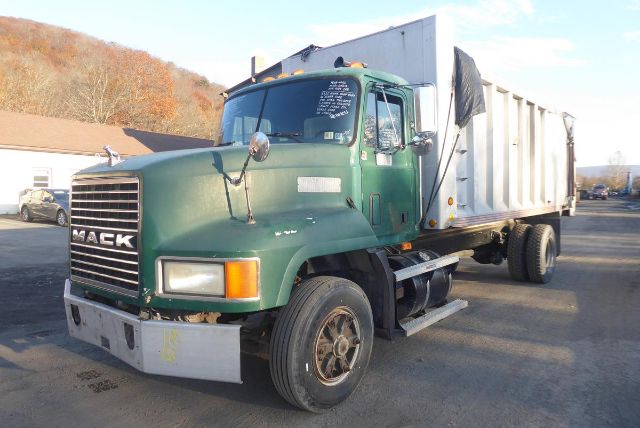
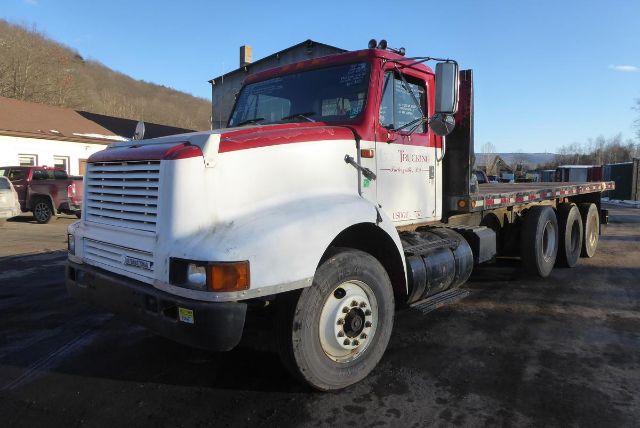
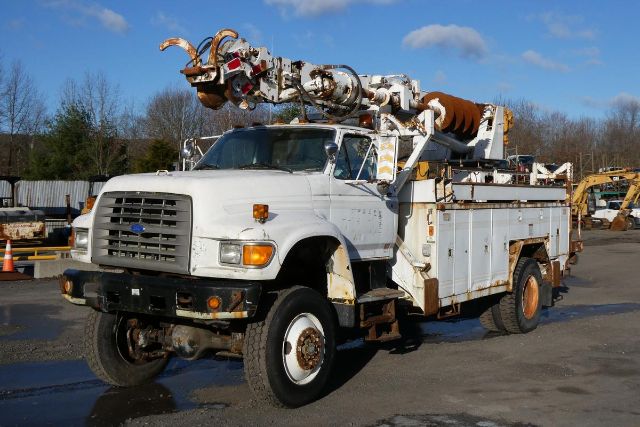
Have used 1995 commercial truck to sell? List it here to reach thousands of buyers.
Used 1995 Commercial Trucks in New York
Expect engines like the Cummins N14, CAT 3406E, and Detroit Series 60 paired with Fuller 9, 10, or 13 speed manuals, plus Allison automatics on some vocational units. Verify cold oil pressure, blowby, and governor response, then match rear axle ratios to your route profile, a 3.55 to 3.90 set often suits mixed New York highway and secondary roads. Many 1995 trucks predate mandated ABS, confirm presence and function if fitted. Air systems should show dry purge cycles and tight leakdown, and manual slack adjusters are common, ensure proper setup to pass NY inspections.
Body and floor construction drive durability and payload. Box and reefer trucks from this era often use hardwood plank or laminated apitong floors with 12 or 16 inch crossmember spacing, look for straight rails, tight fasteners, and a forklift rating that matches your dock equipment. Scuff liners protect sidewalls, and aluminum threshold plates prevent edge deformation. Thermal integrity on refrigerated bodies depends on door seals, foam adhesion, and vapor barrier condition, moisture intrusion raises fuel use and strains the unit. Dump bodies typically use AR steel floors in the 3/16 to 1/4 inch range, check for washboarding, patches at the chute, and tight hoist pins. Flatbeds should show sound apitong or aluminum decking, no popped fasteners, and clean stake pockets.
New York road salt is hard on steel, prioritize corrosion resistance and repair history. Inspect frame flanges, crossmembers, cab mounts, spring hangers, battery boxes, air tank straps, brake chambers, and wiring junctions for scale or perforation. Aluminum wheels, stainless fasteners, composite quarter fenders, and prior undercoating help slow decay, but look for hidden rust behind fuel tank saddles and under body mounts. Tare weight varies by spec, a 6x4 daycab tractor often falls near 16,000 to 18,000 pounds, vocational doubles with steel bodies can add several thousand, aluminum wheels and single frame rails help payload. For compliance, expect annual safety and diesel opacity testing in designated NY areas, ensure no tampering with emissions components and that the engine label is intact to keep registration smooth.
Frequently Asked Questions about Used 1995 Commercial Trucks in New York
Are 1995 diesel trucks legal to operate in New York?
Yes, 1995 trucks can operate statewide if they meet New York safety and, where applicable, diesel emissions opacity requirements. These units are pre-DPF and pre-SCR, so there is no aftertreatment to service, but the engine must be untampered and capable of passing a snap-accel opacity test in designated metro areas. Verify the engine family label, ensure the crankcase breather and fuel system are tight, and keep the air and fuel filters fresh to maintain clean burn.
What corrosion hot spots should I check on a 1995 truck used in New York winters?
Focus on frame flanges near suspension hangers, crossmember ends, cab corners and mounts, radiator support, battery boxes, fuel tank saddles, brake chambers, slack adjuster brackets, and wiring splices over the rear axles. Look for swollen rivet heads, delaminated double frames, flaking under fifth wheel plates or body subframes, and pitted aluminum where it meets steel hardware. Consistent washing, undercoating, and stainless or composite replacements indicate better long term resistance.
How do I evaluate floor strength on an older box, reefer, or dump truck?
On van and reefer bodies, confirm the forklift rating, inspect hardwood or apitong boards for splits and cupping, and measure crossmember spacing, tighter spacing carries point loads better. Check for loose fasteners, soft spots at the rear threshold, and crushed areas at pallet impact zones. On dump bodies, note AR steel thickness, look down the floor for waves, and inspect tailgate hinges, body hoist pins, and doghouse welds. On flatbeds, verify deck thickness, securement point integrity, and no mushroomed stake pockets.
What tare weight should I expect from a 1995 truck and how can I improve payload?
A typical 6x4 1995 daycab tractor often weighs 16,000 to 18,000 pounds, sleepers and vocational doubles add more. Medium duty 26,000 GVWR box trucks can run near 12,000 to 14,000 pounds empty depending on body length, while 33,000 GVWR units are heavier. Payload improves with aluminum wheels, smaller fuel tanks when range allows, single frame rails where appropriate, and lighter body materials. Keep in mind heavier double frames and steel bodies add durability but cost payload.
Which driveline specs work best for a 1995 highway tractor in hilly Northeast routes?
Look for 430 to 470 horsepower with at least 1,550 lb ft torque, a 13 speed manual or a well kept 10 speed with a strong Jake brake, and rear axle ratios that put cruise near 1,350 to 1,500 rpm at 65 mph on your tire size. This balances gradeability and fuel economy. Ensure the cooling stack is clean, fan clutch engages promptly, and the charge air cooler holds pressure, hill work in New York exposes marginal cooling and boost leaks quickly.