
Used 1995 Commercial Trucks For Sale
Shop used 1995 trucks, from day cabs to sleepers and box trucks, with expert guidance on floor strength, thermal integrity, tare weight, and corrosion.
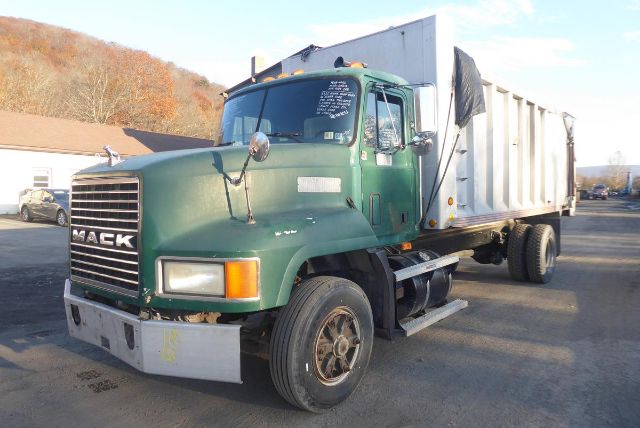
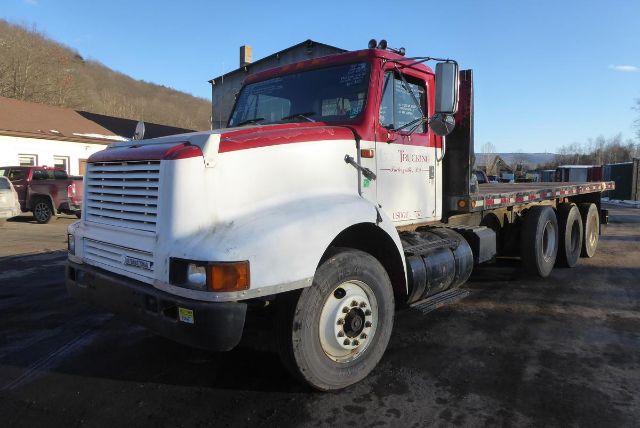

Have used 1995 commercial truck to sell? List it here to reach thousands of buyers.
Used 1995 Commercial Trucks
Corrosion resistance is the gating factor on any 1995 chassis. Inspect frame rails inside and out for flaking scale and deep pitting, pay close attention to suspension hangers, crossmember rivets, fifth wheel brackets, and cab mounts. Frame liners can trap moisture between rails, check for rust jacking. Battery boxes, fuel tank straps, exhaust shields, and other aluminum to steel interfaces can show galvanic activity that weakens fasteners. Air tanks, brake lines, and wiring harnesses that lived in salt often need renewal, brittle loom, greened terminals, and thin wall air tubing are warning signs.
For straight trucks, floor strength determines real world forklift traffic and pallet density. Hardwood or laminated oak floors with tighter crossmember spacing carry heavier axle loads than light composite or softwood, apitong or keruing planks resist point loading and moisture. Verify the floor rating, look for crushed stringers, nail pull, and elongated fastener holes at the rear threshold, robust scuff liners and logistics posts keep sidewalls true. If evaluating refrigerated box trucks from this era, thermal integrity depends on intact foam insulation, clean door gaskets, sealed roof seams, and dry sill areas. Warm corners, sweating along rivet lines, or soft spots suggest insulation voids that increase fuel burn and compromise set point stability.
Tare weight drives revenue per load, confirm an actual scale ticket with typical fuel on board and compare to your routes. Air ride suspensions, aluminum wheels, and single 100 to 150 gallon tanks can trim hundreds of pounds, spring packs, steel hubs, large sleepers, headache racks, and wet kits add quickly. Verify axle and suspension ratings, wheelbase, and fifth wheel placement to balance axles legally. On vocational bodies and flatbeds, aluminum decks and crossmembers reduce tare, steel decks improve impact resistance but add weight, match the spec to your abuse cycle and payload target.
Frequently Asked Questions about Used 1995 Commercial Trucks
What engines and transmissions are typical in 1995 trucks, and are parts still available?
You will commonly see Detroit Series 60, Cummins N14, and Caterpillar 3406E engines paired with Eaton Fuller 9, 10, or 13 speed manuals. These pre emissions and early electronic platforms have broad parts support, both OEM and aftermarket. Availability varies by region, but injectors, turbos, sensors, wiring pigtails, and clutch components remain serviceable, and reman cylinder heads and gear sets are readily sourced from major suppliers.
How can I evaluate corrosion on a 1995 chassis before buying?
Start with the frame flanges and web, look for deep pitting, swelling between double frame rails, and rust trails from rivets. Inspect suspension hangers, torque rod brackets, cab mounts, fifth wheel plates, battery boxes, and fuel tank straps. Check air tanks, brake hard lines, and wiring harnesses routed along the frame for thinning walls and brittle insulation. A borescope between frame liners, a hammer tap test on crossmembers, and a magnet check on suspect repairs help reveal hidden issues.
What should I check to confirm floor strength on a 1995 box or reefer truck?
Ask for the original or replacement body spec showing floor rating and crossmember spacing. Inspect for crushed stringers, loose or pulled fasteners at the rear threshold, and cracked welds near landing plates. Look for hardwood or laminated floors in good condition, intact scuff liners, and straight logistics posts that keep walls from spreading. On reefers, confirm that any T bar or duct floor is solid, drains are clear, and there is no delamination that would weaken the subfloor.
How much tare weight variance should I expect on a 1995 tractor, and what affects it?
Tare can vary by 1,000 to 2,500 pounds depending on sleeper size, suspension type, wheel and hub materials, fuel tank capacity, and add ons like headache racks and wet kits. Day cabs with aluminum wheels, low profile tires, and single 100 to 150 gallon tanks are lighter, long sleepers with spring suspensions, steel hubs, and larger tanks are heavier. Confirm with a scale ticket and compare against your target payload and bridge requirements.
How do I assess thermal integrity on an older refrigerated box?
Examine door gaskets, hinges, and sill areas for light leaks and moisture trails. Look along rivet lines and roof seams for sweating or stains that suggest insulation voids. Tap test panels for delamination and inspect for soft spots in the floor. If possible, run the unit to pull down and hold a set point, monitor return and discharge air spread, and verify that warm corners are not undermining temperature stability.