
Used Freightliner Trucks For Sale in New York
Find used Freightliner trucks in New York, from Cascadia to M2 and SD. Compare tare weight, corrosion resistance, floor strength, and thermal integrity.
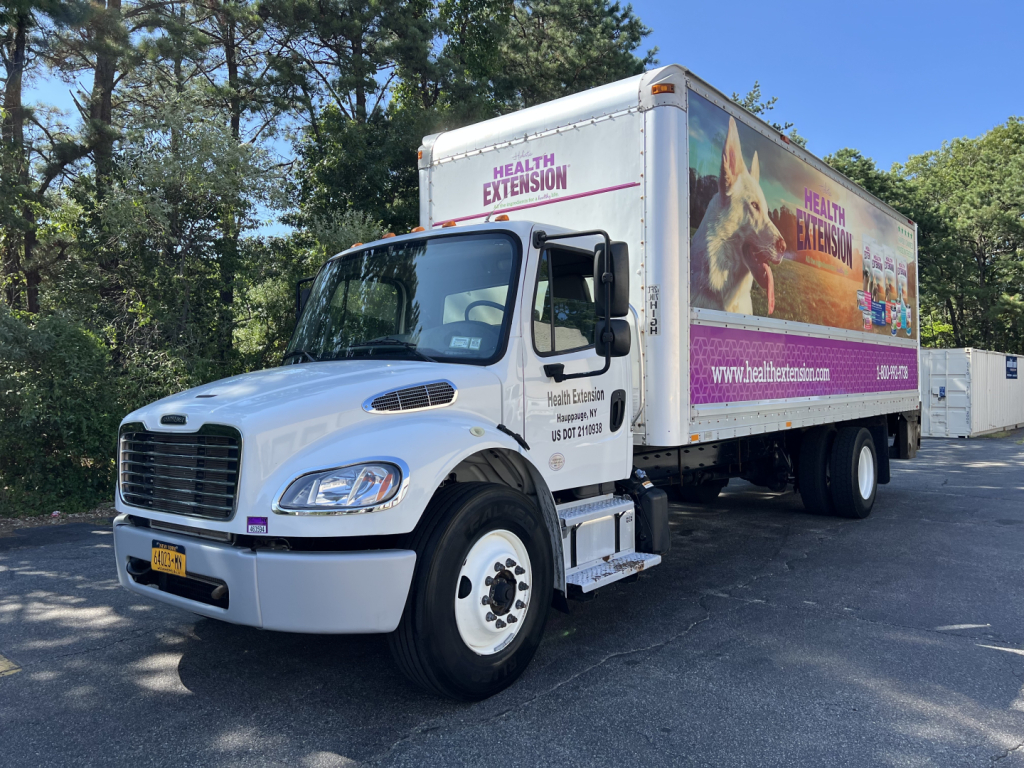
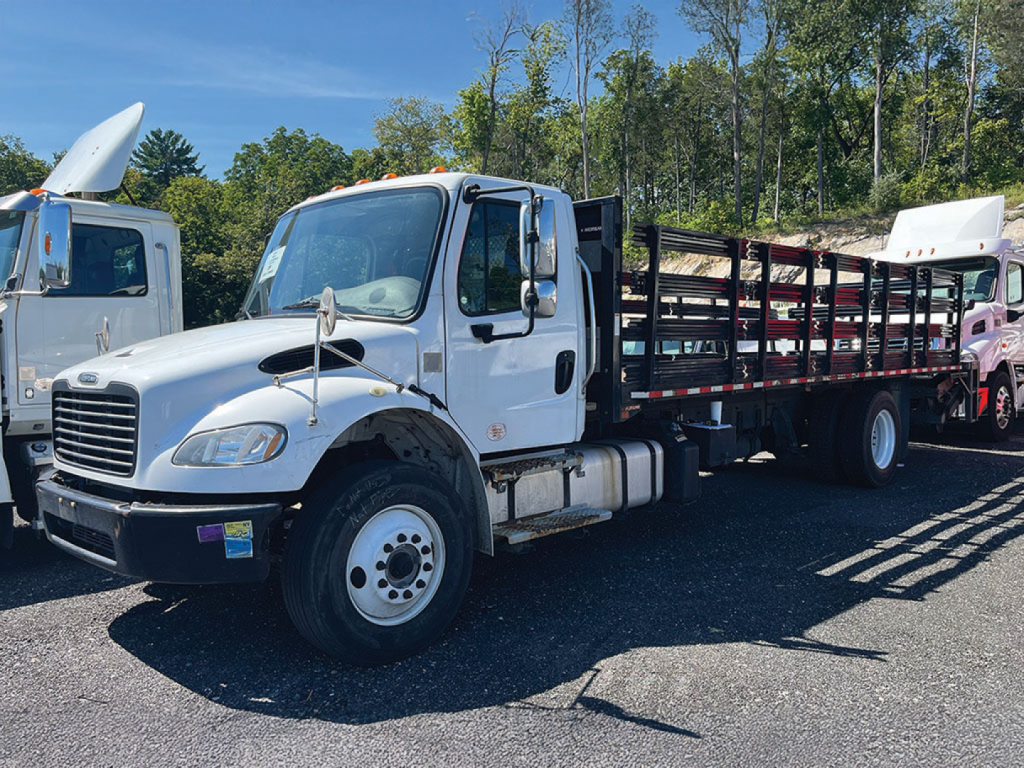
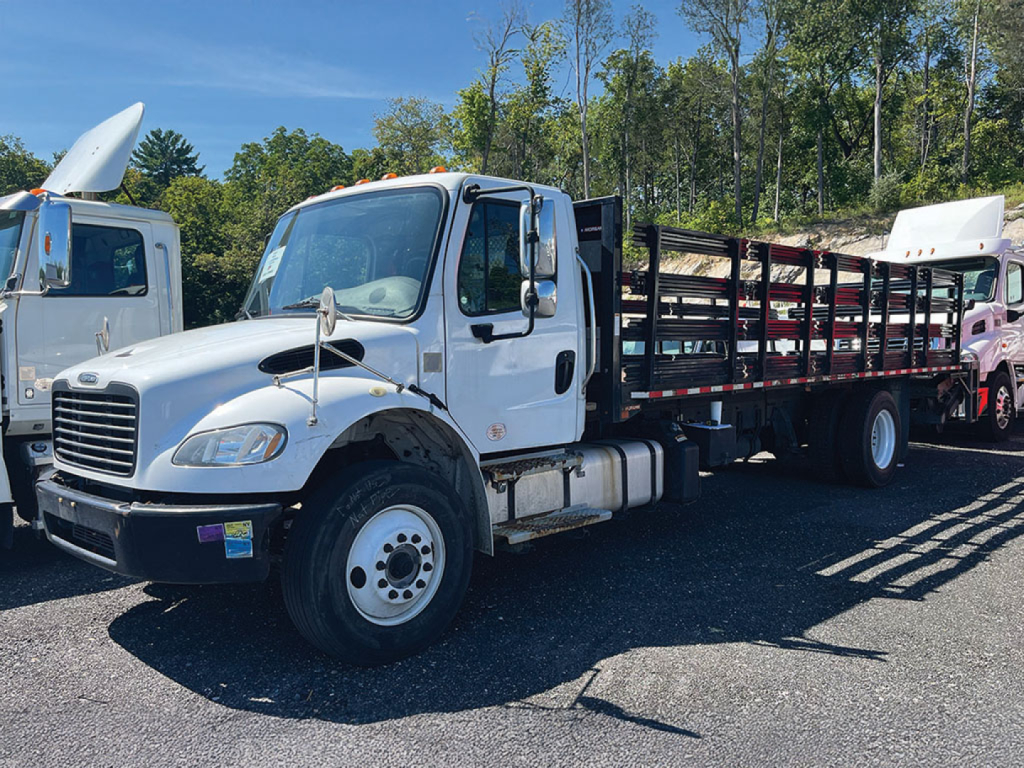
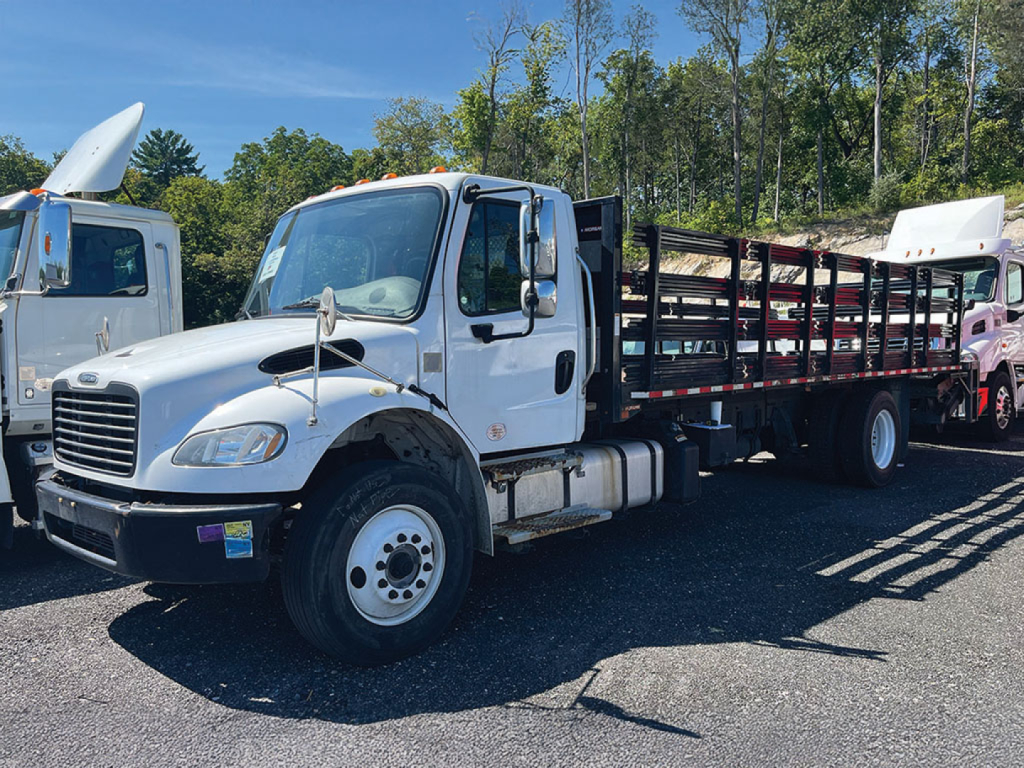
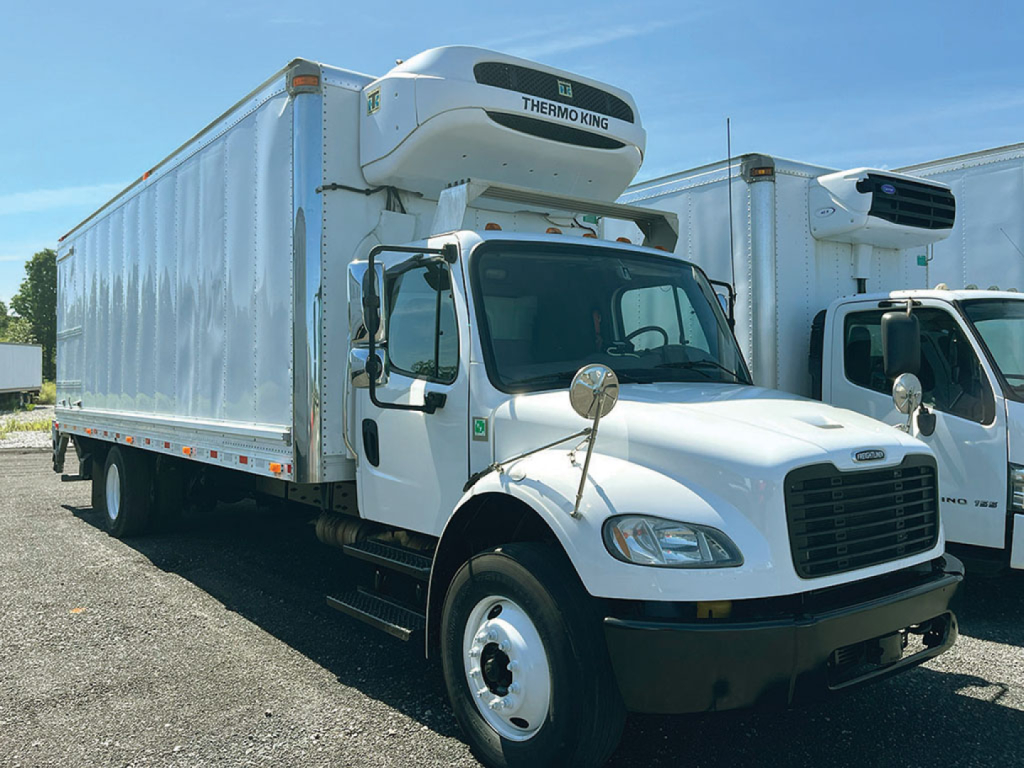
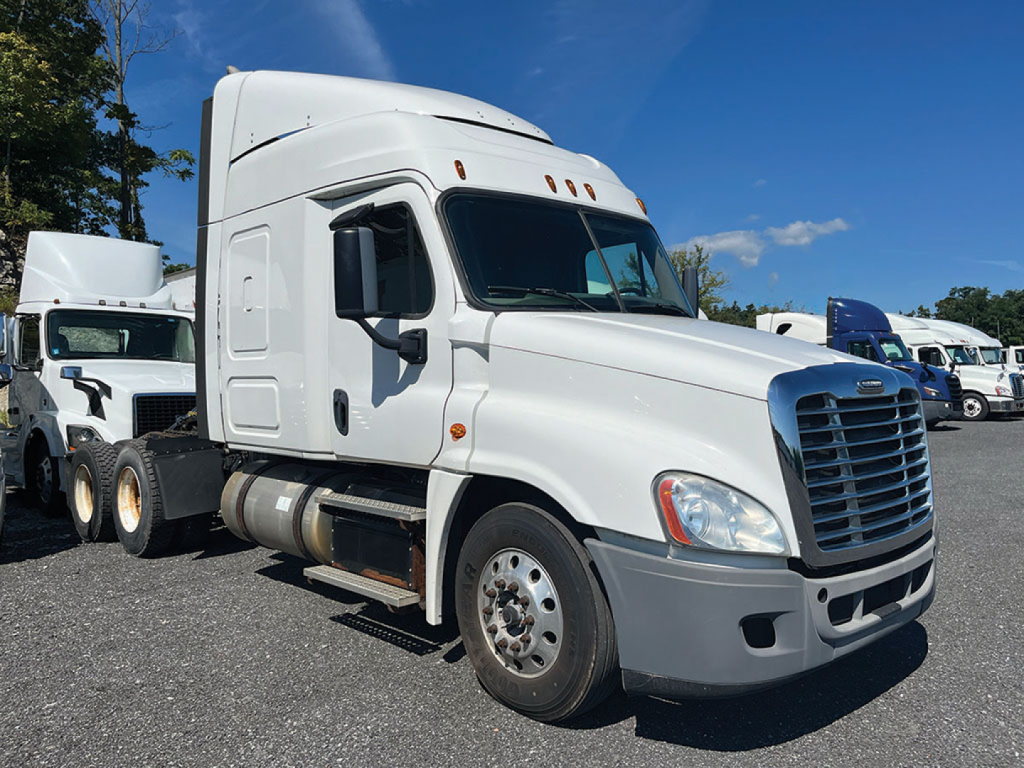
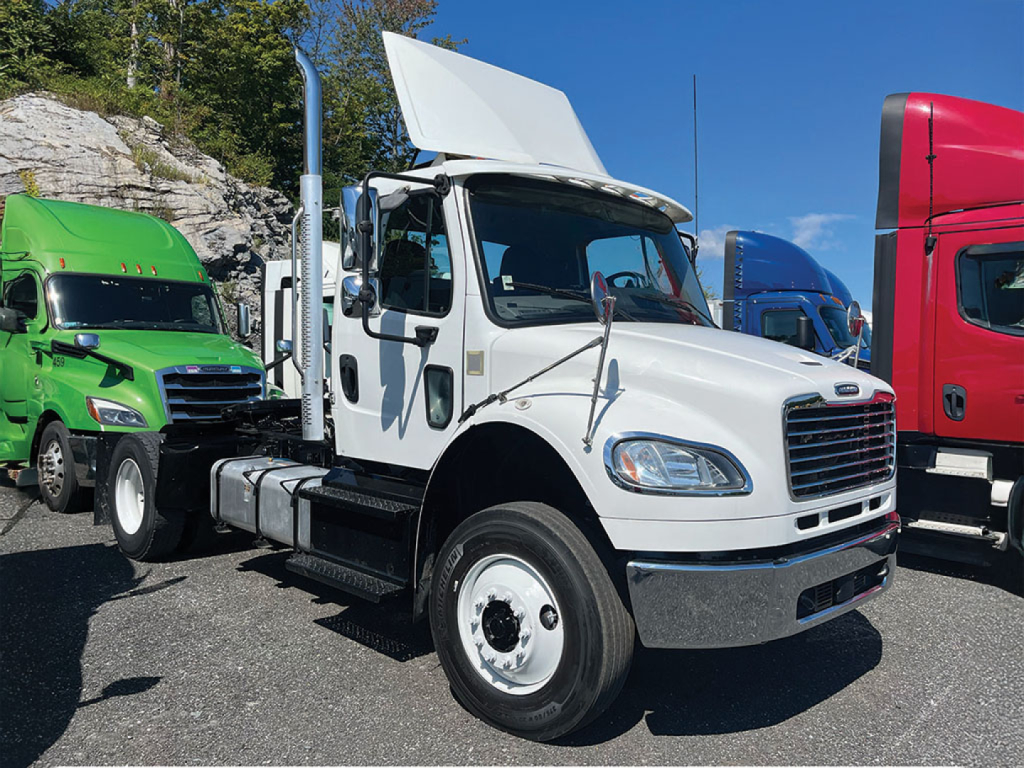
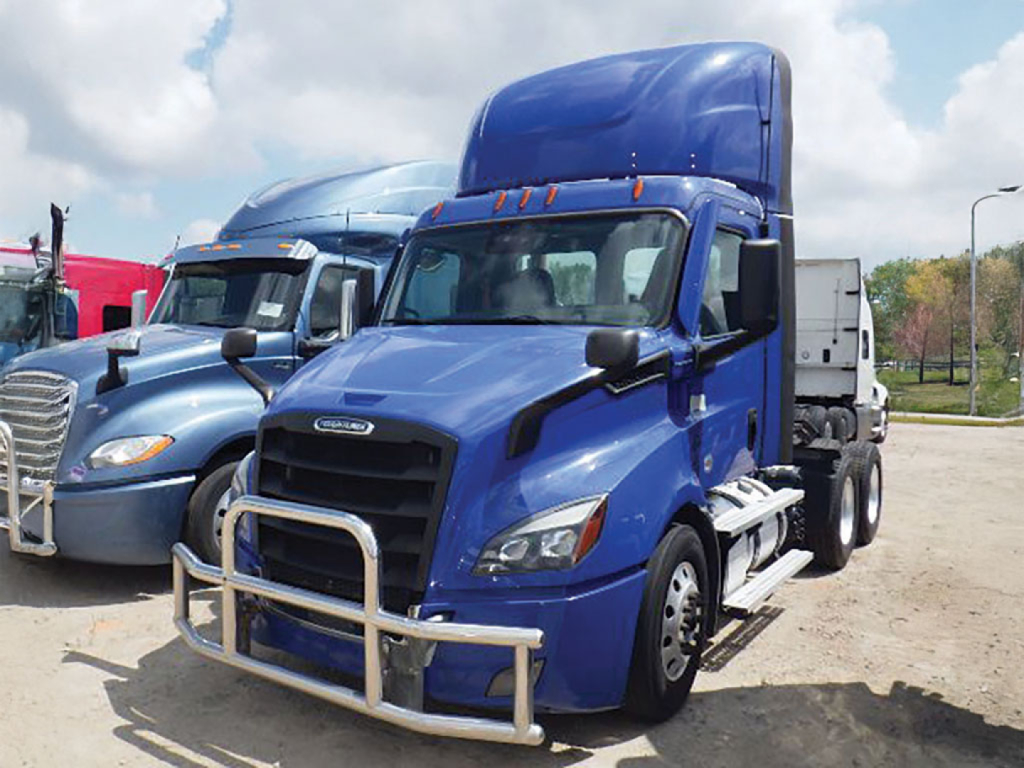
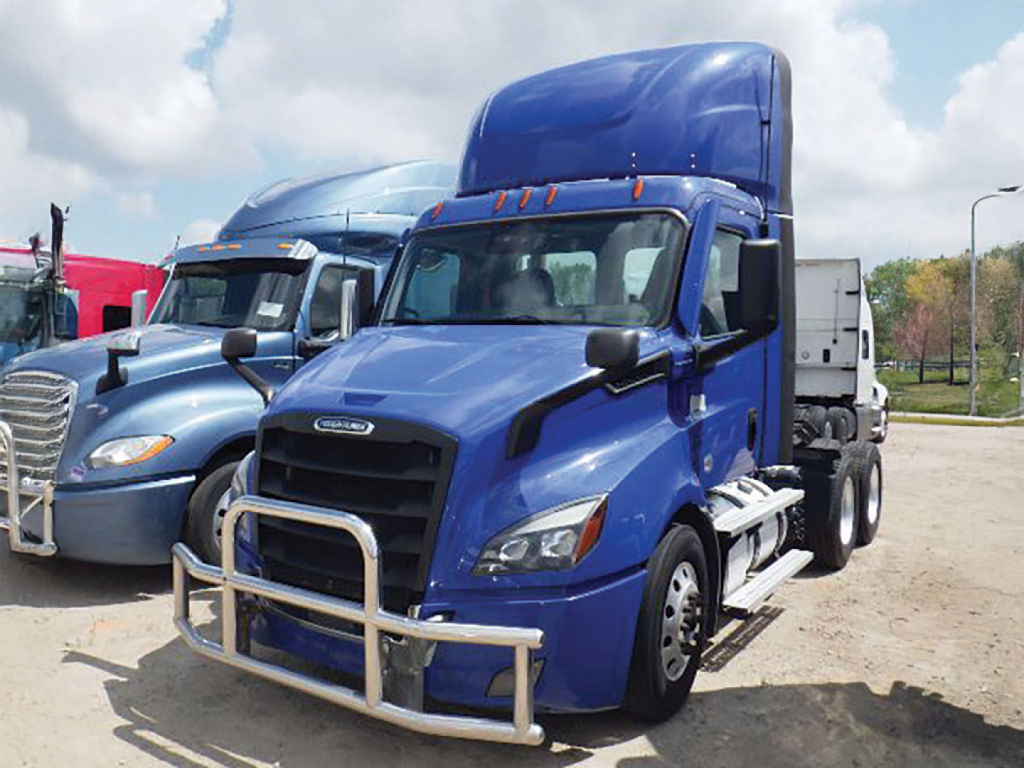
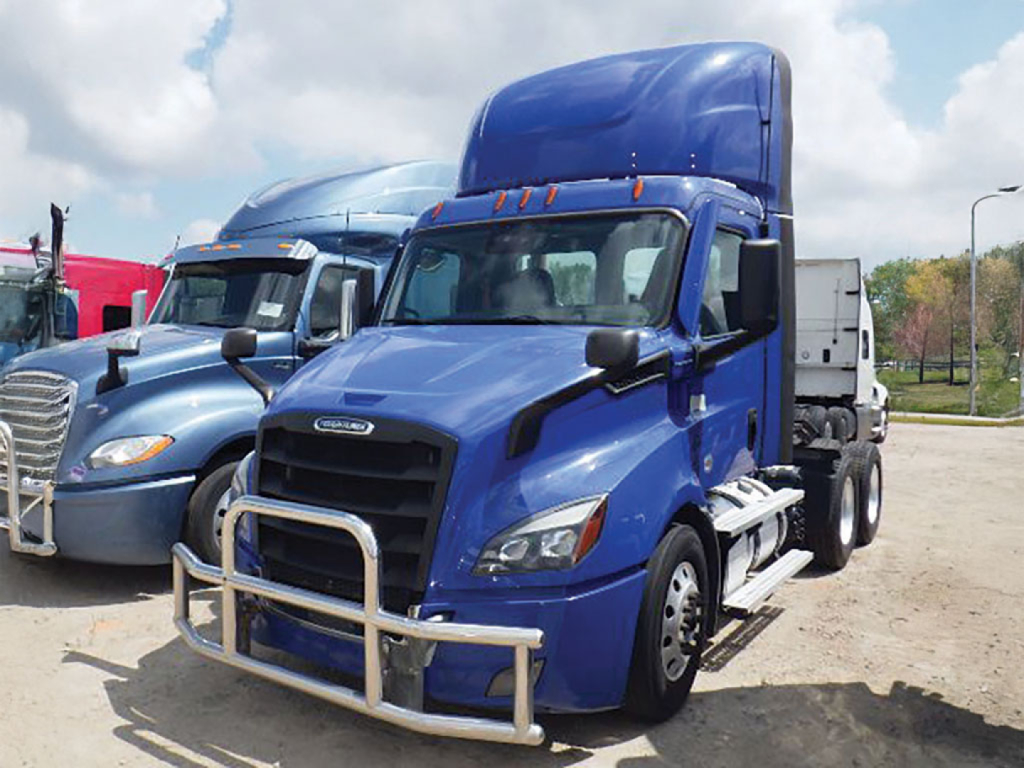
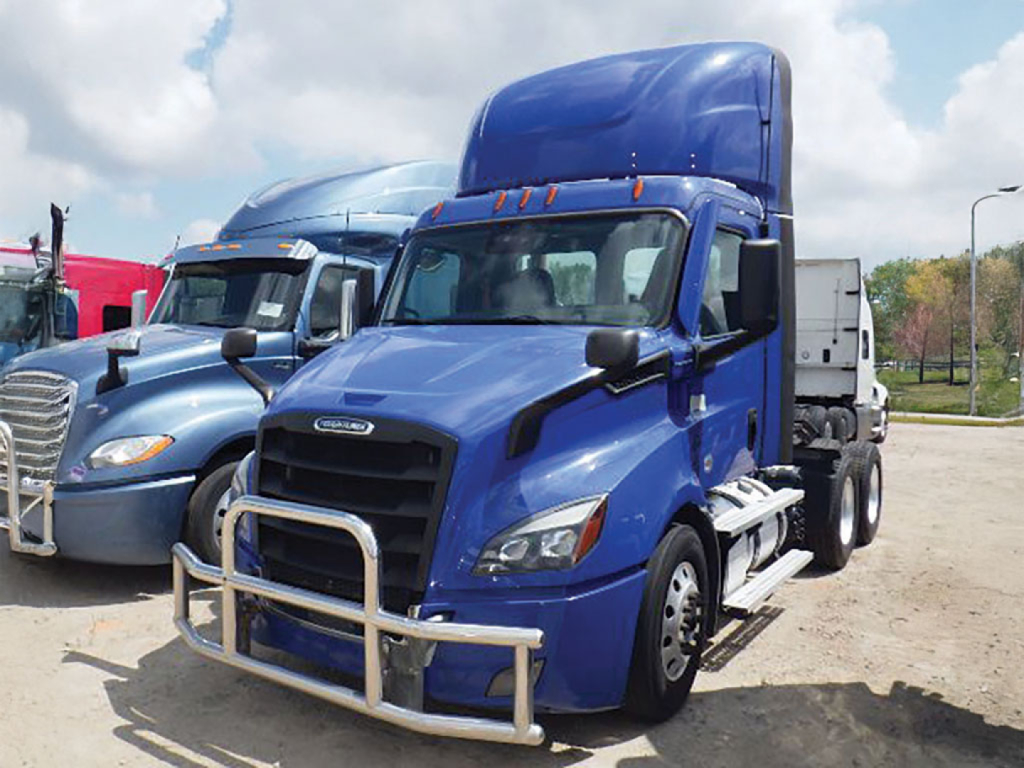
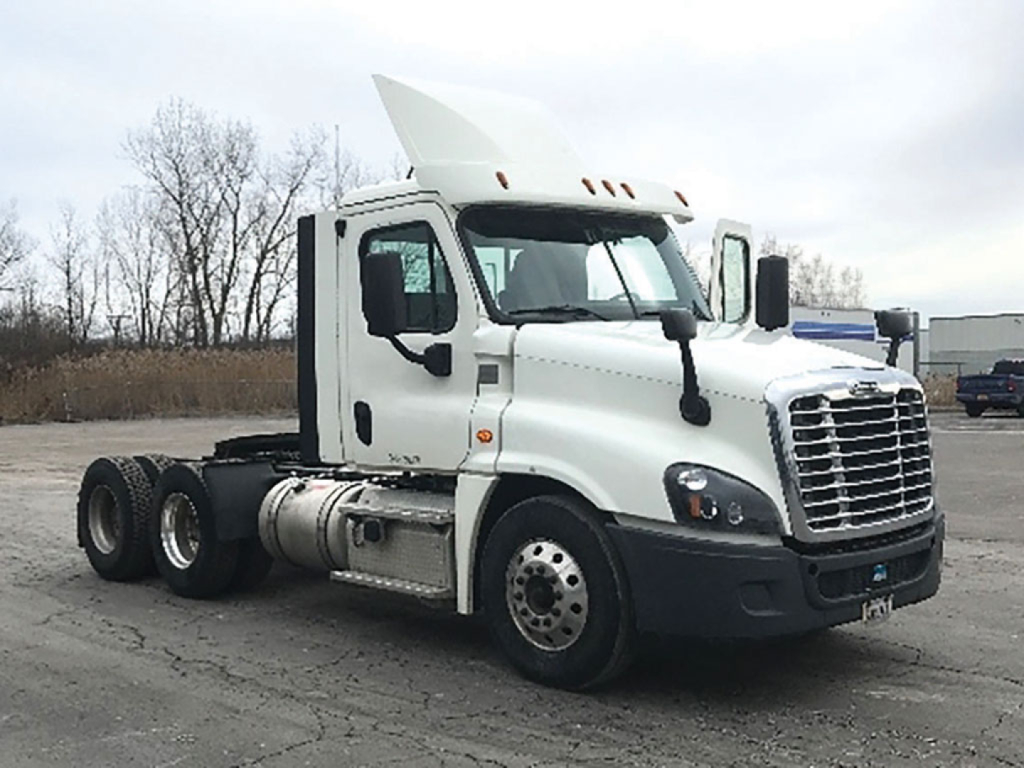
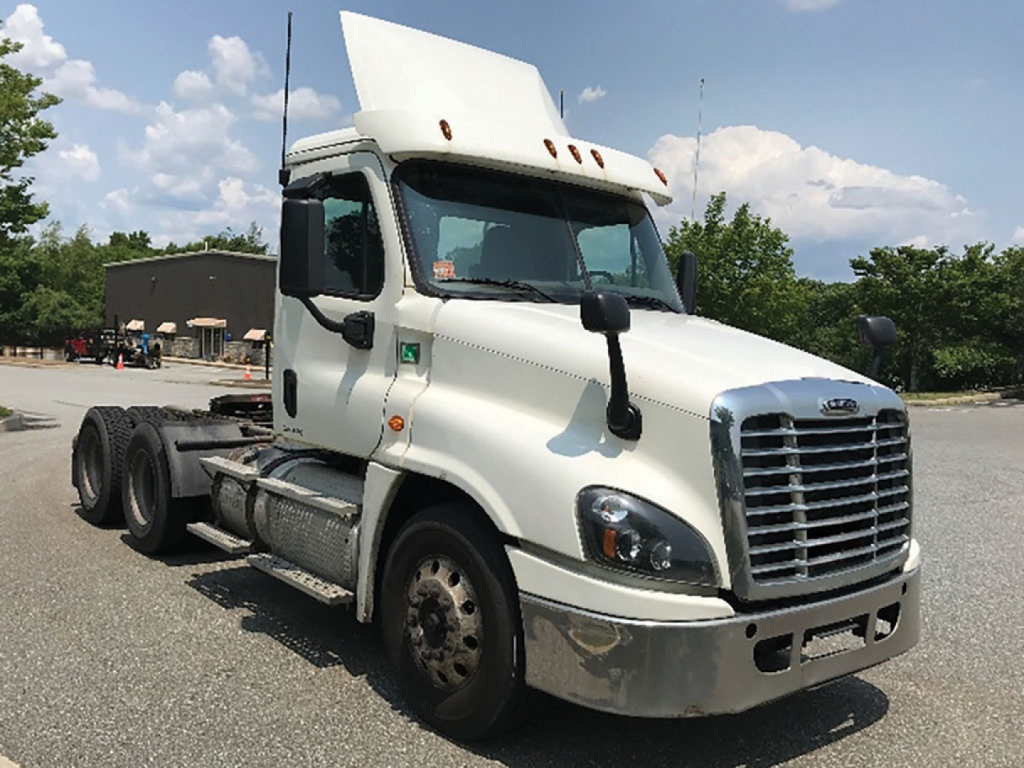
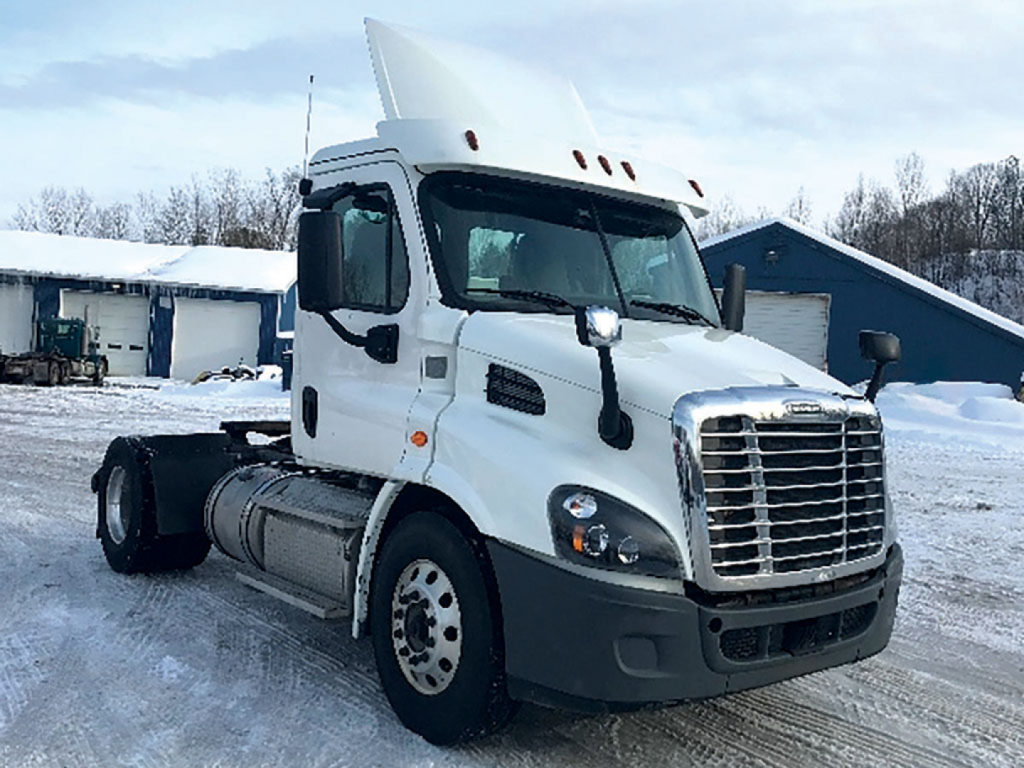
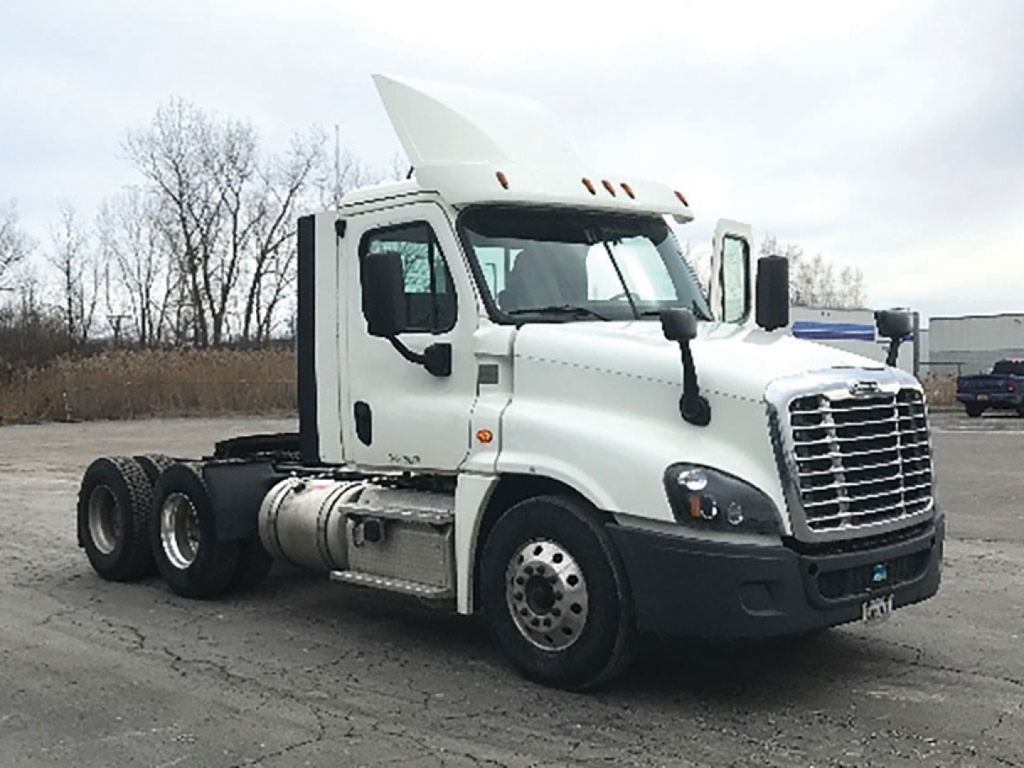
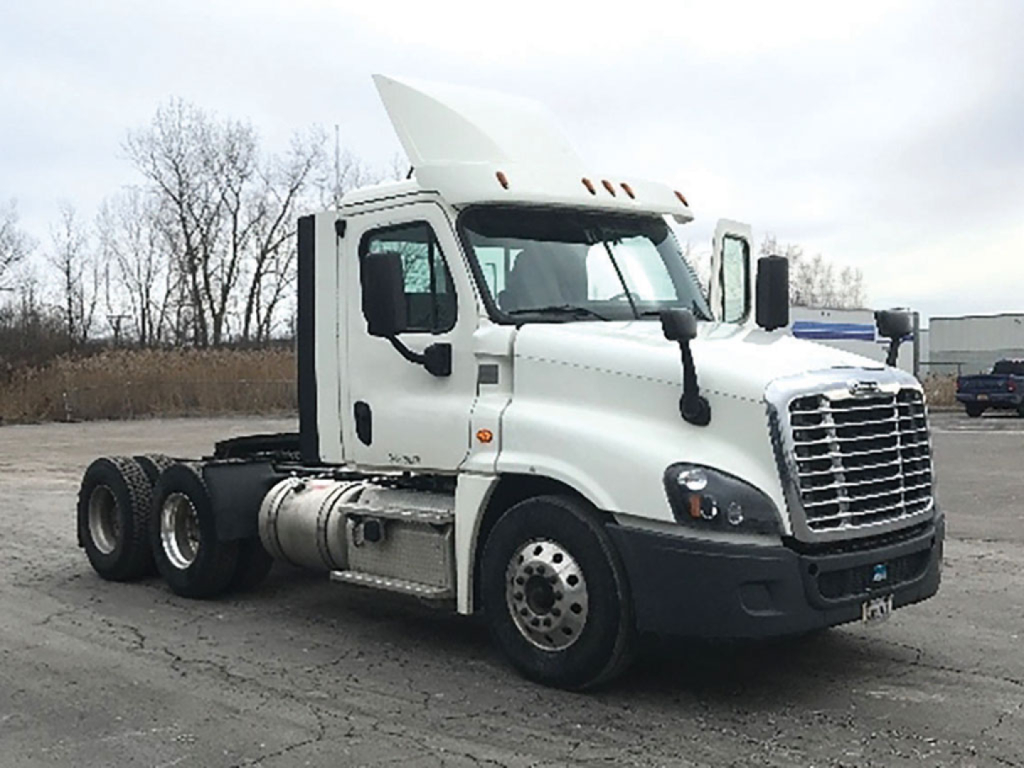
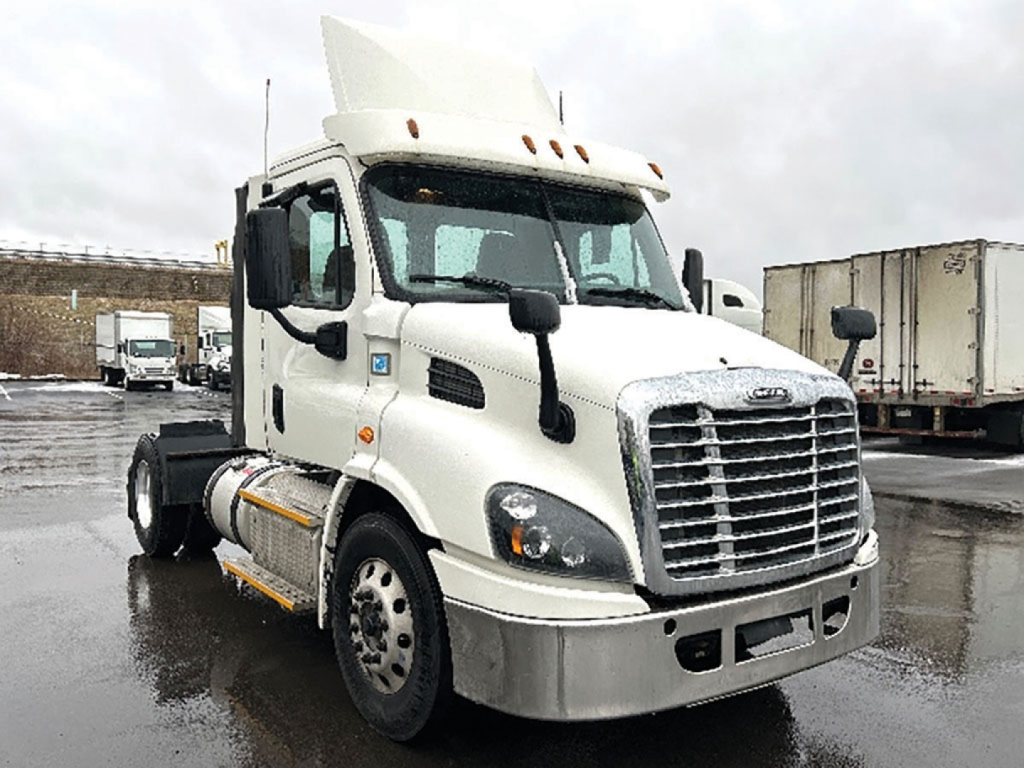
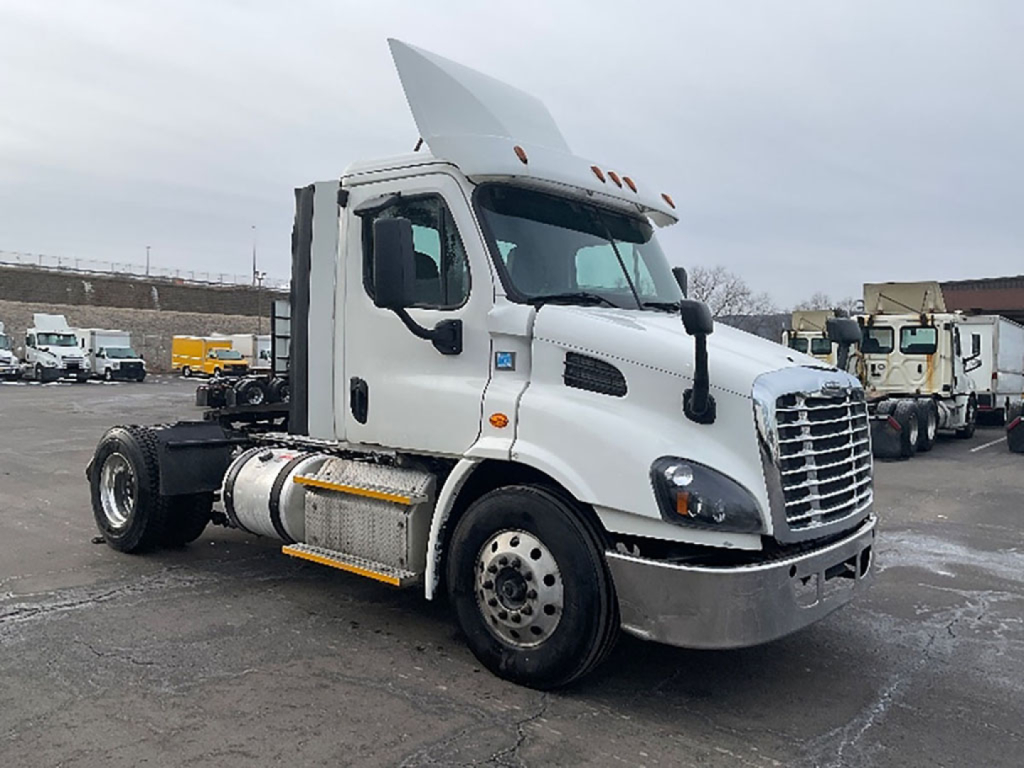
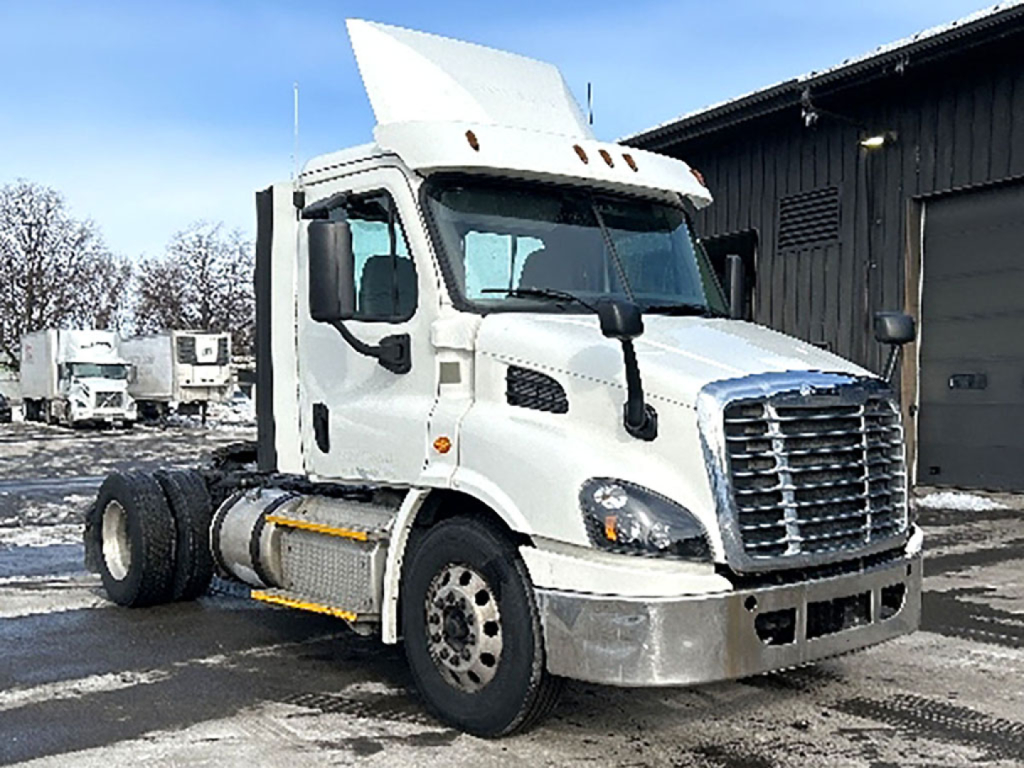
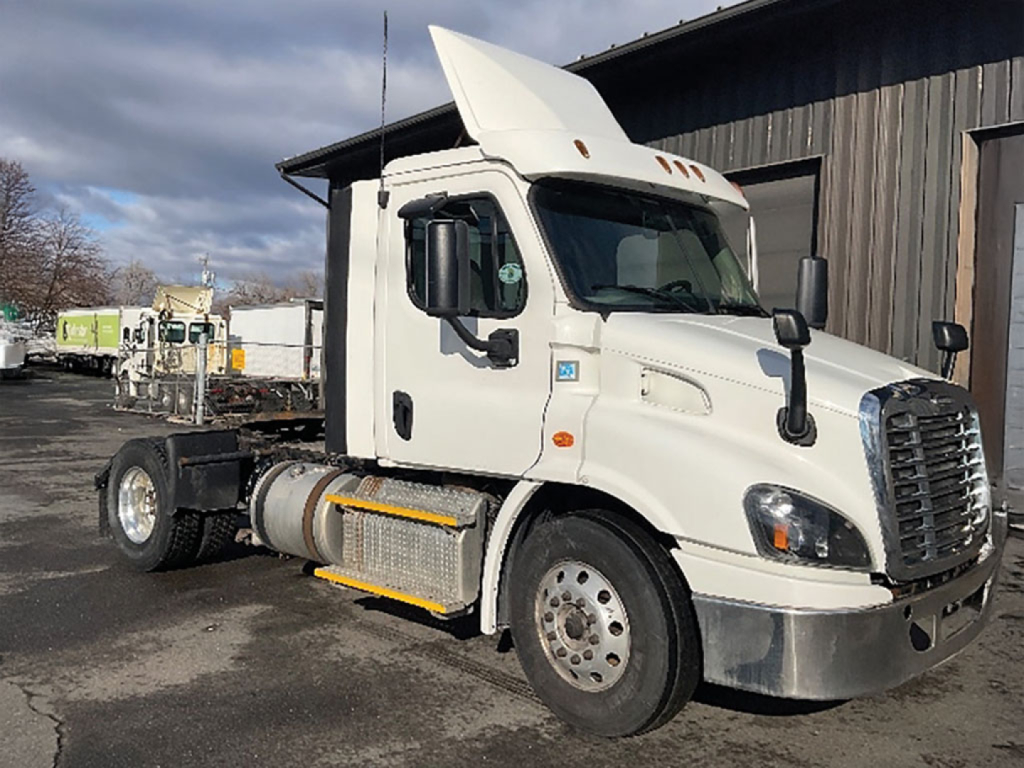
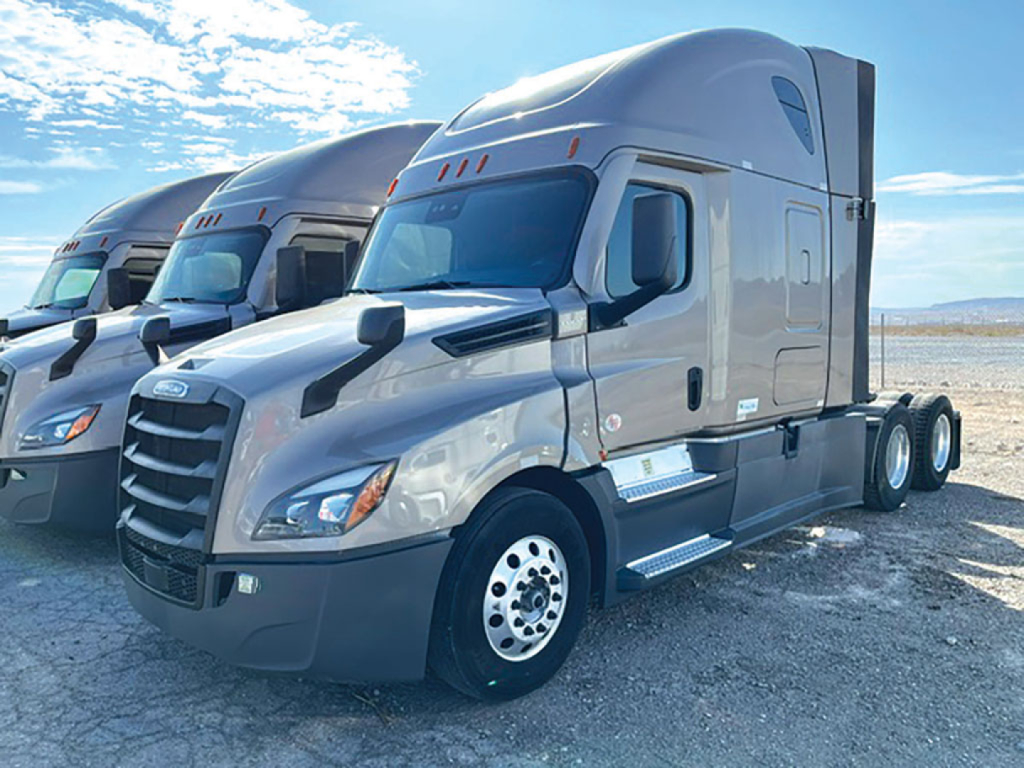
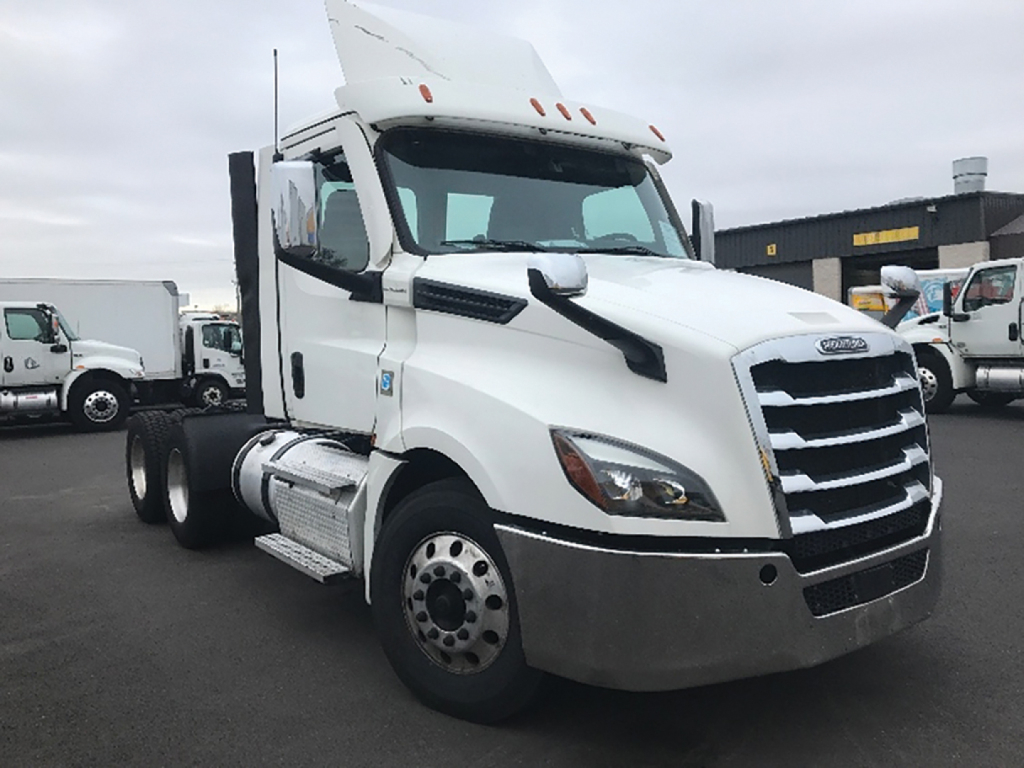
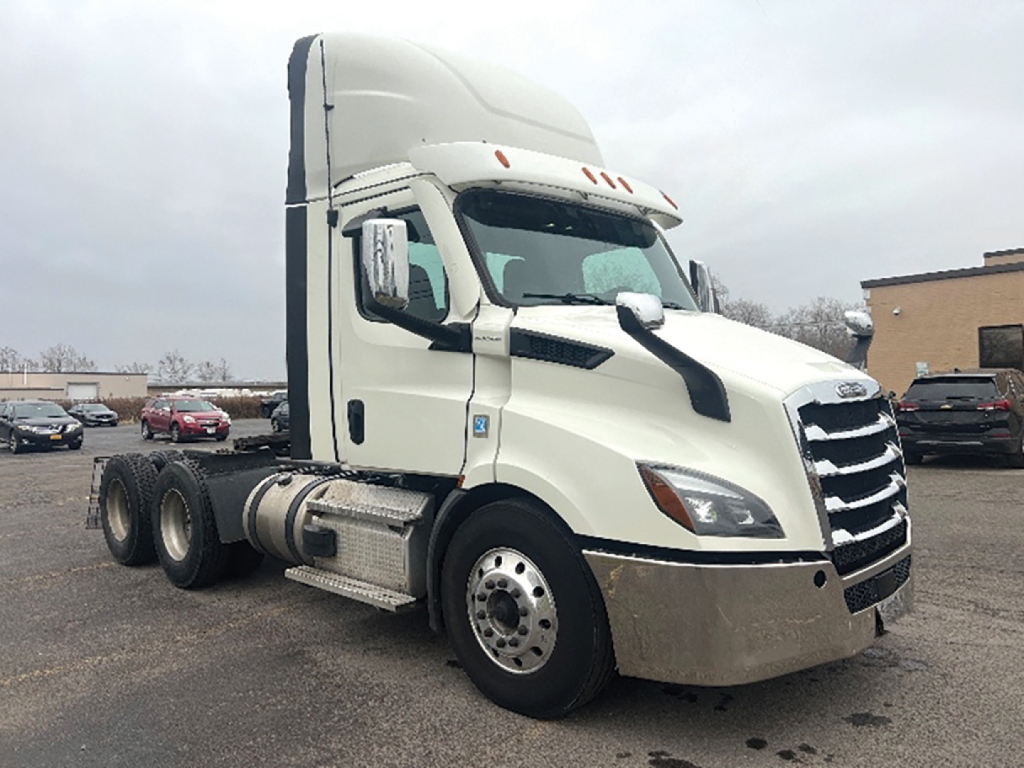
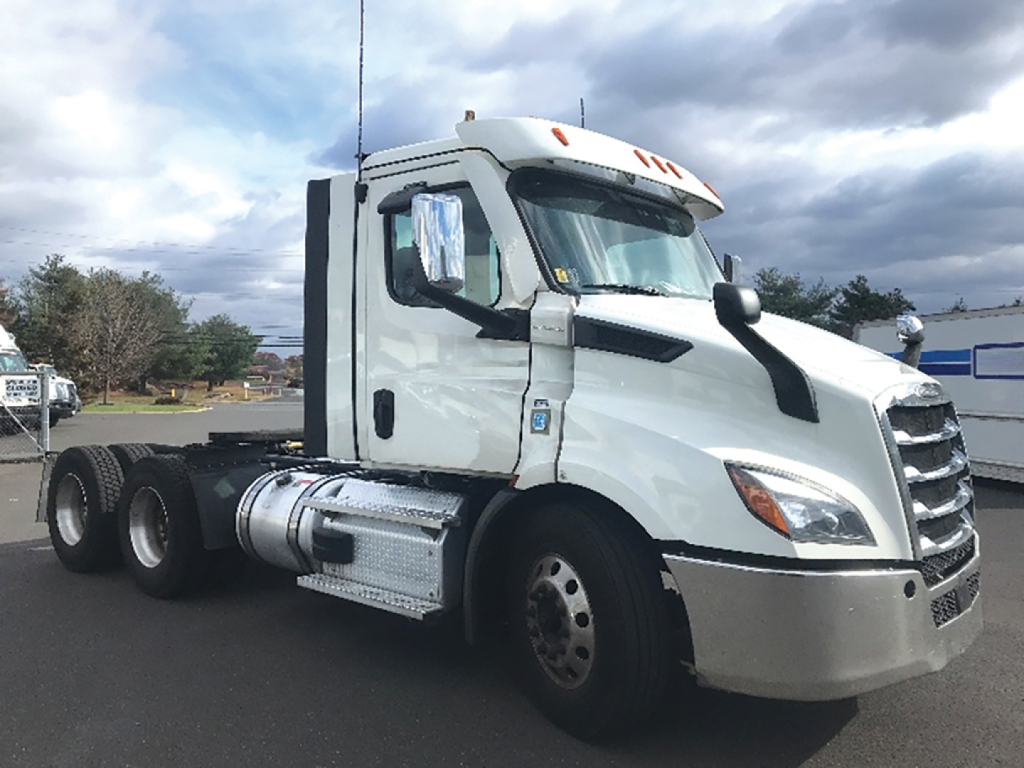
Showing 1 to 28 of 136 results
Have used freightliner truck to sell? List it here to reach thousands of buyers.
Used Freightliner Trucks in New York
Powertrain choices drive cost per mile. Detroit DD13 and DD15 engines pair well with DT12 automated manuals for highway and regional haul, while M2 platforms often run Detroit DD8 or Cummins B6.7 and L9 with Allison automatics for stop and go duty. Match rear axle ratios to cruise speed and terrain, for 65 to 68 mph highway work a direct drive with a mid 2s ratio limits parasitic loss, for mixed duty an overdrive with slightly taller ratio can keep the engine in the sweet spot. Tare weight matters in New York where dense freight and tolls reward lighter specs, look for aluminum wheels, single or split aluminum fuel tanks, and 6x2 where appropriate, but weigh that against winter traction needs where a 6x4 with lockers and proper rubber still wins.
For straight trucks, cargo body construction determines longevity and resale. Dry van and reefer boxes should have forklift rated floors with tight threshold plates, closely spaced crossmembers, and adequate scuff liners, hardwood or aluminum plank floors resist point loads better when dock work is frequent. Thermal integrity is critical on refrigerated bodies, consistent foam insulation, sound vapor barriers, tight door seals, and undamaged sidewalls prevent heat leaks that drive fuel burn and compressor hours. Vocational bodies need similar scrutiny, AR steel thickness and wear plate coverage in dumps, clean welds and hoist geometry, corrosion protected hardware, and sealed electrical connections reduce downtime.
New York winters are hard on metal, evaluate corrosion resistance carefully. Inspect frame flanges, crossmembers, suspension hangers, fifth wheel assemblies, battery boxes, DEF tanks and lines, step brackets, and air tanks for scaling or pitting, look for intact e coat and quality undercoating rather than heavy fresh paint. Verify aftertreatment health with a scan, DPF ash load, forced regen counts, SCR efficiency, NOx sensor history, and DEF dosing performance, then review oil analysis and overhead set intervals. Comfort and idle control influence total engine hours, APUs or battery HVAC help meet idling rules, heated mirrors, engine block heaters, and winter spec coolant lines improve uptime when temperatures drop. A clean alignment report, even tire wear, solid brake measurements, and tight steering gear indicate a chassis that tracks true on I 87 and I 90.
Frequently Asked Questions about Used Freightliner Trucks in New York
Which Freightliner models suit New York applications best?
Cascadia day cabs and sleepers handle linehaul and regional routes efficiently, especially with Detroit engines and DT12 transmissions. The M2 106 and 112 cover box, reefer, rollback, and utility bodies where tighter turning and frequent stops matter. For construction and waste, the 108SD, 114SD, and 122SD offer higher RBM frame rails, set forward or set back steer axles, and PTO friendly powertrains. Choose axle spacing and cab to axle dimensions that fit bridge weights and city maneuvering, and mind 13 ft 6 in height limits on older downstate corridors.
How should I evaluate tare weight and payload on a used Freightliner?
Start with the certification label and axle tags, confirm GAWRs, suspension ratings, and wheelbase. Weigh the truck full of fluids to establish true tare, then compare to your typical gross targets to confirm payload margin. Shaving weight with aluminum wheels, smaller or split fuel tanks, and lightweight fifth wheels helps on highway tractors, while composite or aluminum bodies and liftgates with efficient cylinders help on straight trucks. Balance any weight savings against traction, durability, and body rigidity so you do not give up stability or floor strength.
How do I assess corrosion on a truck that ran New York winters?
Look past fresh paint for scale at frame flanges, crossmember ends, spring and air suspension brackets, and cab mounts. Check the interface between aluminum cabs and steel brackets for galvanic activity, examine battery boxes, fuel tank straps, DEF tanks and lines, and brake hard lines for pitting. Air tanks, air dryer mounts, and wiring harness clips often reveal the truck’s true environment. E coat on Freightliner frames is robust, but long exposure to salt brine can undercut coatings, so prioritize clean metal, consistent coatings, stainless fasteners on bodies, and documented annual undercarriage washing.
What should I review on the emissions system before purchase?
Pull a diagnostic report to see DPF ash load, DOC condition, SCR efficiency, NOx sensor history, and DEF quality or dosing faults. Frequent forced regens, ammonia slip codes, or derate history point to upcoming costs. Inspect the DEF header for cracking or level sensor errors, check for crystal buildup at lines and doser, and confirm no exhaust leaks ahead of the aftertreatment. Ask for service records on EGR coolers, turbo actuators, and any warranty campaigns, then road test long enough to verify normal regen behavior and stable exhaust temperatures.
How can I verify floor strength and thermal performance on a box or reefer truck?
Confirm crossmember spacing, threshold plate integrity, and floor material type, hardwood plank or aluminum plank floors with 12 in crossmember spacing handle forklifts better than wider spacing. Look for scuff liners and corner protection to keep walls from bowing under pallet pressure. On reefers, measure insulation thickness where visible, inspect for delamination or water intrusion, check door seals and hinges, and verify drain lines are clear. A quick infrared temperature scan during a pull down test will expose hot spots that indicate compromised thermal integrity.