
Used Freightliner Conventional Sleeper Trucks For Sale in New York
Browse used Freightliner conventional sleeper trucks in New York, including Cascadia models with DD13 or DD15 power and sleeper cab options.
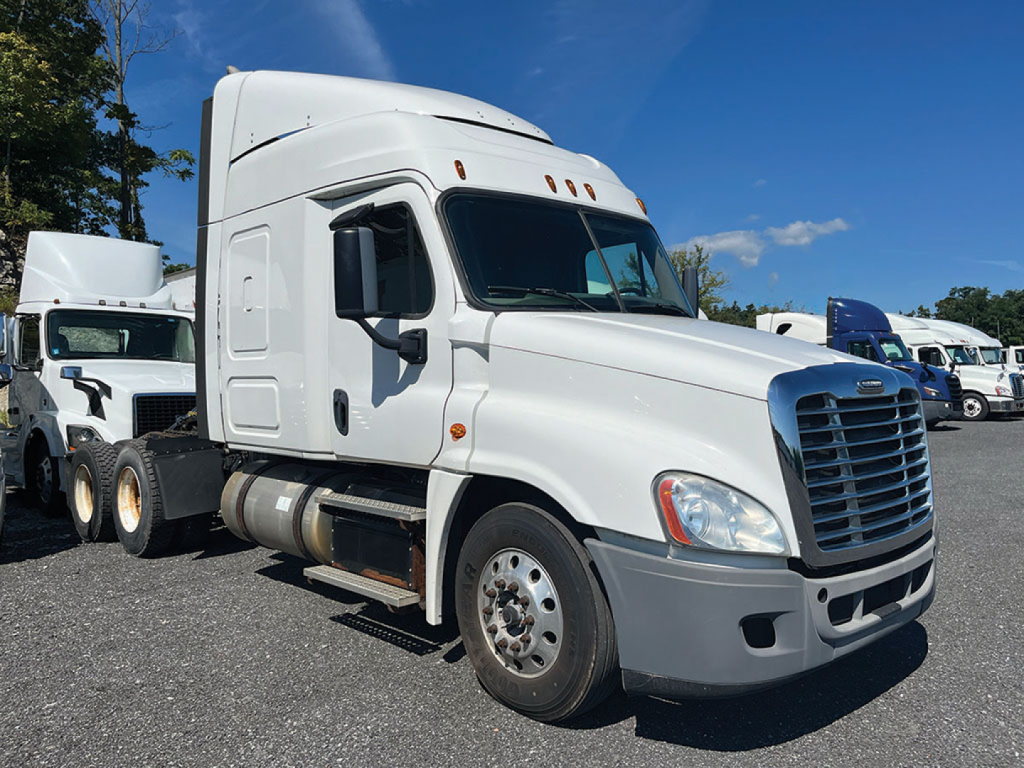
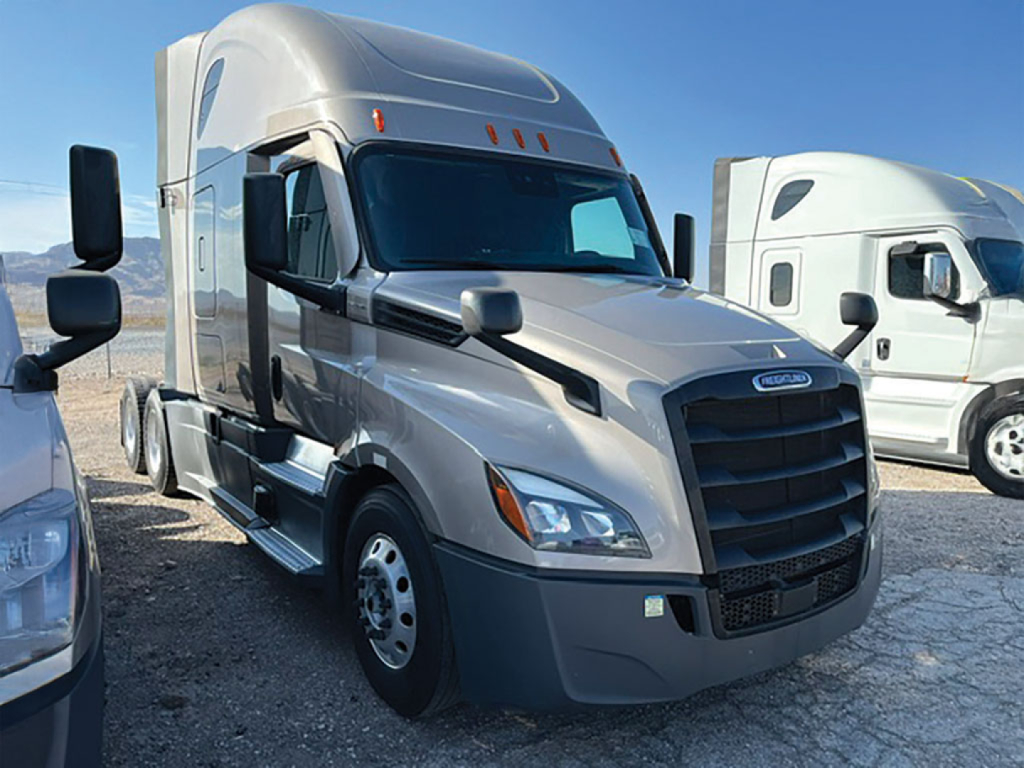
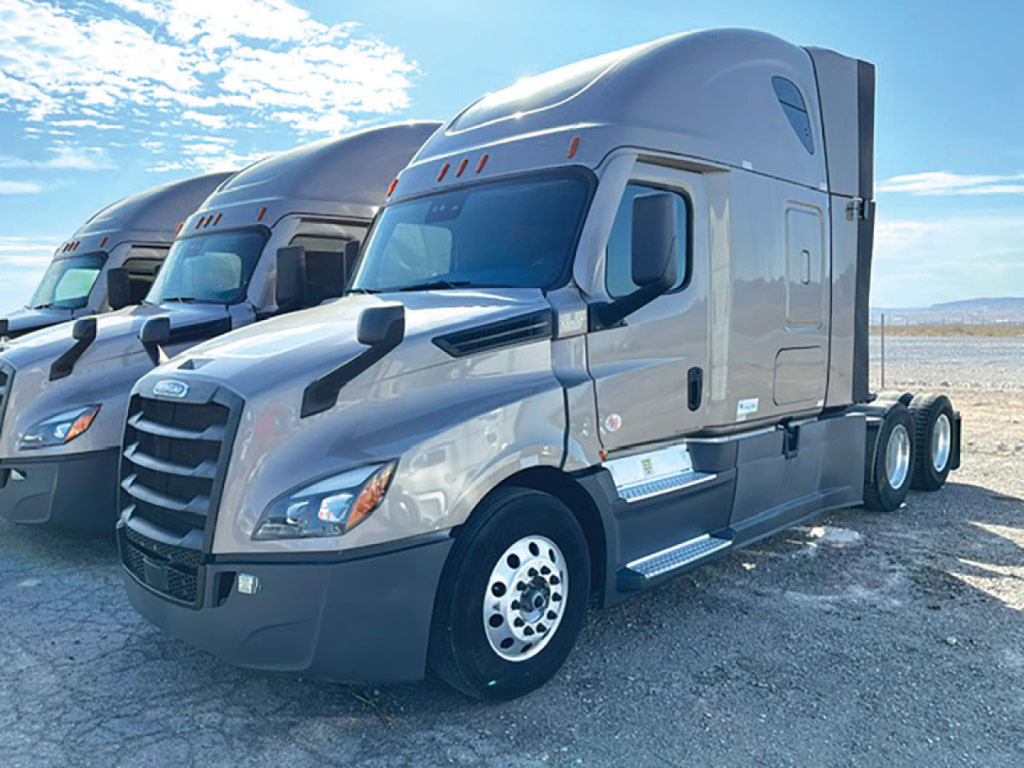
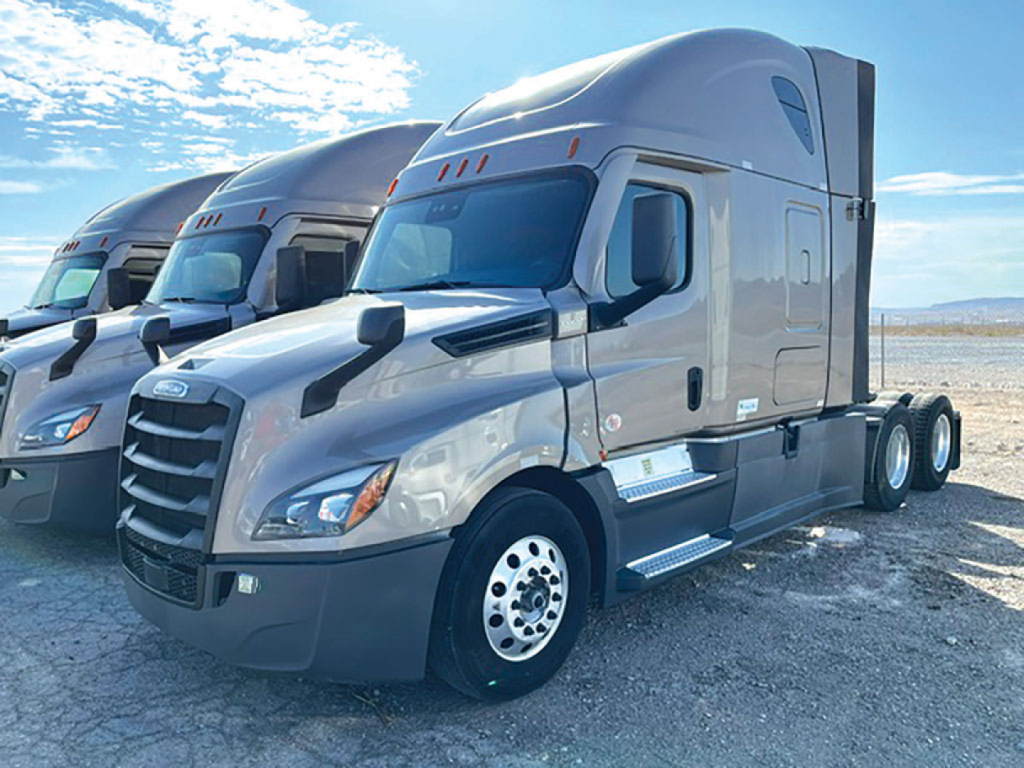
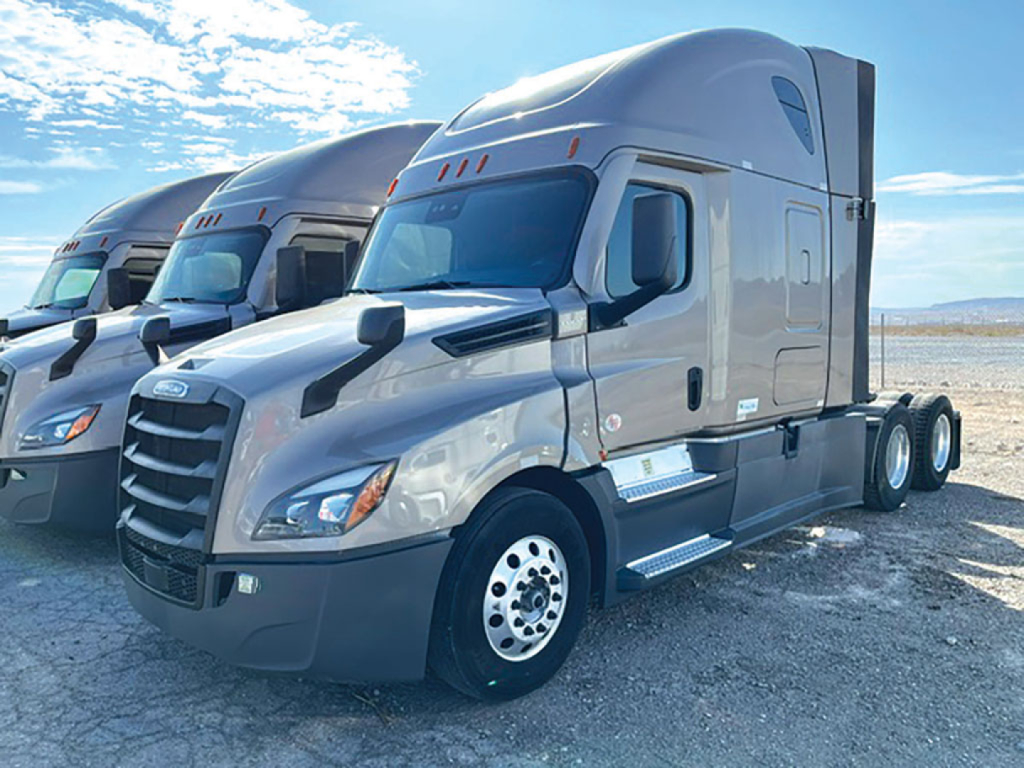
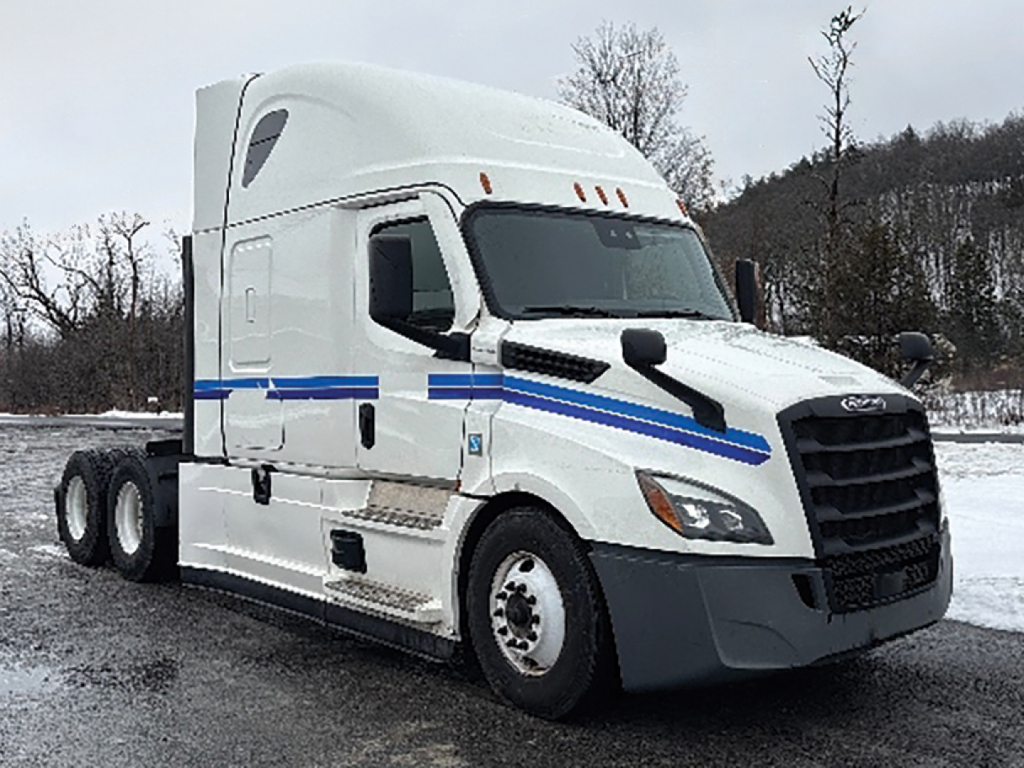
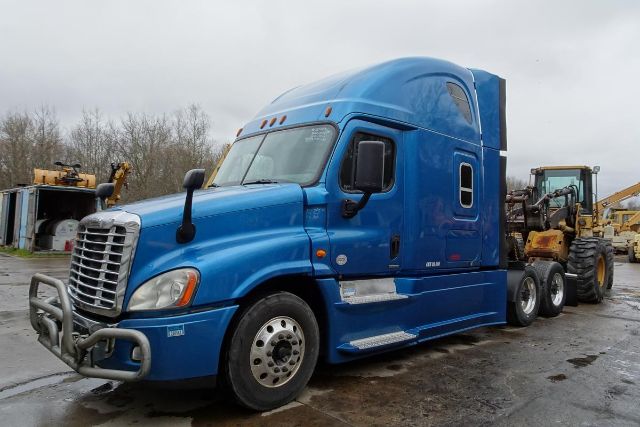
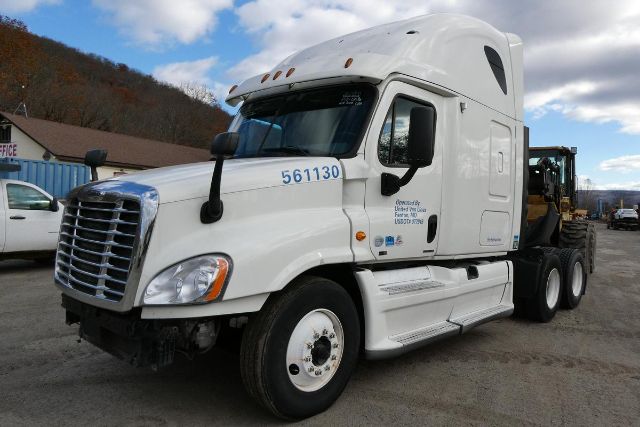
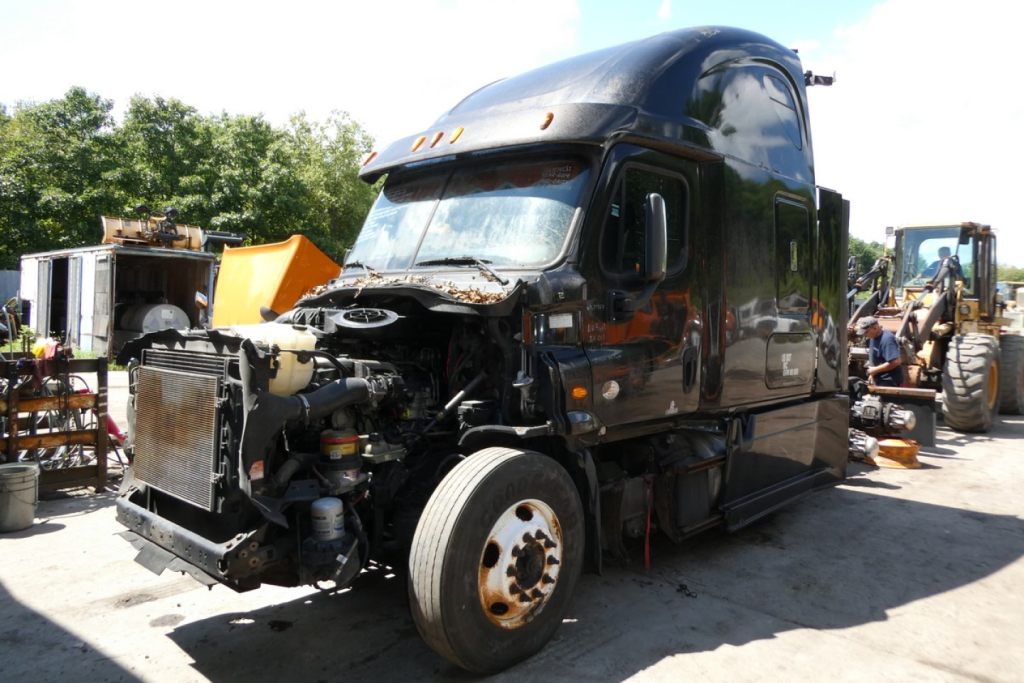
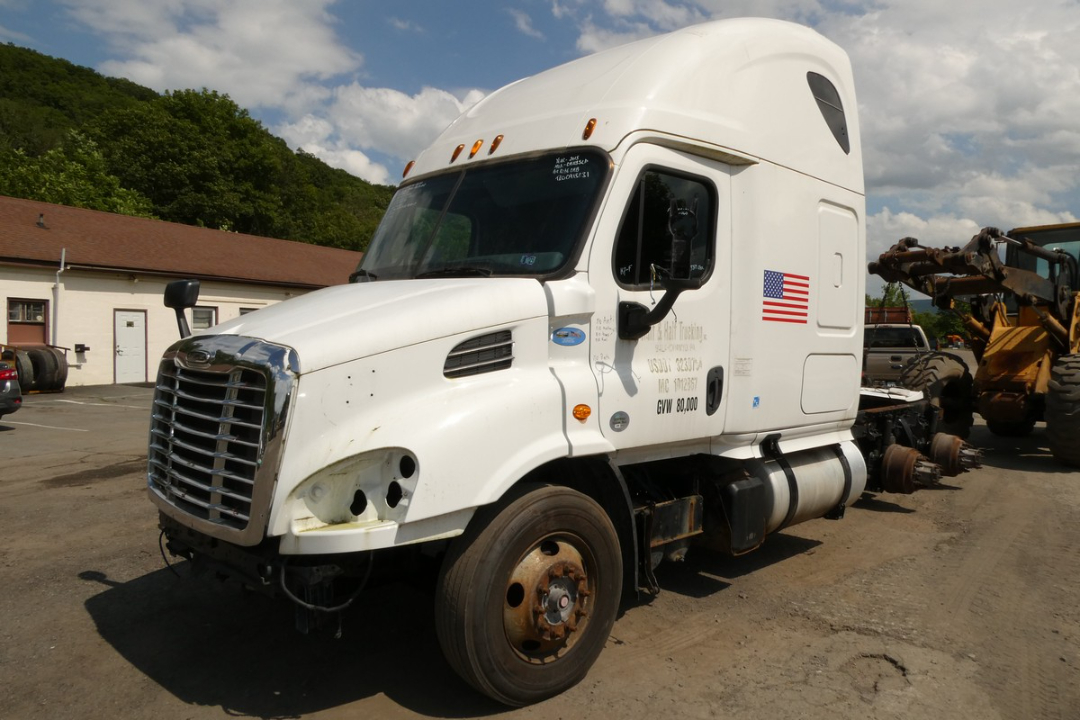
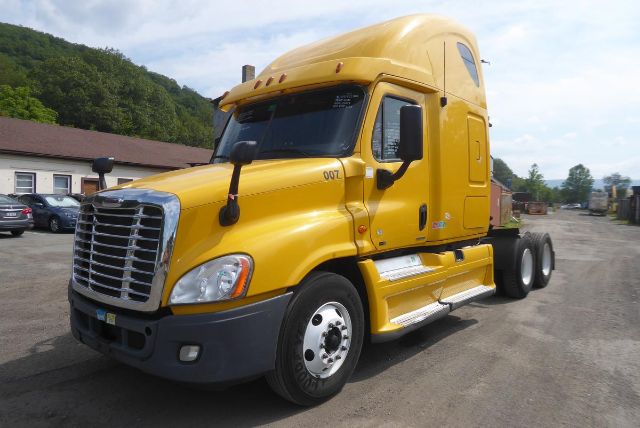
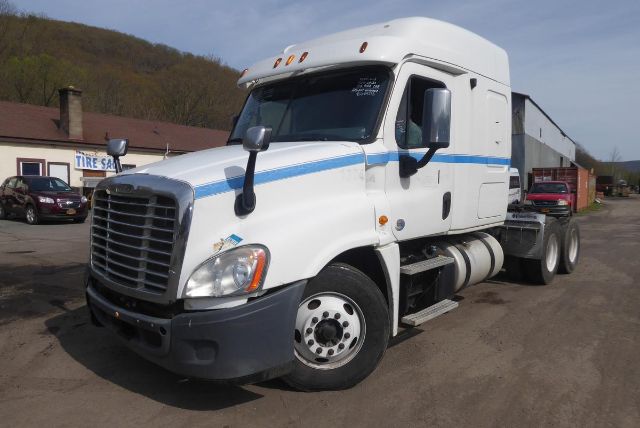
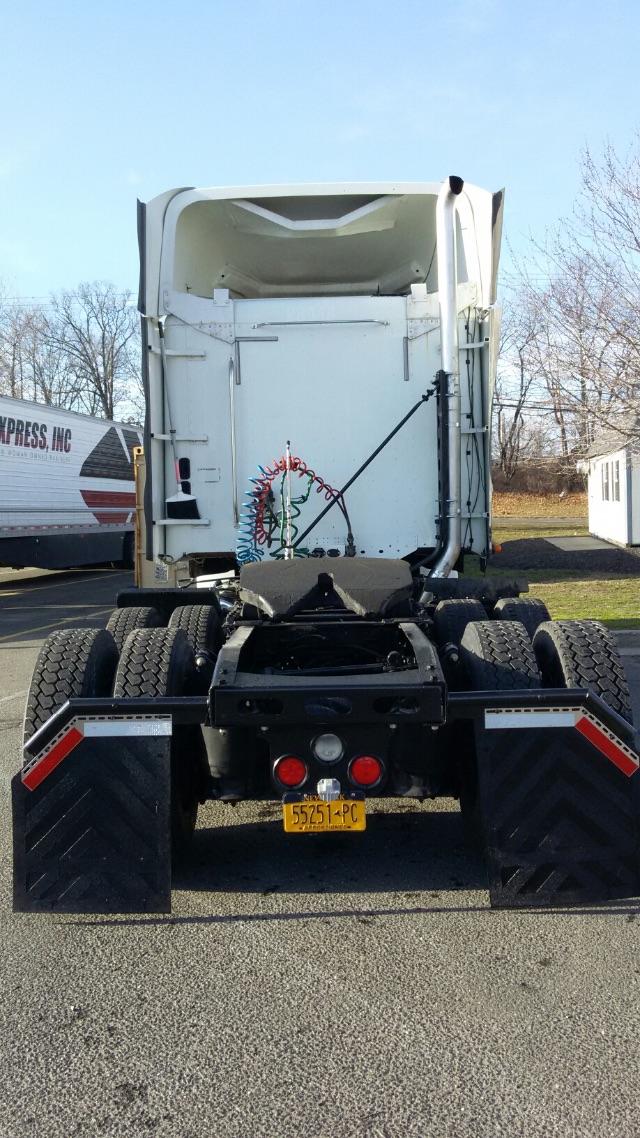

Selling a used freightliner conventional sleeper truck? List your used freightliner conventional sleeper truck for sale to reach thousands of commercial buyers.
Used Freightliner Conventional Sleeper Trucks in New York
For most buyers, the first decision is powertrain and sleeper configuration. Common used specs include Detroit DD13 and DD15 engines paired with 10-speed manual or automated manual transmissions, often backed by 40,000 lb rear axles and AirLiner air ride suspension. Ratios such as 3.31, 3.36, 3.70, and 4.33 can change how the truck performs in fuel mileage, startability, and highway rpm, so axle ratio should match the lanes and trailer weights you plan to run. Sleeper sizes in this class often range from mid-roof 54-inch sleepers to 60-inch and 70-inch high-roof double bunk layouts, which can make a real difference for team operations, longer dispatch cycles, and driver retention.
A used Freightliner sleeper in New York should be evaluated closely for emissions system condition, idle history, and cooling system health. On DEF-equipped trucks, buyers should pay attention to fault history, aftertreatment service records, and how the truck was operated in stop-and-go Northeast freight versus steady over-the-road miles. Odometer and ECM hours should be compared when available, and it is worth inspecting the fifth wheel setup, frame condition, suspension bushings, wheelbase, and cab-to-axle measurement to confirm fit with your trailer mix. On older Cascadia units, also look at common wear points such as hood mounting, bumper and headlight assemblies, air ride sleeper mounts, interior condition, and APU operation if one is installed.
Freightliner conventional sleepers remain popular because the platform is widely understood by independent shops, dealer networks, and fleet maintenance departments. That matters when you are buying used, especially if the truck will be expected to turn miles quickly after purchase. A well-matched spec can work for regional lanes, longer interstate runs, or lease-on owner-operator use, but the best value usually comes from buying for application instead of just horsepower or price. Engine rating, transmission type, roof height, wheelbase, rear ratio, and documented maintenance history will tell you more about future operating cost than appearance alone.
Frequently Asked Questions about Used Freightliner Conventional Sleeper Trucks in New York
What is the most common Freightliner conventional sleeper truck on the used market?
The Freightliner Cascadia is the most common conventional sleeper truck in this category. It is widely used in fleet and owner-operator service because it combines aerodynamic design, strong parts availability, and familiar Detroit engine options. Buyers will commonly find Cascadia 113 and Cascadia 125 configurations with mid-roof or high-roof sleepers, depending on the original application.
What engine and transmission combinations are common in used Freightliner sleeper trucks?
Many used Freightliner conventional sleepers are equipped with Detroit DD13 or DD15 engines. These are often paired with Eaton Fuller 10-speed manual transmissions or automated manual transmissions, depending on the fleet spec. The right combination depends on route profile, gross weight, driver preference, and maintenance capability, so it is important to match powertrain choice to the work the truck will actually do.
What should I inspect first on a used Freightliner sleeper truck?
Start with engine condition, emissions system history, transmission operation, and the truck's maintenance records. After that, inspect the frame, suspension, fifth wheel, sleeper mounts, cooling system, and cab components such as hood alignment, bumper condition, lights, and interior wear. If ECM miles and engine hours are available, compare them to the odometer and look for signs of excessive idle time or deferred maintenance.
Are high-roof sleepers better than mid-roof sleepers on a Freightliner?
A high-roof sleeper is usually better for over-the-road work, team driving, and longer time away from home because it offers more interior space and storage. A mid-roof sleeper can still be a strong fit for regional haul, shorter trips, and buyers who want lower overall height and potentially lighter weight. The better choice depends on driver needs, freight lanes, and how much time the truck will spend on the road between stops.
Why are used Freightliner conventional sleepers so popular with fleets and owner-operators?
They are popular because Freightliner trucks are common across North America, which supports easier parts sourcing, broad service coverage, and familiarity among technicians. That can reduce downtime and simplify maintenance planning compared with less common platforms. For buyers focused on operating cost, resale liquidity, and practical day-to-day serviceability, that widespread support is a major advantage.