
Used Freightliner Box Trucks For Sale in New York
Browse used Freightliner box trucks in New York. Compare M2 specs, GVWR, box lengths, liftgates, and delivery-ready configurations.
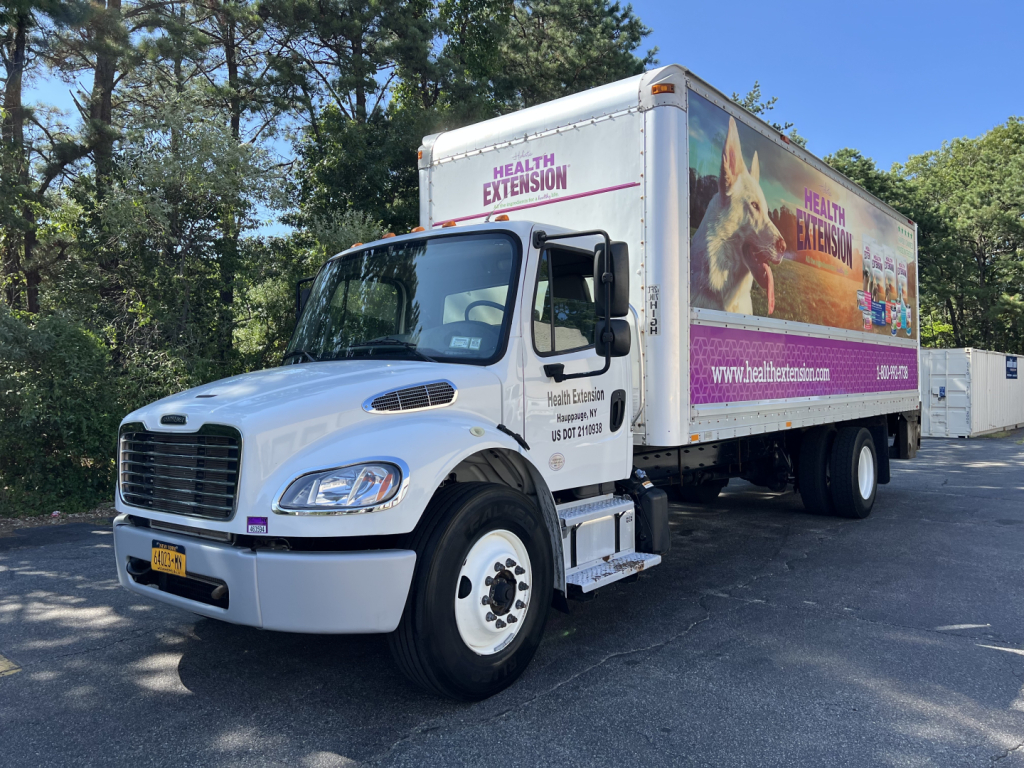
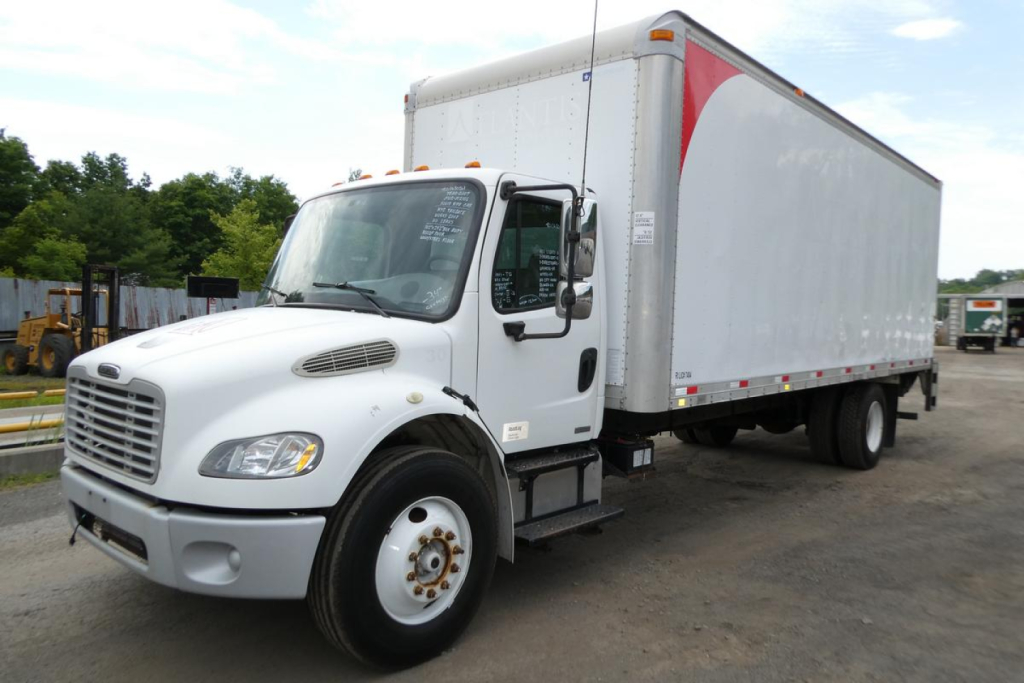
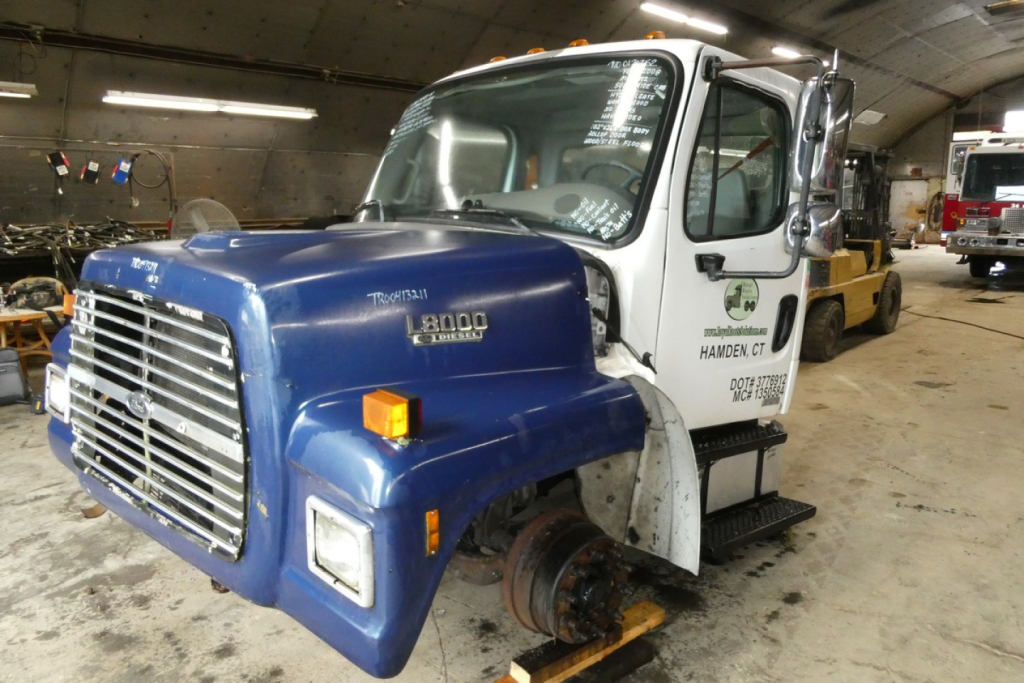
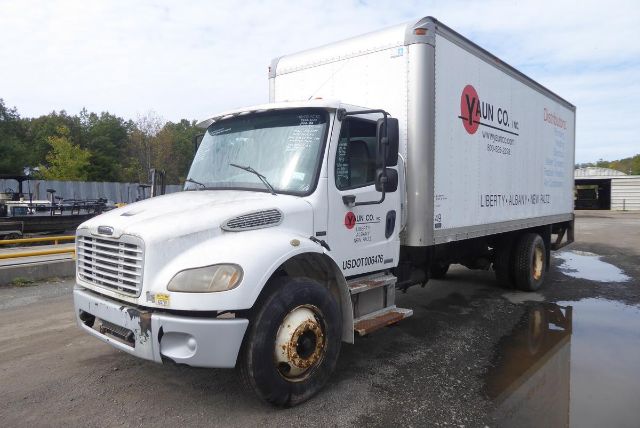
Selling a used freightliner box truck? List your used freightliner box truck for sale and reach thousands of commercial buyers.
Used Freightliner Box Trucks in New York
The first decision is usually body and chassis size. Used Freightliner box trucks commonly show up with 16-foot to 26-foot van bodies, roll-up rear doors, curb-side access doors, wood or wood-over-steel floors, and either translucent or aluminum roofs. In dense New York service areas, a shorter wheelbase truck is easier to place at docks, alleys, and tight city stops. A longer 24-foot to 26-foot body can add cubic capacity for furniture, appliances, paper products, and palletized freight, but it also changes turning radius, bridge planning, and parking flexibility. Liftgate configuration matters just as much as box length. Many buyers need a 2,000- to 3,000-pound hydraulic liftgate for route delivery where dock access is inconsistent.
Powertrain specs on used Freightliner box trucks vary widely, but Cummins ISB and Mercedes MBE900-series engines are common on earlier and mid-range M2 units. Allison automatic transmissions are especially desirable for multi-stop urban work because they reduce driver fatigue and hold up well in stop-and-go service. Rear axle ratios, tire size, and suspension setup also affect how the truck performs. A deeper ratio can help launch under load in city traffic, while air-ride rear suspension may be preferred for ride quality and cargo protection. Buyers should also confirm whether the truck has hydraulic or air brakes, as brake type affects maintenance requirements, inspection points, and driver familiarity.
Condition matters more than brochure specs on a used box truck. A Freightliner may have a solid chassis but still need expensive attention in the box body, liftgate, door tracks, flooring, crossmembers, air system, or cab HVAC. In New York, corrosion deserves a close look on frame rails, step assemblies, fuel tank mounts, brake components, and body substructure. It is also worth checking cab-to-axle measurement, door opening height, interior logistics track, and any prior reefer or dry freight use to make sure the truck matches the intended route. A well-matched used Freightliner box truck can be a durable, easy-to-service platform for last-mile delivery, regional distribution, and vocational hauling where cargo security and enclosed capacity are the priority.
Frequently Asked Questions about Used Freightliner Box Trucks in New York
What is the most common Freightliner box truck model on the used market?
The Freightliner M2 106 is one of the most common used Freightliner box truck models. It is widely used for dry freight delivery, moving, beverage work, parcel routes, and general commercial service. Buyers favor it because parts availability is strong, body builders commonly spec it for van bodies and liftgates, and it is available in both non-CDL and higher-GVWR configurations.
What box length is best for a used Freightliner box truck in New York?
The best box length depends on the route and the freight. A shorter 16-foot to 22-foot body is often easier to operate in urban boroughs, older industrial zones, and tight delivery points. A 24-foot to 26-foot body increases cube and pallet capacity, but it can be less forgiving in city traffic and restricted loading areas. Buyers should match body length to delivery density, average stop conditions, and available parking or dock space.
Should I choose a used Freightliner box truck with a liftgate?
A liftgate is a major advantage when deliveries do not always have dock access. It is especially useful for palletized freight, appliances, vending, office equipment, and route delivery with repeated ground-level unloading. On a used truck, the important points are lift capacity, deck condition, cylinder and hose condition, and whether the gate raises smoothly under load. A working liftgate can add productivity, but repairs can be costly if the system has been neglected.
What should I inspect first on a used Freightliner box truck?
Start with the frame, engine, transmission operation, brake system, and body condition. Then inspect the box floor, roof, front wall, roll-up door, side door, crossmembers, and liftgate. On Freightliner M2 units, buyers should also verify axle ratings, GVWR, cab-to-axle measurement, and suspension type because those details determine payload capability and upfit compatibility. In rust-prone regions like New York, corrosion under the body and around brake and air system components should be checked carefully.
Are used Freightliner box trucks good for non-CDL operation?
Many are, but not all. Some Freightliner box trucks are spec'd with GVWRs at or below 26,000 pounds, which can make them suitable for non-CDL use depending on local regulations and how the truck is equipped. Others are rated above that threshold and require a CDL. Buyers should confirm the door-sticker GVWR, axle ratings, and intended payload before assuming a truck fits a non-CDL application.