
Used 2014 Commercial Trucks For Sale in New York
Browse used 2014 trucks for sale in New York, including day cabs, dump trucks, and vocational units with diesel powertrain and axle options.
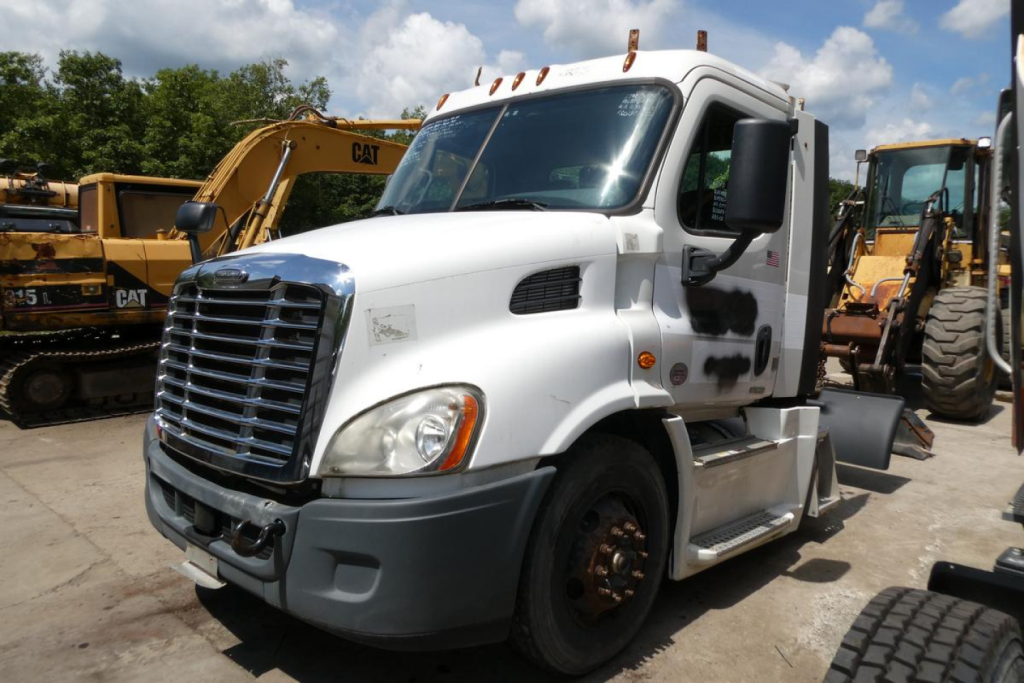
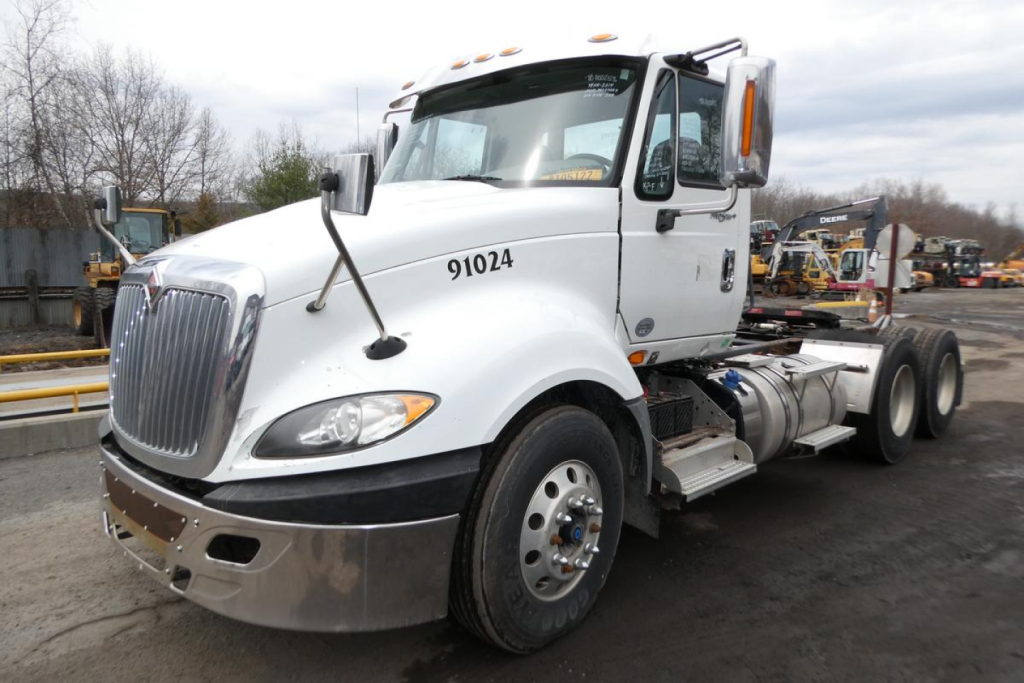
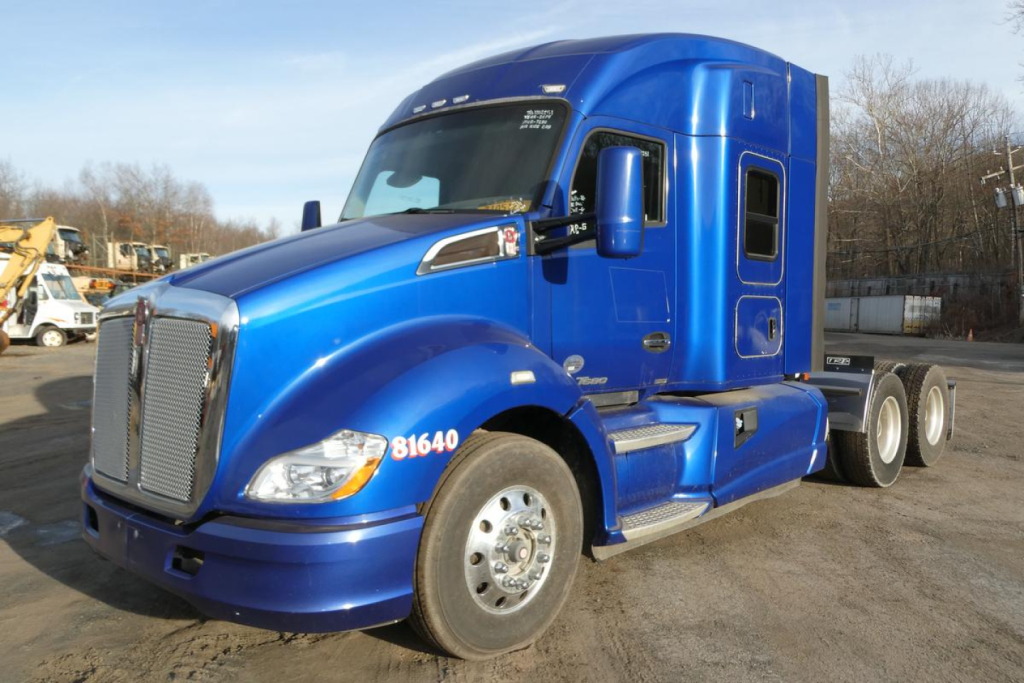
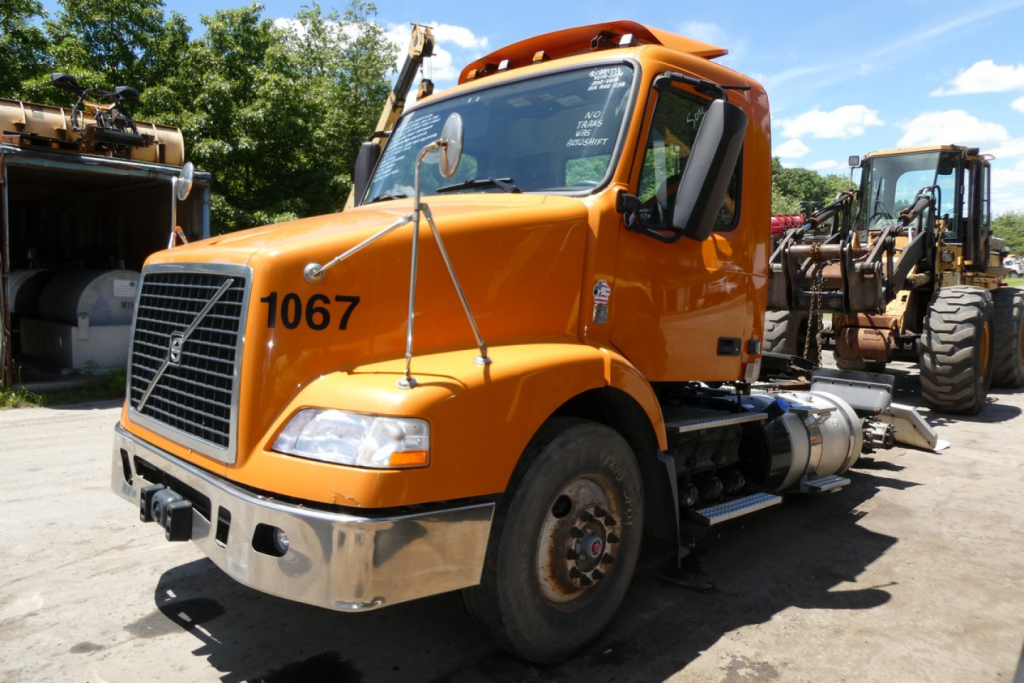
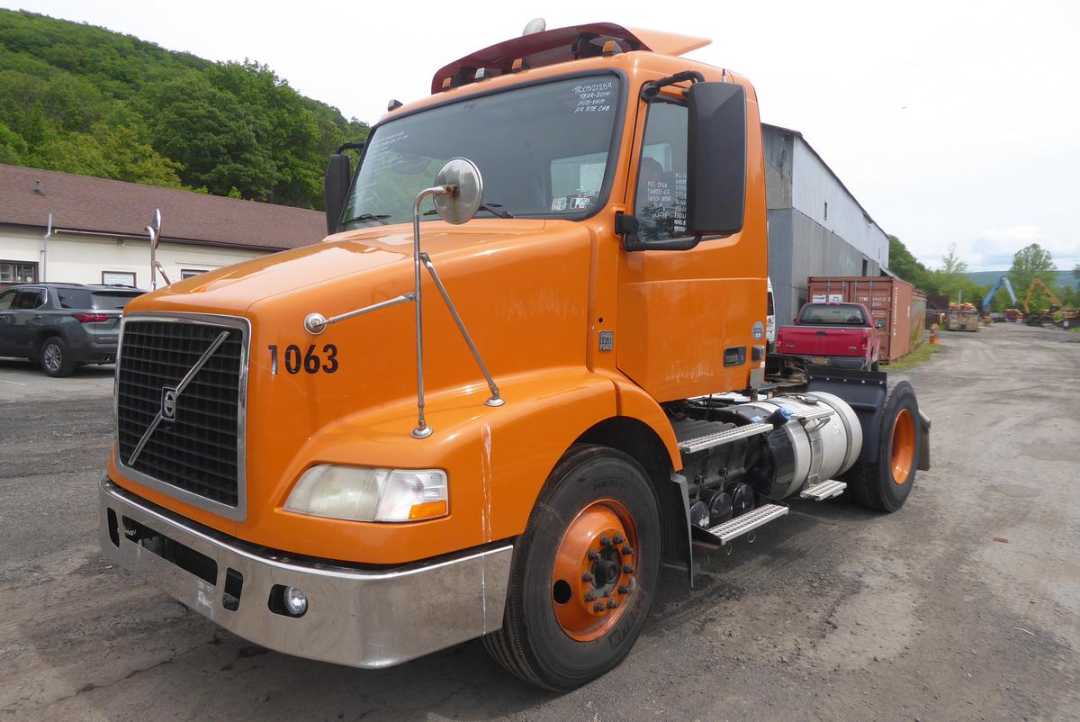
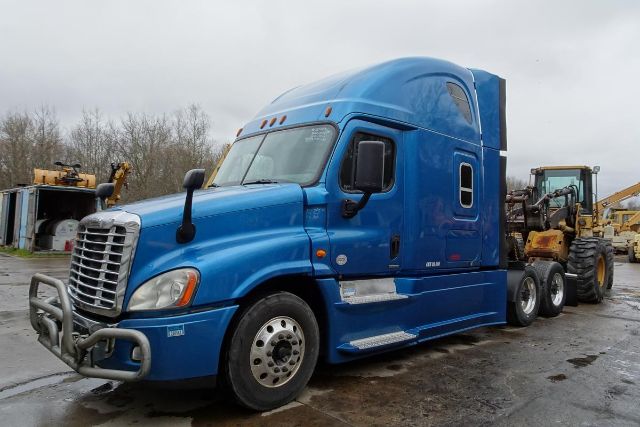
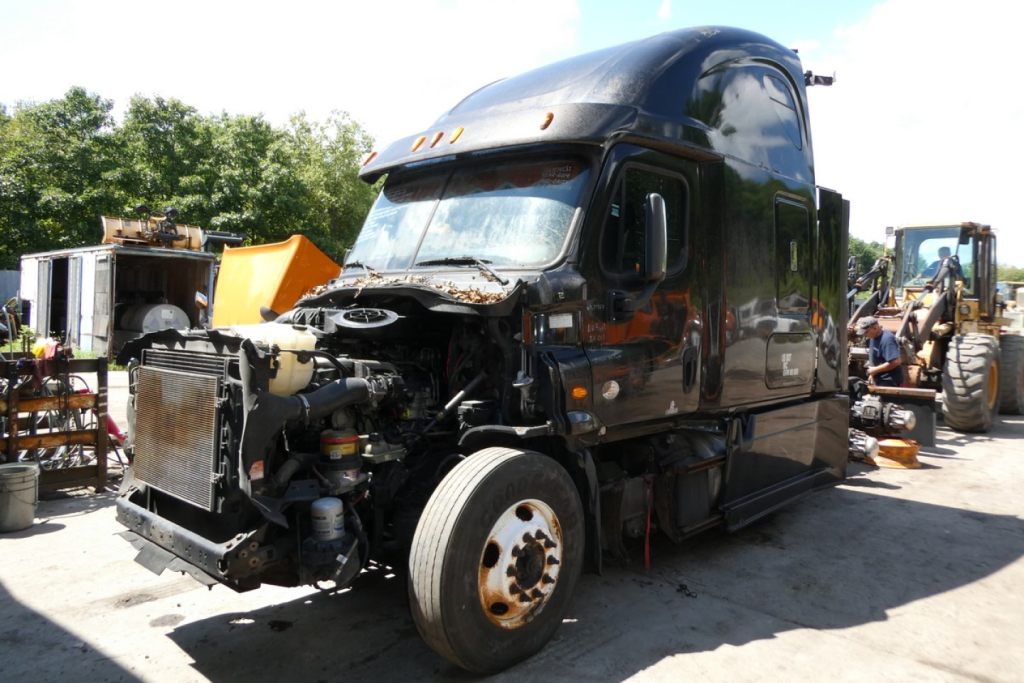
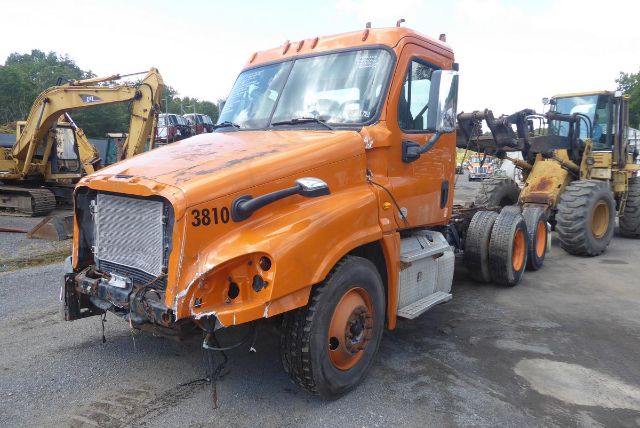
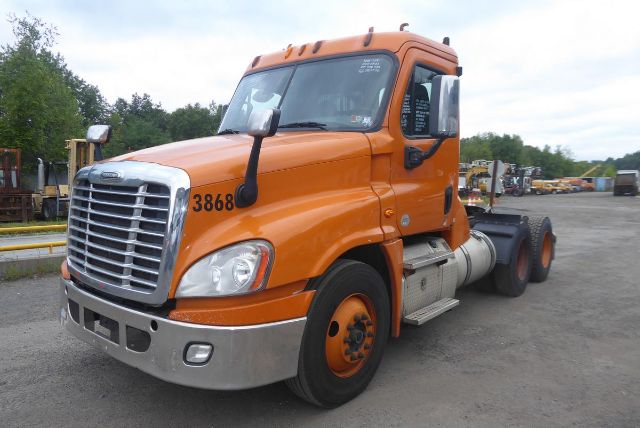
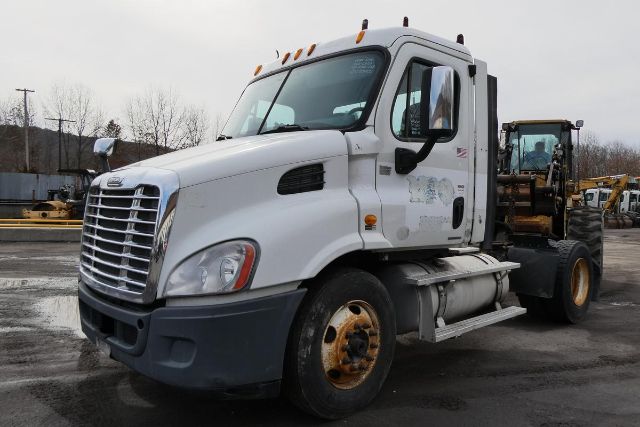
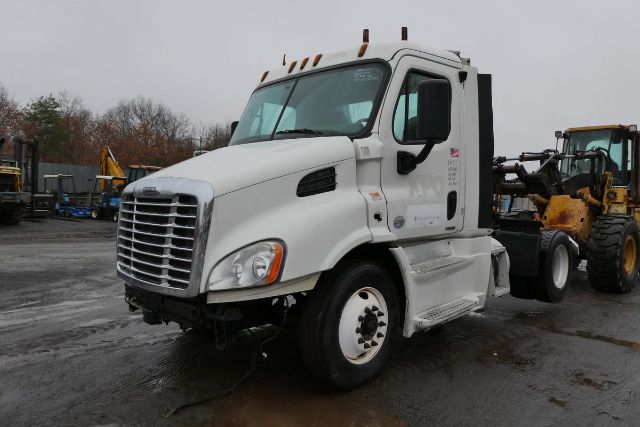
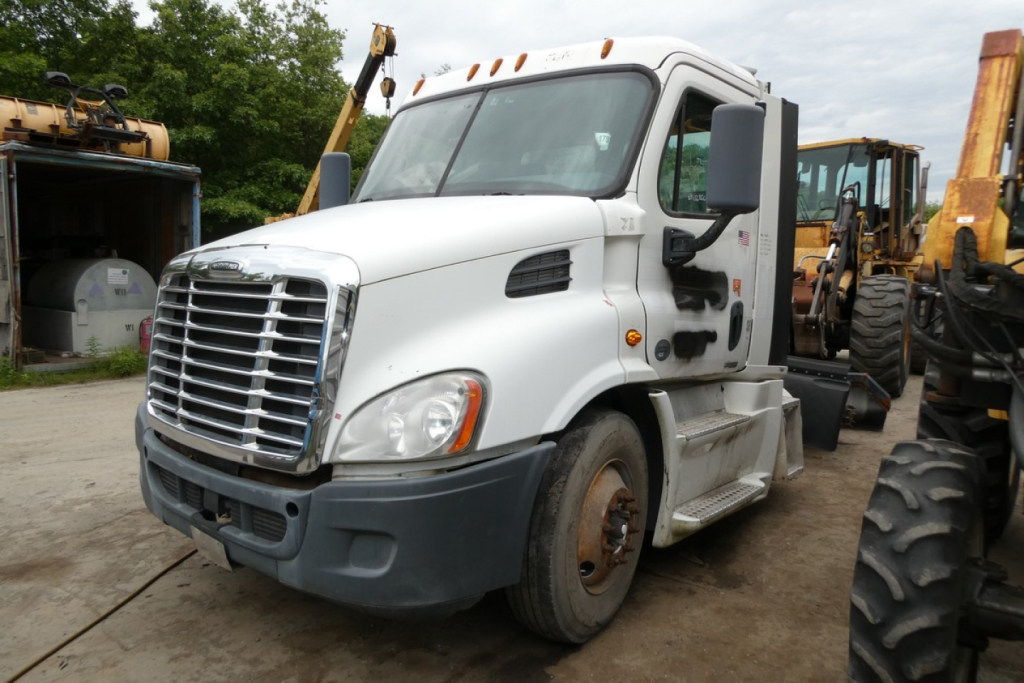

Have used 2014 commercial truck to sell? List it here to reach thousands of buyers.
Used 2014 Commercial Trucks in New York
For this model year, emissions equipment is a major inspection point. Most 2014 diesel trucks use SCR with DEF, and many still carry high mileage by now, so buyers should pay close attention to DPF service history, aftertreatment faults, EGR performance, and any active engine or transmission codes. Common engines in this age range include the Detroit DD13 and DD15, often paired with 10-speed manual, 12-speed automated manual, or other fleet-spec transmissions. Rear axle ratios such as 2.67, 3.08, 3.23, and 3.42 can significantly change how a truck performs. Lower numerical ratios generally favor fuel economy at road speed, while deeper ratios usually help in stop-and-go, heavier payload, or vocational service.
Chassis details matter just as much as powertrain specs. Wheelbase, cab-to-axle, and cab-to-end dimensions determine body compatibility, turning radius, and bridge-law practicality in New York. Buyers comparing used 2014 trucks should verify suspension type, frame condition, brake configuration, tire size, and whether the truck has a stationary or sliding fifth wheel, pintle hook, or PTO capability. Air ride suspension is common on road tractors, while vocational units may prioritize durability and load stability. In New York, corrosion from road salt is a real factor, so it is worth closely checking crossmembers, cab mounts, spring hangers, air tanks, brake lines, wiring, and the lower cab structure for rust or prior repair.
A 2014 truck can still be a cost-effective fleet addition if the spec matches the route and the maintenance history supports the miles. Odometer readings, ECM hours, idle time, axle ratings, and service records will usually tell more than appearance alone. For highway use, look at fuel capacity, horsepower, and ratio together. For local or vocational work, focus on frame integrity, suspension capacity, PTO readiness, and how the truck is already set up for the body or trailer you plan to run. Buyers who stay disciplined on emissions health, driveline condition, and chassis spec can still find strong value in used 2014 trucks.
Frequently Asked Questions about Used 2014 Commercial Trucks in New York
What should I check first on a used 2014 truck?
Start with the powertrain and emissions system. On a 2014 diesel truck, buyers should check for active fault codes, DPF and SCR history, DEF system operation, EGR performance, and any signs of derate or repeated regeneration issues. After that, review engine hours, idle time, transmission operation, axle ratings, and the overall frame and suspension condition. In New York, rust inspection is especially important on the frame rails, crossmembers, brake lines, and cab structure.
Are 2014 trucks still a good value for commercial use?
Yes, a 2014 truck can still deliver solid value if it has the right spec for the job and a documented maintenance history. This model year is old enough to be more affordable than late-model equipment, but new enough to include modern diesel engines, DEF-based emissions systems, and common fleet driveline options. The key is avoiding trucks with unresolved aftertreatment problems, excessive corrosion, or mismatched gearing for the intended route.
What is the difference between a 4x2 and a 6x4 used truck?
A 4x2 truck has one drive axle and is commonly used for lighter day cab and regional applications where payload, maneuverability, and lower operating weight matter. A 6x4 truck has tandem drive axles and is better suited for heavier gross weights, tougher terrain, construction work, and linehaul applications that require more traction and carrying capacity. The right choice depends on freight weight, road conditions, and the body or trailer setup.
Why do rear axle ratios matter on a used 2014 truck?
Rear axle ratio affects startability, cruising RPM, fuel economy, and how well the truck matches its transmission and engine horsepower. Ratios like 2.67 or 3.08 are often selected for highway efficiency, while 3.23 or 3.42 can be more suitable for heavier loads, local delivery, or vocational work with frequent stops. A truck with the wrong ratio for its application may feel underpowered, run inefficiently, or increase driver fatigue.
What matters most when buying a used 2014 truck in New York?
Spec fit, rust condition, and service history matter most. New York buyers should pay close attention to corrosion caused by road salt, especially on vocational trucks and local units. Beyond that, confirm axle ratings, wheelbase, brake type, suspension, and any equipment such as PTO, pintle hook, or fifth wheel setup. A truck that matches the intended body, route, and legal weight requirement will usually outperform a cheaper truck with the wrong configuration.