
Used 2014 Commercial Trucks For Sale
Browse used 2014 trucks for sale, including medium-duty and heavy-duty models with diesel engines, PTO options, body types, and work-ready specs.
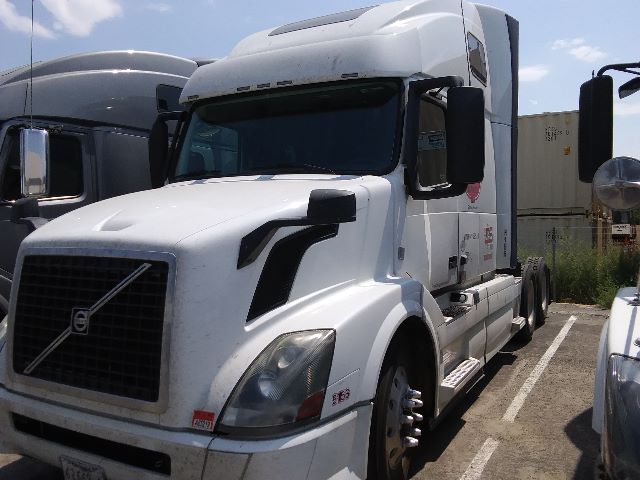
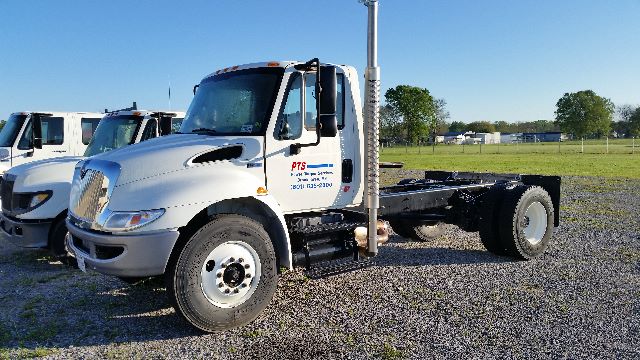
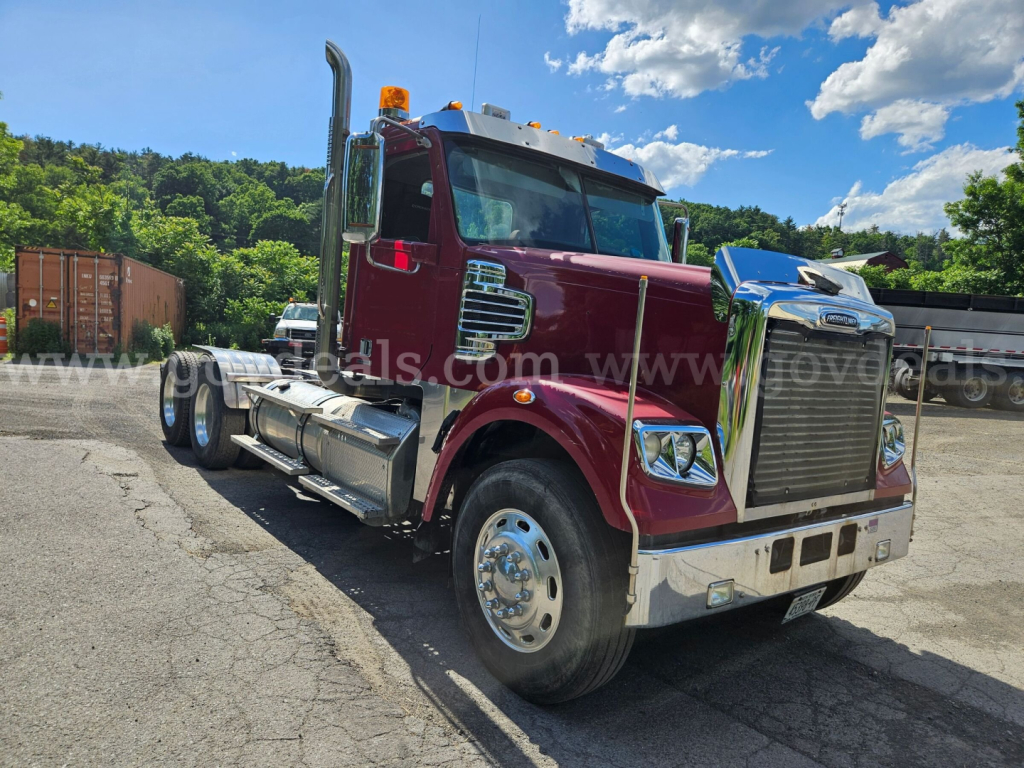
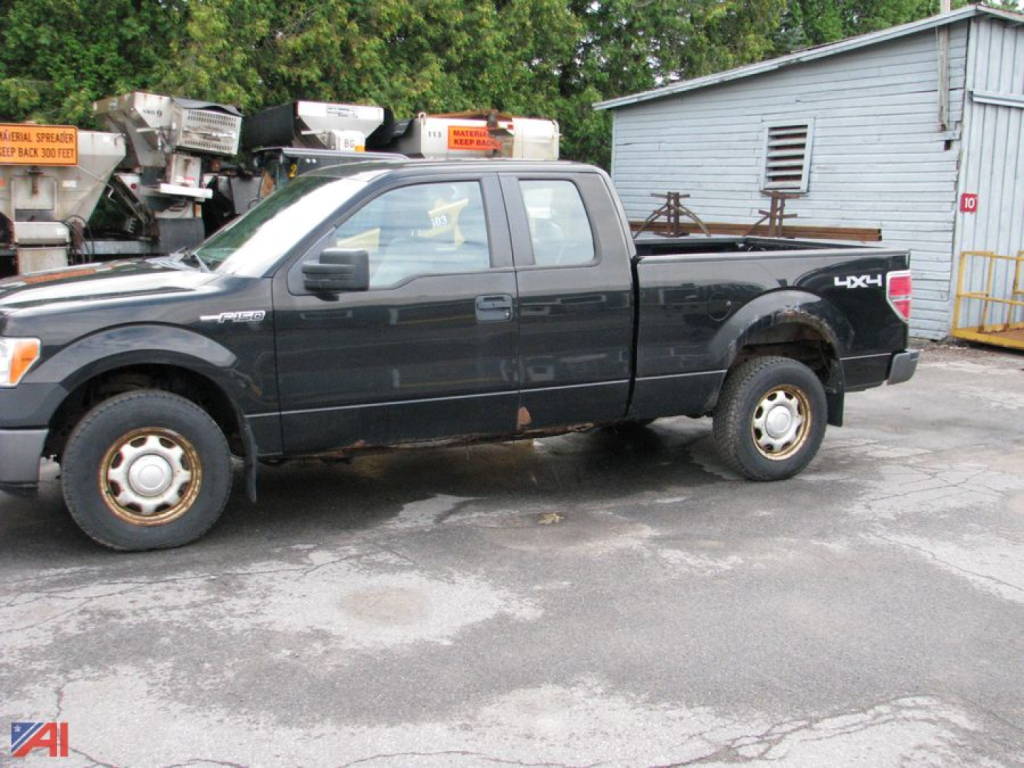
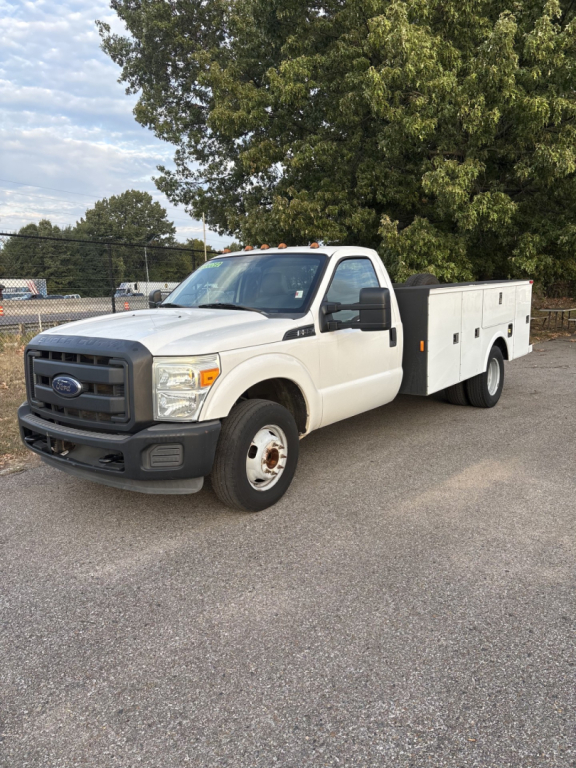
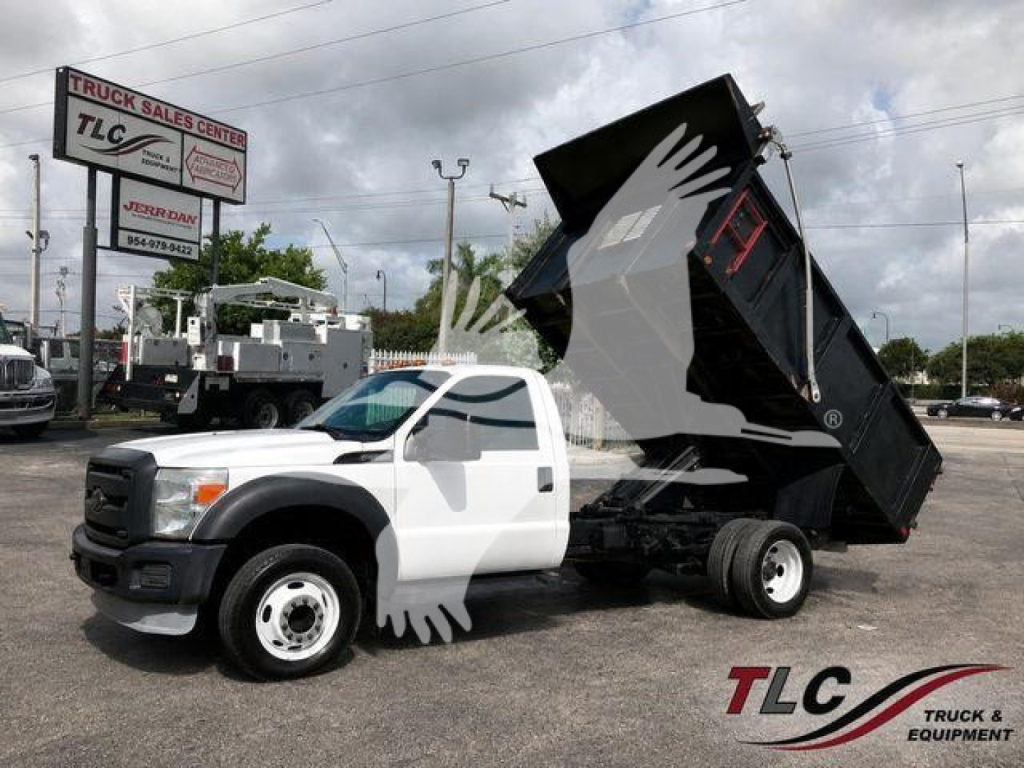
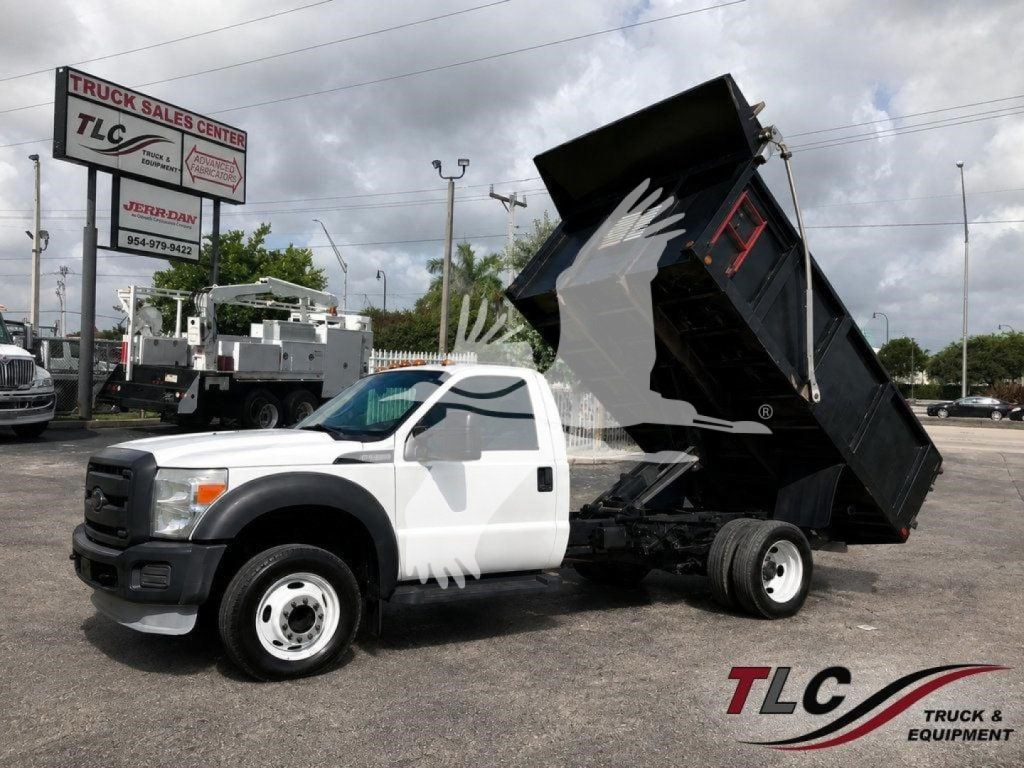
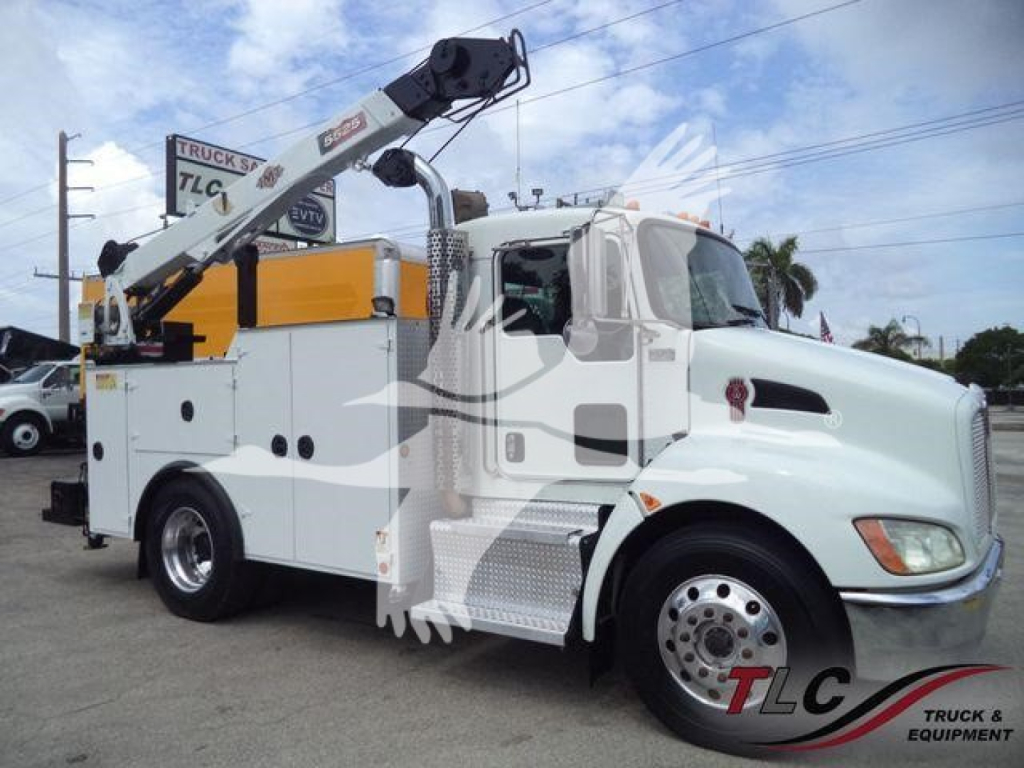
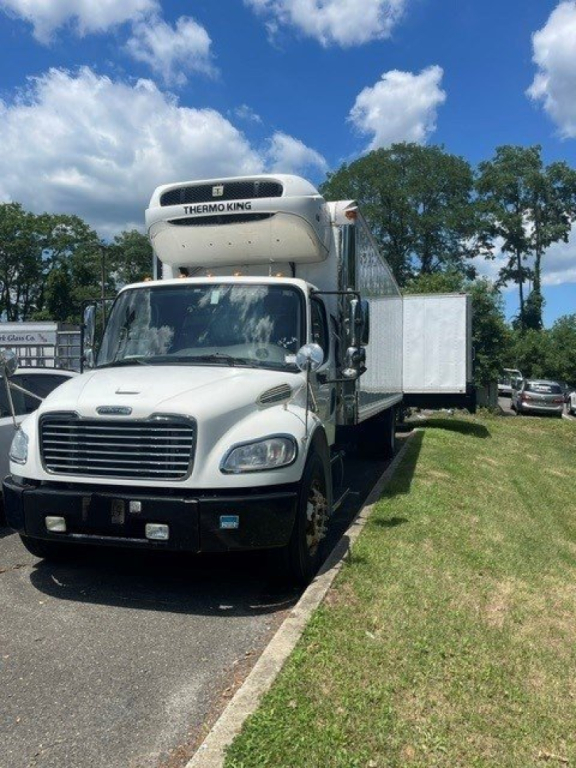
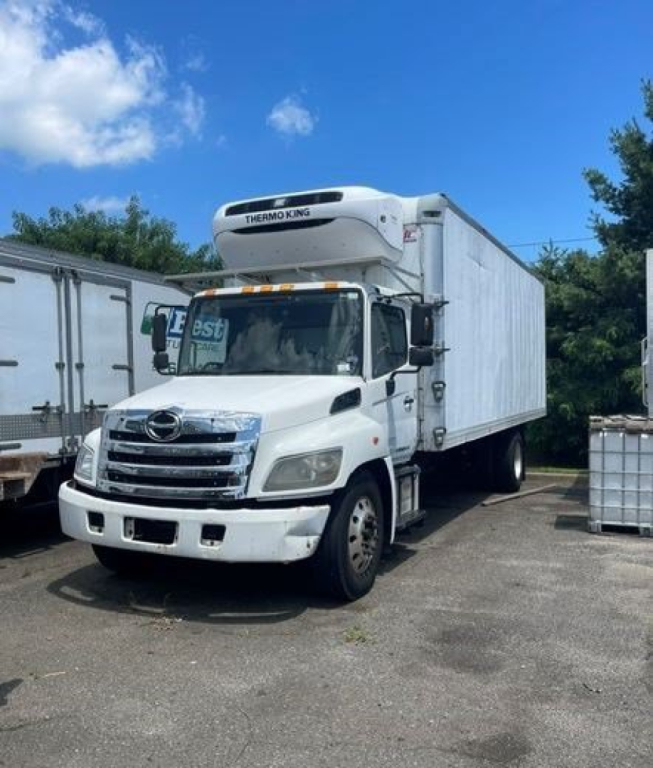
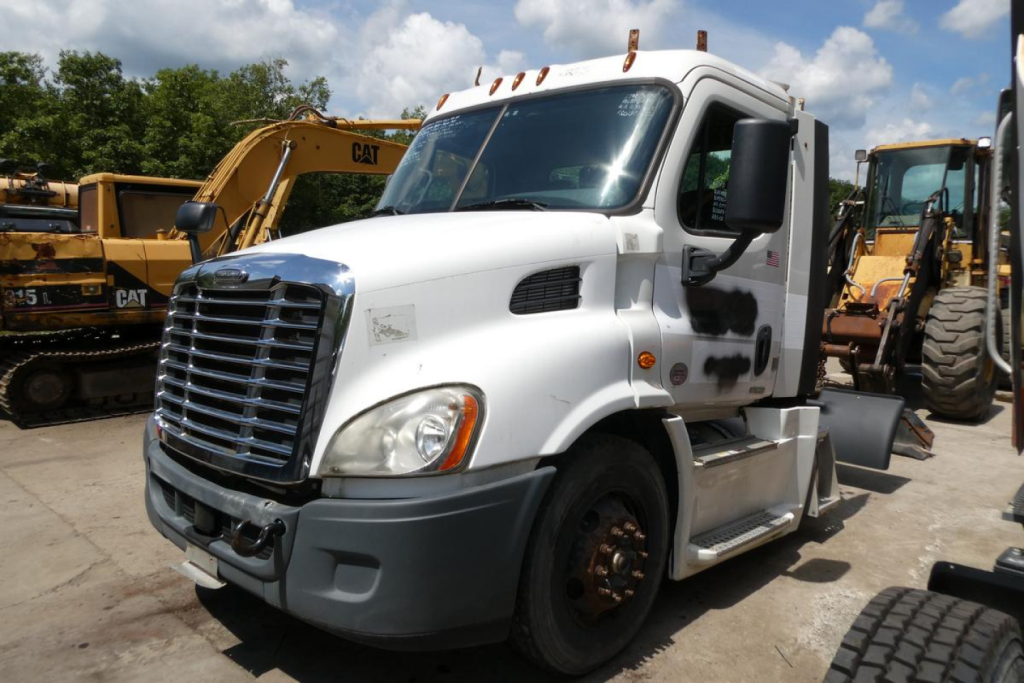
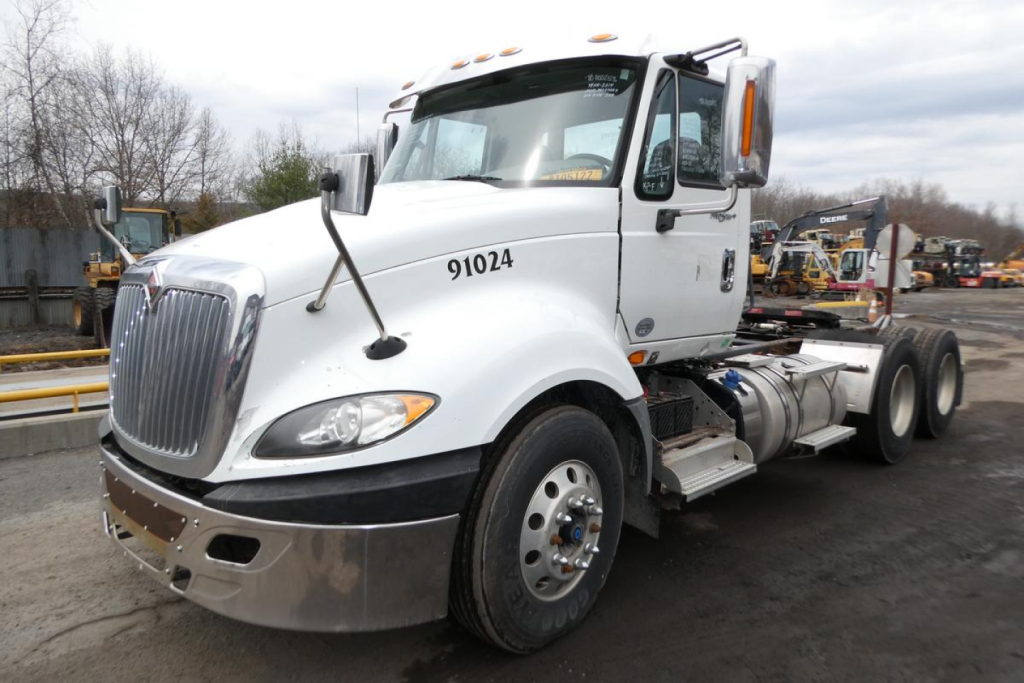
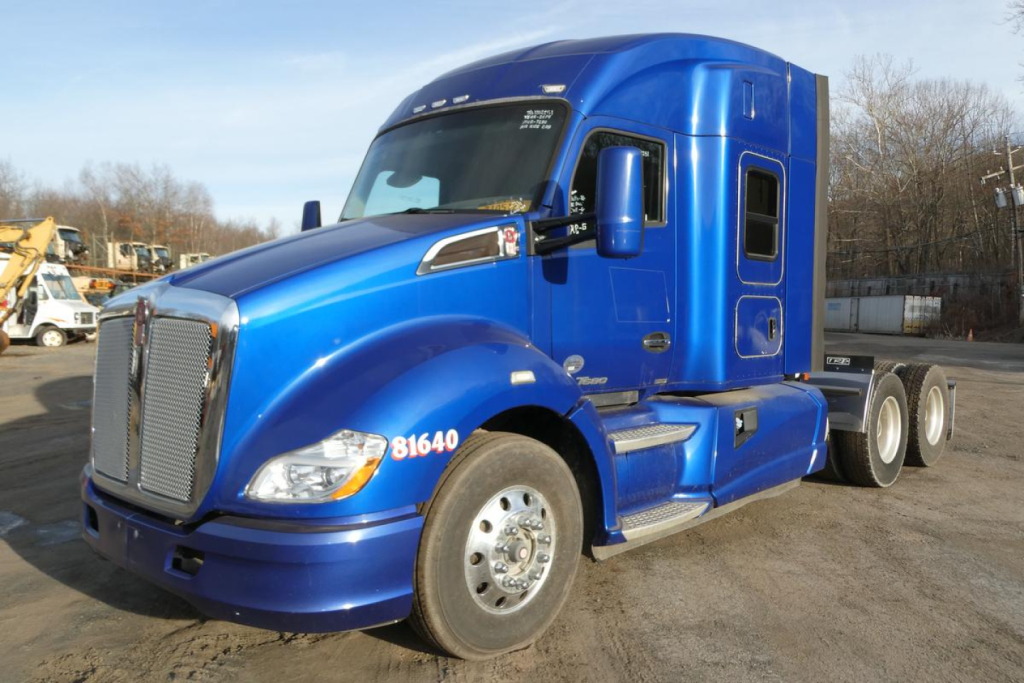
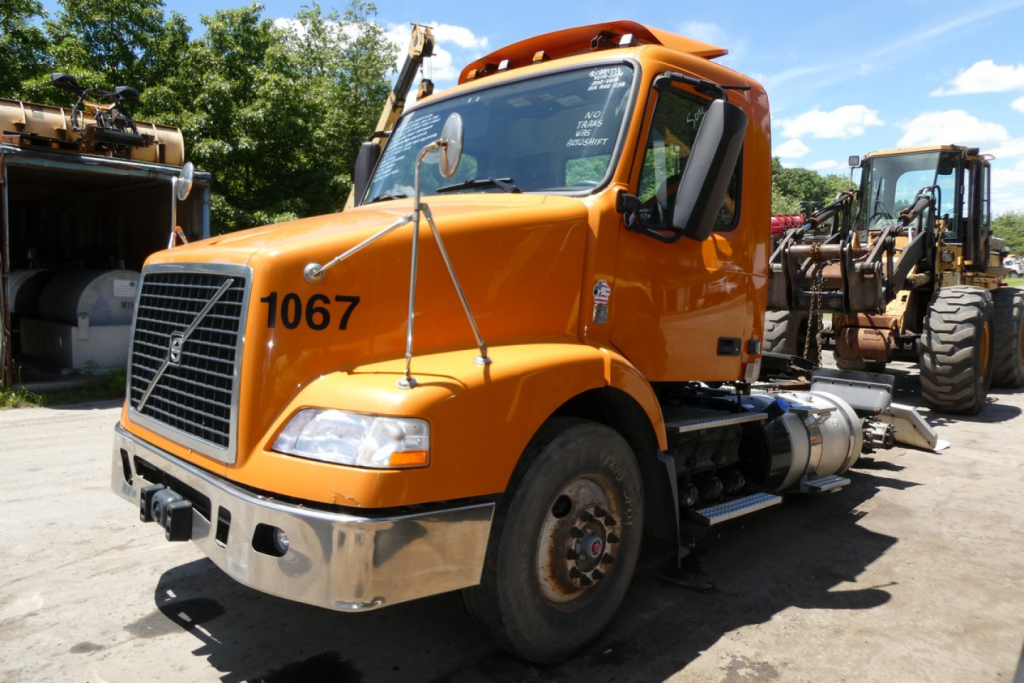
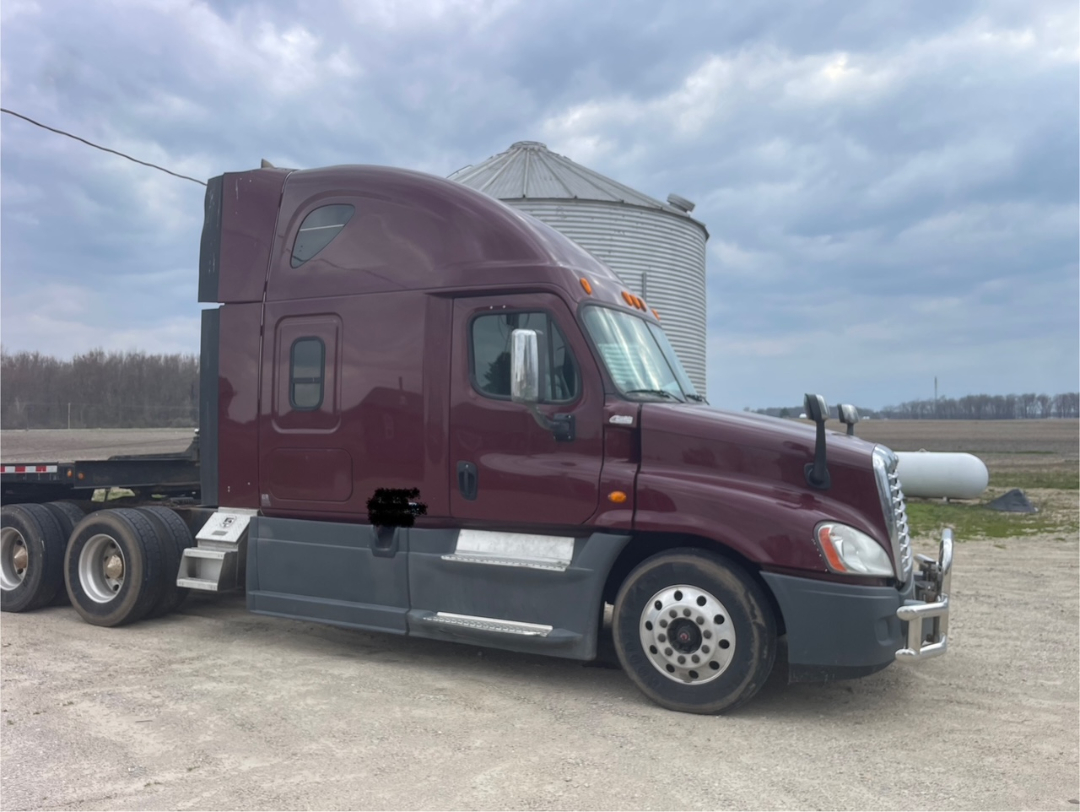
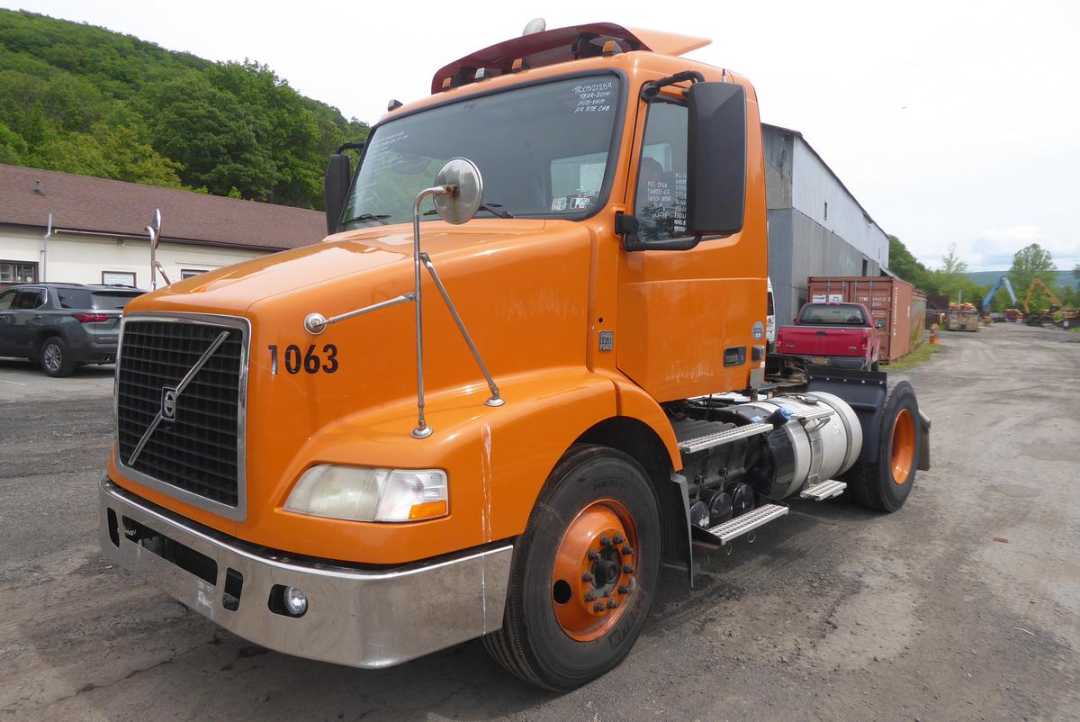
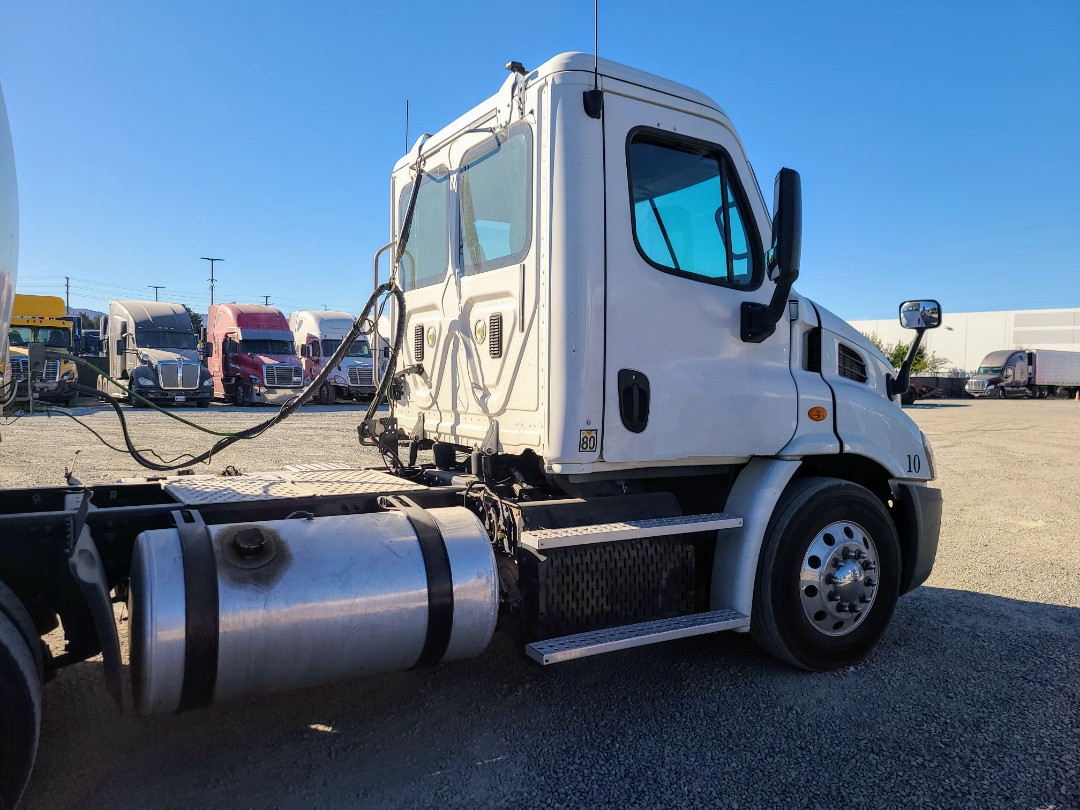
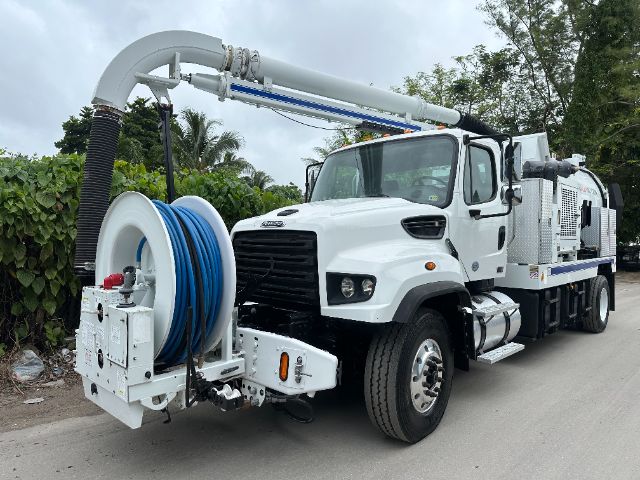
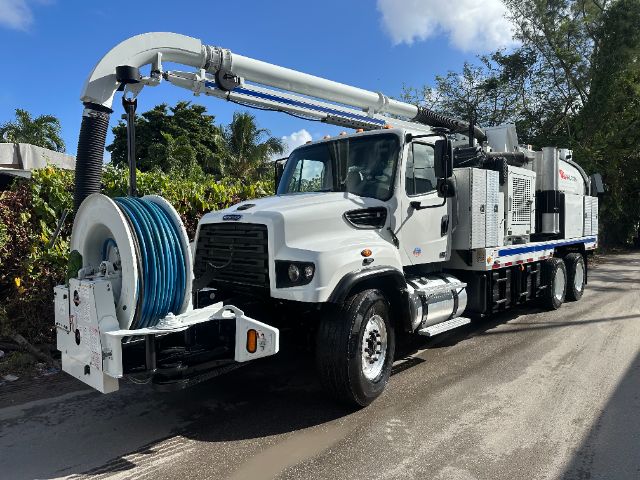
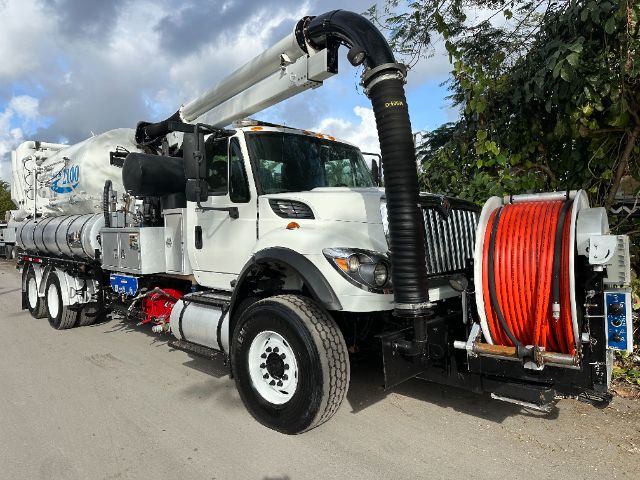
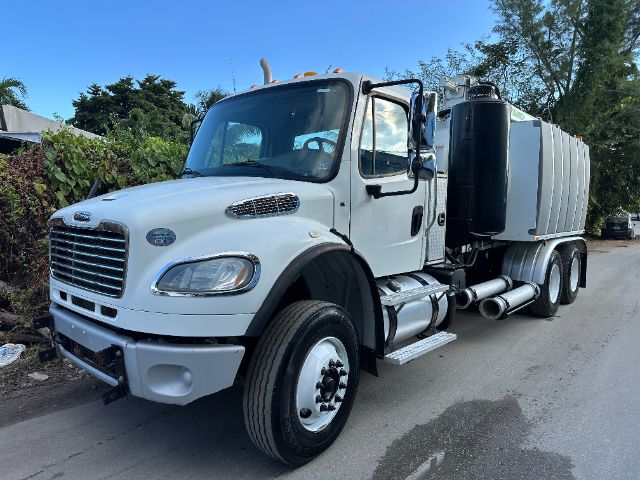
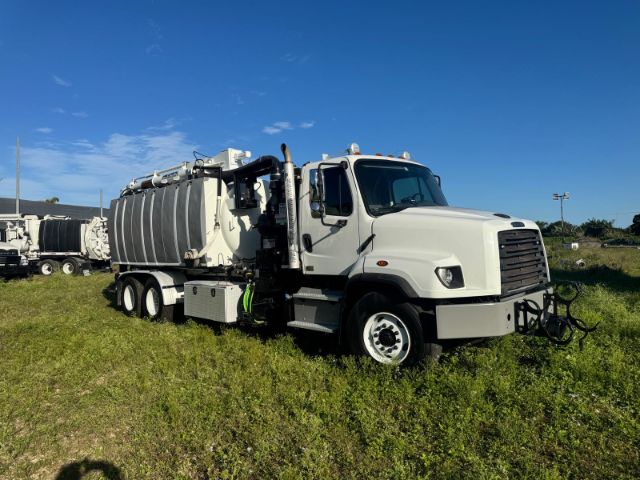
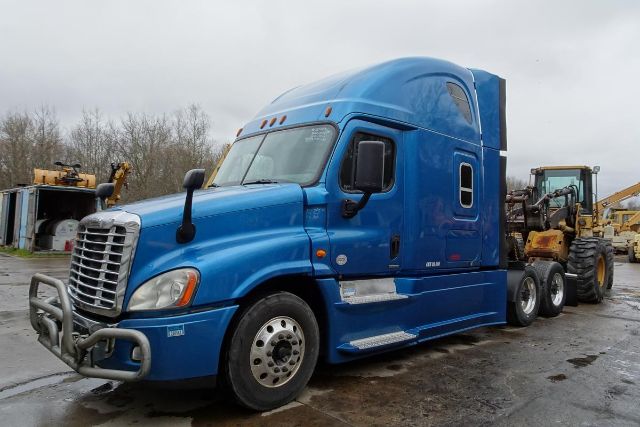
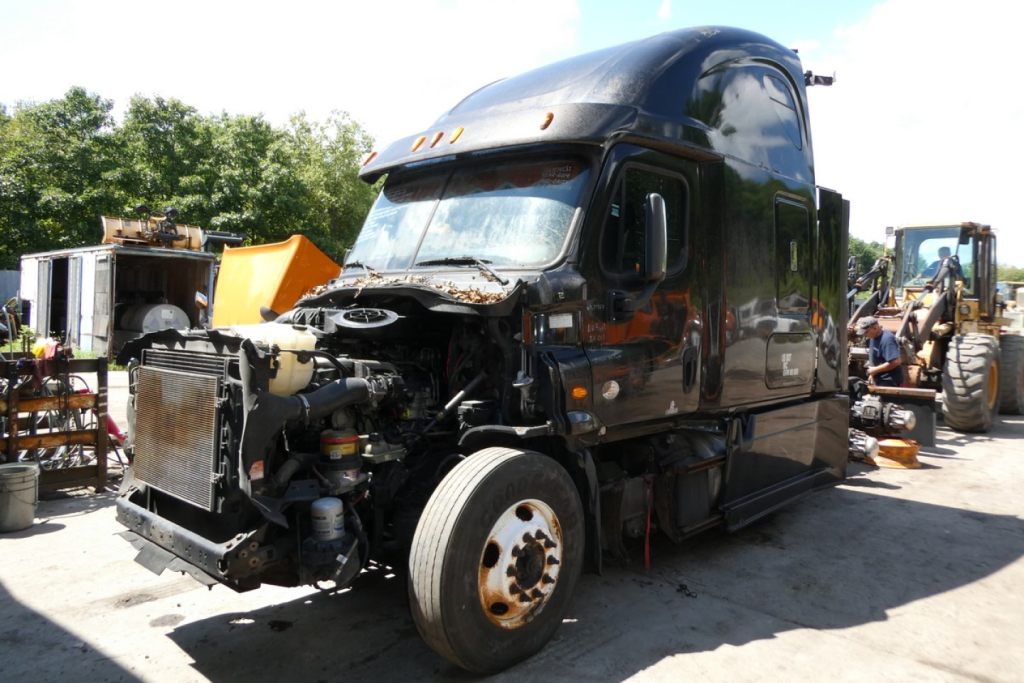
Showing 1 to 28 of 48 results
Selling a used 2014 commercial truck? List your used 2014 commercial truck for sale and reach thousands of commercial buyers.
Used 2014 Commercial Trucks
On the spec side, most used 2014 trucks on the market will be diesel powered and commonly equipped with engines from Cummins, Detroit, PACCAR, Hino, International, or Caterpillar in pre-2010 carryover vocational applications still circulating in mixed-age fleets. Medium-duty 2014 trucks often fall in Class 4 through Class 7 with GVWRs ranging from about 14,000 to 33,000 pounds, while heavier tandem and tri-axle units push well beyond that depending on suspension, axle package, and intended use. Buyers should pay close attention to engine horsepower, torque, transmission type, rear axle ratio, brake system, and suspension. Allison automatics are common in delivery, tow, and municipal work, while manual and automated manual transmissions remain common in heavier regional and long-haul applications.
Condition matters more than mileage by itself on a 2014 model. Service history, idle hours, frame condition, rust, hydraulic operation, emissions system maintenance, and signs of vocational wear often tell you more than the odometer. If the truck carries a body or work attachment, inspect the upfit as closely as the chassis. That means checking hoists, PTO function, wet kits, winches, liftgates, booms, body floors, crossmembers, tailgates, scuff liners, tie-down systems, and any signs of cracking around mounts or frame inserts. For tractors, review wheelbase, fifth wheel setup, suspension type, fuel capacity, and sleeper or day cab layout based on the lanes you plan to run.
A used 2014 truck can fit buyers looking for local delivery equipment, contractor trucks, municipal support units, agricultural haulers, towing equipment, or entry-level fleet additions. The best purchase is usually the truck whose original specification already matches the job, instead of a unit that needs major rework after the sale. Focus on axle ratings, body dimensions, cab-to-axle measurement, emissions compliance, and how the truck was maintained in its previous duty cycle. When those fundamentals line up, a 2014 truck can still deliver dependable service and a lower cost of entry for many commercial operations.
Frequently Asked Questions about Used 2014 Commercial Trucks
What should I check first when buying a used 2014 truck?
Start with the truck's intended application and confirm the chassis matches the job. Key items include GVWR, front and rear axle ratings, wheelbase, cab-to-axle, engine and transmission specs, and whether the truck has the right PTO or body configuration. After that, review maintenance records, engine hours if available, rust and frame condition, tire wear, brake condition, and any fault history tied to the emissions system.
Are 2014 trucks a good balance between cost and capability?
For many buyers, yes. A 2014 truck is often old enough to be priced below late-model equipment but new enough to offer modern diesel powertrains, improved cab features, and a broad parts network. The real value depends on prior use and upkeep. A well-maintained vocational or fleet truck from this model year can be a better buy than a newer truck with poor service history or the wrong specification.
What engine and transmission combinations are common in used 2014 trucks?
Common combinations vary by class and application, but many 2014 trucks use diesel engines from Cummins, Detroit, PACCAR, Hino, or International paired with Allison automatics, manual gearboxes, or automated manual transmissions. Medium-duty delivery and vocational units often use automatic transmissions for stop-and-go work, while highway and heavier tandem applications more often use manual or automated manual setups chosen for fuel economy, gradeability, and driver preference.
How important are body and upfit inspections on a 2014 work truck?
They are critical. On a used work truck, the body and mounted equipment can drive repair costs as much as the powertrain. Dump bodies, rollback beds, cranes, liftgates, grapple systems, and box bodies should be inspected for structural wear, hydraulic leaks, floor and hinge condition, PTO operation, and any signs of fatigue around mounts. A sound chassis with a worn-out upfit can still become an expensive project.
Is mileage or engine hours more important on a used 2014 truck?
Neither should be viewed alone. Mileage helps estimate chassis wear, but engine hours can reveal the real duty cycle, especially on tow trucks, municipal trucks, and PTO-driven vocational equipment that idle for long periods. A 2014 truck with moderate mileage but very high idle hours may show more engine and aftertreatment wear than the odometer suggests. The best approach is to compare mileage, hours, maintenance records, and overall physical condition together.