
Used 2014 International Trucks For Sale
Browse used 2014 International trucks, including medium-duty and vocational models with Cummins or Navistar power for delivery, municipal, and fleet work.

Selling a used 2014 international truck? List your used 2014 international truck for sale and reach thousands of commercial buyers.
Used 2014 International Trucks
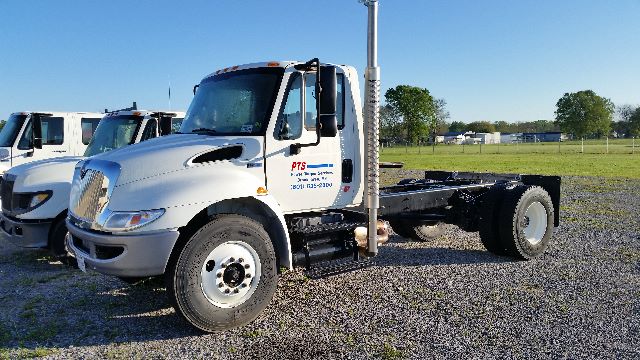
For most buyers, the first decision is medium-duty versus severe-duty. A 2014 International 4300 is often found as a straight truck with GVWRs suited for local delivery, moving, utility, or municipal work. Common specs include Cummins ISB 6.7 power, Allison automatic transmissions, single rear axles, hydraulic brakes or air brakes depending on vocation, and wheelbases long enough for 24 to 26 foot bodies. In a used box truck configuration, details like interior height, liftgate capacity, E-track placement, scuff liners, floor condition, and roll-up door wear matter as much as the cab and chassis. If the truck was built for service or utility work, buyers should also check PTO setup, idle hours, compressor or crane integration, and body compartment condition.
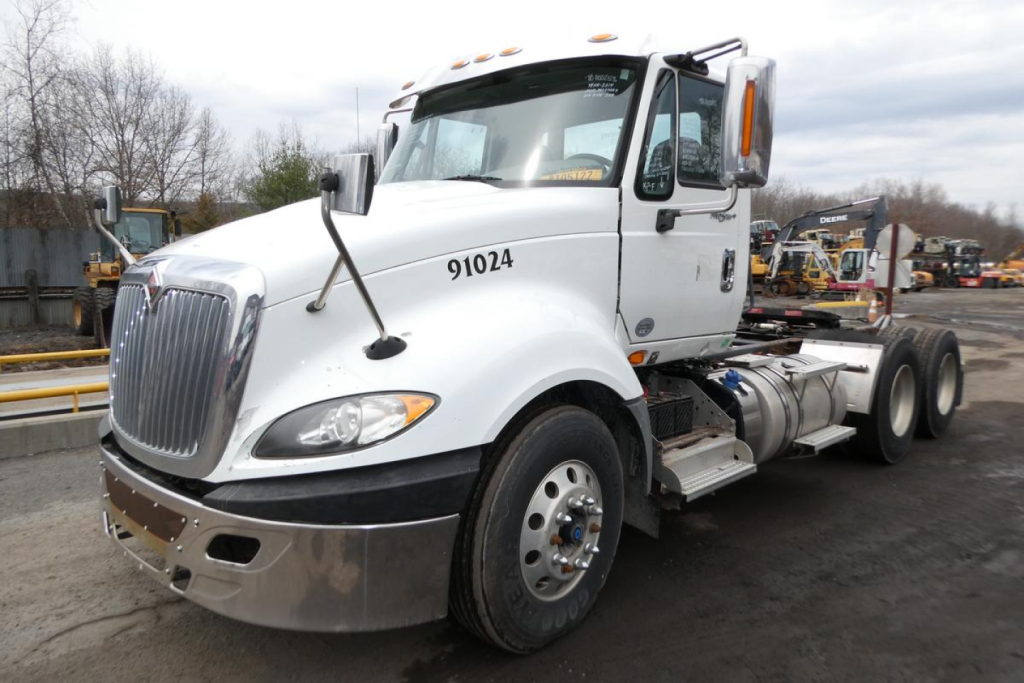
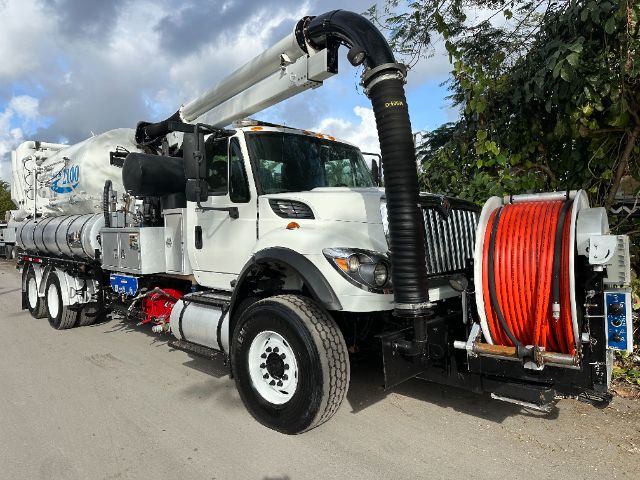
On heavier 2014 International trucks, pay close attention to rear axle ratings, suspension type, frame condition, and gearing. WorkStar and similar vocational platforms were commonly used for dump, plow, construction, and municipal applications, where body condition and hydraulic history can tell you as much as engine hours. If the truck is a day cab tractor, look at fifth wheel travel, kingpin setting compatibility, wheelbase, fairings, and whether the axle ratio matches your intended road speed and payload. Engines seen in this era may include Cummins and Navistar platforms, so service history, emissions maintenance, and fault-code troubleshooting records are important. A documented EGR, DPF, and SCR maintenance file can be a real advantage on any used 2014 emissions-era truck.
International trucks from this period are typically chosen for parts availability, familiar controls, and broad vocational flexibility. Cab ergonomics are generally good for stop-and-go routes, and many fleet-spec trucks were ordered with practical options such as air ride seats, cruise, telescoping steering columns, and aluminum fuel tanks. The best used 2014 International truck for your operation depends on route length, body requirement, CDL threshold, and maintenance capability in-house. Buyers comparing multiple listings should look beyond mileage alone and evaluate axle spec, brake type, tire size, body manufacturer, corrosion exposure, and how closely the original build matches the job the truck will do now.
Frequently Asked Questions about Used 2014 International Trucks
What are the most common 2014 International truck models on the used market?
The most common used 2014 International trucks are typically medium-duty DuraStar models such as the 4300, along with heavier vocational trucks in the WorkStar family. The 4300 is frequently seen as a box truck, flatbed, stake truck, or service truck because it was widely used in local delivery and municipal fleets. Heavier models are more common in dump, plow, and construction applications where higher axle ratings and vocational frames were needed.
What engine and transmission combinations are common in used 2014 International trucks?
A common setup in 2014 medium-duty International trucks is a Cummins ISB 6.7 paired with an Allison automatic transmission, especially in delivery and van body applications. Heavier trucks may have larger Cummins or Navistar engines with manual, automated, or automatic transmissions depending on the original duty cycle. Buyers should confirm horsepower, torque rating, rear axle ratio, and transmission model because two trucks with the same badge can be spec'd very differently for city routes, vocational work, or regional hauling.
What should I inspect on a used 2014 International box truck?
Start with the body as much as the chassis. Check the floor for soft spots, crossmember corrosion, wall damage, roof leaks, roll-up door operation, and liftgate function if equipped. Inside the cab and under the hood, review maintenance records, fault codes, brake wear, tire date codes, suspension condition, and emissions-system service history. On a delivery truck, body integrity and loading equipment condition often affect operating cost just as much as engine mileage.
Are 2014 International trucks good for fleet and municipal use?
Yes, many 2014 International trucks were originally spec'd for fleet, utility, and municipal service, which makes them a strong fit for buyers who want practical chassis layouts and familiar service parts. They are commonly used for local routes, utility bodies, dump service, and general commercial applications. The key is to match the previous vocation to your intended use, because a truck built for stop-and-go delivery work may not be ideal for heavier payloads or constant PTO-driven service without the right axle, frame, and cooling specifications.
Why does emissions history matter on a used 2014 International truck?
A 2014 truck is part of the modern emissions era, so the condition of the EGR, DPF, and SCR systems can directly affect uptime and repair cost. A truck with documented regen history, sensor replacements, DPF cleaning intervals, and dealer or fleet maintenance records is usually a safer buy than one with missing records. Emissions issues do not automatically make a truck a poor choice, but they should be evaluated early because deferred maintenance in these systems can become expensive quickly.