
Used 2014 Vacuum Trucks For Sale
Browse used 2014 vacuum trucks for sewer cleaning, hydro excavation, and industrial cleanup with key specs on tanks, blowers, pumps, and chassis.
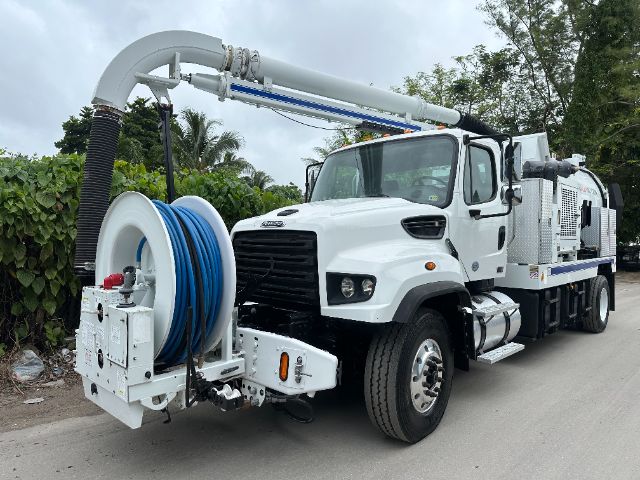
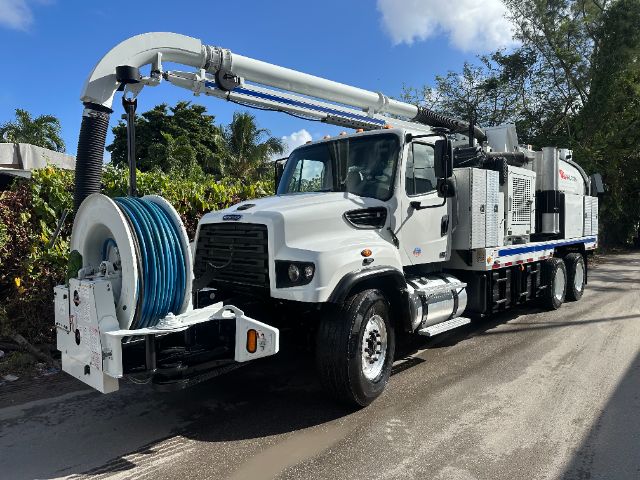
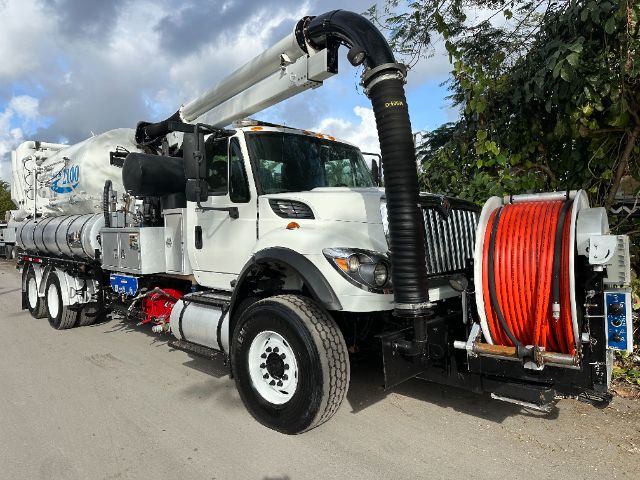
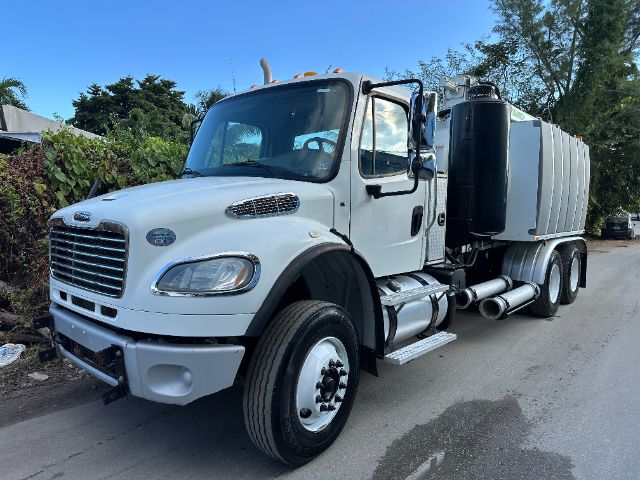
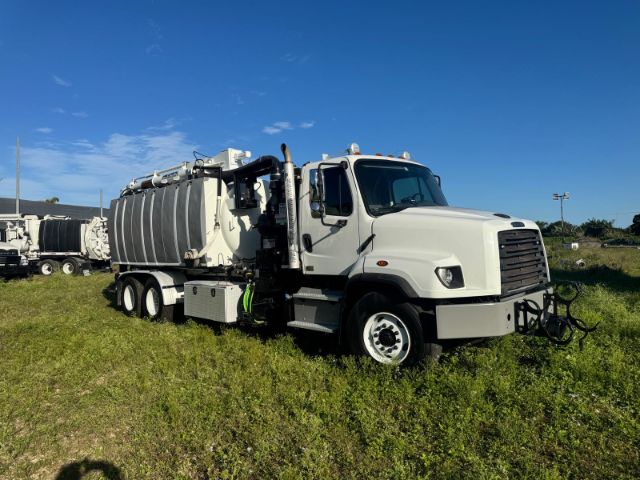
Selling a used 2014 vacuum truck? List your used 2014 vacuum truck for sale and reach thousands of commercial buyers.
Used 2014 Vacuum Trucks
The first spec to sort out is the vacuum system and debris capacity. Many 2014 vacuum trucks in this segment carry 10 to 15 yard debris bodies, with PD blowers such as Roots or Howden units delivering the suction needed for sewer lines, lift stations, pits, and wet material recovery. Fresh water capacity often falls around 900 to 1,500 gallons on combo units, and water pumps commonly rate in the 70 to 80 GPM range at roughly 2,500 to 3,000 PSI. That combination is well suited for jetting sanitary and storm lines while still carrying enough spoil to stay productive between dumps. If the work is more hydro excavation-focused, buyers should pay close attention to boom layout, hose reel placement, filtration, and how efficiently the unit handles spoils and water recovery.
On a 2014 model, overall condition matters more than brand decal alone. Hours on the blower, water pump, and pony motor can tell as much as chassis miles, since many used vacuum trucks spend long periods working at idle or stationary on a PTO-driven or auxiliary-powered system. Ex-municipal trucks are common in this category and can be attractive because they were often serviced on schedule, but buyers should still inspect the tank, subframe, rear door seals, hydraulic locks, dump hoist, hose reels, and pump plumbing for corrosion, weld repairs, and evidence of abrasive material wear. It is also worth confirming emissions equipment condition, axle ratings, GVWR, and local CDL or bridge-law implications before narrowing the field.
A strong 2014 vacuum truck should match route density, dump frequency, and the type of debris being collected. Larger debris bodies improve productivity on long cleaning runs, while smaller units can be easier to maneuver in urban streets and utility easements. For buyers comparing listings, the best value usually comes from a truck with clear maintenance records, a vacuum package sized for the intended work, and a chassis spec that supports payload without overbuying capacity. Also known as sewer vacuum trucks, vacuum jetter trucks, or combo trucks, these units are specialized assets, and small differences in pump output, blower performance, and tank design can have a major effect on daily production.
Frequently Asked Questions about Used 2014 Vacuum Trucks
What should I look at first on a used 2014 vacuum truck?
Start with the vacuum package, not just the chassis. Debris body size, blower model, water pump output, freshwater capacity, and the condition of the hydraulic dump and rear door system will have the biggest effect on productivity and repair risk. After that, compare engine hours, PTO or pony motor hours, chassis miles, and service records. A lower-mile truck is not automatically the better buy if the vacuum system has high hours or deferred maintenance.
What is the difference between a vacuum truck and a combo vacuum jetter truck?
A straight vacuum truck is built primarily to collect liquids, sludge, slurry, or debris through suction. A combo vacuum jetter truck adds a high-pressure water system so it can jet sewer lines and then recover the loosened material in one unit. For sewer cleaning and municipal line maintenance, combo trucks are often the preferred choice because they reduce the need for separate equipment and crews.
Are 2014 vacuum trucks commonly good choices for municipal or contractor work?
Yes, many 2014 vacuum trucks remain viable for municipal and contractor applications if the unit has been maintained correctly. This model year is common in fleet replacement cycles, so buyers often find ex-municipal trucks with documented service histories. The key is to inspect wear items closely, including blower condition, pump performance, plumbing, hose reels, tank integrity, emissions components, and hydraulic functions, because repair costs on the vacuum system can be substantial.
What debris body and water capacity are typical on a 2014 vacuum truck?
Typical 2014 combo vacuum trucks in this market often have debris bodies in the 10 to 15 yard range and freshwater tanks around 900 to 1,500 gallons. Water pumps are frequently rated around 70 to 80 GPM at 2,500 to 3,000 PSI, which is enough for routine sewer jetting and cleanup work. The right size depends on how far the truck runs between disposal sites, how heavy the recovered material is, and whether the work is sewer cleaning, hydro excavation, or industrial vacuum service.
How important are miles compared with hours on a used vacuum truck?
Hours are extremely important on vacuum trucks because the truck may spend much of its life operating stationary while the blower, pump, PTO, or pony motor does the real work. Chassis miles still matter for engine, suspension, brakes, and driveline wear, but system hours often give a better picture of actual vacuum-package use. A buyer should evaluate both together and look for records that show maintenance intervals for the chassis and the mounted equipment.