
Used 2014 Vacuum Trucks For Sale in Florida
Browse used 2014 vacuum trucks in Florida, including sewer jetter and combo units with common specs, body sizes, blowers, pumps, and chassis setups.
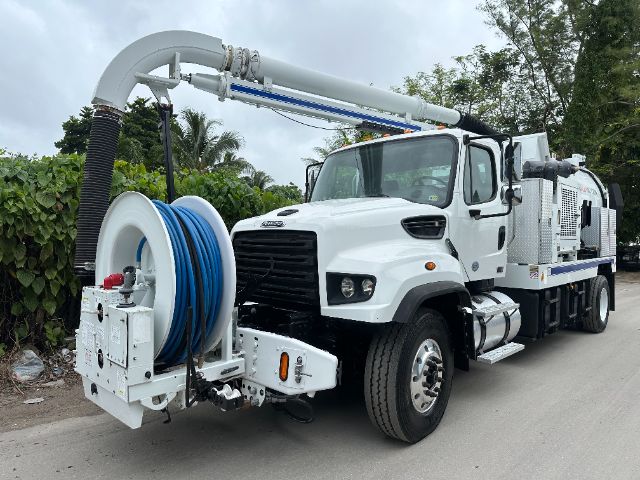
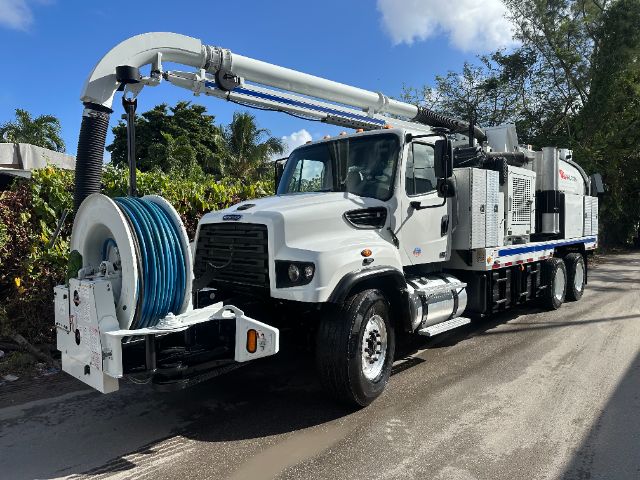
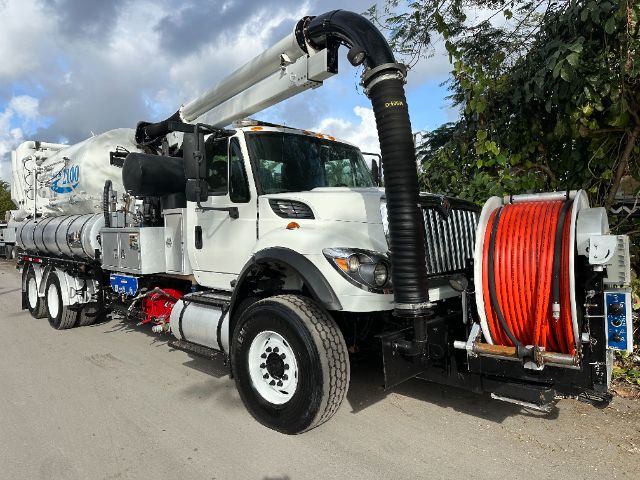
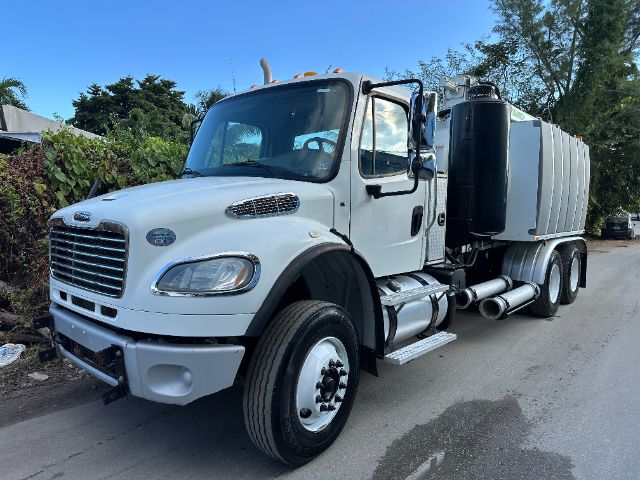
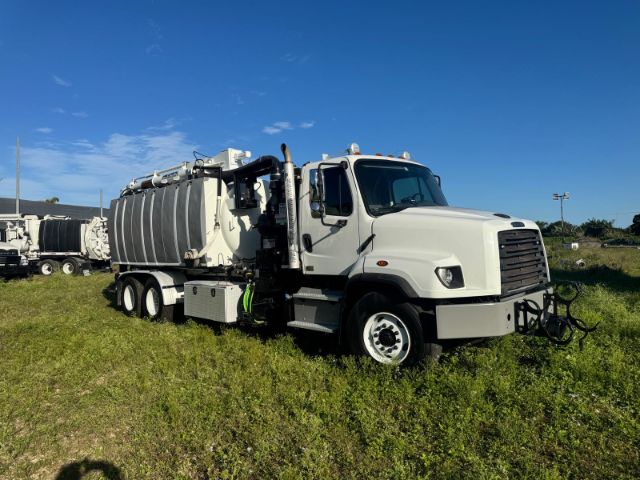
Selling a used 2014 vacuum truck? List your used 2014 vacuum truck for sale and reach thousands of commercial buyers.
Used 2014 Vacuum Trucks in Florida
Frequently Asked Questions about Used 2014 Vacuum Trucks in Florida
What should I look at first when buying a used 2014 vacuum truck?
Start with the vacuum package, not just the chassis. Verify blower or fan type, debris body size, freshwater capacity, water pump output, and auxiliary engine hours if the unit uses a pony motor. On a used 2014 vacuum truck, operating hours often tell more than mileage because these trucks spend significant time stationary while running the vacuum and jetting systems. Service records for the blower, pump, hydraulic system, rear door seals, and boom or hose reel components are especially important.
What are common specs for a 2014 vacuum jetter or combo truck?
Many 2014 vacuum trucks in this segment fall into the 10 to 15 yard debris body range with roughly 1,000 to 1,500 gallons of freshwater capacity. Water pumps commonly rate around 50 to 80 GPM at 2,500 to 3,000 PSI, depending on whether the truck is set up more for sewer cleaning or broader utility work. Vacuum systems may use a positive displacement blower or a multi-stage fan, and that choice affects suction characteristics, maintenance profile, and application fit.
Is a blower better than a fan on a vacuum truck?
It depends on the work. Positive displacement blowers are commonly preferred for deeper pulls, heavier material, and applications that demand strong, consistent vacuum over distance. Fan systems are often valued for moving large volumes of air and can perform well in many municipal sewer and catch basin applications. Buyers should match the vacuum source to the job type, hose length requirements, material being recovered, and the maintenance experience of their shop.
Why are so many used vacuum trucks ex-municipal units?
Municipal fleets are major users of sewer cleaners and vacuum jetter combo trucks, so ex-municipal units are common in the secondary market. That can be a benefit because many government-operated trucks follow scheduled maintenance programs and have documented service histories. The tradeoff is that municipal units may show high idle time, PTO use, or corrosion exposure from wet service environments, so inspection of the tank, subframe, plumbing, and hydraulic components matters.
Are 2014 vacuum trucks a good fit for Florida operations?
They can be, especially for storm drain cleaning, sewer maintenance, septic service, and utility work tied to construction and municipal infrastructure. In Florida, buyers should pay close attention to corrosion, electrical condition, cooling system performance, and the condition of hoses, seals, and hydraulic lines exposed to heat, humidity, and wet operating environments. Tire condition, brake health, and overall roadworthiness also matter if the truck will run between dispersed job sites rather than stay on local municipal routes.