
Used 2014 Grapple Trucks For Sale
Browse used 2014 grapple trucks for sale, including loader-equipped debris and forestry trucks with common specs, body options, and buying tips.
Selling a used 2014 grapple truck? List your used 2014 grapple truck for sale and reach thousands of commercial buyers.
Used 2014 Grapple Trucks
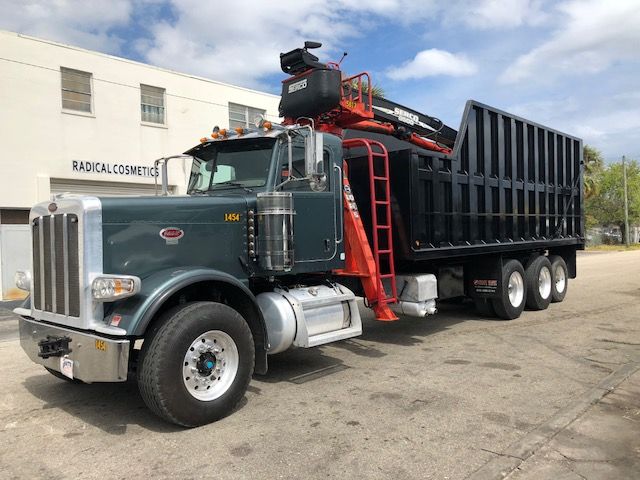
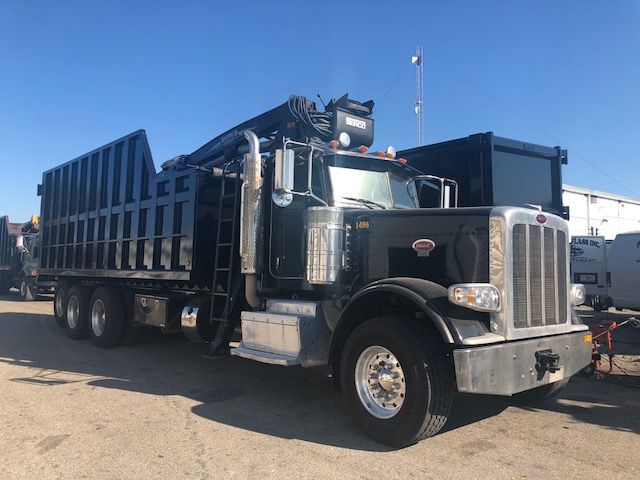
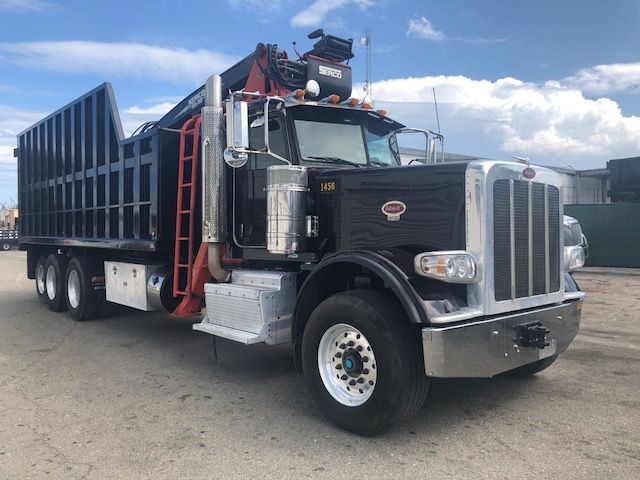
The first decision is usually loader and body match. Common crane brands include Serco, Rotobec, Petersen, and similar hydraulic boom loaders, often with extended boom options for better reach into right-of-way piles or transfer areas. Body sizes vary widely, but many debris applications land in the 40 to 70 cubic yard range, with high-side bodies, barn doors, and rear hitches common on storm and vegetative waste units. For heavier wood, logs, or mixed waste, pay attention to loader lift capacity, grapple style, subframe condition, and how the body floor and sidewalls have held up under repeated impact loading.
Chassis spec matters just as much as the upper equipment. In the 2014 model year, it is common to see platforms such as Peterbilt, Kenworth, Freightliner, and other vocational truck chassis powered by Cummins, Paccar, or larger displacement diesel engines paired with Allison automatics or manual transmissions like 8LL setups. Tri-axle configurations are popular when payload and legal roadability are priorities, while tandem trucks can be more maneuverable in urban tree work. Buyers should closely inspect PTO operation, hydraulic pumps, outriggers, turntable wear, boom pins and bushings, turret function, and any signs of cylinder seepage. Frame reinforcement, suspension wear, and rear axle condition also matter because grapple trucks spend their lives in stop-and-go service and off-pavement job sites.
A 2014 used grapple truck often offers a practical middle ground between purchase price and modern vocational capability. That makes service history especially important. Engine hours, idle time, loader hours, prior municipal use, and evidence of body replacement or refurbishment can tell you more than odometer mileage alone. It is also smart to confirm bridge law compliance, axle ratings, tire size, and state-specific registration needs before buying. For buyers comparing multiple listings, the best value usually comes from a truck with a sound hydraulic system, a straight frame, a loader sized correctly for the work, and a body that still matches the material stream you plan to haul.
Frequently Asked Questions about Used 2014 Grapple Trucks
What should I look for first when buying a used 2014 grapple truck?
Start with the hydraulic loader, body, and chassis as a package rather than evaluating the truck by mileage alone. Check boom pins, bushings, cylinders, turret rotation, outriggers, PTO engagement, and hydraulic pump performance. Then inspect the debris body floor, sidewalls, hinges, and door structure for cracks, rust, patches, or impact damage. A grapple truck with average miles but tight hydraulics and a solid body is often a better buy than a lower-mile truck with loader wear or structural fatigue.
Are 2014 grapple trucks better suited for tree service or debris hauling?
Most 2014 grapple trucks can handle both, but the exact setup determines where they perform best. Tree service and storm cleanup units often use high-volume bodies and extended-reach loaders for brush, limbs, and logs. Construction and mixed debris applications may need a different grapple style, stronger floor construction, or a shorter and heavier-duty body. The best choice depends on the material being picked, average haul distance, dumping method, and how often the truck works in tight residential areas versus open commercial sites.
Is a tandem or tri-axle grapple truck better?
A tandem axle grapple truck is usually easier to maneuver, lighter, and simpler to maintain, which can make it attractive for urban routes or smaller tree companies. A tri-axle grapple truck generally offers better payload distribution and can be a better fit for larger debris bodies or heavier material streams. The right choice comes down to local bridge laws, target payload, turning space, and whether your work is more residential, municipal, or highway-based.
How important are engine hours and loader hours on a used grapple truck?
They are very important because grapple trucks often spend long periods idling while the loader operates. Odometer mileage does not fully reflect wear on the engine, PTO, hydraulic system, or crane components. A truck with moderate miles but high idle and loader hours may have more vocational wear than expected. Buyers should ask for maintenance records, confirm service intervals, and compare engine condition with actual hydraulic and structural wear.
What body and loader features are common on used 2014 grapple trucks?
Many used 2014 grapple trucks feature high-side debris bodies, barn doors, rear hitches, standing platforms, and hydraulic loaders from brands such as Serco, Rotobec, or Petersen. Extended boom configurations are common where reach matters, especially in brush and storm cleanup work. Typical supporting specs include tandem or tri-axle chassis, diesel engines from major vocational platforms, and either Allison automatic or heavy-duty manual transmissions depending on the intended application.