
Used 2014 Peterbilt Grapple Trucks For Sale
Shop used 2014 Peterbilt grapple trucks, including tri-axle setups with loader booms, debris bodies, heavy-duty specs, and vocational capability.
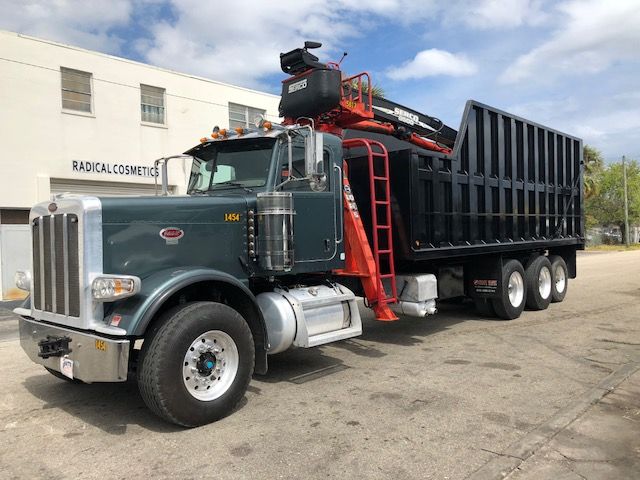
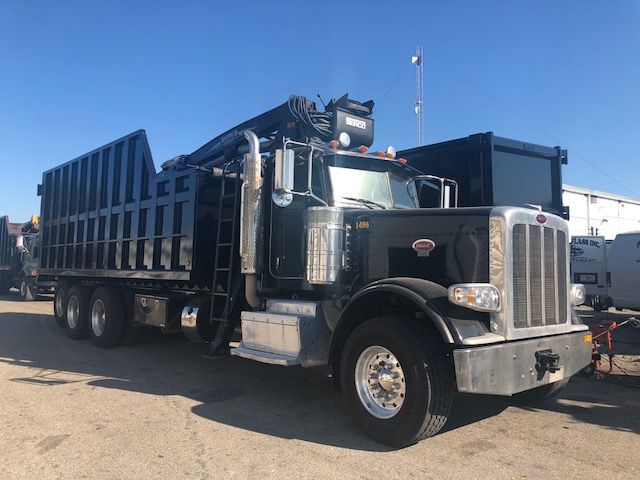
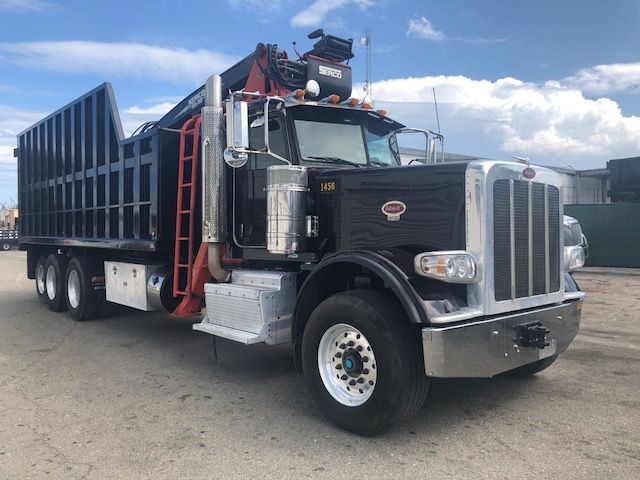
Selling a used 2014 peterbilt grapple truck? List your used 2014 peterbilt grapple truck for sale and reach thousands of commercial buyers.
Used 2014 Peterbilt Grapple Trucks
The loader package is one of the first things to evaluate. Common grapple truck builds from this era use brands like Serco or Pac-Mac, with models sized for brush, limbs, logs, and mixed debris. Buyers should look closely at boom length, extended boom options, lift capacity at full reach, pedestal condition, swing bearing wear, hydraulic leaks, and control type. A 50-yard debris body is a frequent target spec for tree service and storm work because it balances volume with practical legal loading, but the right body size depends on material density, local bridge laws, and whether the truck spends more time on residential streets or larger commercial routes.
On the chassis side, 2014 Peterbilt grapple trucks are often favored for their vocational frame strength, serviceability, and straightforward heavy-spec layouts. A tri-axle configuration improves payload distribution and makes sense for operators hauling bulky but inconsistent loads. Check axle ratings, suspension type, pusher or tag axle setup, rear hitch equipment, PTO engagement, and hydraulic reservoir placement. If the truck has a high-horsepower ISX or similar Cummins platform, maintenance records matter. Engine hours, PTO hours, clutch history, and suspension wear can tell you as much about a grapple truck's real life as odometer miles.
Used 2014 Peterbilt grapple trucks can be a strong fit for tree crews, land clearing contractors, municipalities, and debris haulers that need one truck to load, haul, and dump without depending on separate equipment. The best value usually comes from matching the loader and body combination to the material stream. A brush and storm-debris truck needs fast cycle times and body volume, while heavier log or demolition work puts more emphasis on crane strength, frame integrity, and hoist condition. Buyers comparing listings should pay attention to loader brand, body construction, boom reach, transmission choice, and overall vocational history before focusing on appearance alone.
Frequently Asked Questions about Used 2014 Peterbilt Grapple Trucks
What should I inspect first on a used 2014 Peterbilt grapple truck?
Start with the loader, hydraulics, and frame. A grapple truck lives a hard vocational life, so boom pins, bushings, cylinder seals, outriggers, swing gear, PTO operation, and pedestal mounting points deserve close attention. After that, inspect the dump body floor and sidewalls, hoist, tailgate, rear suspension, and any frame reinforcement or cracking around the loader mount. Engine and transmission condition still matter, but on a grapple truck the hydraulic and structural systems often determine the true cost of ownership.
Are 2014 Peterbilt 388 grapple trucks commonly manual or automatic?
Many 2014 Peterbilt grapple trucks are equipped with manual vocational transmissions such as an Eaton 8LL, especially in heavier tri-axle applications. That setup gives good control at low speed and works well in stop-and-go debris loading environments. Some trucks may have automatic transmissions depending on municipality, driver preference, or loader application. The better choice depends on route density, driver availability, terrain, and how much off-road maneuvering the truck does.
How important is body size on a grapple truck?
Body size directly affects route efficiency, legal payload, and the type of material the truck can handle. A 50-yard body is common for brush, limbs, and storm debris because those materials are bulky and relatively light. Heavier material such as logs, stumps, or demolition debris may fill axle weights long before the body is full. Buyers should match body size to material density, local weight limits, and the loading pattern of the business rather than assuming bigger is always better.
What loader brands are common on used Peterbilt grapple trucks?
Serco and Pac-Mac are two of the most common names found on grapple truck builds, and both are widely used in municipal and private fleet service. The key issue is not just brand recognition but how the loader was maintained and whether its reach and capacity fit the intended work. Parts support, local service familiarity, and the condition of the hydraulic system should carry as much weight as the badge on the boom.
Why do many grapple trucks use a tri-axle chassis?
A tri-axle chassis helps distribute weight from the loader, body, and uneven debris loads more effectively than a standard tandem or single-axle setup. It can improve legal payload capacity, reduce rear axle overloading, and provide better stability when carrying a large debris body. For operators handling high-volume brush or storm cleanup, a tri-axle Peterbilt is often the practical choice because it supports both the crane package and the body volume needed for productive daily routing.