
Used 2014 Peterbilt Grapple Trucks For Sale in Florida
Shop used 2014 Peterbilt grapple trucks in Florida. Compare 388 specs, loaders, dump body sizes, axle setups, and application fit.
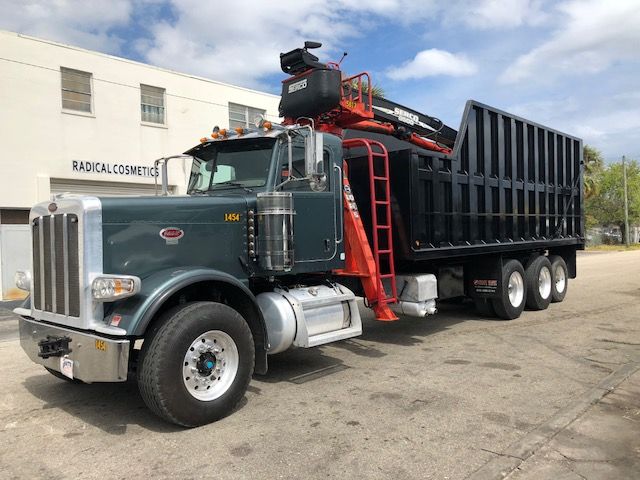
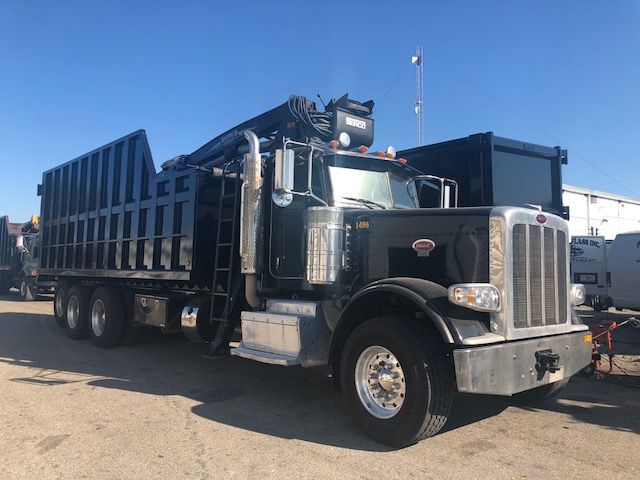
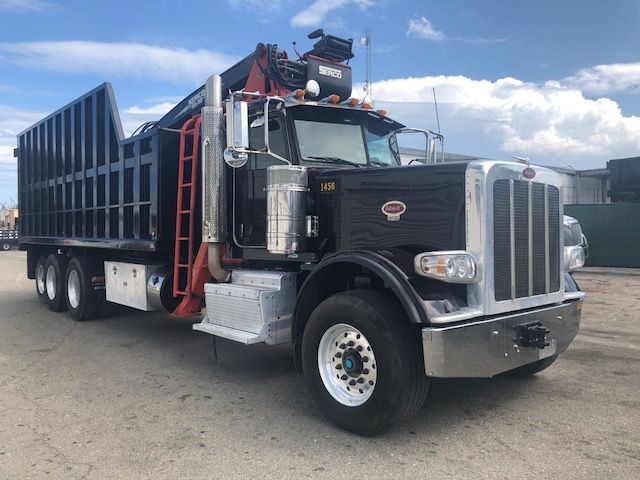
Selling a used 2014 peterbilt grapple truck? List your used 2014 peterbilt grapple truck for sale and reach thousands of commercial buyers.
Used 2014 Peterbilt Grapple Trucks in Florida
The loader setup is the first place to focus. Many 2014 Peterbilt grapple trucks are equipped with units from Serco, including popular models like the 8500L or 1050XR, often paired with extended booms for better reach into piles, trailers, and roadside debris. A buyer should look closely at boom length, lift capacity at mid and full reach, swing performance, stabilizer condition, hydraulic leaks, and control layout. Loader hours can matter as much as chassis miles on a grapple truck, especially in Florida service where storm cleanup and vegetation work can put long idle and PTO hours on the machine.
Body configuration is just as important as the chassis and crane. Listings in this class often show 50-yard dump bodies or other high-volume debris bodies designed for brush, limbs, and light bulk material rather than dense aggregate. Check body material, floor and sidewall wear, hoist condition, tailgate sealing, and whether the truck has a rear hitch for towing support equipment. On tri-axle Peterbilts, axle placement, suspension rating, and overall wheelbase affect turning radius, bridge compliance, and how well the truck balances a loaded body with a mounted grapple. In Florida, buyers should also inspect for corrosion from humidity and coastal exposure, plus frame condition around body mounts, outriggers, and hoist attachment points.
A 2014 Peterbilt grapple truck can still be a strong value when the spec matches the work. For tree and vegetative debris, high-sided bodies and extended-reach loaders usually make sense. For mixed debris or heavier cleanup work, pay closer attention to loader capacity, body construction, and rear suspension ratings. Peterbilt's vocational cab and serviceability are a draw in this class, but the real buying decision comes down to hydraulic health, structural condition, legal payload, and how the complete truck was built to work.
Frequently Asked Questions about Used 2014 Peterbilt Grapple Trucks in Florida
What should I look at first on a used 2014 Peterbilt grapple truck?
Start with the loader and hydraulic system, then move to the body and chassis. On a grapple truck, PTO hours, cylinder condition, turntable wear, and hydraulic leaks can tell you more about real work history than odometer mileage alone. After that, inspect the dump body floor, sidewalls, hoist, frame rails, outrigger mounts, suspension, and rear axle ratings to make sure the truck is structurally sound and properly matched to the application.
Is a tri-axle Peterbilt 388 a good setup for grapple truck work?
Yes, a tri-axle Peterbilt 388 is a common and effective configuration for grapple applications that need a large debris body and strong legal carrying capacity. The extra axle helps support the weight of the loader, body, and payload while improving bridge compliance. It is especially useful in storm cleanup, land clearing, and municipal debris work, though it comes with a longer wheelbase and a wider turning footprint than a smaller single-axle or tandem setup.
How important are loader brand and model on a grapple truck?
They matter a lot because the loader is the primary work tool. Well-known grapple loader brands such as Serco are common in this category, and model differences affect reach, lifting power, parts support, and service familiarity. A buyer should compare boom length, rotator and grapple condition, control style, and parts availability in their region. A strong chassis with a tired loader can become an expensive truck very quickly.
What kind of work is a 50-yard grapple truck body designed for?
A 50-yard body is generally designed for high-volume, low-density material such as brush, tree limbs, storm debris, yard waste, and light demolition debris. It is built to maximize cubic capacity rather than carry very dense material. If the intended work includes heavier C&D loads, logs, or wet material, the buyer should verify body construction, hoist rating, axle capacity, and local weight limits so the truck is not oversized in volume but underspec'd for actual payload.
Does Florida use change what I should inspect on a used grapple truck?
Yes. Florida trucks often see severe humidity, frequent PTO use, and in some areas salt-air exposure. Pay close attention to corrosion on frame rails, crossmembers, electrical connections, body mounts, hoist hardware, and hydraulic plumbing. Also inspect the cab structure, air system components, and wiring around the loader controls. On grapple trucks that have done storm or vegetation work, wear from constant cycling and idling is often more significant than highway mileage.