
Peterbilt Grapple Trucks For Sale
Shop Peterbilt grapple trucks with common specs, body capacities, loader options, and buyer tips for waste, debris, brush, and storm cleanup work.
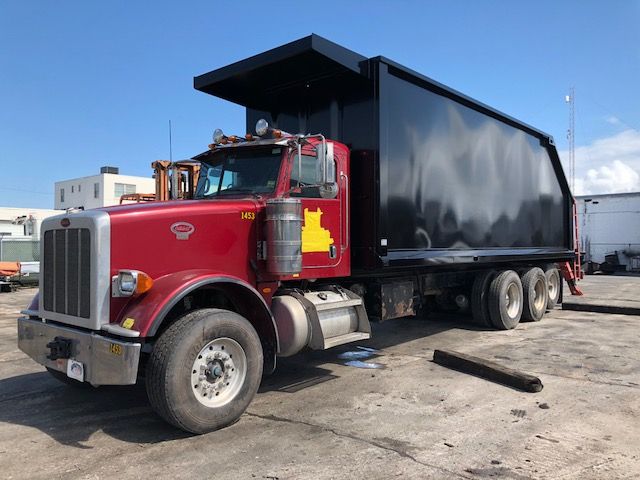
Selling a peterbilt grapple truck? List your peterbilt grapple truck for sale and reach thousands of commercial buyers.
Peterbilt Grapple Trucks
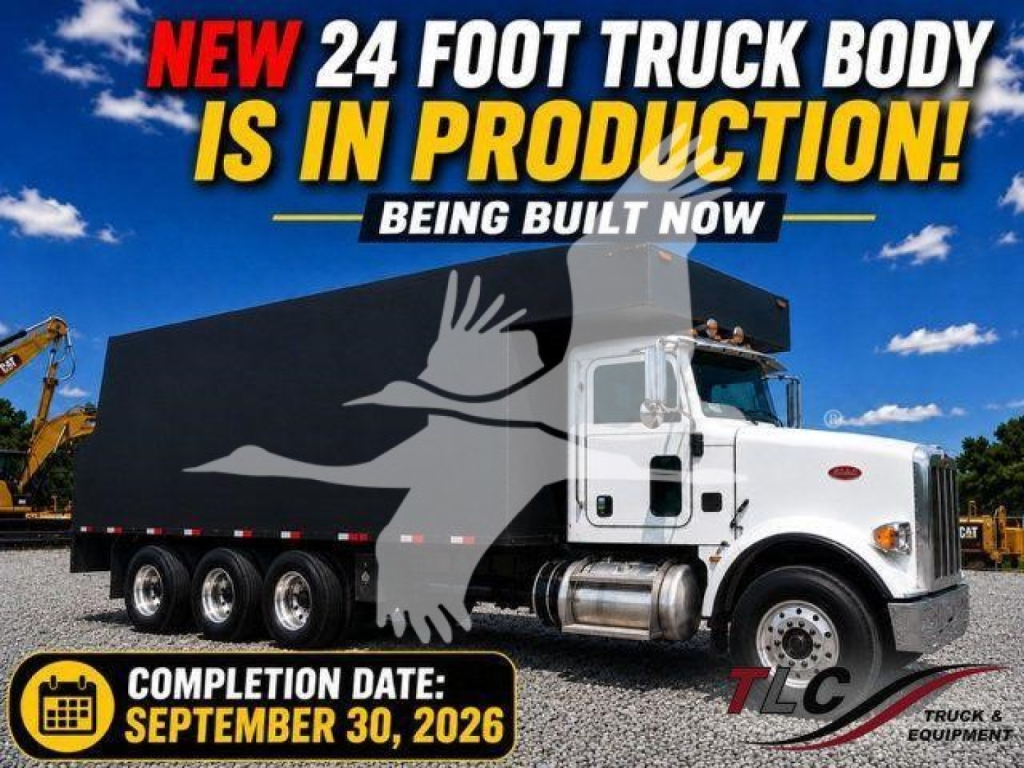
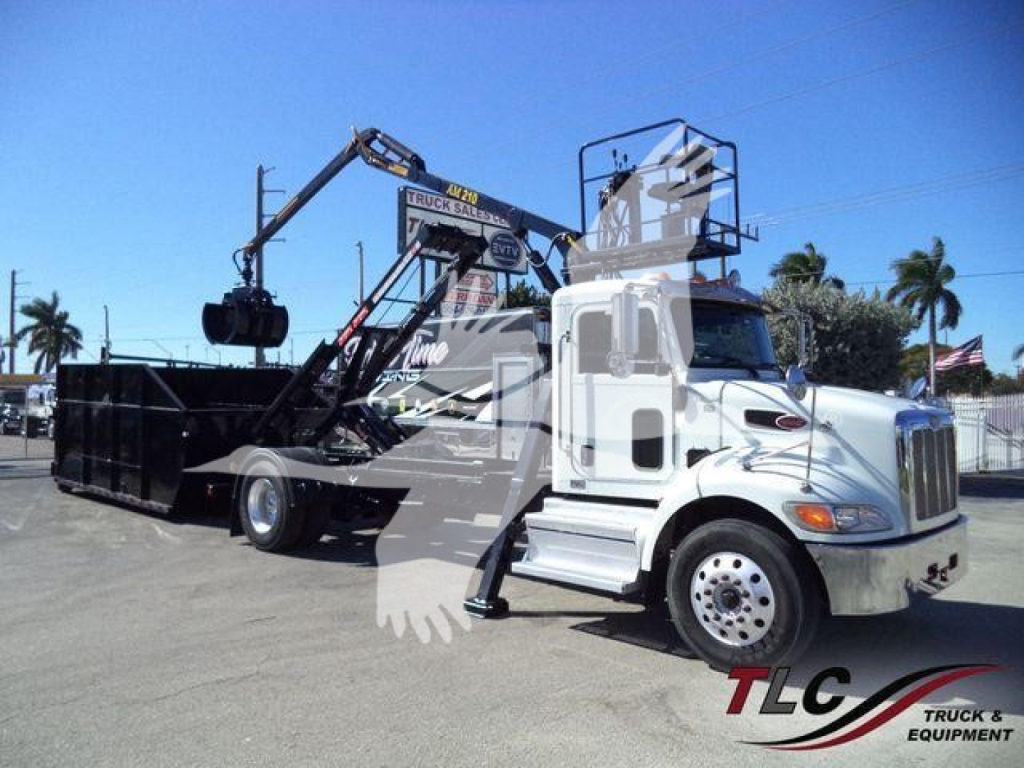
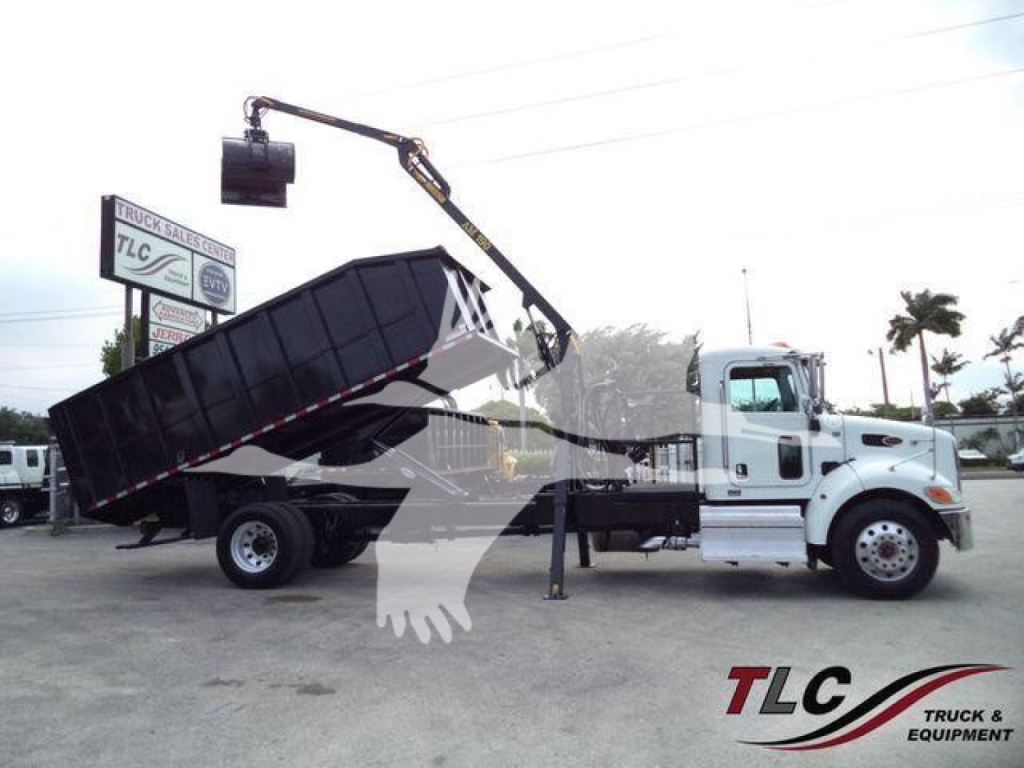
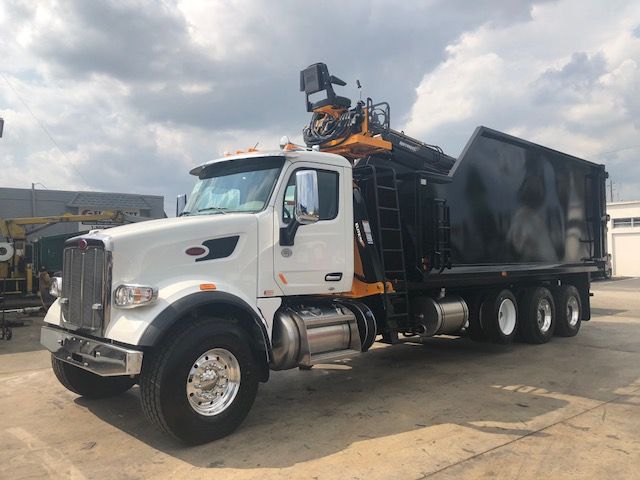
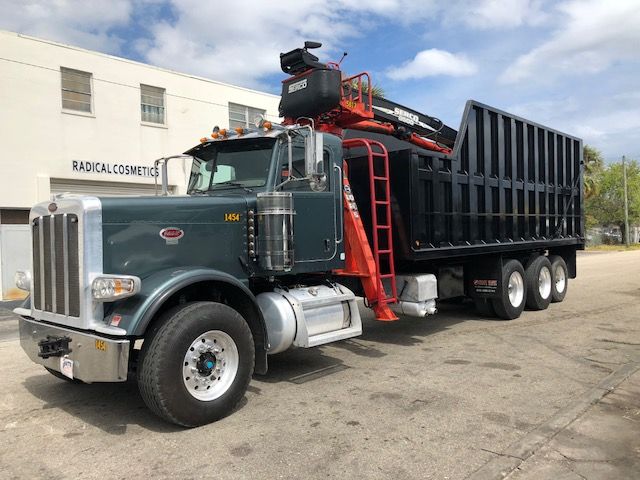
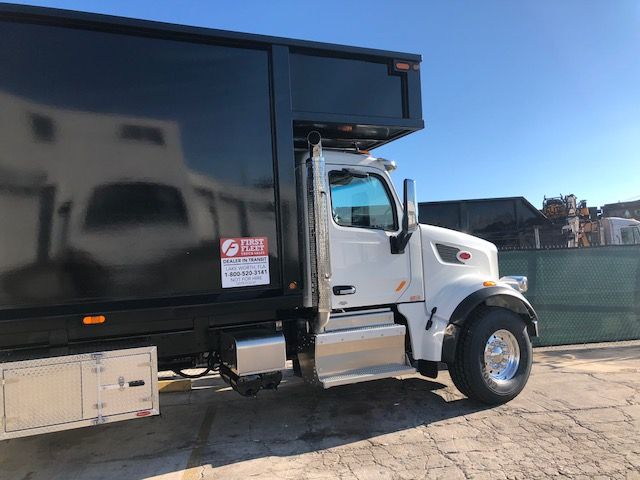
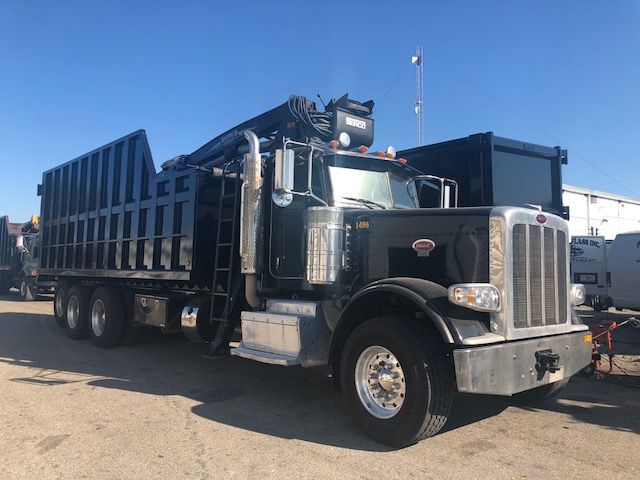
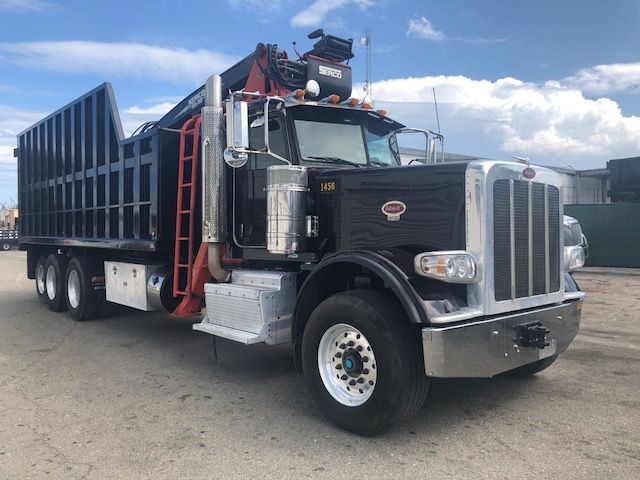
A big buying decision is the loader and grapple combination. Common setups include Serco, Rotobec, and Pac-Mac systems, often paired with extended booms for better reach into rights-of-way, transfer piles, and storm debris stacks. Waste grapples and brush grapples are not the same tool, so attachment style, rotator condition, cylinder wear, and boom pin play deserve close attention. Rear-mount grapple trucks are popular because they keep the loading area visible and leave the body open for bulky material. On heavier Peterbilt specs, buyers will often find Hardox or other abrasion-resistant dump bodies, oil coolers for hydraulic heat control, and rear hitches for towing support equipment or additional tools.
Powertrain choices on Peterbilt grapple trucks typically center on Cummins engines, with horsepower in the upper 200s on lighter municipal units and around 500 to 550 hp on heavy tri-axle builds. Transmissions can vary from Allison automatics for stop-and-go collection routes to 8LL manuals on vocational trucks that need low-speed control around dumpsites and off-road access points. A Jake brake, full locking rears, and the right axle ratio can make a meaningful difference when the truck is operating at full body volume. Buyers should also look at front axle capacity, pusher or tag axle configuration, frame reinforcement, PTO and pump setup, and the overall hydraulic system because loader speed and reliability depend on more than engine horsepower alone.
For used Peterbilt grapple trucks, condition is best judged by how the truck and loader have aged together. Check subframe mounting, body floor and sidewall wear, hoist condition, tailgate sealing, turntable play, swing bearing condition, and any cracking around boom bases or stabilizer mounts. Metered loader hours can be as important as chassis miles. If the truck will be used for C&D, vegetative debris, tree service work, or municipal bulk pickup, make sure the body style, grapple type, and axle package match the material stream. A well-spec'd Peterbilt grapple truck can be a productive one-truck solution for loading, hauling, and dumping without relying on a separate loader at the jobsite.
Frequently Asked Questions about Peterbilt Grapple Trucks
What are Peterbilt grapple trucks typically used for?
Peterbilt grapple trucks are most often used for storm debris removal, brush and tree waste hauling, municipal bulk pickup, C&D debris handling, and other applications where the truck needs to load itself. Most are built with a hydraulic knuckleboom or stiff-boom grapple loader and a high-capacity dump body, which allows one operator to pick up loose material, load the body, and transport it to a landfill, transfer station, or staging site.
What should I look for when buying a used Peterbilt grapple truck?
The most important areas are loader condition, hydraulic system health, body wear, and axle spec. Inspect boom pins and bushings, cylinder leakage, swing bearing play, hydraulic hose condition, PTO engagement, and pump performance. On the truck side, verify axle ratings, frame integrity, suspension condition, transmission operation, and engine service history. Body floor wear, sidewall damage, tailgate fit, and hoist performance also matter because grapple trucks often live hard vocational lives.
What is the difference between a waste grapple truck and a brush grapple truck?
The main difference is the grapple attachment and how the body is matched to the material. Waste grapples are generally designed to handle bulky mixed debris and municipal solid waste streams, while brush grapples are better suited for limbs, logs, and vegetative material. The wrong attachment can slow loading, reduce control, and create excess wear, so buyers should match the grapple style, boom reach, and body volume to the material they handle most often.
Are automatic or manual transmissions better in a Peterbilt grapple truck?
That depends on route style and operator preference. Allison automatics are common in municipal and stop-and-go work because they reduce driver fatigue and simplify operation around neighborhoods, transfer sites, and collection routes. Manual transmissions such as an 8LL are still valued in heavier vocational applications where low-speed control, grade management, and off-road maneuvering are priorities. The best choice depends on terrain, payload, and how often the truck cycles between loading points.
How large are dump bodies on Peterbilt grapple trucks?
Body size varies by chassis and axle configuration, but many Peterbilt grapple trucks in debris and waste service carry dump bodies in the 50 to 67 cubic yard range. Larger bodies improve volume capacity for light materials like brush and storm debris, but legal payload still depends on axle ratings, wheelbase, and local bridge laws. Buyers should evaluate body capacity together with GVWR, axle spacing, and the density of the material being hauled.