
Used 2014 Kenworth Trucks For Sale
Used 2014 Kenworth trucks: compare T680, T880, T660 and W900 specs, engines, sleepers and axles to match long-haul, regional or vocational work.
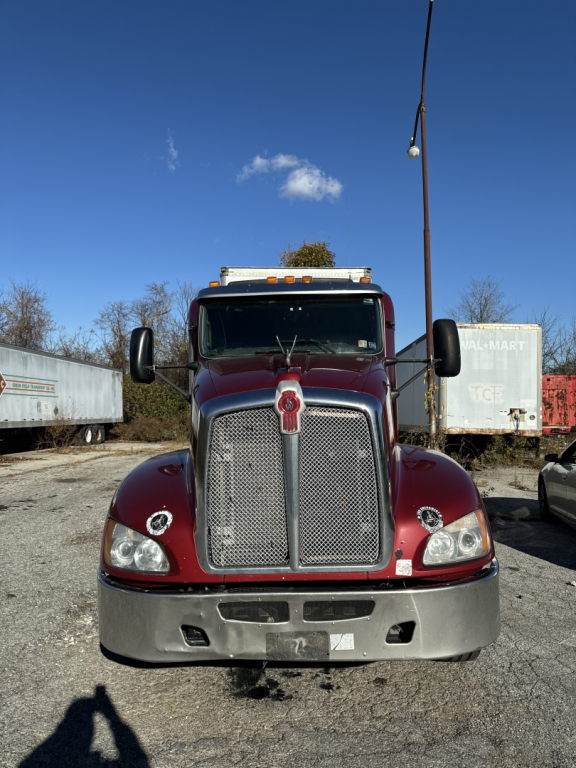
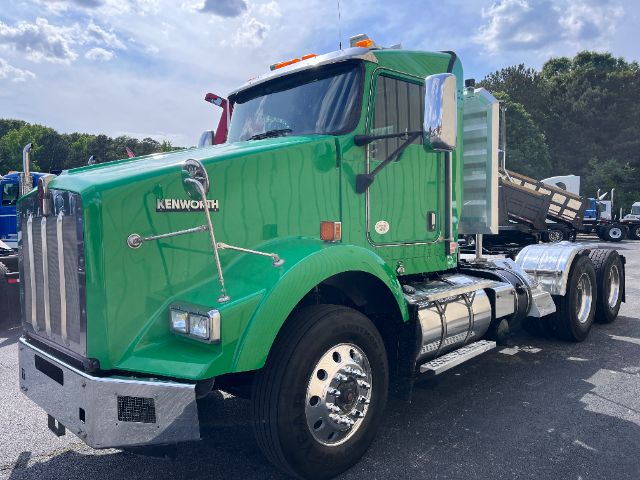
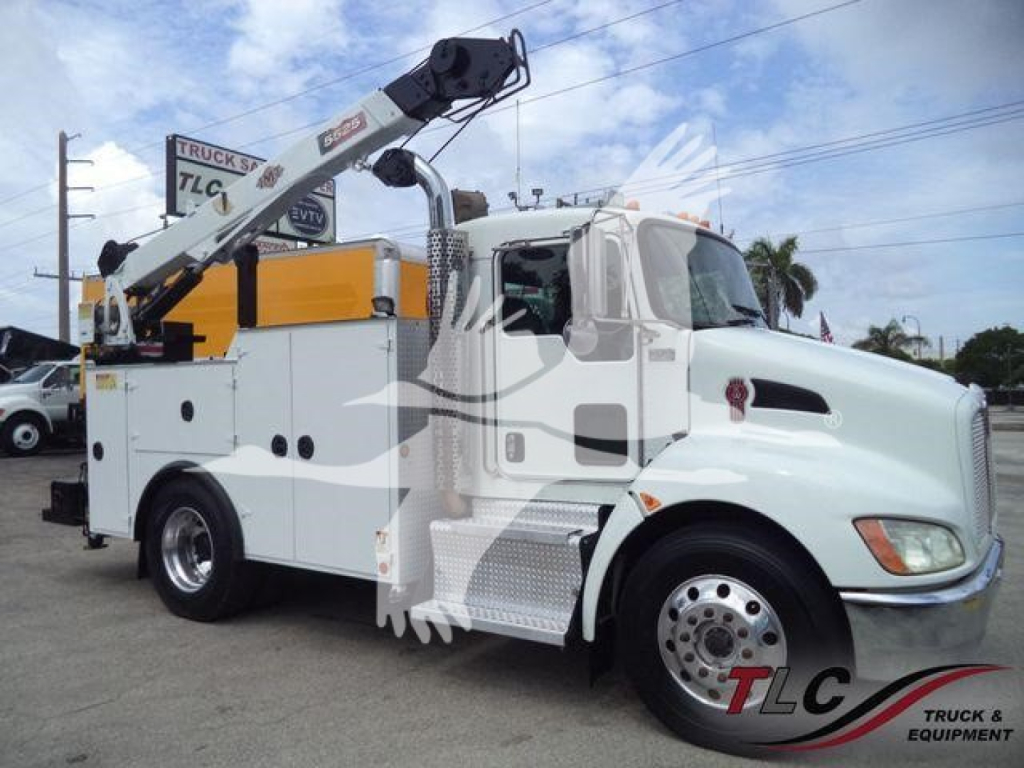
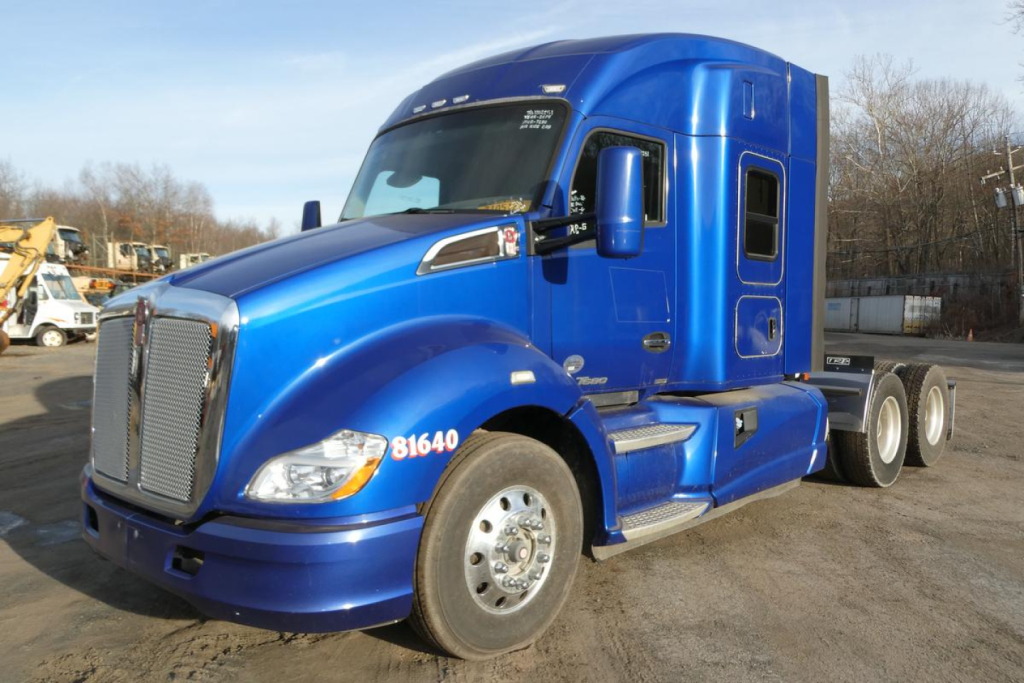
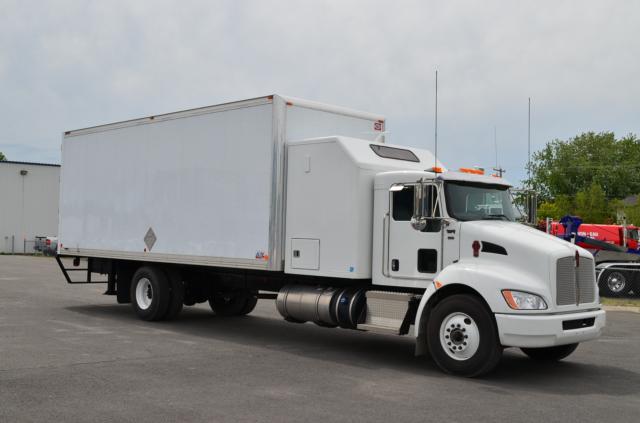
Selling a used 2014 kenworth truck? List your used 2014 kenworth truck for sale and reach thousands of commercial buyers.
Used 2014 Kenworth Trucks
Model selection should match freight and terrain. The 2014 T680 is the aero long-haul flagship, typically spec’d with mid- or high-roof 52- or 76-inch sleepers, side skirts and roof fairings for lower drag. T660 units are similar but from the prior aero generation, often priced lower with slightly less cab volume. W900 appeals to owner-operators favoring long-hood serviceability and resale in specialized or heavy haul, trading aerodynamics for durability and classic ergonomics. For construction, dump, mixer and lowboy, the T880 and T800 dominate with heavier frames, set-forward or set-back steer options, full locking diffs and 40k-46k rears; look for AG460, Hendrickson or Chalmers vocational suspensions, double-frame or high-RBM specs if you run off-road.
Drivetrain choices in 2014 range from Eaton Fuller 10/13/18-speed manuals to UltraShift Plus automated manuals, with Allison automatics common in vocational builds. Axle ratios around 2.64-3.36 favor highway mpg with overdrive transmissions; 3.55-4.10+ target stop-and-go or off-road torque. Some T680/T660 units were spec’d 6x2 for weight and fuel savings, which can be efficient on dry pavement but requires traction management in snow or jobsites. Brakes are usually drums, with air-disc fronts or all-disc as desirable options for shorter stops and easier maintenance. Useful fuel-savers include low-rolling-resistance tires, auto-tire inflation, cab/sleeper aero packages, APUs and battery HVAC. Wheelbase affects both ride and maneuverability; long-haul sleepers often run 220-244 inches, while tighter regional routes benefit from shorter wheelbases.
For any used 2014 Kenworth, assess total lifecycle cost. Pull an ECM download to confirm miles and hours, check for active fault codes and review oil analysis if available. Inspect the aftertreatment history, looking for DPF cleaning or replacement dates, SCR/DEF repairs, and documented regens; hot environments and urban duty shorten intervals compared to steady highway. Evaluate clutch life, transmission service records, kingpins, suspension bushings, airbags, brake lining thickness and fifth-wheel wear. Check alignment and tire wear patterns, frame rails for corrosion or prior repair, and cab electronics including Kenworth NavPlus and camera integration. 2014 engines meet CARB Truck and Bus requirements that call for 2010 or newer engines, and the J1939 databus supports plug-in ELDs and telematics. In cold regions, prioritize block heaters, fuel heater-equipped filter bases, robust batteries and 3-stage engine brakes for control on grades.
Frequently Asked Questions about Used 2014 Kenworth Trucks
What engines were common in 2014 Kenworth trucks and how do they compare?
Most 2014 Kenworths carry the PACCAR MX-13 or the Cummins ISX15. The MX-13 (about 380-500 hp, 1450-1850 lb-ft) is known for quiet operation and good fuel economy, making it a solid fit for linehaul and regional freight. The ISX15 (often 450-550 hp, 1750-2050 lb-ft) is favored for heavier gross weights, mountain routes and specialized hauling. Either can be reliable when the aftertreatment system is maintained and valve sets, fuel and coolant service are kept current.
Are 2014 Kenworth trucks legal for California operations?
Yes. 2014 models use EPA 2010 emissions technology, which satisfies the California Truck and Bus Regulation that requires 2010-or-newer engines. Always verify the engine year on the emissions label, confirm VIN-to-engine data, and check any port or fleet customer requirements that may add rules for aero devices, SmartWay tires or TRU/APU policies.
What fuel economy can I expect from a 2014 Kenworth T680 on highway duty?
Specification and route dominate results, but many fleets report mid 6s to low 8s mpg for 2014-era T680s with aero packages, low-rolling-resistance tires and conservative cruise speeds. Automated transmissions, correct axle ratios for cruise RPM in top gear and a clean aftertreatment system help. Higher gross weights, frequent idling, roof-mounted accessories and aggressive speeds reduce mpg.
What should I look for in the aftertreatment system on a 2014 truck?
Request records showing DPF cleanings or replacements, SCR/DEF pump and doser service, and sensor replacements such as NOx and differential pressure sensors. On inspection, look for excessive soot in tailpipe, frequent regen history, DEF crystal buildup, and any active SPN/FMI fault codes. A proper forced regen, exhaust backpressure and NOx conversion efficiency checks are good pre-purchase tests.
Should I choose a manual 13-speed or an UltraShift Plus automated in a 2014 Kenworth?
A 13-speed manual offers precise control on grades and is straightforward to service, which appeals to heavy or mixed terrain work. UltraShift Plus reduces driver fatigue, shines in urban traffic and can improve consistency and fuel economy when paired with the right axle ratio. For frequent backing or off-road work, confirm the automated spec includes low-speed maneuvering modes and appropriate PTO compatibility.