
Used 2014 Conventional Daycab Trucks For Sale in New York
Browse used 2014 conventional daycab trucks in New York. Compare wheelbase, engine, axle, suspension, and 5th wheel specs for local haul work.
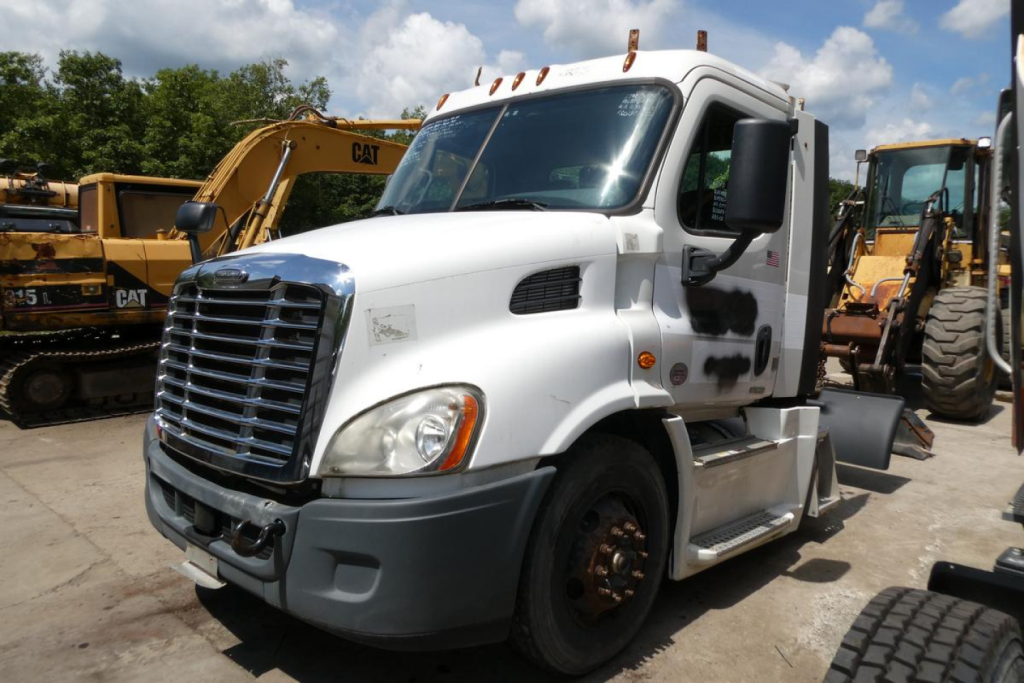
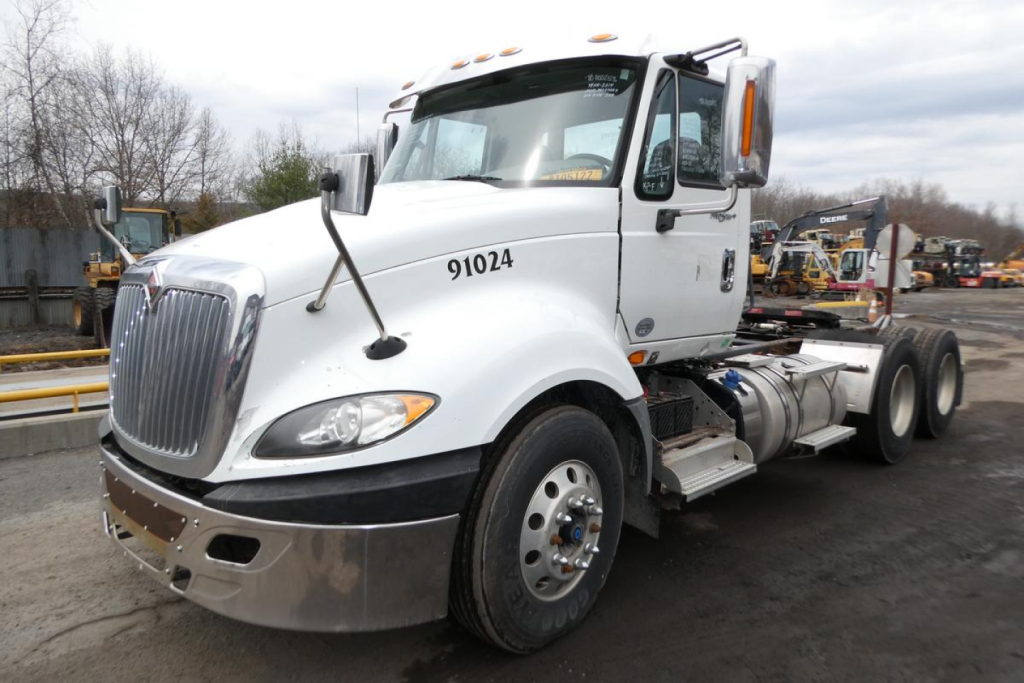
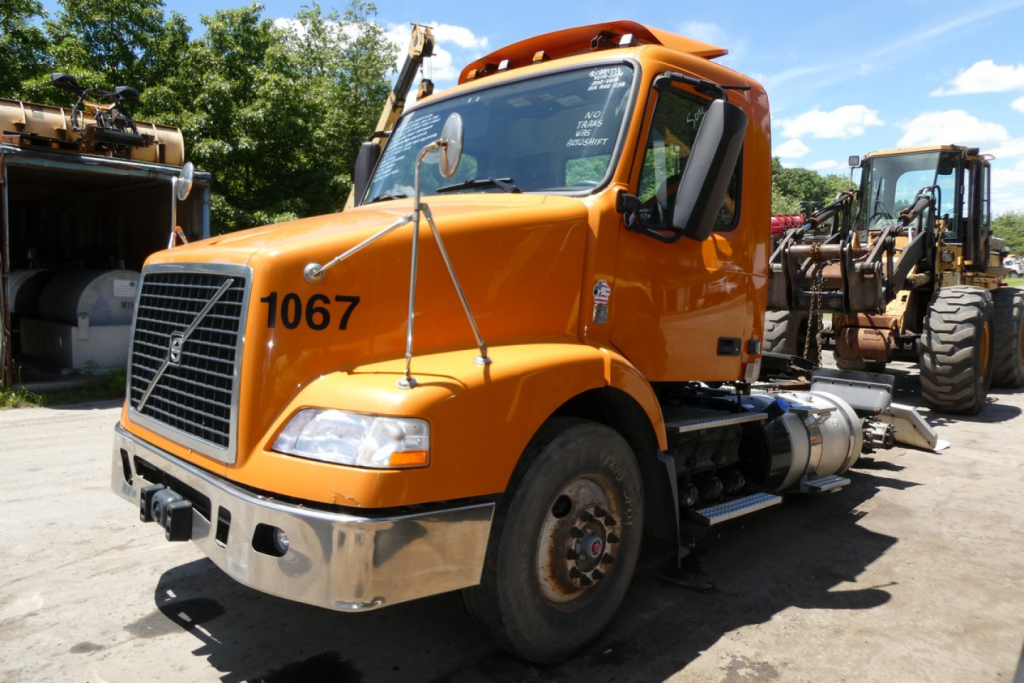
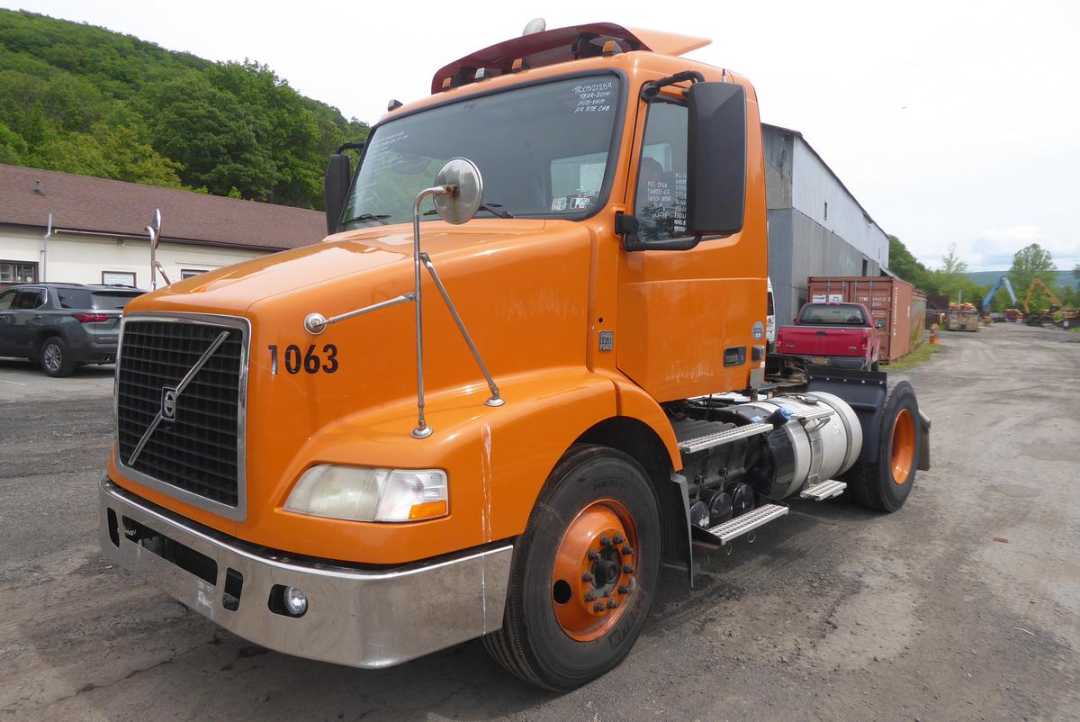
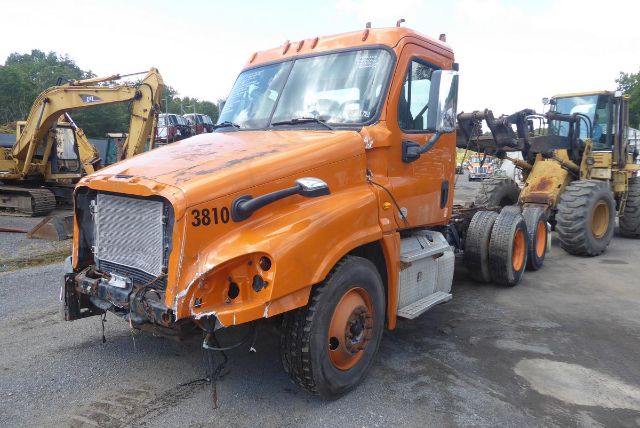
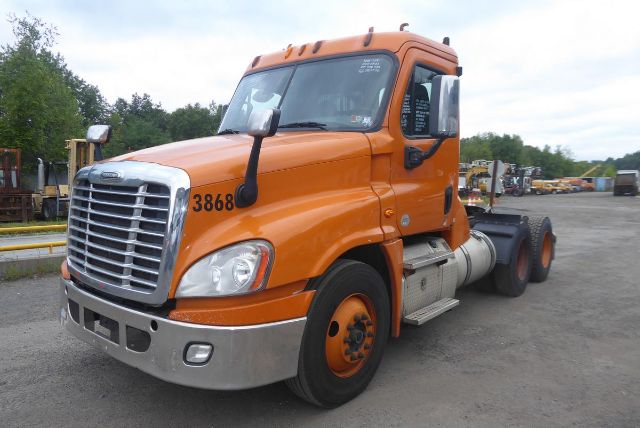
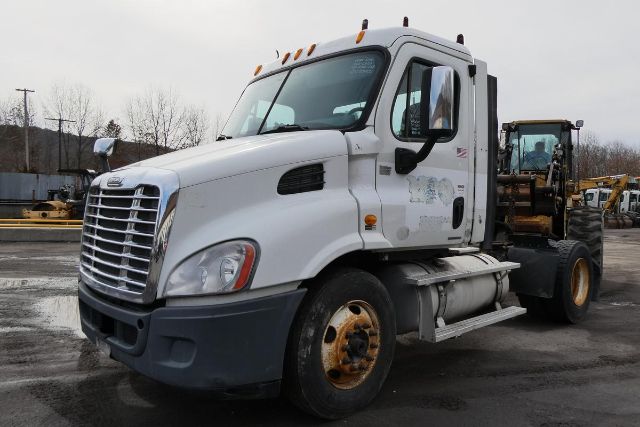
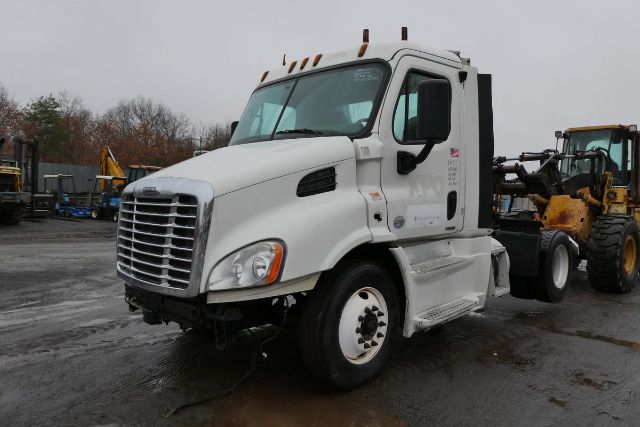

Have used 2014 conventional daycab truck to sell? List it here to reach thousands of buyers.
Used 2014 Conventional Daycab Trucks in New York
The 2014 model year sits in a practical spot for many buyers because it offers modern emissions equipment and more refined cab ergonomics without pushing into the higher pricing of newer iron. Typical engines in this segment include Detroit DD13, Volvo D11, Cummins ISX, and similar mid-to-heavy-duty platforms, generally paired with 10-speed or 13-speed manuals, automated manuals like Volvo I-Shift or Detroit DT12, and rear axle ratios selected for regional speed versus startability. Horsepower often falls in the 350 to 450 range, with 12,000 lb front axles and 20,000 to 23,000 lb rears being common on lighter regional spec trucks, while heavier vocational daycabs may step up substantially in suspension and rear axle capacity. Air ride suspensions, engine brakes, DEF systems, and 11R22.5 rubber are all common specs worth comparing across listings.
For a buyer, the real decision is matching spec to lane. A shorter wheelbase daycab is easier to live with in borough traffic and crowded customer yards, but a longer wheelbase can improve ride quality and stability with certain trailer setups. Check cab-to-axle and cab-to-end dimensions if the truck may be repurposed for a different body or fifth wheel position. Verify the rear ratio against your expected operating speed, especially if the truck will spend time on the thruway instead of strictly local routes. Suspension type, air disc versus drum brakes, power divider, and 5th wheel style also affect how well the truck fits your freight. If the job includes frequent trailer swaps, kingpin setting compatibility and 5th wheel travel are not minor details.
Condition matters more than badge on a used 2014 daycab. Look closely at ECM miles versus odometer, engine hours, clutch life on manual transmissions, shift history on automated manuals, and the health of the aftertreatment system. In Northeast service, frame corrosion, cab mounts, air system leaks, and suspension wear deserve extra scrutiny, especially on trucks that have seen winters, port duty, or stop-and-go urban cycles. A strong used conventional daycab should have a spec that matches the route, enough axle and suspension capacity for the trailer, and service records that support the miles shown. When those pieces line up, a 2014 daycab can still be a cost-effective tractor for regional and local work.
Frequently Asked Questions about Used 2014 Conventional Daycab Trucks in New York
What is a conventional daycab truck best used for?
A conventional daycab truck is best suited for local and regional hauling where the driver returns home daily and sleeper space is unnecessary. Common uses include dry van, reefer, flatbed, intermodal, LTL, and yard-to-yard freight. The shorter overall package compared with a sleeper tractor helps in tight terminals, city streets, and crowded delivery locations, while still providing the power and axle capacity needed for standard semi-trailer work.
What should I check first on a used 2014 daycab in New York?
Start with frame condition, suspension wear, air system performance, and aftertreatment history. New York and the broader Northeast expose trucks to road salt, frequent stop-and-go driving, and tight maneuvering conditions, so corrosion, air leaks, brake wear, and steering play are common inspection points. It is also important to compare odometer miles to ECM data, review engine hours, and confirm that emissions components such as DPF, DEF, and related sensors have been maintained properly.
Are 2014 conventional daycabs available with both manual and automated transmissions?
Yes. Many 2014 daycab tractors were spec'd with 10-speed or 13-speed manual transmissions, while others came with automated manuals such as Volvo I-Shift or Detroit DT12. The right choice depends on route profile, driver preference, and maintenance approach. Manual transmissions remain popular for simplicity and driver control, while automated manuals can improve driver comfort, reduce clutch wear, and provide more consistent shifting in urban or regional service.
How important are wheelbase and cab-to-axle measurements on a daycab?
They are critical because they affect turning radius, trailer clearance, ride quality, bridge law flexibility, and body or fifth wheel fitment. A shorter wheelbase generally works better in urban service and tight loading areas, while a longer wheelbase can improve stability and accommodate different trailer setups. Cab-to-axle and cab-to-end dimensions matter if the truck may be used for specialized applications, repowered, or converted for another body style or hitch arrangement.
What engine and axle specs are common in a 2014 conventional daycab?
Many 2014 conventional daycabs were built with engines in the 350 to 450 horsepower range, including platforms such as the Detroit DD13, Volvo D11, and comparable Cummins offerings. Front axles are commonly rated around 12,000 lb, while rear axles often range from 20,000 to 23,000 lb on lighter regional tractors and higher on heavy-haul or vocational specs. Rear ratios, suspension type, and fifth wheel configuration vary widely, so buyers should match those details to expected trailer weight, road speed, and operating terrain.