
Used 2014 Freightliner Conventional Daycab Trucks For Sale in New York
Shop used 2014 Freightliner conventional daycab trucks in New York. Compare Cascadia specs, DD13 engines, wheelbases, axles, and transmissions.
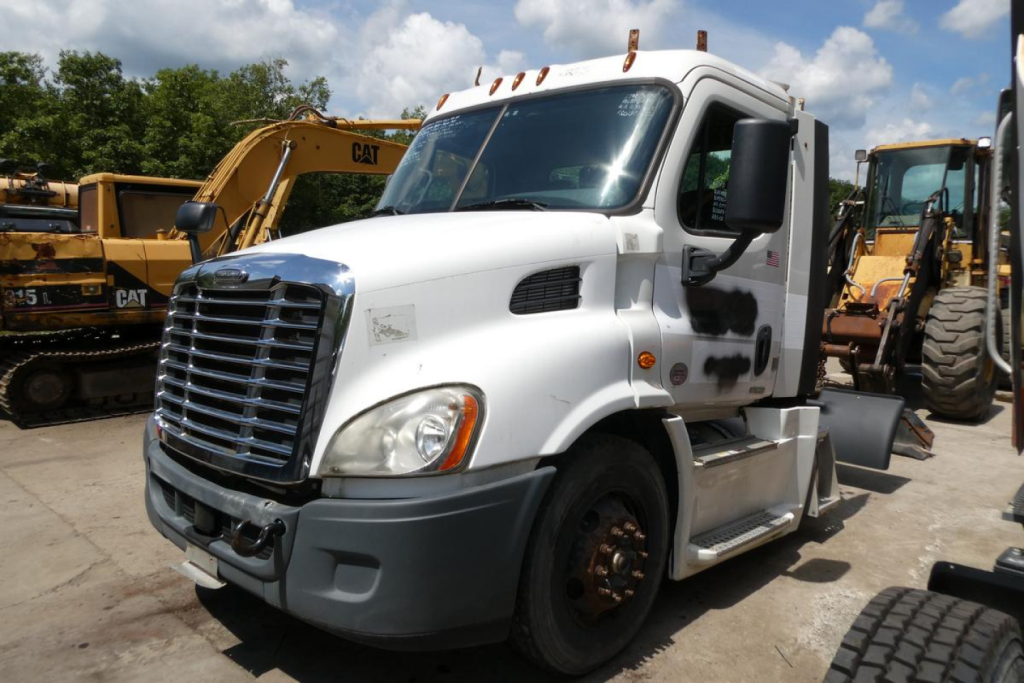
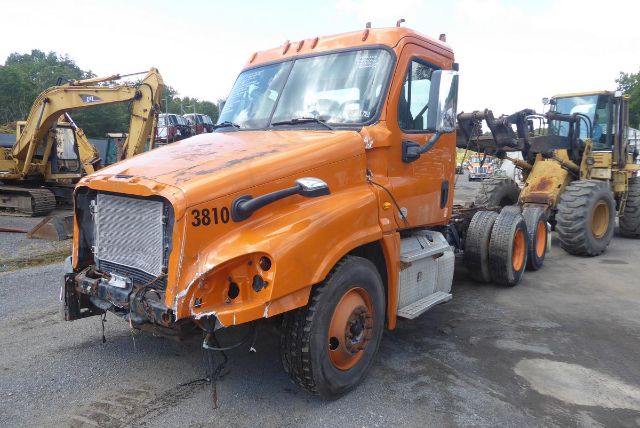
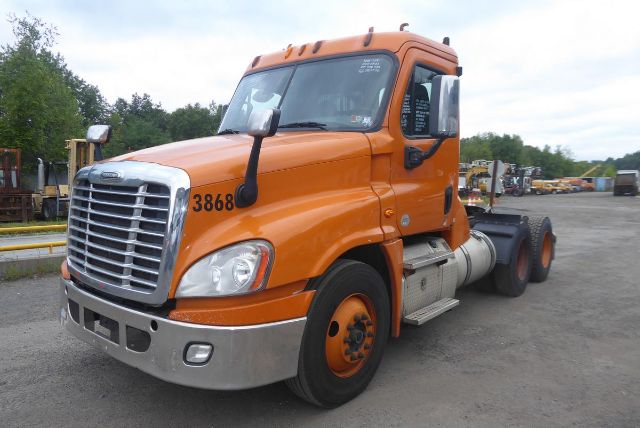
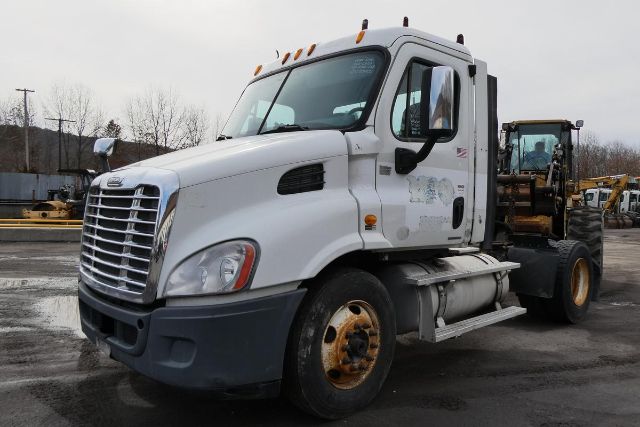
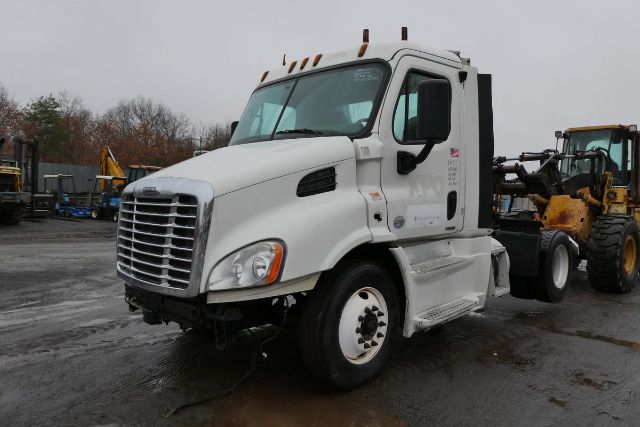
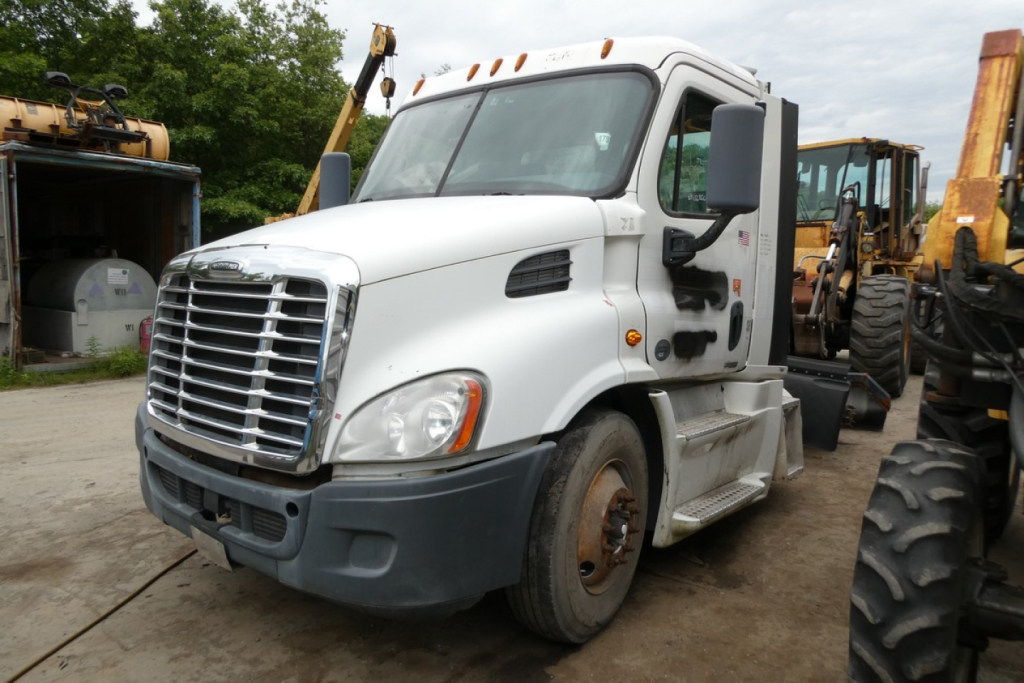
Have used 2014 freightliner conventional daycab truck to sell? List it here to reach thousands of buyers.
Used 2014 Freightliner Conventional Daycab Trucks in New York
The key buying decisions usually come down to axle capacity, rear ratio, suspension, and fifth wheel setup. Many 2014 Freightliner daycabs were built as single-frame tractors with around a 157-inch wheelbase, 20,000 to 23,000 lb rear axle ratings on lighter specs, or heavier tandem setups on more road-oriented tractors. Common suspensions include Freightliner Airliner 2-bag and 4-bag systems. A 2.67 ratio leans toward fuel-efficient highway and regional use, while deeper ratios are better suited to heavier starts, tighter routes, or more stop-and-go work. Buyers should also verify whether the truck has a stationary or air-slide fifth wheel, and whether a pintle hook or PTO is present if the truck may be used beyond standard van or reefer pulling.
On used Freightliner daycabs, condition is heavily tied to how the truck was previously deployed and maintained. Detroit DD13 engines are widely supported, but service records, ECM miles and hours, aftertreatment history, and signs of hard starting, warning lights, or incomplete dash and electrical repairs deserve close attention. Transmission choice affects both drivability and cost of ownership. A Fuller 10-speed remains familiar to many operators and is straightforward to service, while automated manuals on newer comparable trucks can reduce driver fatigue but add diagnostic complexity. Suspension wear, kingpins, steer axle alignment, brake type, and tire wear pattern can tell you a lot about front-end condition and whether the tractor spent most of its life in linehaul, city delivery, or rough yard service.
A 2014 Freightliner conventional daycab makes the most sense when the application needs a practical aero tractor without sleeper length or sleeper weight. Buyers comparing listings should look past the basic year and model and focus on cab-to-axle, frame layout, rear axle rating, brake spec, and gearing relative to the trailer and route. In dense Northeast lanes, a shorter wheelbase truck with a dependable manual transmission may be the better fit. For heavier regional pulls, a tandem axle spec with air ride, proper ratio, and a healthy DD13 can offer a more versatile platform. The right truck in this category is less about badges and more about matching the spec to the work from day one.
Frequently Asked Questions about Used 2014 Freightliner Conventional Daycab Trucks in New York
What is a 2014 Freightliner conventional daycab best used for?
A 2014 Freightliner conventional daycab is best suited for regional hauling, local freight, drayage, shuttle work, yard-to-road operation, and vocational tractor duties where a sleeper is not needed. The shorter overall length helps in tighter terminals, city streets, and customer yards. It is a practical choice for fleets or owner-operators that want a road-capable tractor with lower empty weight and simpler packaging than a sleeper truck.
What engine and transmission are common in a used 2014 Freightliner daycab?
One of the most common setups in this category is a Detroit DD13 engine around 410 hp paired with a Fuller 10-speed manual transmission. This combination is popular because parts availability is strong and many technicians are familiar with it. Buyers should still confirm the exact horsepower rating, transmission model, rear ratio, and ECM data because these details affect performance, fuel economy, and repair cost more than the badge on the hood.
What specs matter most when comparing used Freightliner daycab listings?
The most important specs are wheelbase, rear axle rating, suspension type, rear ratio, brake setup, fifth wheel type, and frame configuration. A shorter wheelbase improves maneuverability, while axle and suspension ratings determine how well the truck matches the trailer and payload. Rear ratio changes launch feel and cruise rpm. A stationary fifth wheel may be fine for a fixed trailer setup, but an air-slide fifth wheel gives more flexibility for balancing axle weights.
How do I evaluate condition on a used 2014 Freightliner daycab?
Start with engine hours, ECM miles, maintenance history, and any evidence of aftertreatment or electrical issues. Then inspect for hard starts, warning lights, fluid leaks, blow-by, clutch or shift quality, suspension wear, kingpin play, brake condition, and irregular tire wear. On daycabs that worked in urban or terminal service, cab damage, frame modifications, and front-end wear are common checkpoints. A pre-purchase inspection with an ECM readout is usually worth the cost.
Is a single-axle or tandem-axle Freightliner daycab better?
It depends on the job. A single-axle daycab is lighter, simpler, and often easier to maneuver, which makes it useful for lighter regional work or specialized local routes. A tandem-axle truck offers more traction, higher axle capacity, and better suitability for heavier trailers and broader highway use. The better choice comes down to payload, bridge compliance, trailer type, and the terrain the truck will run every day.