
Used 2003 Commercial Trucks For Sale in New York
Browse used 2003 trucks for sale in New York, including day cabs, cab and chassis, vocational trucks, and medium-duty work trucks.
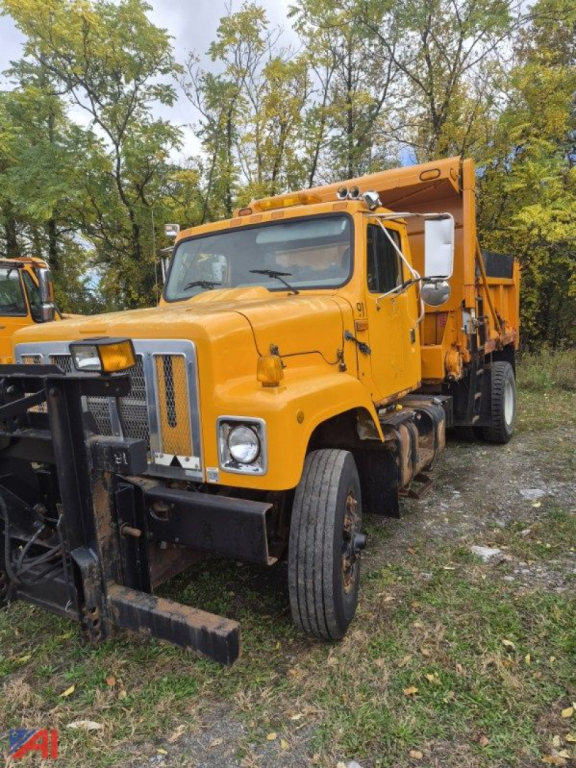
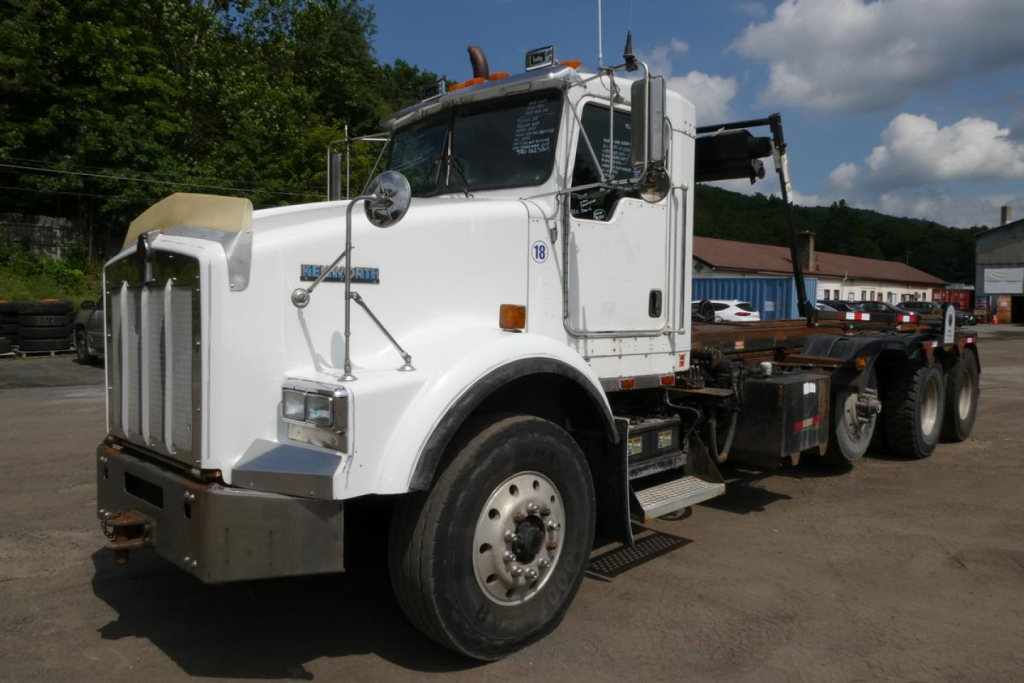
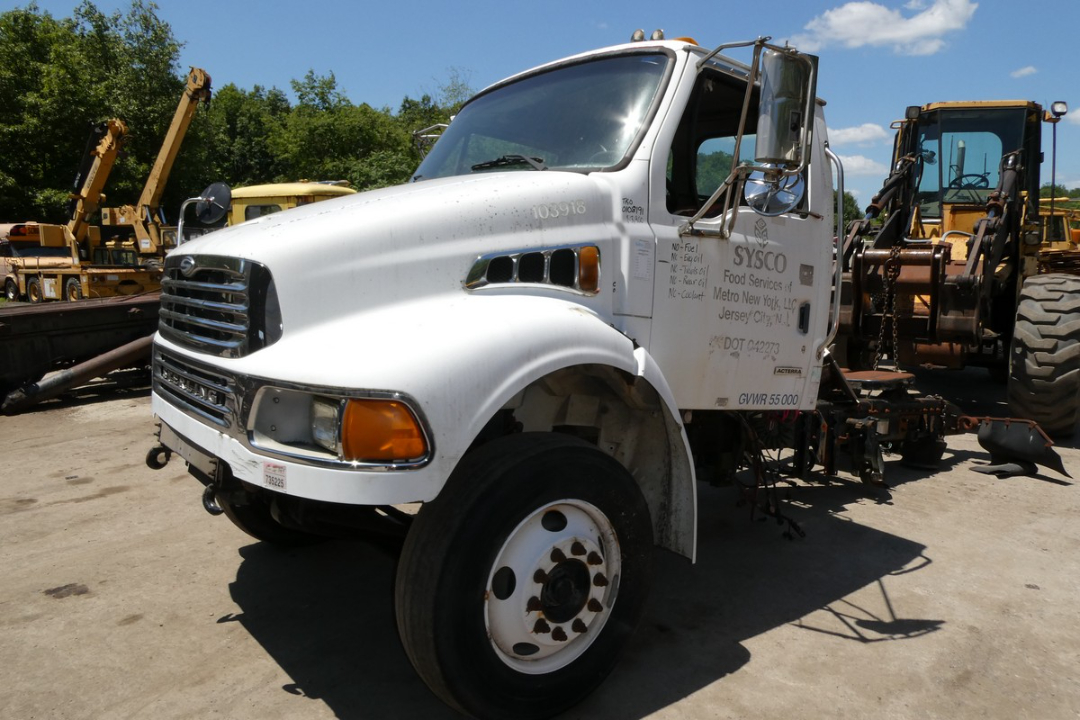
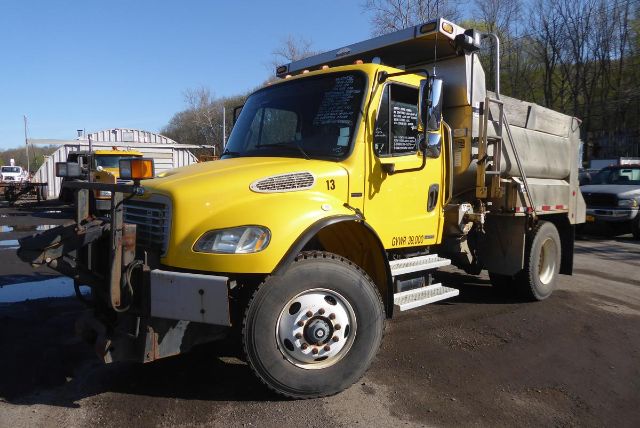
Selling a used 2003 commercial truck? List your used 2003 commercial truck for sale and reach thousands of commercial buyers.
Used 2003 Commercial Trucks in New York
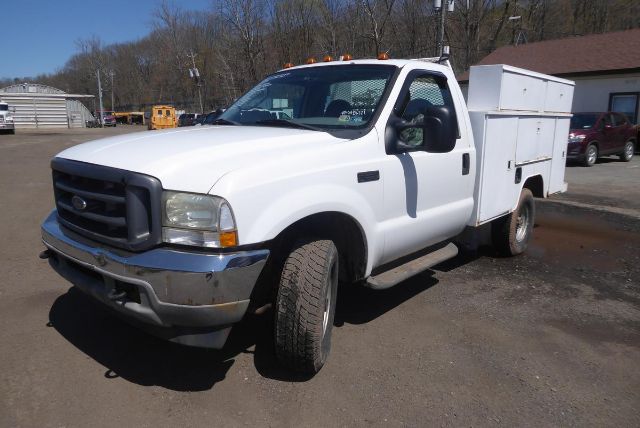
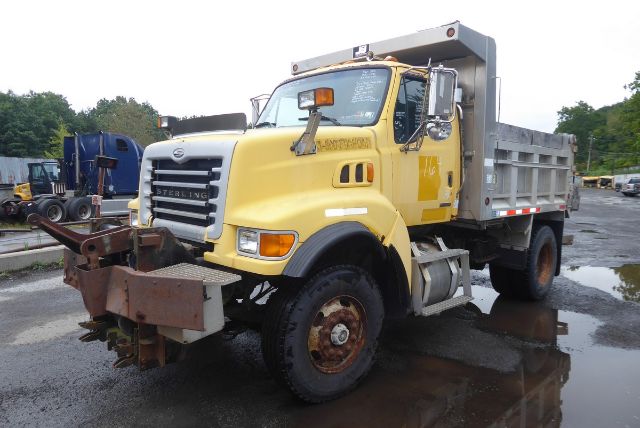
The biggest buying decision in this segment is application. A 2003 truck could be a day cab tractor for regional moves, a cab and chassis for a dump, van body, or flatbed, or a medium-duty work truck for municipal, landscaping, utility, or snow equipment. In New York, rust exposure is a real issue, especially on crossmembers, spring hangers, cab mounts, fuel tank straps, brake lines, and underbody electrical connections. Buyers should inspect the frame rails inside and out, look for scaling around suspension mounts, and confirm that PTO provisions, wheelbase, and cab-to-axle dimensions fit the body or trailer setup they plan to run.
Powertrain specs on 2003 trucks vary widely by class, but common setups include diesel engines from Cummins, Caterpillar, Detroit Diesel, International, and Mercedes-Benz, paired with Fuller manual transmissions, Allison automatics, and single or tandem rear axles. Medium-duty trucks often fall in the 25,000 to 33,000 lb GVWR range, while heavier tractors and vocational chassis may be spec'd beyond that depending on axle ratings and suspension. Gear ratio, suspension type, and brake configuration should be matched to the work. A low rear ratio may suit highway use, while a deeper ratio is better for stop-and-go vocational service, plow work, or heavy starts. Air ride suspension can help ride quality and freight protection, while spring suspension remains common on tougher jobsite applications.
For a used 2003 truck, serviceability and remaining usable life are the real value drivers. Check for engine blow-by, coolant contamination, transmission shift quality, differential noise, brake chamber condition, and steer axle wear. Verify tire date codes, wheel seal condition, and any signs of prior frame repair or poorly installed body equipment. If the truck is being bought for municipal or seasonal work in New York, pay close attention to hydraulics, spreader controls, plow mounts, and PTO operation. A well-maintained 2003 truck can still be a practical choice for farm, construction, local delivery, and support fleet roles, but only if the spec matches the job and the inspection is thorough.
Frequently Asked Questions about Used 2003 Commercial Trucks in New York
Are 2003 trucks a good choice for work in New York?
They can be a practical choice if the truck has been maintained and the intended use fits the age and specification. Many 2003 trucks appeal to buyers because they typically avoid later emissions systems, which can simplify maintenance. In New York, the main risk is corrosion from road salt, so buyers should inspect frames, brake lines, crossmembers, cab mounts, electrical systems, and body mounting points carefully before making a decision.
What should I inspect first on a used 2003 truck?
Start with the frame, drivetrain, and brake system. On a truck of this age, structural condition is often more important than mileage alone. Look for rust scaling, cracked hangers, air leaks, worn spring pins, steering play, oil or coolant contamination, hard shifting, driveline vibration, and uneven tire wear. If it is a cab and chassis or vocational truck, also verify PTO operation, hydraulic lines, and body integration.
Do 2003 trucks have simpler emissions systems than newer trucks?
Yes, in many cases they do. Trucks from 2003 generally predate DEF systems and the more complex aftertreatment packages found on newer diesel trucks. That can mean fewer emissions-related components to diagnose and replace. Buyers still need to confirm the exact engine family and configuration, since emissions requirements and engine technology varied by manufacturer and application.
What types of jobs are used 2003 trucks best suited for?
They are often best suited for local and vocational work rather than high-mileage long-haul service. Common uses include farm support, municipal work, dump or flatbed applications, landscaping, snow and ice equipment, local delivery, and shop or yard operations. The best fit depends on wheelbase, axle rating, suspension, PTO capability, and whether the truck was originally spec'd as a tractor, straight truck, or body-ready chassis.
How important are wheelbase and cab-to-axle measurements on a 2003 truck?
They are critical if the truck will carry a body or be repurposed for a specific application. Wheelbase and cab-to-axle dimensions determine what body lengths fit properly, how weight is distributed, and whether the finished truck will meet axle loading targets. On tractors, these dimensions also affect trailer swing clearance and overall maneuverability. Buyers should confirm the measurements against the body builder's requirements or the trailer setup they plan to run.