
Used 2003 Commercial Trucks For Sale
Shop used 2003 trucks with pre-DPF engines. Learn specs that affect uptime, weight, corrosion, floor strength, and thermal integrity before you buy.
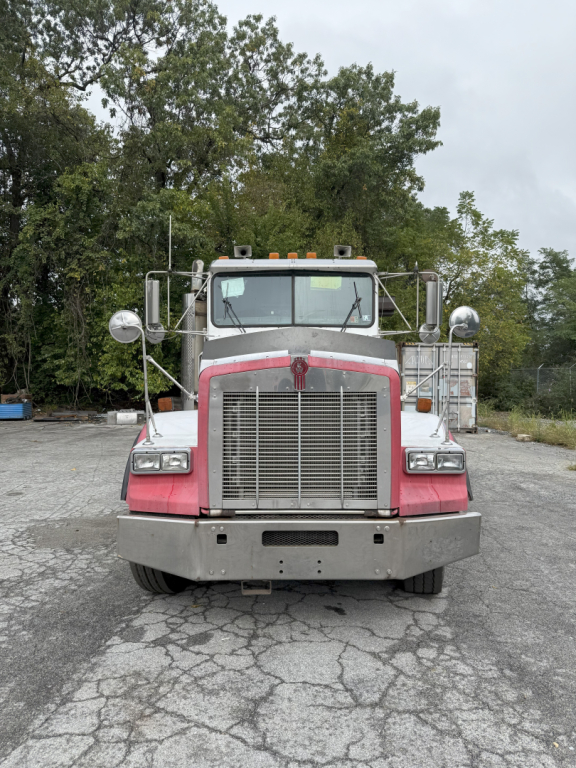
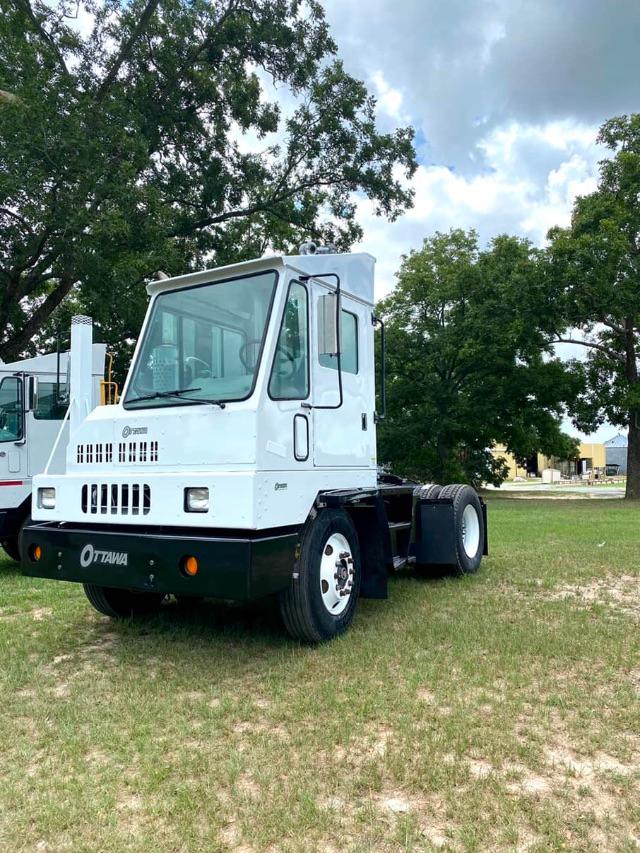
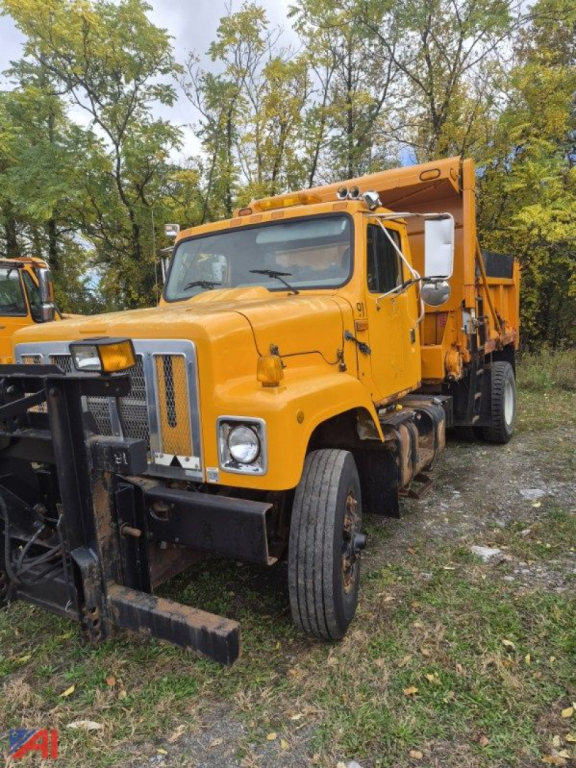
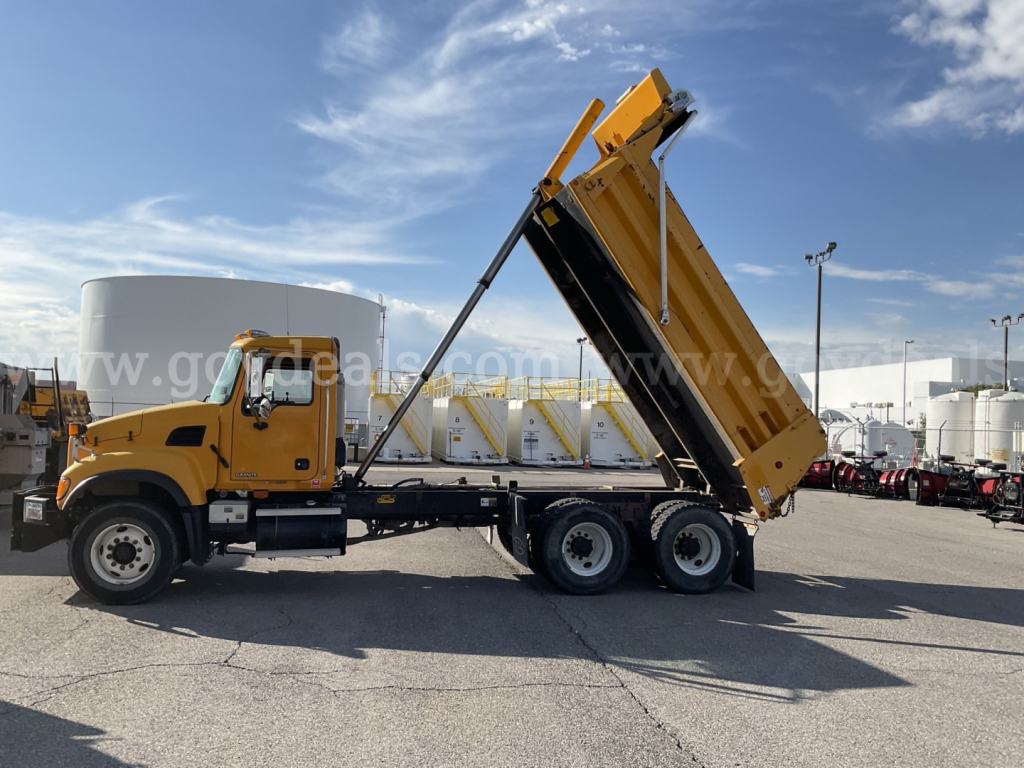
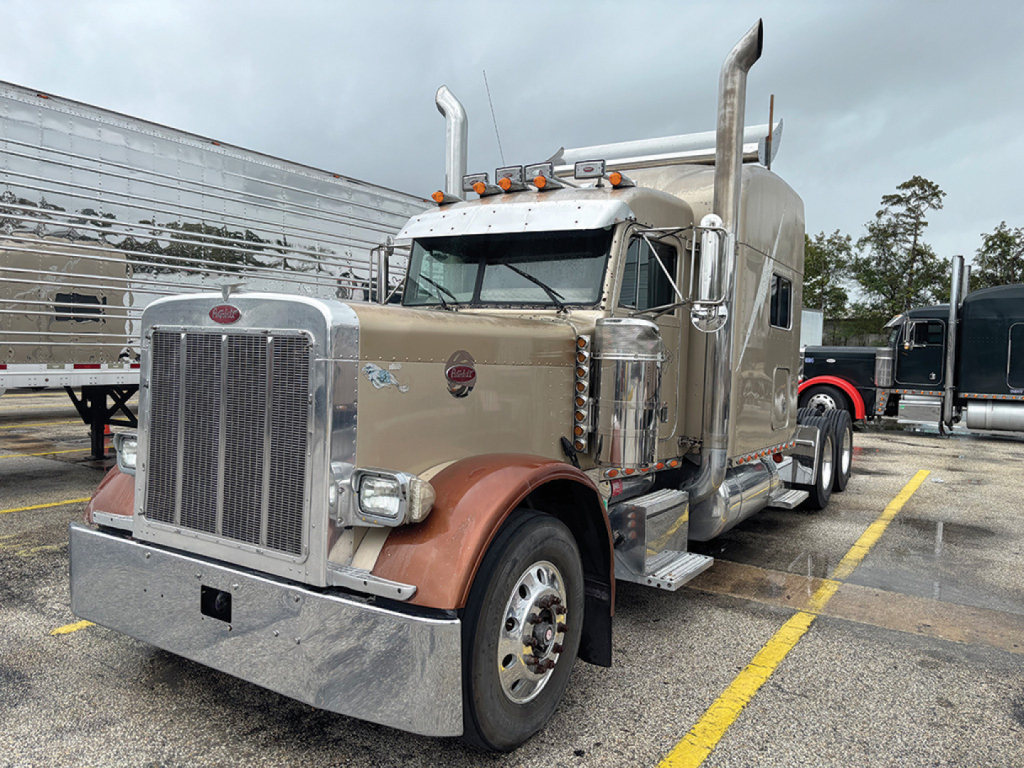
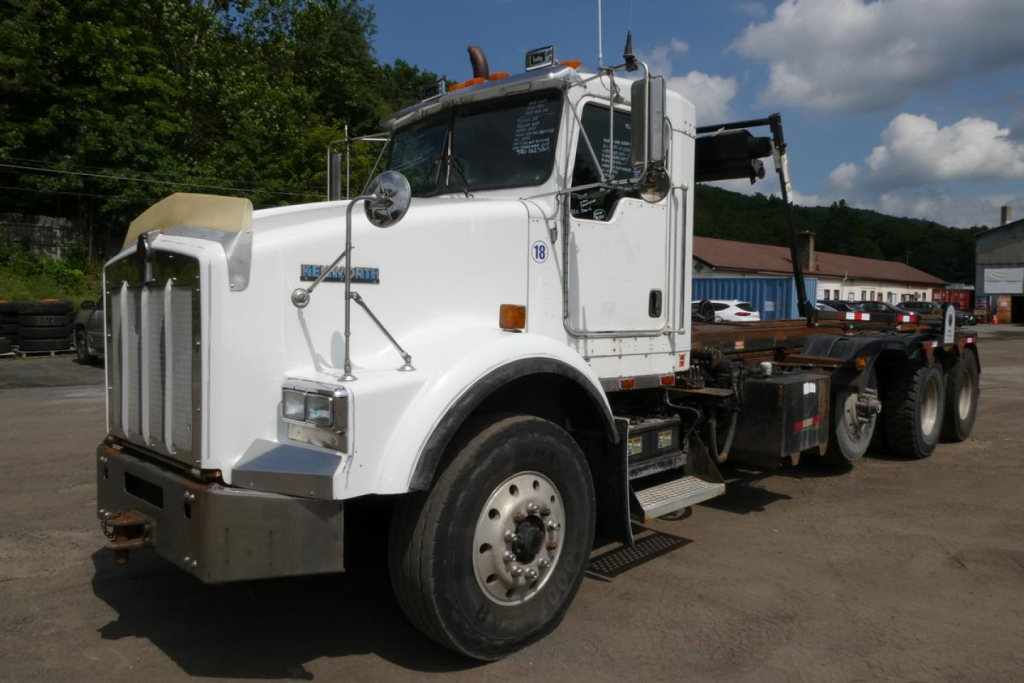
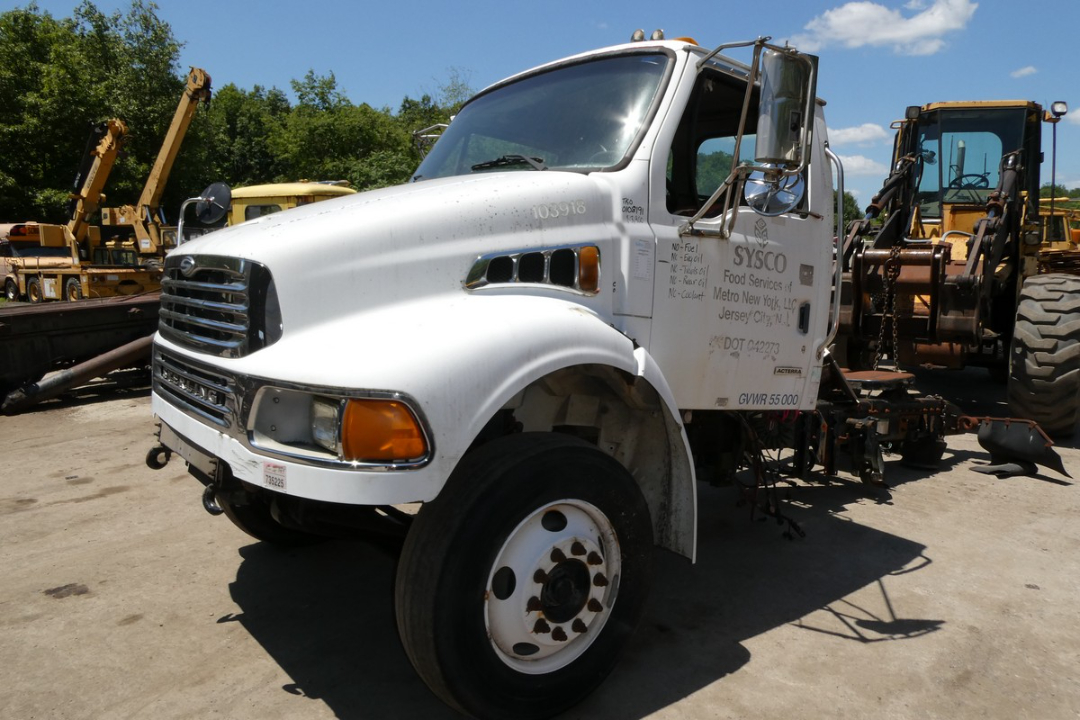

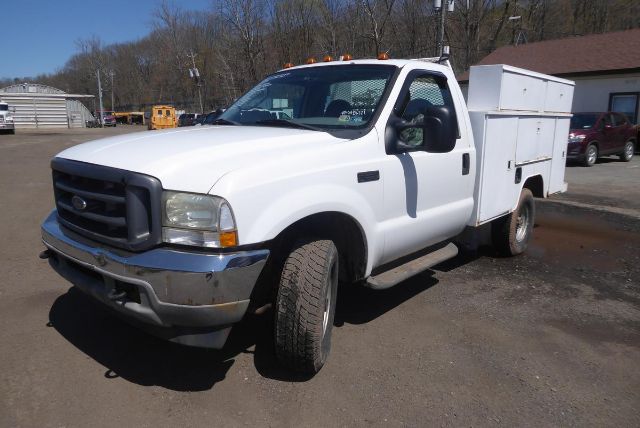

Selling a used 2003 commercial truck? List your used 2003 commercial truck for sale and reach thousands of commercial buyers.
Used 2003 Commercial Trucks
Chassis integrity and corrosion resistance drive resale and uptime on a 2003. Inspect frame rails, crossmembers, fifth wheel structure, spring hangers, and cab mounts for scale, flaking, or rivet movement; check aluminum tanks, battery boxes, and steps for pitting; look at steel dump or flatbed bodies for floor thinning and seam rust. Air ride suspensions smooth vibration but add airbags and bushings to maintain; steel spring setups can cut weight on single axle units but ride harsher. Tare weight swings 800 to 1,200 lb with sleeper size, steel versus aluminum wheels, dual versus single 120 gallon tanks, and add ons like PTOs, wet kits, or liftgates. For highway use, a mid roof sleeper with aluminum wheels and 3.55 to 3.70 rears pairs well with a 10 or 13 speed for 65 to 70 mph cruise; vocational gearing such as 4.10 improves startability at higher GCW.
For 2003 box trucks and reefers, cargo area condition is as important as the cab. Floor strength determines forklift compatibility, look for 1.25 inch hardwood plank or laminated floors with tight fasteners and no cupping; in reefers, aluminum duct floors should be straight with intact welds and no crushed channels. Scuff liners should be secure and at least 12 inches high to protect walls, e track and threshold plates reveal the level of abuse. Thermal integrity depends on dry, intact foam insulation and tight door gaskets, check for dry walls, minimal daylight at seals, clean drains, and reasonable reefer unit hours with clean fins and solid temperature pull down. A tight box holds setpoint with less run time, cutting fuel burn and compressor wear.
Brakes are typically S cam drums with ABS, steer axle discs were uncommon. Verify ECM miles and hours against the odometer, run oil analysis for fuel dilution and silicon, and check blow by or a dyno pull to confirm power under load. Wiring looms and connectors are now two decades old, inspect for chafing under the dash, at the firewall, and along the frame, and test HVAC blend and mode doors for solid cab thermal control. Check local compliance before committing, many regions accept 2003 semi trucks freely, California and other CARB states restrict older diesel engines, a repower to a 2010 or newer engine or an approved exemption may be required.
Frequently Asked Questions about Used 2003 Commercial Trucks
Are 2003 trucks pre-emissions and do they use DEF or a DPF?
Most 2003 diesel trucks predate diesel particulate filters and selective catalytic reduction, so there is no DEF tank and no DPF to service. Many builds after late 2002 use early cooled EGR to meet the EPA 2002 standard, which simplifies the exhaust but can increase soot in the oil and puts more demand on the cooling system. This is a maintenance tradeoff rather than a hard negative, clean coolant, timely oil changes, and periodic EGR service keep these engines reliable.
What should I check for corrosion resistance on a 2003 chassis?
Focus on frame rails and crossmembers for flaking scale, rust jacking at rivets, and delamination at flanges. Inspect cab mounts, battery boxes, steps, and fuel tank straps for corrosion, and look for aluminum pitting on tanks and tool boxes where road salts and dissimilar metals meet. On vocational units, examine dump or flatbed floors and body sills for thinning or patch welds. Clean, intact paint and undercoating, stainless or aluminum components in high splash zones, and tight fasteners indicate better long term durability.
How do I evaluate floor strength and thermal integrity on a 2003 box or reefer truck?
For floor strength, look for 1.25 inch hardwood plank or laminated floors in dry vans with tight screws and no cupping, or straight aluminum duct floors in reefers with solid welds and no crushed channels. Check scuff liners, e track, threshold plates, and rear sill alignment. For thermal integrity, the box should be dry inside with no swollen or soft panels, door gaskets should seal without daylight, drains should be clear, and the reefer unit should show reasonable hours, clean fins, and hold setpoint on a pull down test. A tight, dry body protects freight and reduces unit run time and fuel burn.
Will a 2003 diesel truck meet California or other CARB requirements?
Under the CARB Truck and Bus Regulation, most 2003 diesel engines are not compliant for general use unless the truck has been repowered with a 2010 or newer engine or qualifies for a specific low use or specialty exemption. Rules evolve and enforcement can vary by operation type, verify current CARB and local requirements for your duty cycle and routes before purchase.
How does tare weight on a 2003 compare to newer trucks, and what specs move the scale most?
A comparable 2003 tractor can be a few hundred pounds lighter than later DPF and SCR models due to simpler exhaust hardware, but sleeper size, wheels, tanks, suspension, and bolt ons create larger differences. Aluminum wheels can save 400 to 600 lb over steel, a mid roof sleeper can save several hundred pounds versus a high roof, deleting one 120 gallon tank can trim about 200 lb, and omitting a liftgate or wet kit can drop 300 lb or more on a straight truck. Choose the lightest configuration that still supports your range, payload, and PTO needs.