
Used 2003 Rolloff Trucks For Sale
Browse used 2003 rolloff trucks for waste, scrap, demolition, and container hauling. Compare hoists, GVWR, axle ratings, and chassis specs.
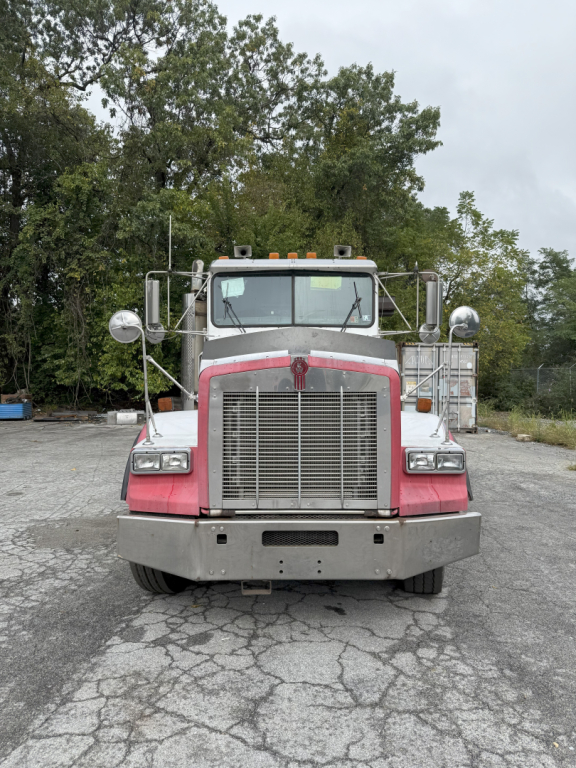
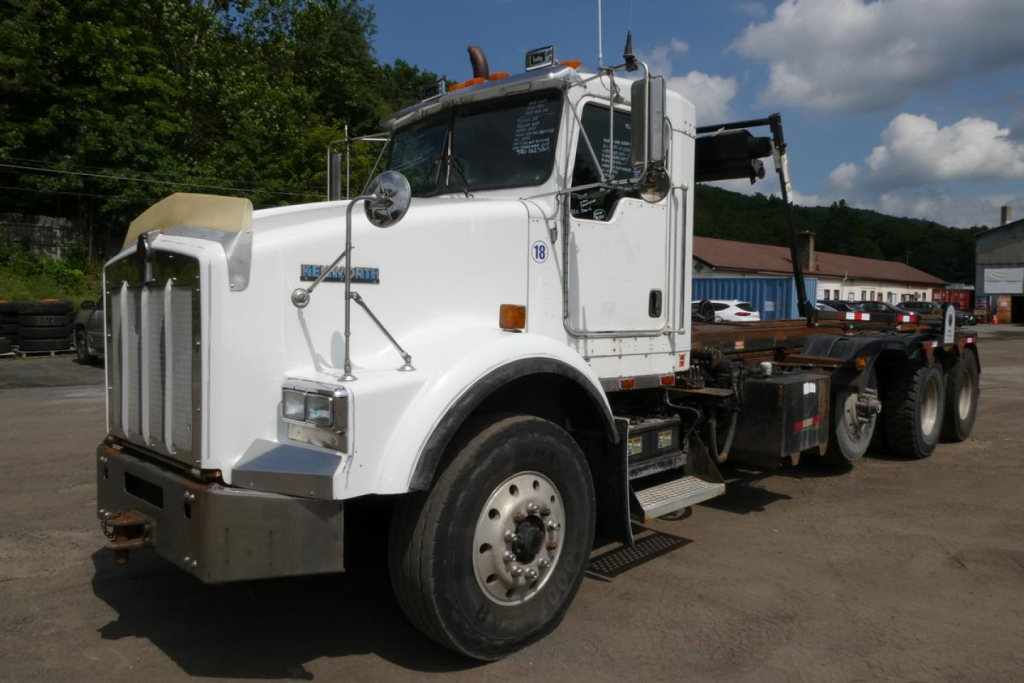

Selling a used 2003 rolloff truck? List your used 2003 rolloff truck for sale and reach thousands of commercial buyers.
Used 2003 Rolloff Trucks
On a 2003 rolloff truck, pay close attention to hoist rating, axle capacities, and wheelbase. Common setups range from smaller 4x2 municipal or contractor trucks up to tandem-axle vocational chassis built for heavier boxes and tougher route work. Front axle ratings, rear suspension type, and rear axle ratio matter because rolloff work puts a lot of stress on launch, loading angle, and weight transfer. Buyers should inspect the PTO operation, winch performance, cable condition, sheaves, hook points, body rails, and crossmember integrity. Frame reinforcement and evidence of cracks, plating, or previous weld repairs deserve a close look, especially on older vocational trucks that may have spent years in stop-and-go service.
A 2003 truck may predate later emissions systems, which can be a benefit for operators who want simpler engine architecture and easier serviceability. That said, age shifts the focus toward maintenance history and component condition. Check for hydraulic leaks, pump noise, slack in the hoist pivots, brake condition, steering play, and corrosion around the body mounts and undercab areas. If the truck is intended for commercial waste or construction debris, confirm the container length it is set up to handle, the tarp system, ICC bumper arrangement, and any trailer or pintle provisions. Compatibility with existing cans or boxes is critical because rail width, cable setup, and container size can vary.
For buyers comparing used 2003 rolloff trucks for sale, the best value usually comes from matching the truck to the job rather than simply buying the highest GVWR available. A contractor moving smaller debris boxes through tight urban sites may be better served by a more maneuverable single-axle truck, while scrap, C&D, and industrial accounts often justify a heavier tandem setup. Freightliner, Mack, International, Ford, Chevrolet, and other vocational chassis can all be found in this category, but the real measure is how the truck was spec'd and maintained. A clean service history, stable hydraulics, straight rails, and a hoist sized correctly for the containers you run will matter more than badge alone.
Frequently Asked Questions about Used 2003 Rolloff Trucks
What should I inspect first on a used 2003 rolloff truck?
Start with the hoist system and frame. Check the PTO engagement, hydraulic pump operation, cylinders, hoses, cable or winch condition, rear rollers, and hoist pivots. Then inspect the frame rails, crossmembers, and any reinforcement for cracks, corrosion, or repair work. On an older rolloff truck, structural condition usually matters as much as engine and transmission condition because the body system takes repeated high-load stress.
Are 2003 rolloff trucks usually cable hoist or hooklift trucks?
Most 2003 rolloff trucks on vocational chassis are traditional cable hoist setups, especially in waste, scrap, and construction applications. Some lighter-duty interchangeable body trucks may resemble modern hooklift use cases, but buyers shopping this model year will most often see cable-operated rolloff systems. That means container compatibility, cable condition, winch performance, and rail alignment should all be verified before purchase.
Is a pre-emissions 2003 rolloff truck a good choice for vocational work?
It can be, especially for buyers who prefer simpler diesel engines without later aftertreatment systems. Many operators value 2003-era trucks for easier diagnostics and less emissions-related complexity. The tradeoff is age. A pre-emissions truck with weak hydraulics, poor maintenance, or frame fatigue will cost more in downtime than a newer truck with a better service record. The condition of the truck and hoist should drive the decision.
What container sizes can a used 2003 rolloff truck handle?
That depends on the wheelbase, hoist design, rail setup, and axle ratings. Some medium-duty rolloff trucks are built for shorter contractor boxes or landscape and debris containers, while heavier tandem-axle units are designed for larger waste and demolition boxes. Buyers should confirm the exact container lengths and rail dimensions the truck is set up to handle, because not all cans interchange cleanly between fleets.
What industries commonly use 2003 rolloff trucks?
These trucks are common in waste hauling, scrap recycling, construction and demolition cleanup, roofing, municipal sanitation, landscape material handling, and industrial plant service. The rolloff design allows one chassis to load, transport, and dump multiple containers through the day. That flexibility makes them useful for operations that need fast container swaps instead of dedicated fixed-body dump service.