
Used Day Cab Trucks For Sale in New York
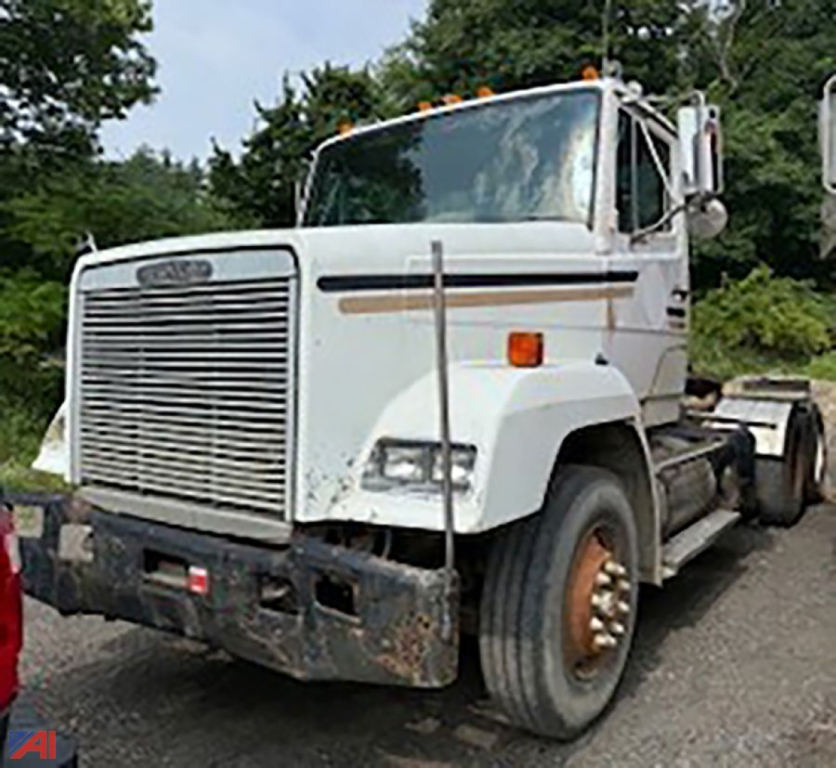
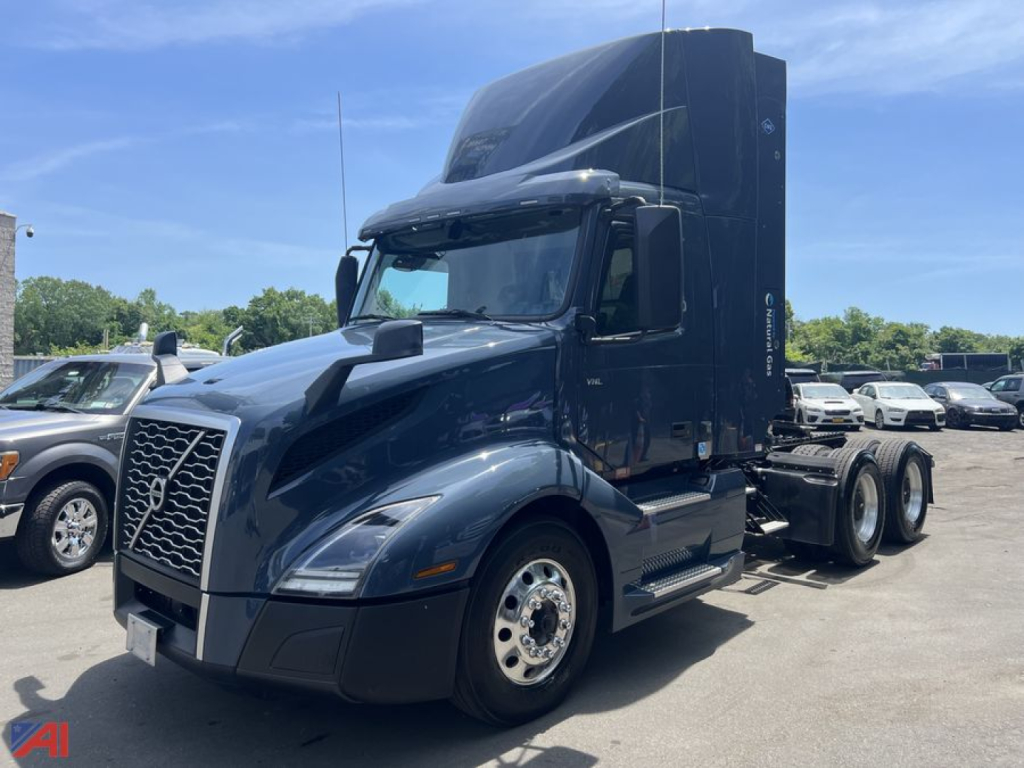
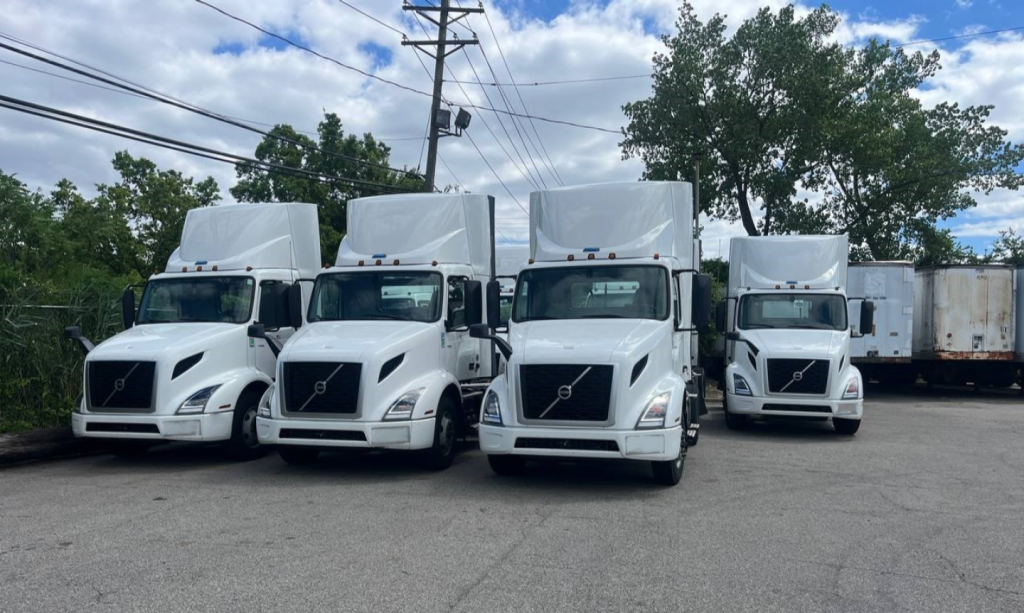
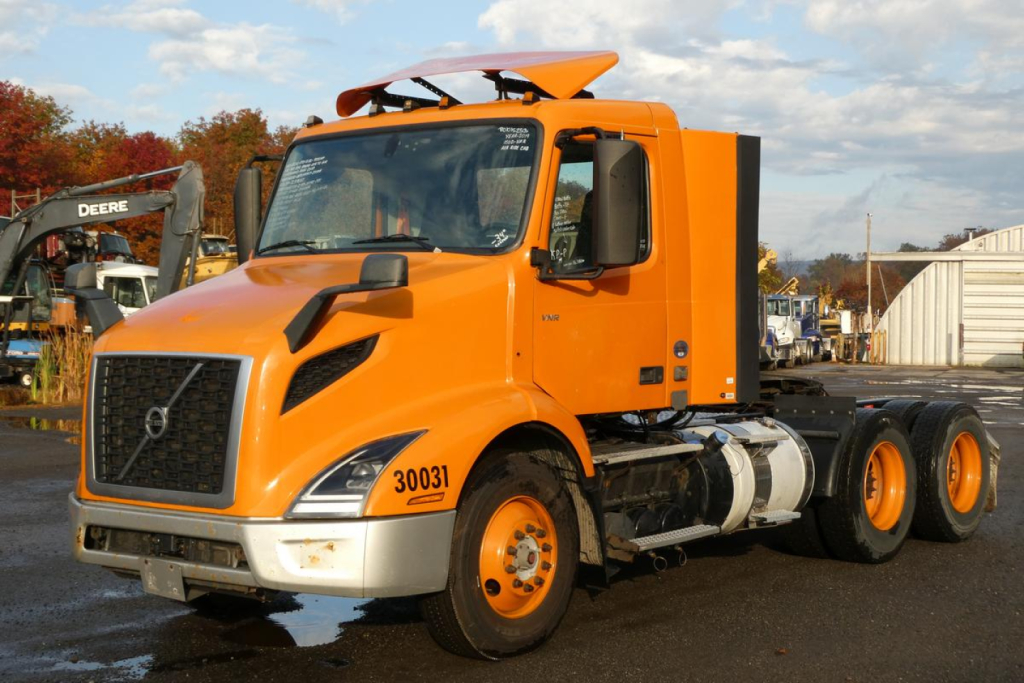
Have used day cab truck to sell? List it here to reach thousands of buyers.
Used Day Cab Trucks in New York
A buyer comparing used day cabs should start with the chassis layout and duty cycle. Common configurations include 4x2 single axle tractors for lighter regional work and 6x4 tandem axle tractors for heavier trailer weights, container hauling, and vocational crossover use. Wheelbases often range from short urban setups in the 150-inch class to longer tractors better suited for highway stability and multi-stop regional lanes. Front axle ratings around 12,000 pounds and rear ratings from 20,000 pounds on single axles up to 40,000 pounds or more on tandems are common. Fifth wheel type, sliding versus fixed, is worth checking if the truck will pull different trailer lengths or needs kingpin setting flexibility. Suspension also matters. Air ride is preferred for ride quality and freight protection, while heavier vocational applications may lean toward more rugged mechanical options.
Powertrain choice is where operating cost gets decided. Late-model used day cabs commonly carry 11 to 13 liter diesel engines from Volvo, Cummins, PACCAR, or Detroit, often paired with automated manual transmissions, though manual gearboxes still show up in older and vocational units. For local and regional freight, engines in the 350 to 455 horsepower range cover most needs, but rear axle ratio and transmission calibration are just as important as horsepower. A truck spec'd for stop-and-go drayage will behave differently from one built for steady regional highway miles. Buyers should pay close attention to engine hours versus odometer, aftertreatment service history, DEF system condition, fault codes, clutch wear on automated manuals, and brake type. Air disc brakes, collision mitigation systems, and lane safety technology are increasingly common on newer day cabs and can be valuable in urban operations with frequent stops and dense traffic exposure.
Cab condition and frame integrity deserve a hard look on any used day cab, especially in the Northeast where corrosion, winter chemicals, and curb contact are part of daily life. Check frame rails, crossmembers, suspension mounts, battery boxes, fairings, and cab steps for rust or impact damage. Inside the cab, seat wear, steering wheel wear, switchgear condition, and telematics history can tell you a lot about how the truck was used. Fuel capacity should match the route structure. Some local units carry modest tank capacity to save weight, while regional tractors may be spec'd with dual tanks. If the truck will work New York ports, distribution centers, or food service lanes, practical details like mirror package, pusher or tag needs, PTO provisions, and tire size can matter more than cosmetic appearance. The best used day cab is not simply the newest one. It is the truck whose axle setup, wheelbase, emissions package, and maintenance history fit the exact freight, roads, and trailer mix it will handle.
Frequently Asked Questions about Used Day Cab Trucks in New York
What is a day cab truck used for?
A day cab truck is a semi tractor without a sleeper berth, designed for local and regional hauling where the driver returns home the same day. Common applications include drayage, port work, warehouse shuttles, dedicated regional freight, LTL support, dump and vocational trailer work, and short-haul container or dry van moves. The shorter cab and lighter overall configuration improve maneuverability and can increase payload efficiency compared with a sleeper tractor.
Is a single axle or tandem axle day cab better?
It depends on the trailer weights, routes, and bridge laws the truck will face. A single axle 4x2 day cab is typically lighter, easier to maneuver, and well suited for lighter regional lanes or urban delivery work. A tandem axle 6x4 day cab is the better fit for heavier freight, container hauling, higher GCWR requirements, and operations that need better traction and durability under load. Buyers should match axle count to legal weight needs first, then consider maneuverability and maintenance cost.
What should I check on a used day cab before buying?
Focus on maintenance records, engine hours, fault codes, emissions system history, transmission operation, brake condition, tire wear, suspension wear, and frame corrosion. On automated manual trucks, confirm clean shifting behavior and look for clutch or actuator issues. Inspect the fifth wheel, frame rails, crossmembers, and air system closely, especially on Northeast trucks exposed to winter road treatment. A used day cab with a sound service history and the right spec is usually a better buy than a newer truck with mismatched gearing or poor upkeep.
What engine size is common in a used day cab truck?
Most used heavy-duty day cabs are powered by diesel engines in the 11 to 13 liter class, typically rated from about 350 to 455 horsepower. That range covers the majority of local, drayage, and regional applications. The right choice depends less on peak horsepower alone and more on torque, rear axle ratio, transmission programming, and how often the truck runs loaded in stop-and-go conditions versus highway miles.
Why does wheelbase matter on a day cab?
Wheelbase affects turning radius, ride quality, trailer clearance, and overall handling. A shorter wheelbase helps in tight city streets, crowded yards, and dock environments, which is a major advantage in urban markets like New York. A longer wheelbase can improve highway stability and may suit heavier or more consistent regional trailer work. Buyers should balance maneuverability against ride and trailer compatibility instead of assuming shorter is always better.