
Used Volvo Day Cab Trucks For Sale in New York
Have used volvo day cab truck to sell? List it here to reach thousands of buyers.
Used Volvo Day Cab Trucks in New York
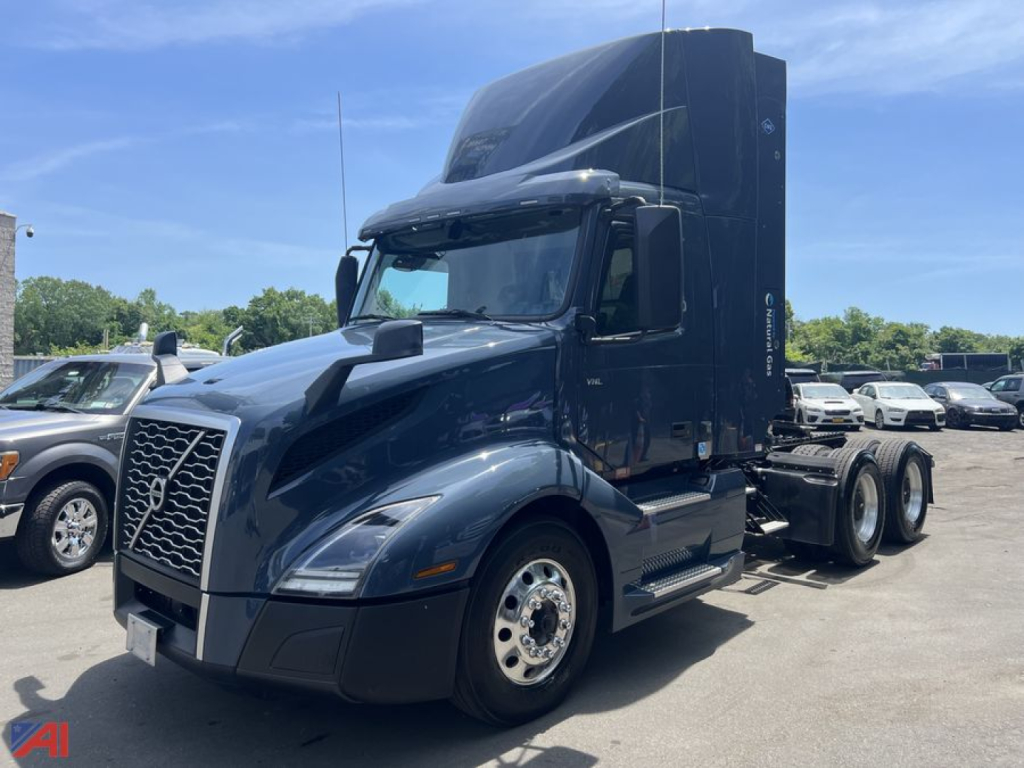
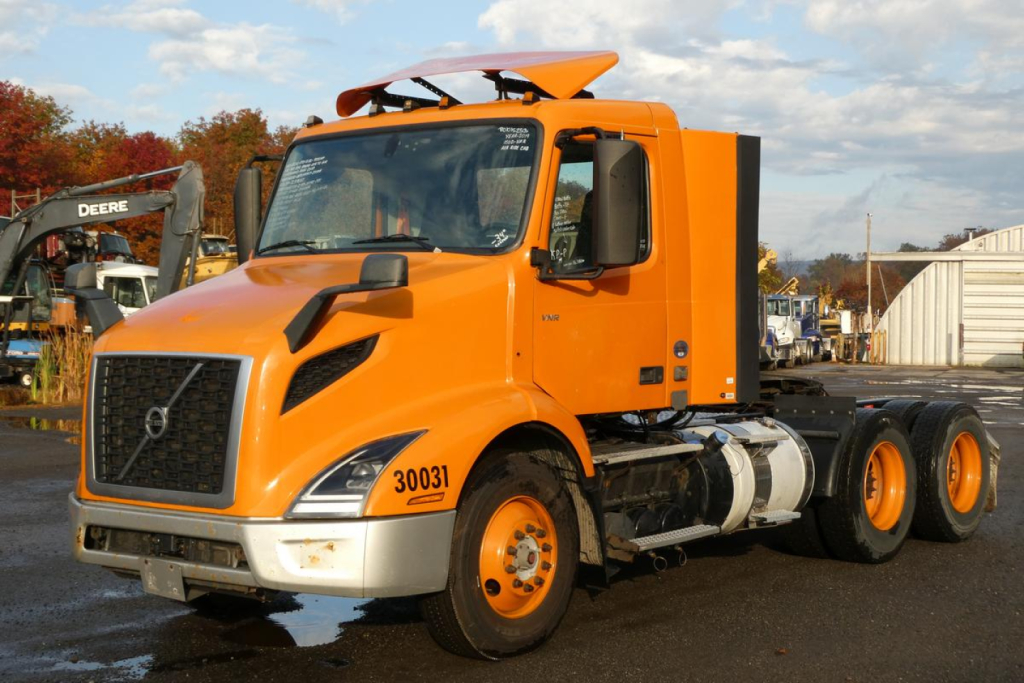
The first buying decision is usually axle setup and wheelbase. A 4x2 single-axle Volvo day cab can make sense for lighter regional lanes, short-haul van or reefer work, and operations where lower empty weight and better fuel economy matter. A 6x4 tandem-axle truck is the better tool for heavier freight, tougher traction conditions, and applications that regularly push axle ratings. Common specs in this class include front axles around 12,000 lbs, rear axle ratings from 20,000 lbs on single-axle units up to 40,000 lbs or more on tandems, and wheelbases that balance trailer swing clearance with city maneuverability. Buyers should also confirm fifth wheel type, frame layout, fuel capacity, and cab-to-axle dimensions if the truck will be matched to a specific trailer or terminal environment.
Volvo powertrain details matter on used day cabs because these trucks are often purchased for high-cycle stop-and-go service. Many used Volvo day cabs are equipped with the D13 engine in ratings around 405 hp, paired with the Volvo I-Shift or AT2612F 12-speed automated manual transmission. That combination is popular because it reduces driver fatigue, shifts consistently in traffic, and typically works well in regional haul applications. Look closely at engine hours versus odometer miles, emission system service history, engine brake operation, and any active fault codes. Suspension and brake setup are also worth checking, including Volvo air ride, air disc brakes versus drum brakes, tire size, and tire wear patterns. A fleet-maintained truck with clean diagnostics and documented preventive maintenance will usually be a better value than a lower-priced unit with unresolved transmission or aftertreatment issues.
For New York buyers, day cabs also need to be evaluated for route realities, not just headline specs. Tight streets, bridge and weight restrictions, toll exposure, and frequent backing all favor a truck with good sightlines, collision mitigation features, and a wheelbase that fits the job. Volvo day cabs are known for a driver-friendly cab layout, comfortable seating position, and strong safety packages on newer models, including options like adaptive cruise and side object detection. A used Volvo day cab can be a cost-effective tractor for operations that need dependable local hauling, but the right choice comes down to axle capacity, drivetrain condition, emissions compliance, and how the truck’s spec matches the freight it will pull every day.
Frequently Asked Questions about Used Volvo Day Cab Trucks in New York
What is the difference between a Volvo VNR day cab and a Volvo sleeper tractor?
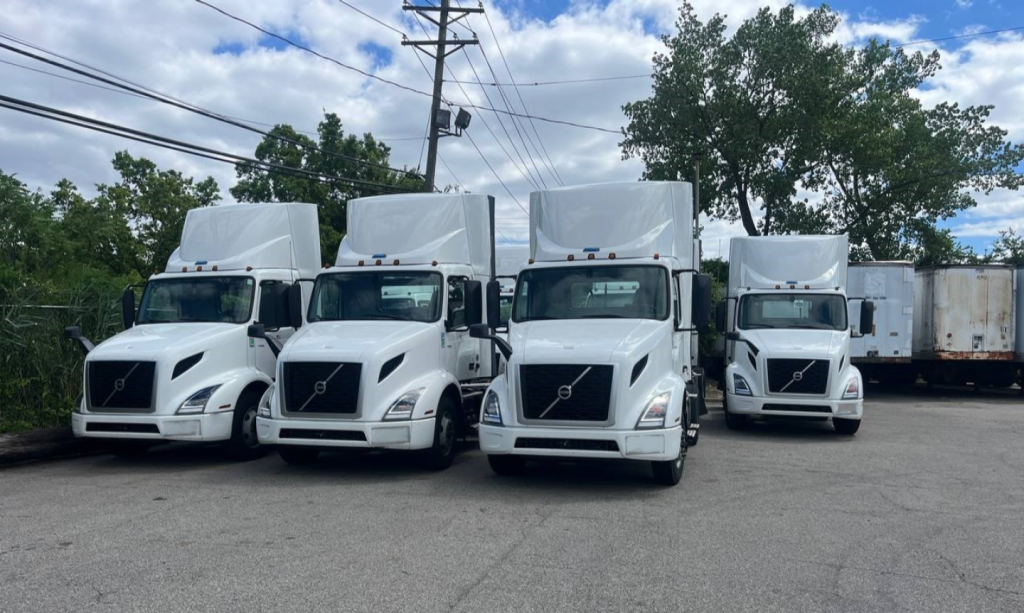
A Volvo day cab is designed for local and regional work where the driver returns home or to the terminal instead of staying overnight in the truck. It has a shorter cab, reduced overall length, and usually a tighter turning profile than a sleeper tractor. That shorter configuration improves maneuverability in city traffic, at loading docks, and in terminal yards. A sleeper tractor is better suited for over-the-road runs that require onboard sleeping space and more storage.
Is a single-axle or tandem-axle Volvo day cab better for my operation?
A single-axle 4x2 Volvo day cab is often the right choice for lighter payloads, regional lanes, and operations focused on lower tare weight and fuel economy. A tandem-axle 6x4 model is typically better for heavier freight, higher gross combination weights, and applications that need more traction or axle capacity. The correct setup depends on trailer type, loaded weights, state bridge laws, and how often the truck operates in congested urban service versus longer regional lanes.
What should I inspect on a used Volvo day cab before buying?
Pay close attention to engine and transmission diagnostics, especially on trucks with Volvo D13 engines and I-Shift automated transmissions. Review mileage, engine hours, fault codes, emission system history, clutch and shift performance, brake condition, suspension wear, and tire wear patterns. It is also important to inspect the frame, fifth wheel, air system, and cab condition. Service records are valuable because they help confirm whether the truck was maintained consistently, which matters on high-cycle day cab applications.
Are Volvo day cab trucks good for New York and Northeast regional hauling?
Yes, Volvo day cabs are commonly used in New York and across the Northeast because they combine highway-capable powertrains with a cab design that works well in tight urban settings. Their visibility, steering feel, and shorter wheelbase options are useful for dock work, city deliveries, drayage, and regional distribution. Buyers should still match the truck to the route by checking axle ratings, wheelbase, fuel capacity, and emissions compliance for the areas where the truck will operate.
What engine and transmission are common in used Volvo day cab trucks?
Many used Volvo day cabs are equipped with the Volvo D13 diesel engine and a 12-speed Volvo I-Shift automated manual transmission. Horsepower ratings around 405 hp are common in regional-spec tractors. This setup is popular because it offers a good balance of fuel economy, drivability, and enough power for van, reefer, and general freight applications. On a used truck, the value of that powertrain depends heavily on maintenance history, diagnostic health, and how the truck was previously operated.