
Used Volvo Day Cab Trucks For Sale
Shop used Volvo day cab trucks built for regional haul, port drayage, P&D, and local fleet work with efficient Volvo powertrains.
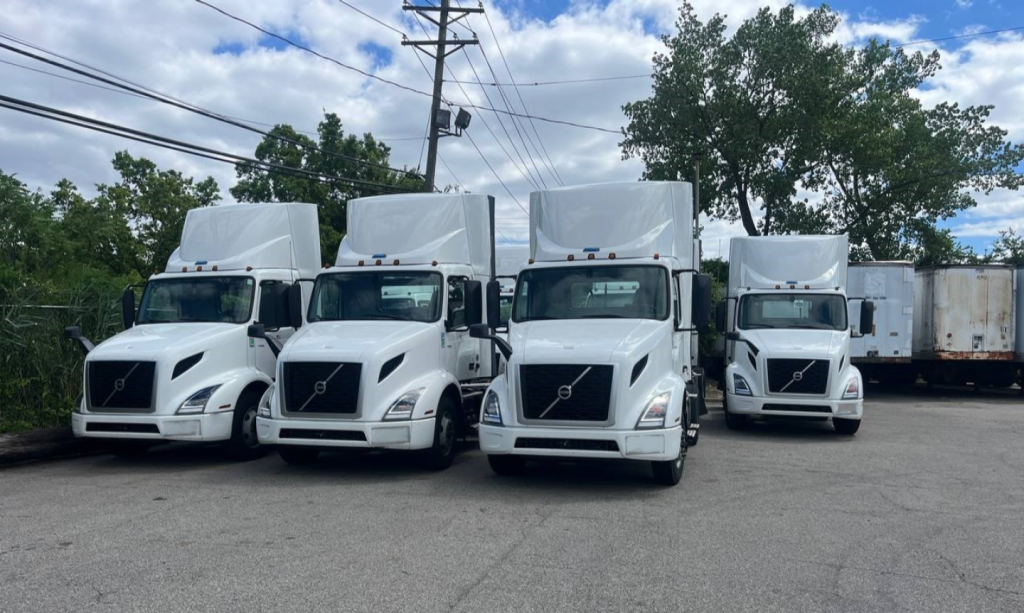
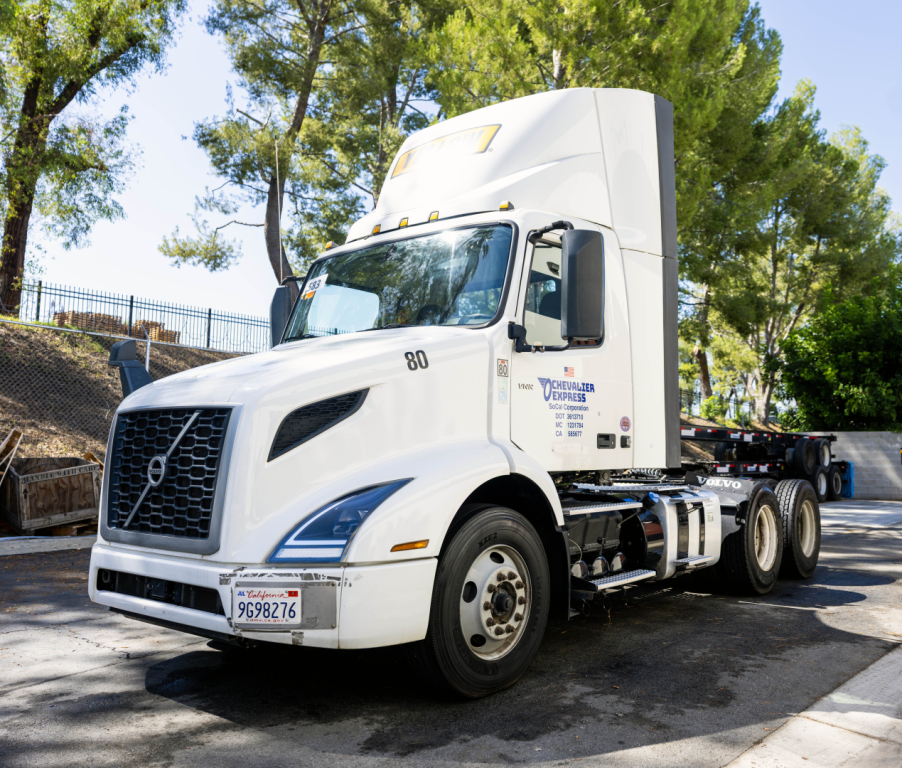
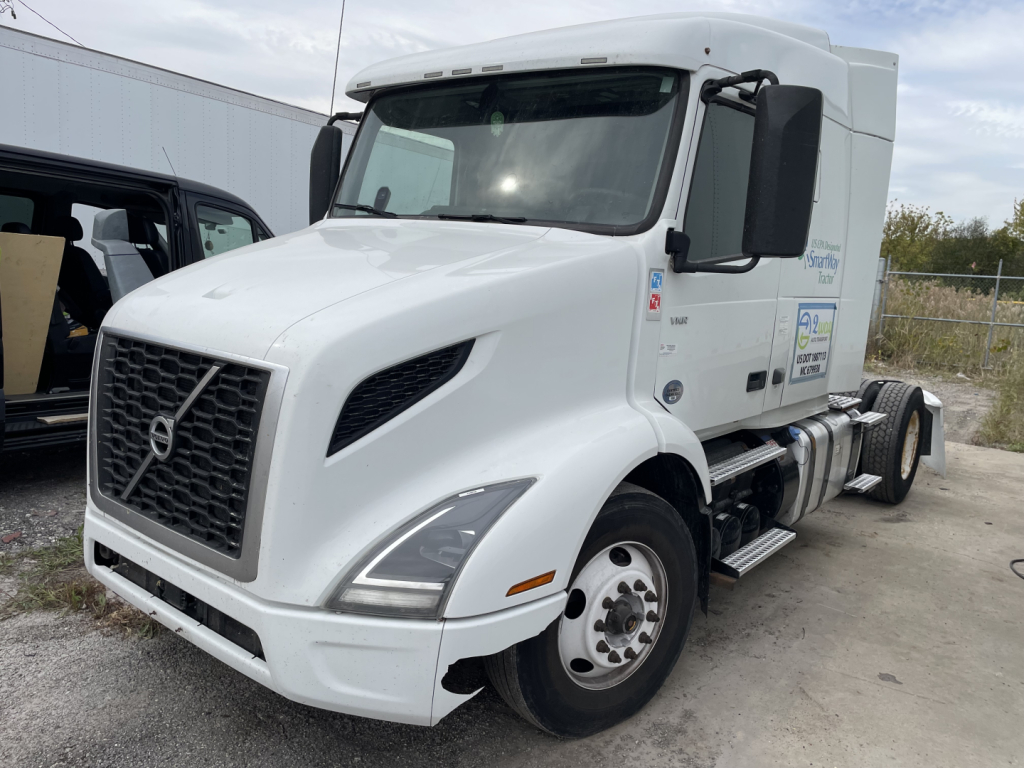
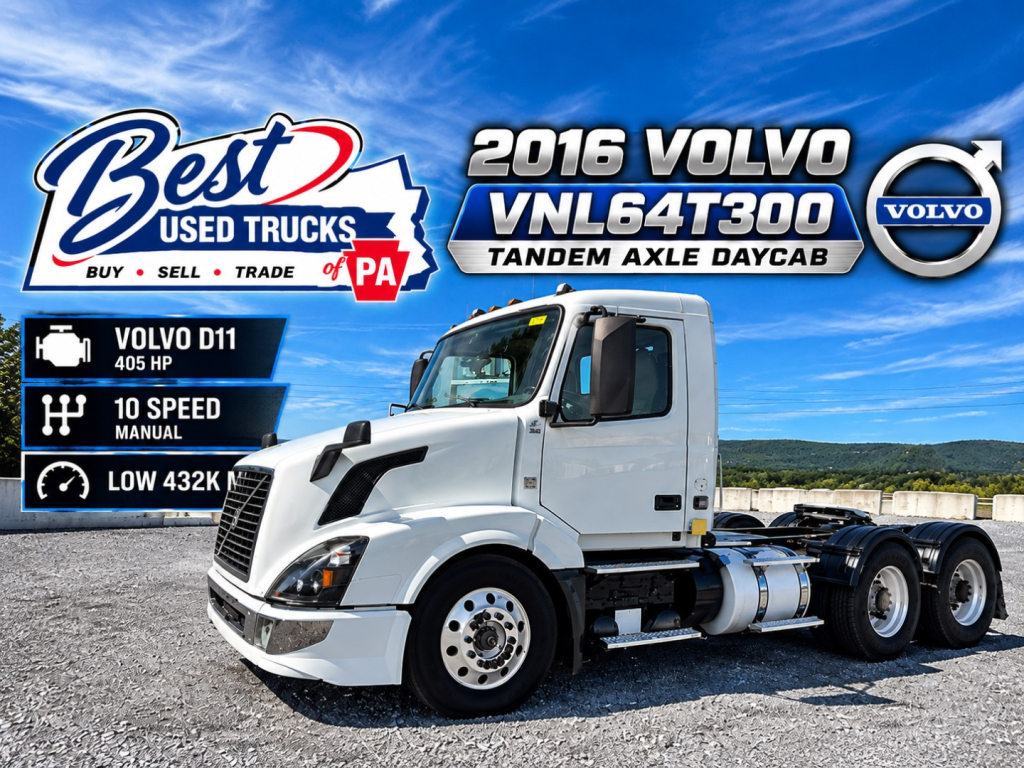
Selling a used volvo day cab truck? List your used volvo day cab truck for sale and reach thousands of commercial buyers.
Used Volvo Day Cab Trucks
Powertrain selection is one of the biggest decision points on a used Volvo day cab. Many are spec’d with the Volvo D11 or D13 diesel, often paired with the Volvo I-Shift automated manual transmission. The D13 in the 405 to 455 horsepower range is common in fleet service because it balances fuel economy with enough torque for stop-and-go freight and highway merges. Rear axle ratios such as 2.47, 2.64, or 3.08 can tell you a lot about the truck’s intended use. Faster ratios tend to favor fuel economy on regional lanes, while deeper ratios can be better for heavier starts and dense city work. It also pays to check for engine brake spec, DEF system history, and whether the truck has collision mitigation or lane support features that became more common on newer Volvo day cabs.
Chassis details matter just as much as engine specs. On used Volvo day cab trucks, look closely at suspension type, frame layout, front and rear axle ratings, fifth wheel setup, and brake package. Volvo corporate air ride is popular for ride quality and driver comfort, and many later-model units are equipped with air slide fifth wheels and air disc brakes. Wheelbase and cab-to-axle dimensions affect trailer gap, bridge law flexibility, and turning performance in tight terminals. Fuel capacity can vary widely, so a truck with larger dual tanks may be better for regional out-and-back runs, while a lighter local spec may prioritize payload and lower operating weight.
Condition on a used Volvo day cab should be evaluated with fleet service history in mind, not just mileage. These trucks are often worked hard in short-haul cycles, so engine hours, idle time, clutch or transmission behavior, suspension wear, aftertreatment maintenance, and brake life all deserve a close look. A lower-mile truck with high idle hours may need a different level of scrutiny than a highway-run unit with more miles. Volvo day cabs are well regarded for driver ergonomics, visibility, and integrated powertrain performance, so the best value usually comes from matching the spec to the route, trailer type, and average payload instead of chasing model year alone.
Frequently Asked Questions about Used Volvo Day Cab Trucks
What is the difference between a Volvo VNR day cab and a Volvo VNL day cab?
The Volvo VNR day cab is generally designed for regional and urban operations, with a more compact profile that helps in tighter traffic and dock environments. The Volvo VNL day cab is typically oriented more toward highway and linehaul use, often with a roomier feel and specs that support longer regional runs. Both can be configured for local or regional work, but the VNR is commonly chosen when maneuverability and city access are priorities.
Is a used single axle Volvo day cab enough for commercial hauling?
A single axle Volvo day cab can be a very efficient choice for the right application, especially local delivery, lighter regional freight, and operations where lower empty weight and better fuel economy matter. It is not the best fit for every load profile. If the truck will be pulling heavier trailers, operating in drayage, or running routes that demand more traction and axle capacity, a tandem axle 6x4 day cab is usually the better long-term fit.
What should I check first on a used Volvo day cab truck?
Start with the powertrain and operating history. Review engine hours, mileage, fault codes, aftertreatment records, and transmission performance, especially on I-Shift equipped trucks. Then inspect axle ratings, suspension condition, brake type and remaining life, tire wear patterns, and fifth wheel operation. On Volvo day cabs used in stop-and-go service, idle hours, DEF system maintenance, and signs of repeated clutch or shift issues can be just as important as odometer reading.
Are Volvo I-Shift transmissions good for day cab applications?
The Volvo I-Shift is widely used in day cab service because it can improve shift consistency, reduce driver fatigue, and help protect the driveline in fleet operations. It is especially useful in urban and regional work with frequent starts and stops. On a used truck, the key is not just whether it has an I-Shift, but whether it shifts cleanly, engages gears consistently, and has a documented maintenance and software update history.
What horsepower is common in a used Volvo day cab?
Many used Volvo day cab trucks are equipped in the 405 to 455 horsepower range, most often with a Volvo D13 engine. That range is common because it supports regional hauling, local freight, and general tractor duty without over-spec’ing the truck. The right horsepower depends on terrain, average gross weight, trailer type, and how much stop-and-go work the truck sees. For many buyers, torque rating and rear axle ratio are just as important as the advertised horsepower number.