
Volvo Day Cab Trucks For Sale
Shop Volvo day cab trucks with D11 and D13 power, I-Shift options, 6x4 tandems, and regional specs built for short-haul freight.
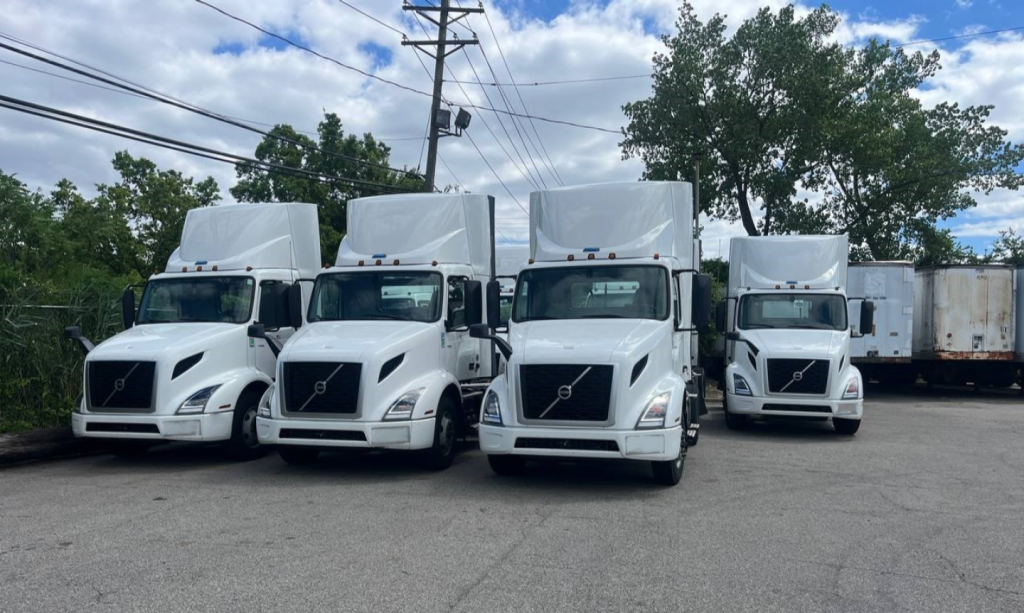
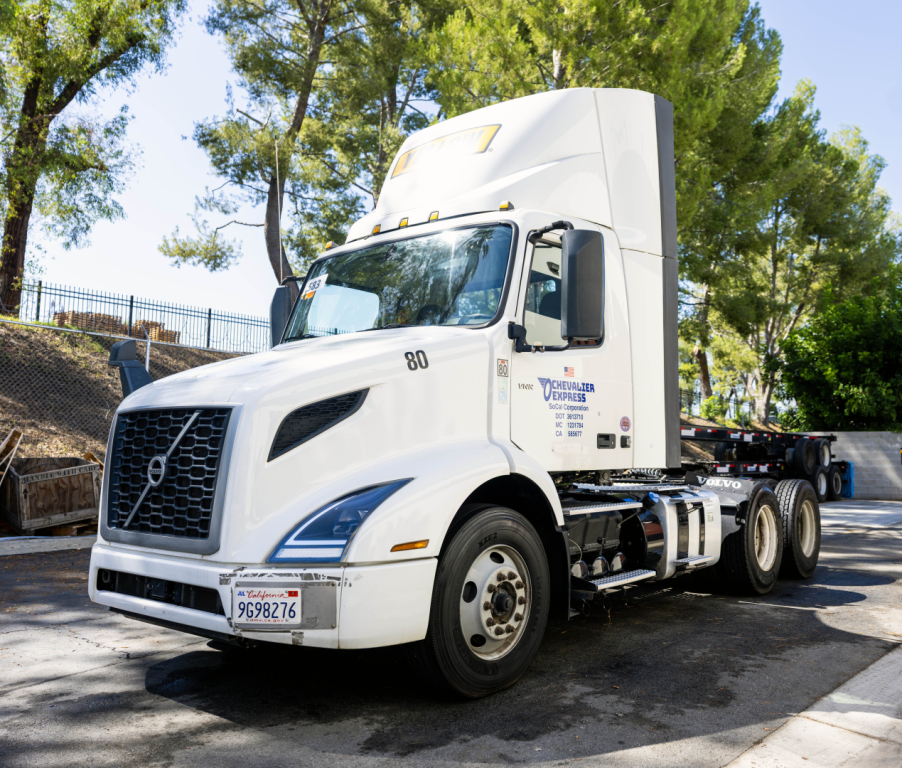
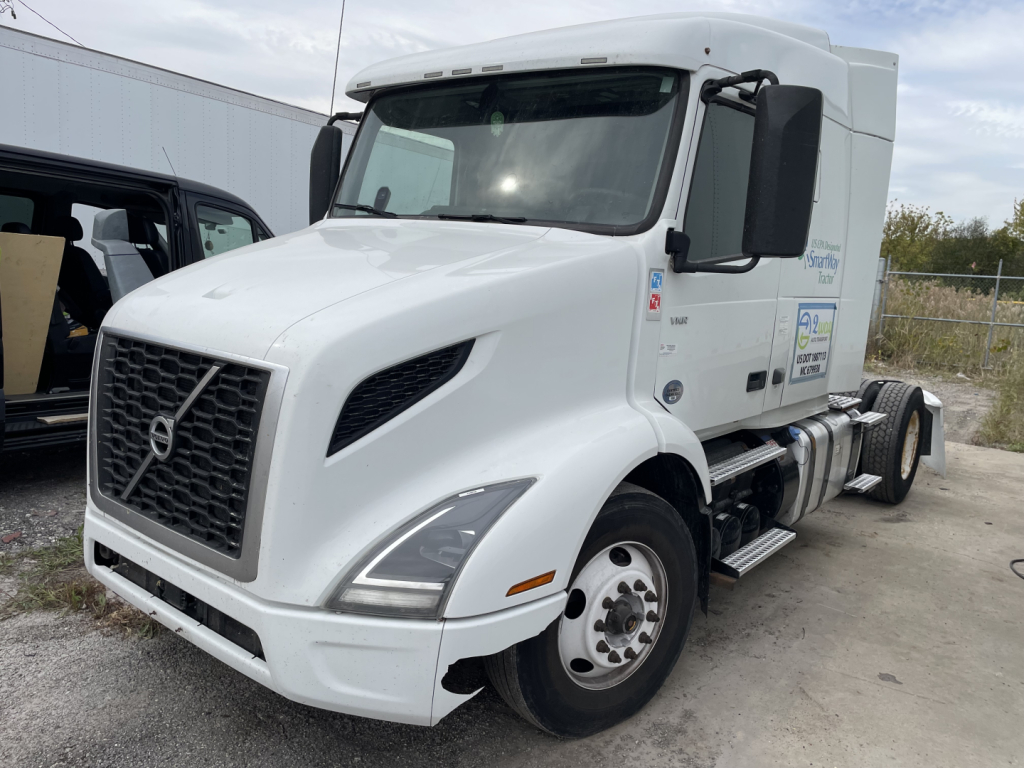
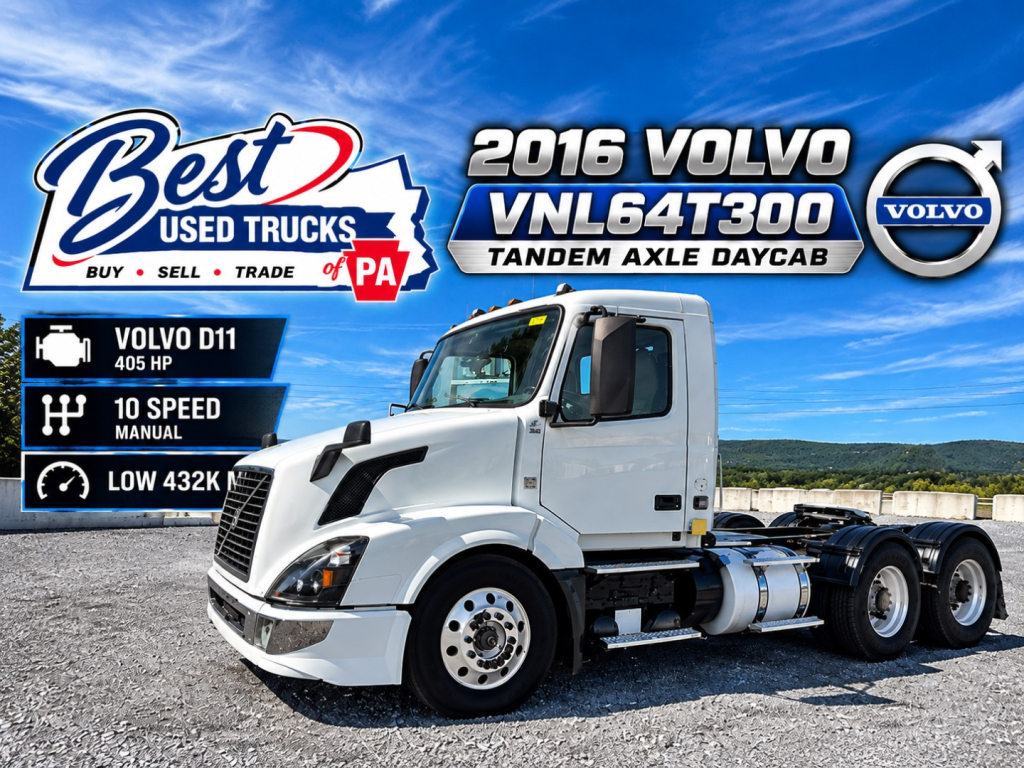
Selling a volvo day cab truck? List your volvo day cab truck for sale and reach thousands of commercial buyers.
Volvo Day Cab Trucks
The first decisions are usually engine, transmission, and axle setup. Most Volvo day cabs on the market are spec'd with Volvo D11 or D13 engines, commonly paired with the Volvo I-Shift automated manual. Horsepower and torque vary by application, but regional and highway day cabs are often set up for fuel economy with faster rear axle ratios, while heavier vocational or drayage work may call for more torque and a deeper ratio. Tandem axle 6x4 configurations are common, often with 12,000 to 13,000 lb front axles and 40,000 lb rears. Wheelbase, cab-to-axle, and fifth wheel position matter if the truck will pull different trailer lengths, work in tight yards, or run where bridge laws and kingpin settings affect trailer flexibility.
Ride and brake spec deserve close attention on a Volvo day cab because they directly affect operating cost and driver retention. Air ride suspension is common, and many late-model trucks include air disc brakes, which can improve stopping performance and reduce brake service variability. Tire size, wheel type, frame spec, and fuel capacity should match the route profile. A regional tractor running short turns may prioritize lighter weight and maneuverability, while a day cab covering longer interstate miles may need larger tanks, fairings, and a more highway-oriented ratio. Inside the cab, Volvo is known for a practical dash layout, good visibility, and ergonomic seating, all of which matter in multi-stop service.
Used Volvo day cab buyers should pay close attention to emissions history, transmission operation, idle hours, and maintenance records. On D13-equipped units, it is smart to review DEF system service, aftertreatment performance, and any fault history tied to sensors or dosing components. On I-Shift trucks, smooth engagement, gear selection, and clutch calibration history are worth checking, especially on higher-mileage units. Suspension wear, steering components, frame condition, and brake life are also key, particularly on trucks that have seen city duty, container hauling, or frequent docking cycles. A well-matched Volvo day cab can be a strong choice for fleets and owner-operators who need a modern aerodynamic tractor without the extra length and weight of a sleeper.
Frequently Asked Questions about Volvo Day Cab Trucks
What is a Volvo day cab truck best used for?
A Volvo day cab is best suited for regional freight, local and dedicated lanes, drayage, LTL operations, and distribution work where the driver returns home daily. It removes the sleeper to save weight, shorten overall length, and improve maneuverability. That makes it a practical choice for fleets working terminals, city routes, drop-and-hook freight, and short to medium highway runs.
What engines are common in Volvo day cab trucks?
Most Volvo day cab trucks are equipped with Volvo D11 or D13 diesel engines. The D11 is often chosen for lighter regional applications where fuel economy and lower weight are priorities, while the D13 is common in heavier regional and highway service because it offers more torque and broader spec flexibility. The right engine depends on gross weight, terrain, trailer type, and average route length.
Is the Volvo I-Shift a good transmission for a day cab?
The Volvo I-Shift is one of the most common transmissions in this category because it is designed to improve fuel economy, reduce driver fatigue, and deliver consistent shift performance in stop-and-go service. It is especially useful in regional haul and urban freight where frequent shifting is part of the job. When shopping used units, buyers should confirm the transmission engages cleanly, shifts smoothly, and has no active fault or calibration issues.
What specs matter most when comparing Volvo day cabs?
The most important specs are engine rating, transmission type, axle configuration, rear axle ratio, suspension, wheelbase, and brake setup. Buyers should also look at front and rear axle ratings, fifth wheel type, fuel capacity, tire size, and cab-to-axle measurement. Those details determine how well the truck fits the trailers, payload, route density, and operating environment.
What should I inspect on a used Volvo day cab truck?
Focus on engine fault history, aftertreatment performance, transmission behavior, brake condition, suspension wear, steering play, and frame integrity. Review maintenance records for DPF cleaning, DEF system repairs, and major drivetrain service. High idle hours, uneven tire wear, hard shifting, or recurring emissions faults can signal future expense, especially on regional tractors with high mileage or heavy stop-and-go use.