
Used Day Cab Trucks For Sale
Used day cab trucks for sale, including regional haul and vocational spec tractors with common Class 8 engines, wheelbases, PTO, and air ride.
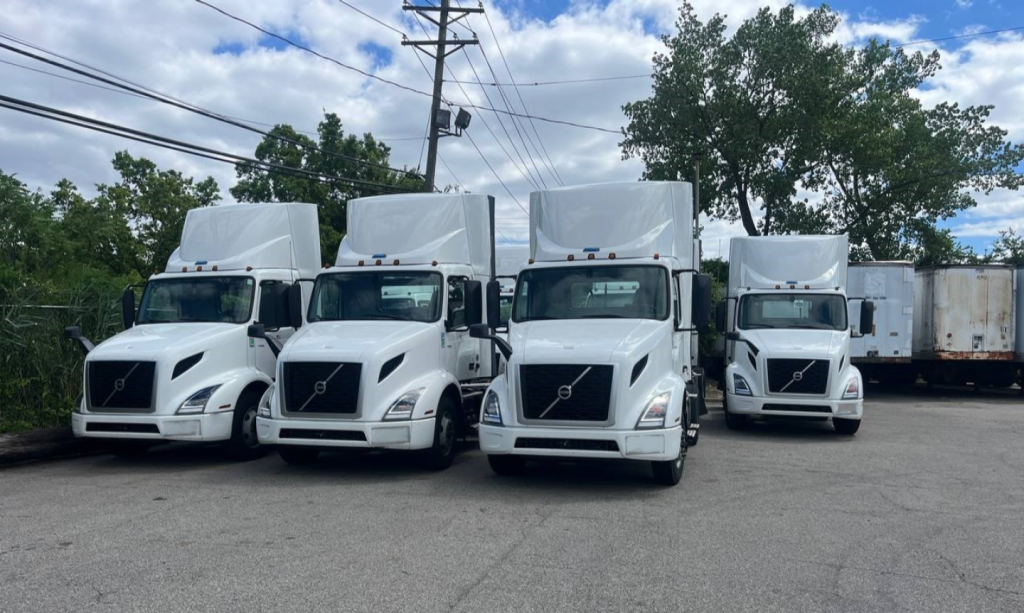
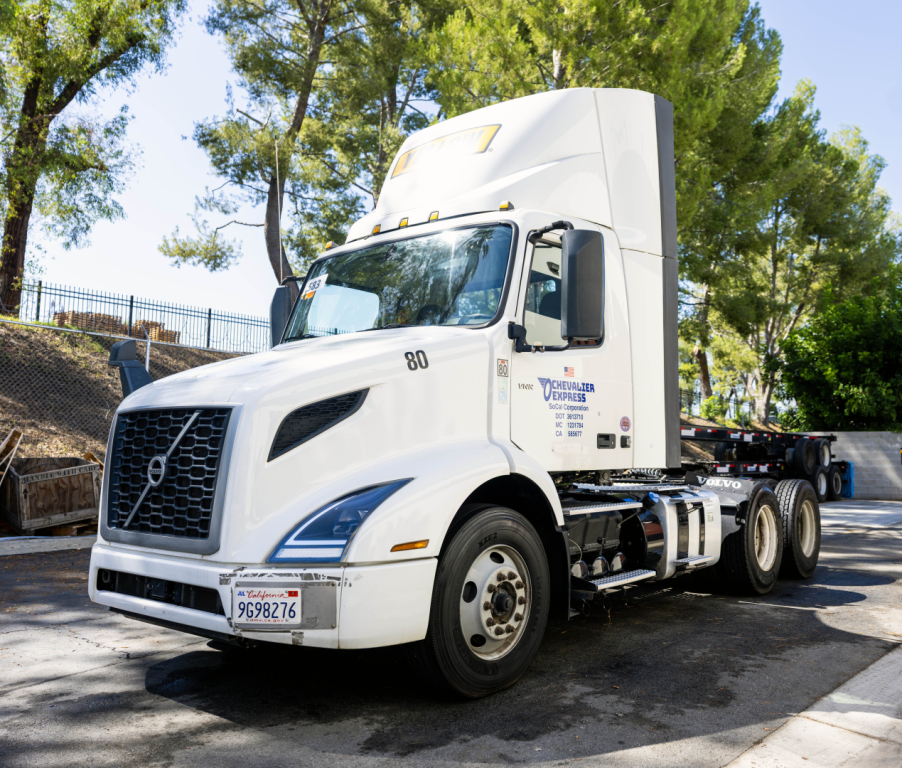
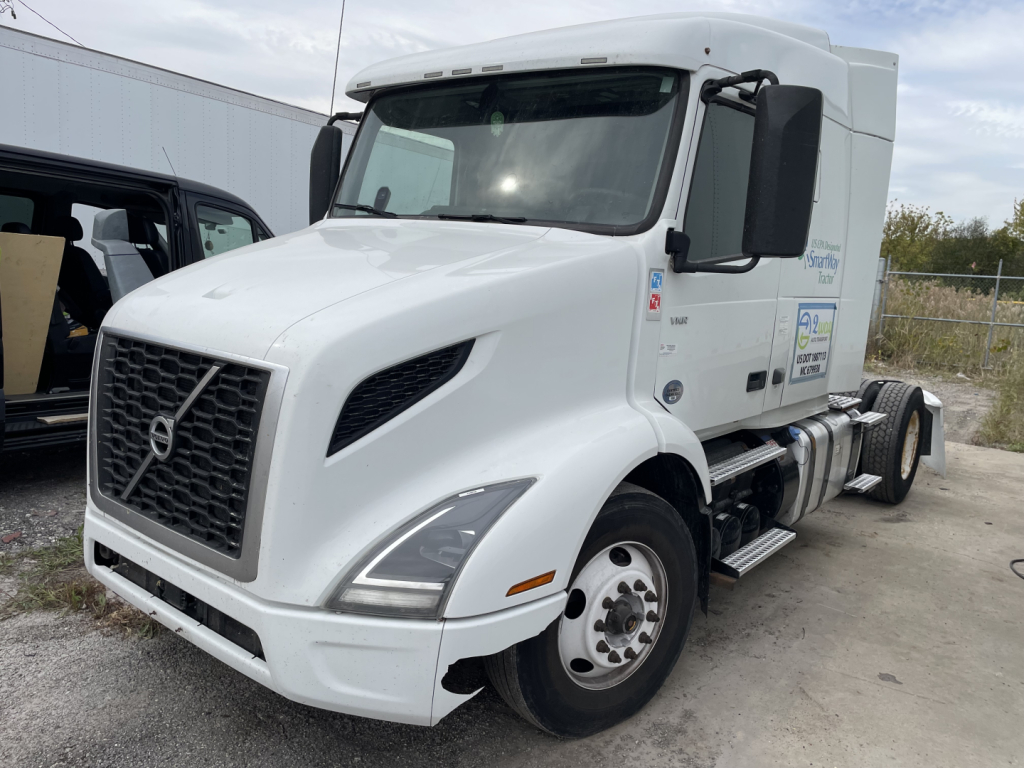
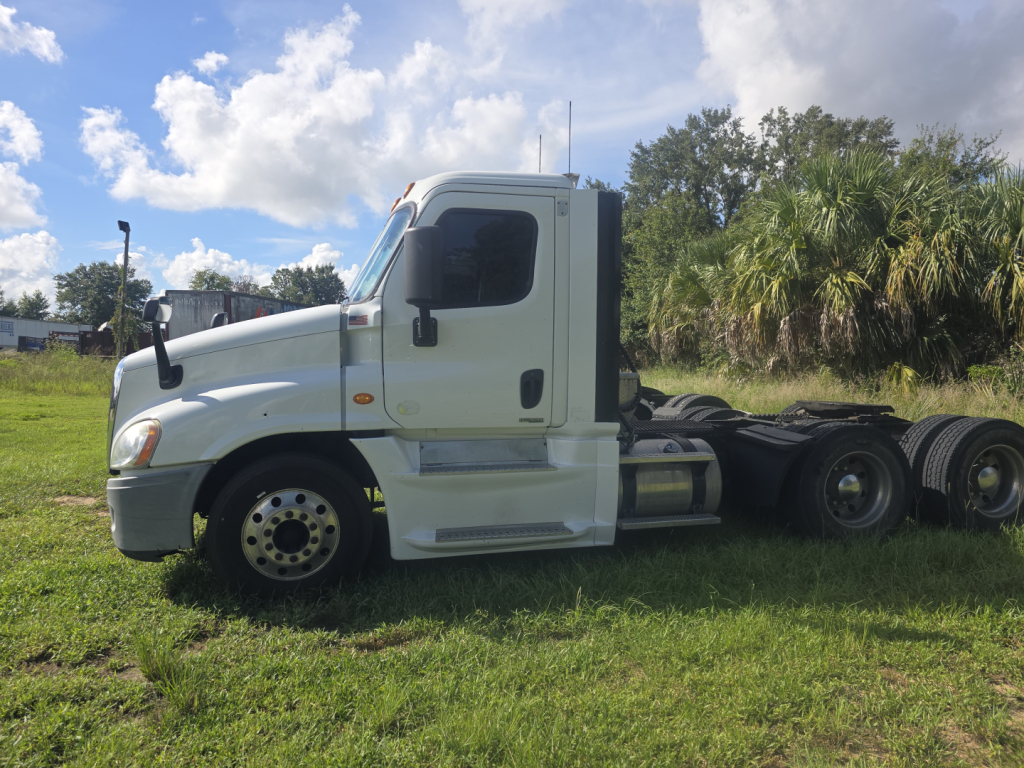
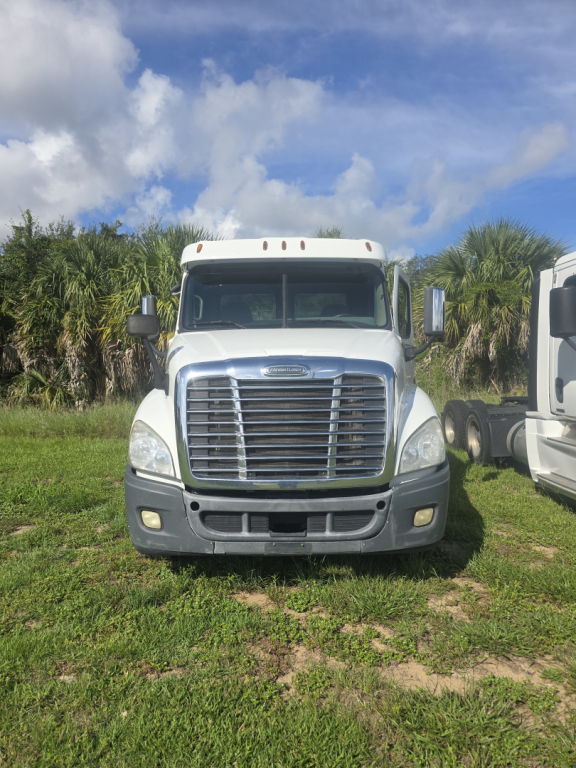
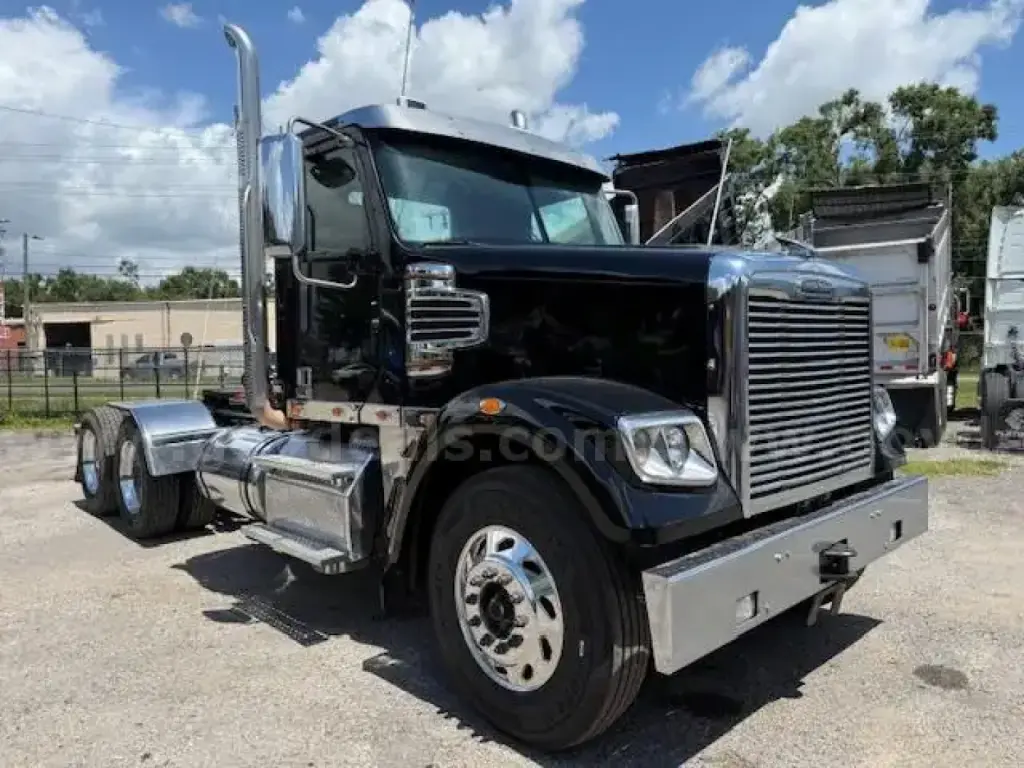
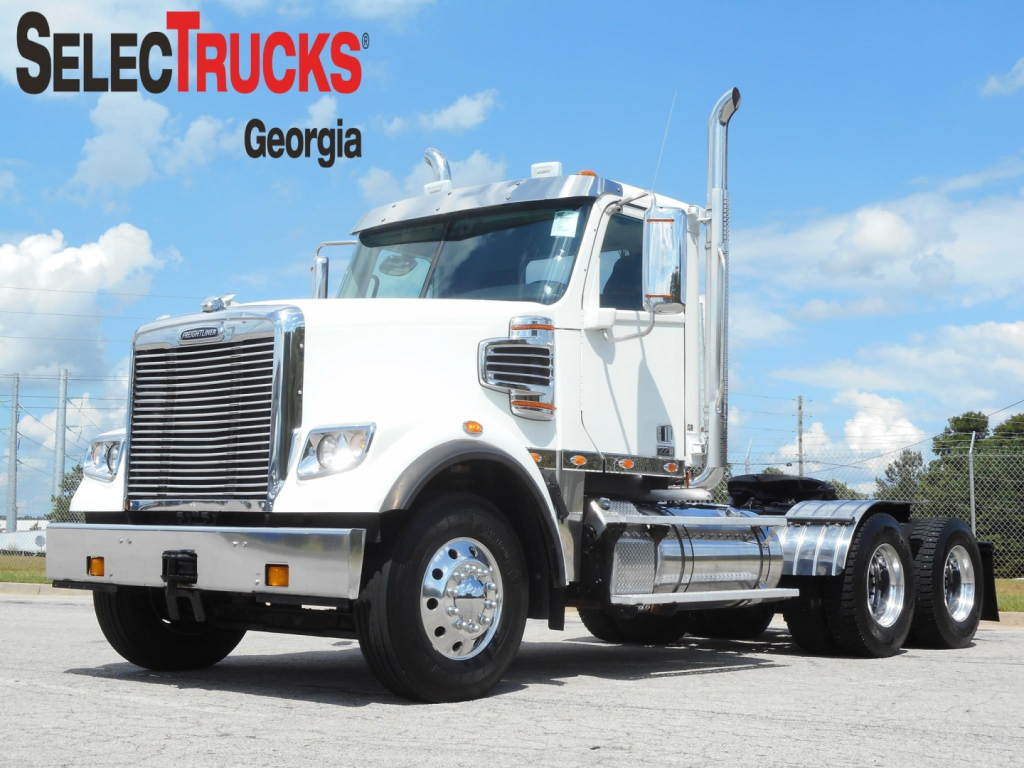
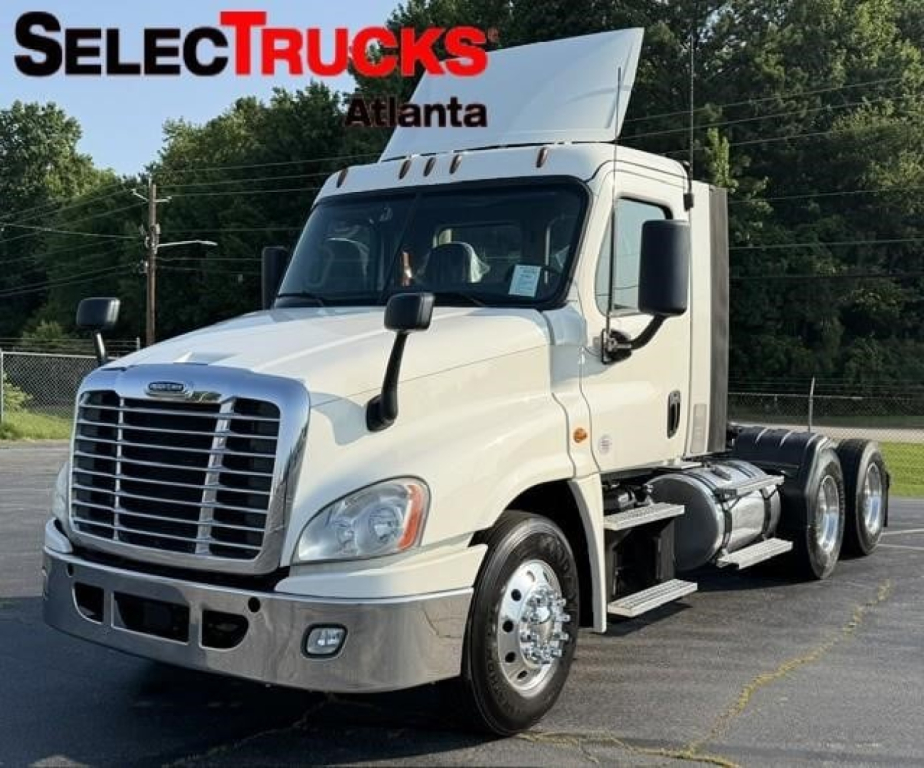
2017 Freightliner Cascadia 125
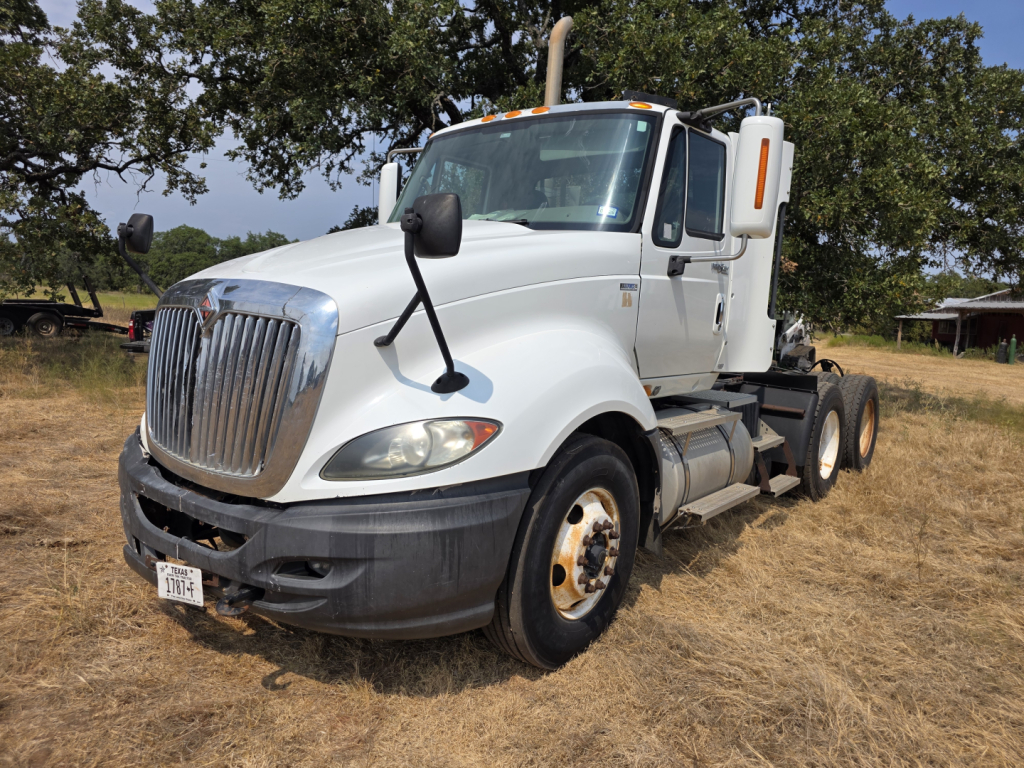
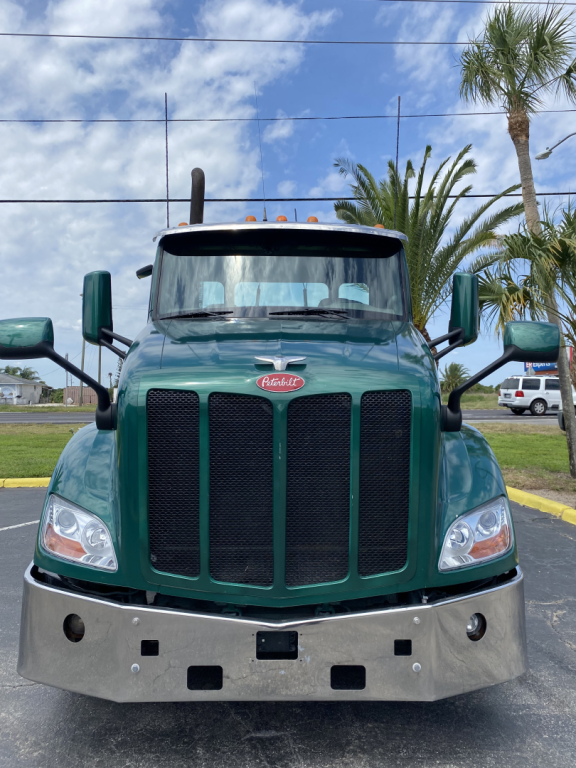
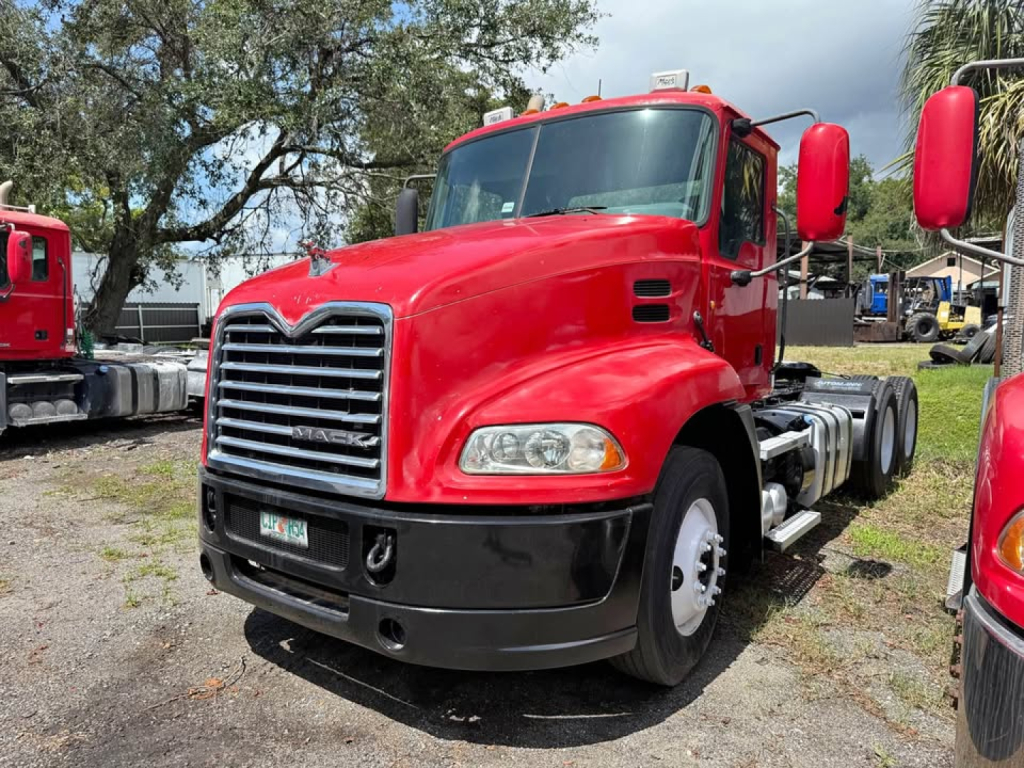
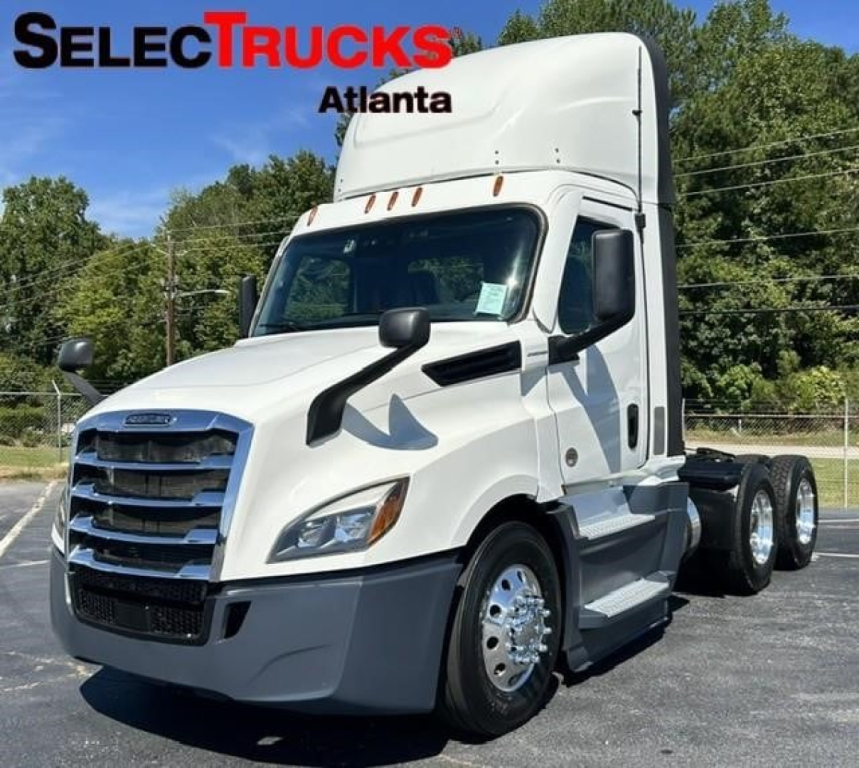
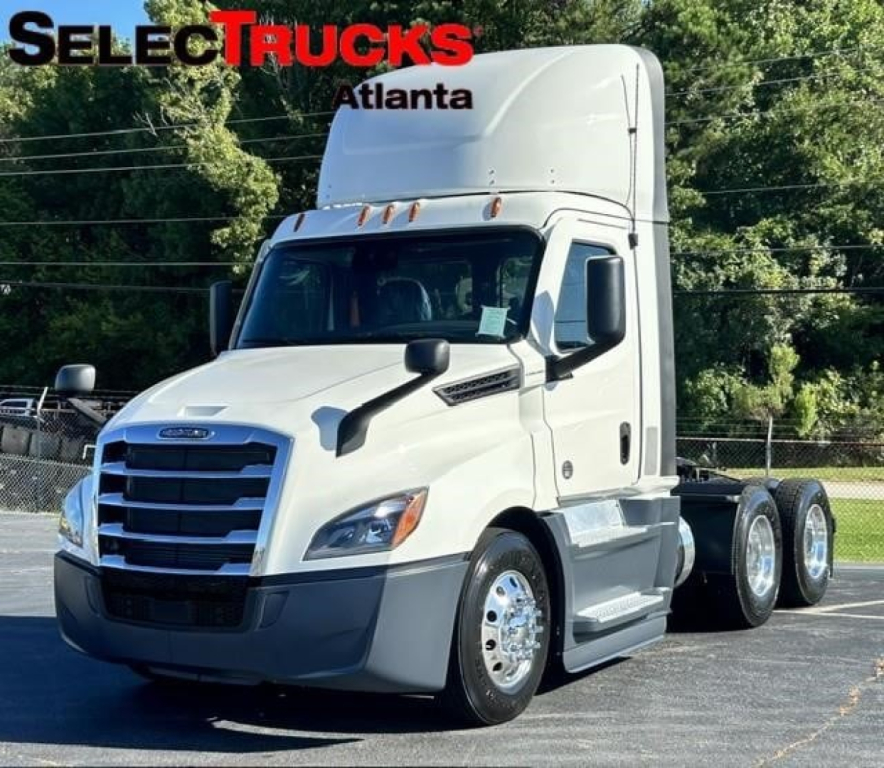
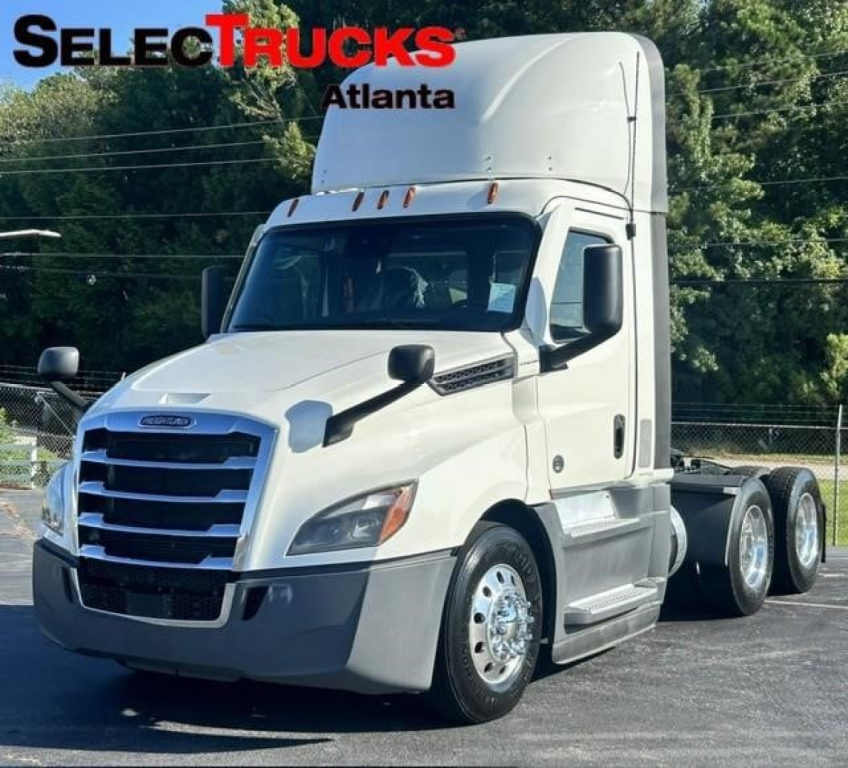
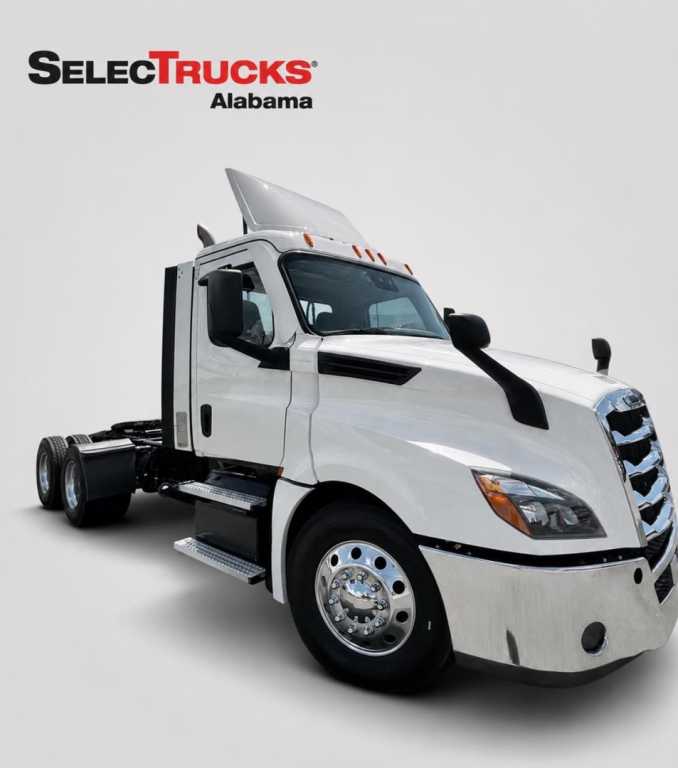
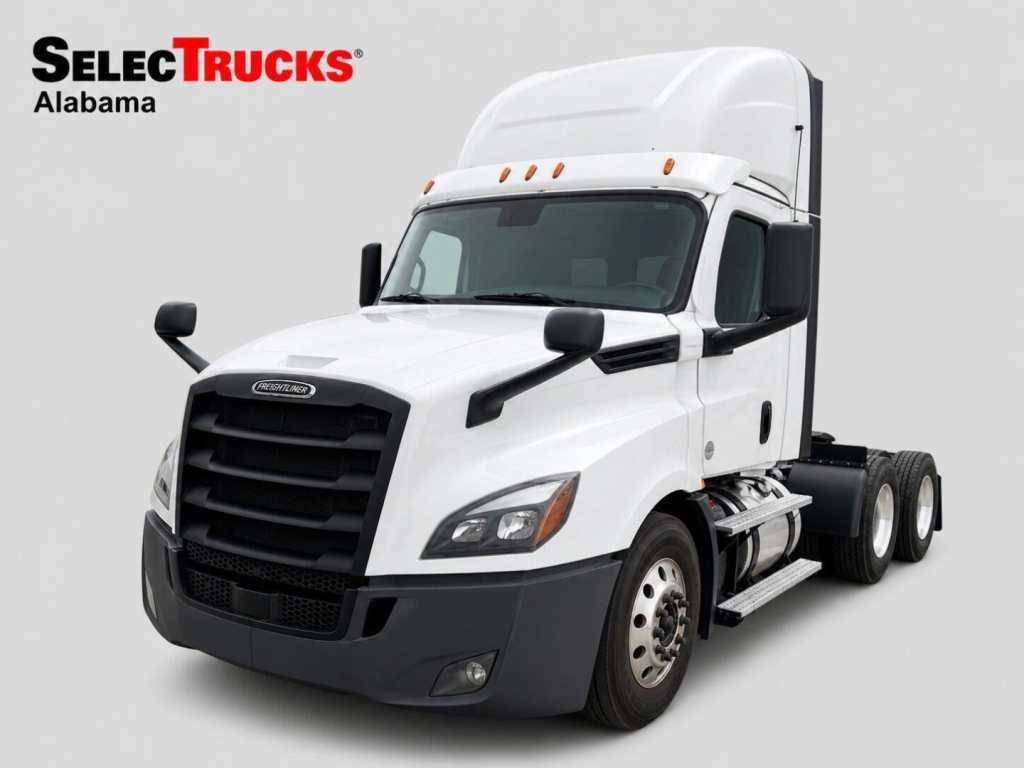
2021 Freightliner Cascadia 126
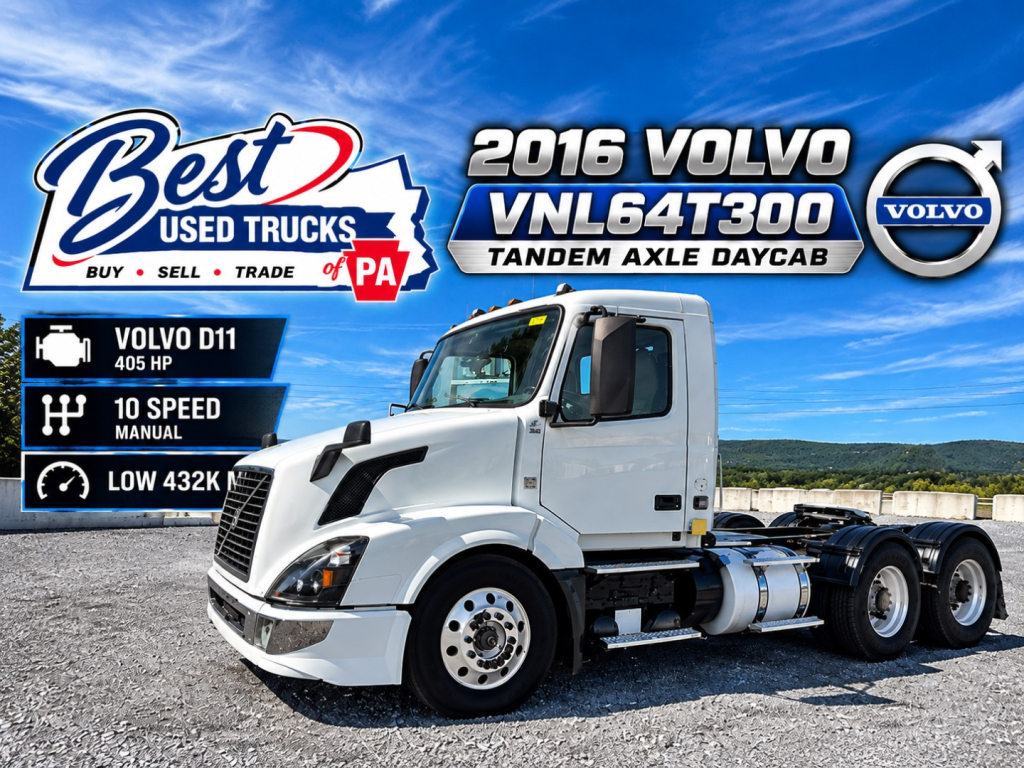
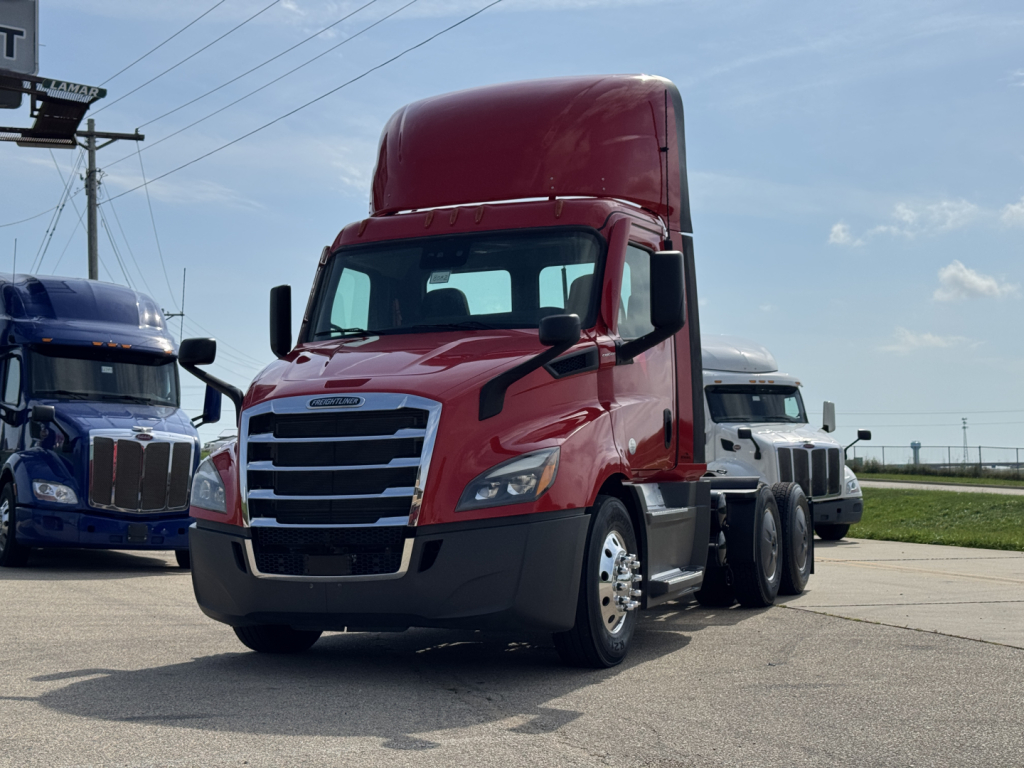
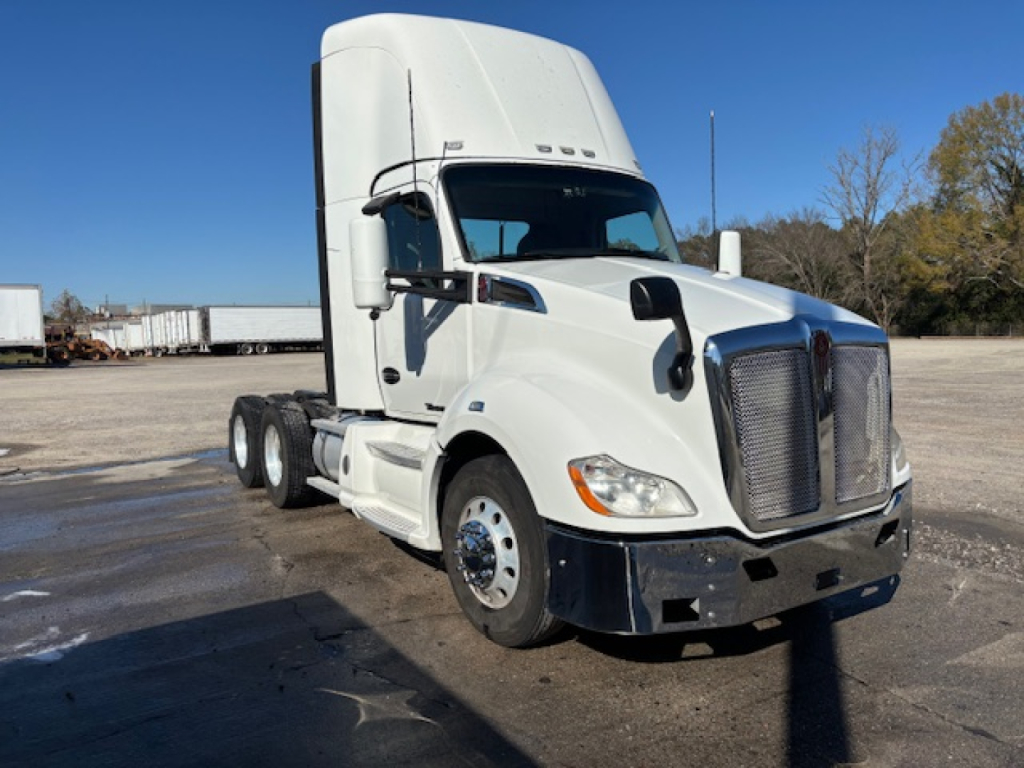
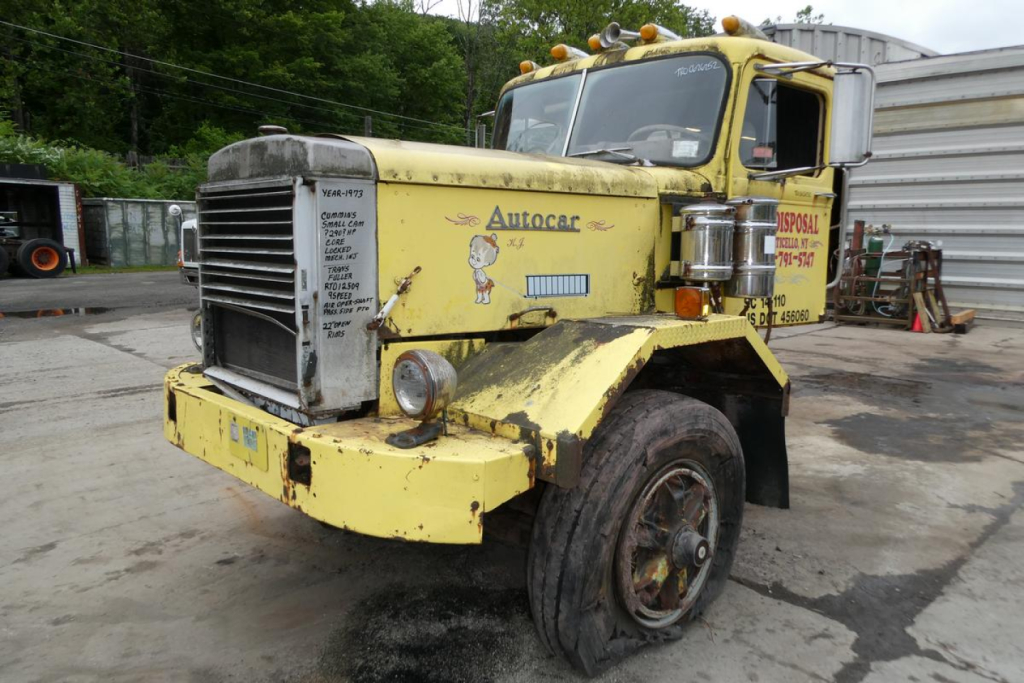

Selling a used day cab truck? List your used day cab truck for sale and reach thousands of commercial buyers.
Used Day Cab Trucks
Spec choice matters more in a used day cab than model year alone. Wheelbase is a major decision point because it affects turning radius, bridge laws, trailer gap, and how the truck carries added equipment like headache racks or wet kits. Many used day cabs fall in the roughly 170-inch to 220-inch wheelbase range. Shorter wheelbases fit tight terminals and city work, while longer specs can ride better and support more frame-mounted equipment. Engine ratings commonly land between about 400 and 450 horsepower, paired with 10-speed, 12-speed automated manual, or traditional manual transmissions. Rear axle ratios can vary widely, from faster highway gearing in the mid-2s to more vocational 4.11-type ratios that favor startability and lower-speed pulling.
A serious buyer should look closely at front axle rating, rear axle rating, suspension type, brake configuration, and fifth wheel setup. Many day cabs carry 12,000 to 14,000 pound front axles and 40,000 pound rears, with air ride suspension being common for regional freight. Sliding fifth wheels add flexibility across trailer lengths and kingpin settings, while fixed setups may suit dedicated operations. Wet line systems, PTO provisions, air slide fifth wheels, differential locks, engine brakes, collision mitigation, and air disc brakes can all add value depending on the job. Tire size, wheel material, fuel capacity, and cab-to-axle measurement also deserve attention because they directly affect operating cost, payload, and trailer compatibility.
On a used truck, condition and service history should drive the final decision. Pay attention to total miles, engine hours, rebuild documentation, aftertreatment condition, transmission behavior, and signs of hard yard or vocational use such as frame modifications, cab wear, and suspension fatigue. Check for active fault codes, verify that emissions equipment is intact, and confirm whether the truck has a single frame or double frame if the application demands heavier body or hydraulic equipment. A well-matched used day cab can be a cost-effective tractor for regional lanes or specialized local work, but the best value comes from matching horsepower, gearing, wheelbase, and equipment to the trailers and routes the truck will actually handle.
Frequently Asked Questions about Used Day Cab Trucks
What is a day cab truck used for?
A day cab truck is used for operations where the driver does not need a sleeper berth. Common uses include regional haul, local freight, port drayage, dedicated trailer pulls, dump and pneumatic work, and shuttle runs between terminals or plants. The shorter cab helps with maneuverability, lowers empty weight, and can improve access in tight urban or industrial environments.
What wheelbase is best for a used day cab truck?
The best wheelbase depends on the route and trailer setup. A shorter wheelbase generally improves turning radius and works well in city delivery, container yards, and crowded docks. A longer wheelbase can improve ride quality, help distribute weight, and provide more room for PTO equipment, wet kits, or frame-mounted accessories. Buyers should compare wheelbase with cab-to-axle measurement, trailer swing clearance, and kingpin setting requirements before choosing.
Are automatic transmissions common in used day cab trucks?
Yes. Automated manual transmissions are very common in late-model used day cabs, especially in regional freight applications. Systems like DT12, I-Shift, and similar 12-speed AMTs can reduce driver fatigue, help with fuel economy, and simplify hiring. Manual 9-speed and 10-speed transmissions are still found in older or more vocational specs, and some fleets prefer them for simplicity or driver familiarity.
What should I inspect first on a used day cab tractor?
Start with engine and transmission condition, then move to emissions components, axle ratings, suspension, brakes, and fifth wheel setup. Review mileage, engine hours, service records, and any rebuild paperwork. Check for fault codes, signs of aftertreatment problems, clutch or AMT shift issues, uneven tire wear, frame damage, and evidence of heavy PTO or vocational use. The truck should be evaluated against the exact trailer type, loaded weight, and route profile it will be expected to handle.
Can a used day cab be equipped for PTO or wet line work?
Yes. Many day cab tractors are configured or can be configured for PTO-driven applications such as dump trailers, walking floors, pneumatic trailers, and other hydraulic systems. Buyers should confirm whether the truck already has a PTO, pump, hydraulic tank, and plumbing, or if it only has provisions for a wet kit. Frame space, transmission compatibility, and intended hydraulic demand all matter when evaluating a used PTO-capable day cab.