
Used Mack Day Cab Trucks For Sale
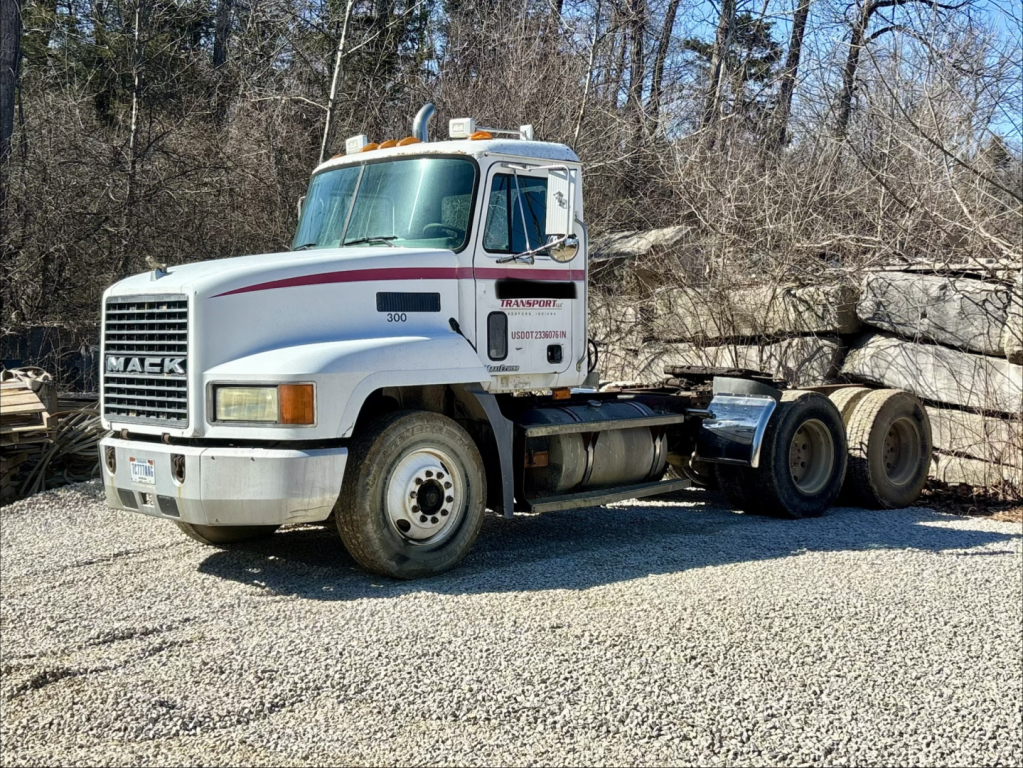
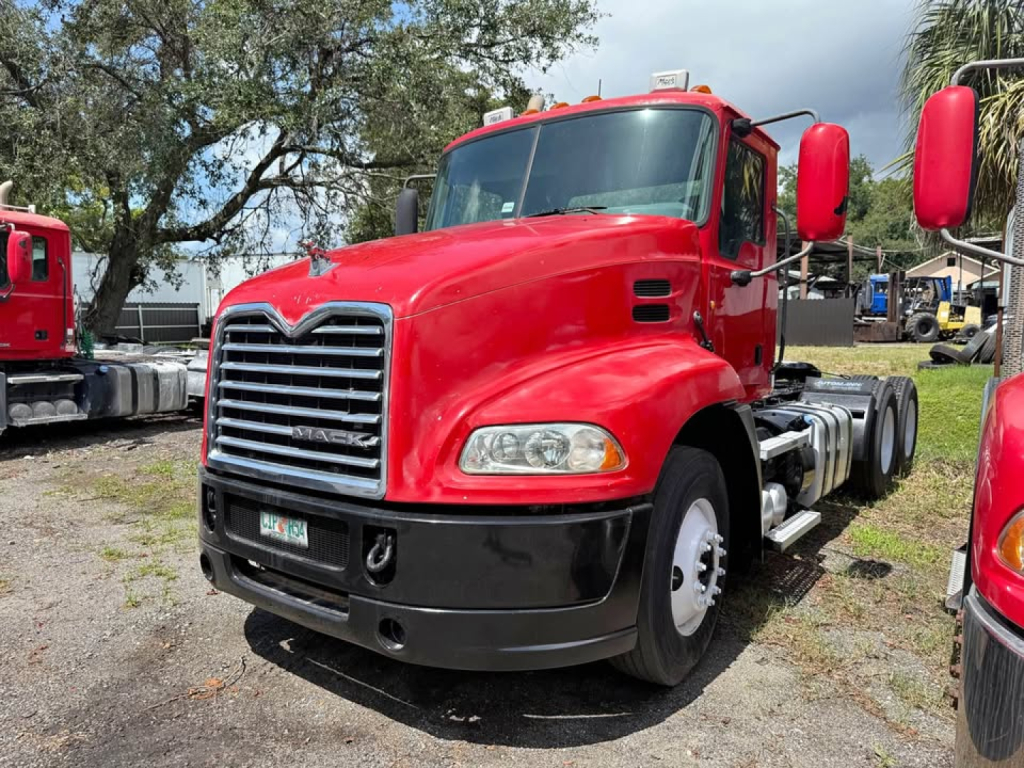
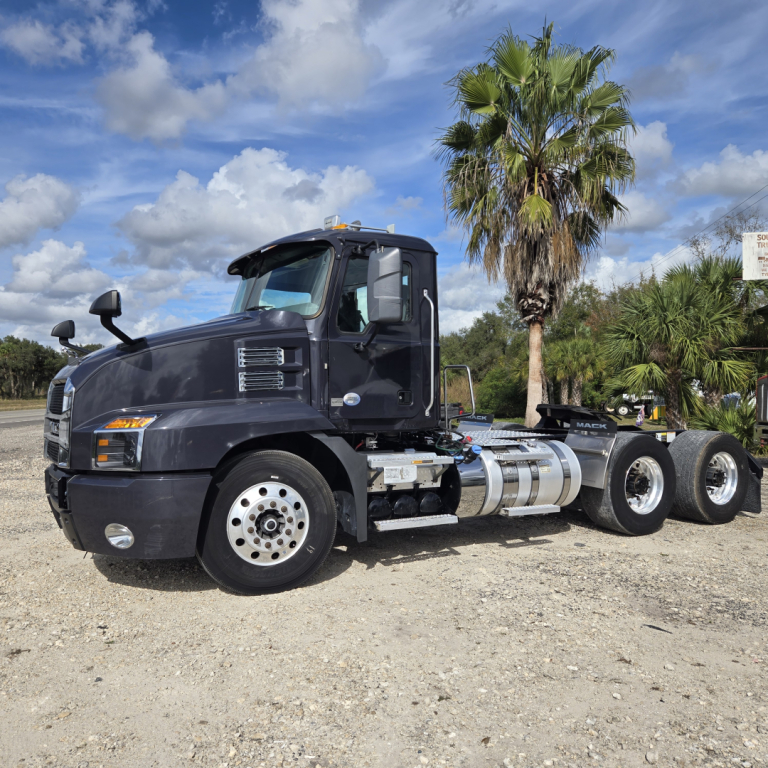
Have used mack day cab truck to sell? List it here to reach thousands of buyers.
Used Mack Day Cab Trucks
On the used market, Mack day cabs are often represented by models like the CXU613 and Anthem day cab. Buyers will typically see Mack MP7 and MP8 diesel engines, with horsepower ratings commonly ranging from the low 300s into the 400-plus hp range depending on spec. MP7-equipped trucks are a common fit for regional freight and fuel-conscious operations, while MP8-powered units are better suited for heavier gross weights and more demanding terrain. Many used Mack day cabs are paired with automated manual or full automatic transmissions, though some fleets still prefer manual setups for certain applications. Wheelbase, rear axle ratio, and suspension spec have a major impact on how the truck performs with van, flatbed, tanker, dump, or container chassis work.
The best used Mack day cab is the one whose spec matches the route. A shorter wheelbase helps in city work, terminals, and crowded docks, while a longer wheelbase may improve ride quality and allow better bridge law flexibility depending on the trailer and kingpin setting. Air ride suspension is common and generally preferred for ride quality and freight protection, but buyers should also look closely at axle ratings, fifth wheel condition, frame integrity, PTO provisions if vocational use is planned, and brake configuration. If the truck will spend time in ports, construction support, or refuse-adjacent operations, pay attention to cooling system condition, idle hours, transmission calibration, and evidence of heavy stop-and-go use.
Mack has a strong reputation for rugged drivetrains and vocational durability, which makes a used Mack day cab appealing for operations that want a truck with a work-focused design and broad parts support. A careful buyer should review maintenance records, engine hours, emissions system history, suspension wear, tire condition, and any signs of frame modification or prior collision repair. For emissions-era trucks, confirm the status of the DPF, DEF, EGR, and related sensors, especially on units that have spent their life in low-speed regional service. When the spec is right, a used Mack day cab can be a cost-effective choice for consistent local and regional revenue work.
Frequently Asked Questions about Used Mack Day Cab Trucks
What are Mack day cab trucks typically used for?
Mack day cab trucks are commonly used for regional freight, local delivery, drayage, tanker work, flatbed hauling, and vocational applications that return to base daily. A day cab deletes the sleeper, which reduces weight and shortens overall length, making the truck easier to maneuver in terminals, city streets, and customer yards. They are a practical choice for routes where driver rest space is not needed.
What is the difference between a Mack MP7 and MP8 in a day cab?
The Mack MP7 is generally favored for regional applications where fuel economy and lighter weight are priorities, while the MP8 is often selected for heavier payloads, steeper grades, and higher gross combined weights. Both are common in used Mack day cabs, but the right choice depends on trailer type, average load, terrain, and duty cycle. Buyers should compare horsepower, torque, rear axle ratio, and transmission pairing rather than looking at engine model alone.
Are automatic transmissions common in used Mack day cabs?
Yes. Many used Mack day cabs are equipped with automated manual or automatic transmissions because they reduce driver fatigue, improve consistency in stop-and-go service, and can help fleets with driver recruiting and training. They are especially common in regional haul and urban operations. The important point is to verify shift quality, clutch calibration where applicable, and service history before purchase.
What should I inspect first on a used Mack day cab?
Start with the engine and emissions system history, then move to the transmission, suspension, frame rails, fifth wheel, and brake condition. Review maintenance records for DPF cleaning intervals, DEF system repairs, injector or turbo work, and any major cooling system service. Also check tire wear patterns, steer axle play, air system leaks, and signs of hard vocational use such as frame drilling, corrosion, or excessive wear around the suspension and hitch area.
How important is wheelbase on a Mack day cab?
Wheelbase is one of the most important spec decisions because it affects turning radius, ride quality, weight distribution, and trailer compatibility. A shorter wheelbase is usually better for city delivery, port work, and crowded yards. A longer wheelbase can improve highway stability and may help with certain trailer setups and bridge law requirements. Buyers should match wheelbase to trailer length, kingpin setting, and the space constraints of their daily routes.