
Mack Day Cab Trucks For Sale
Shop Mack day cab trucks built for regional haul, port work, and local delivery with MP engines, durable chassis specs, and driver-friendly cabs.
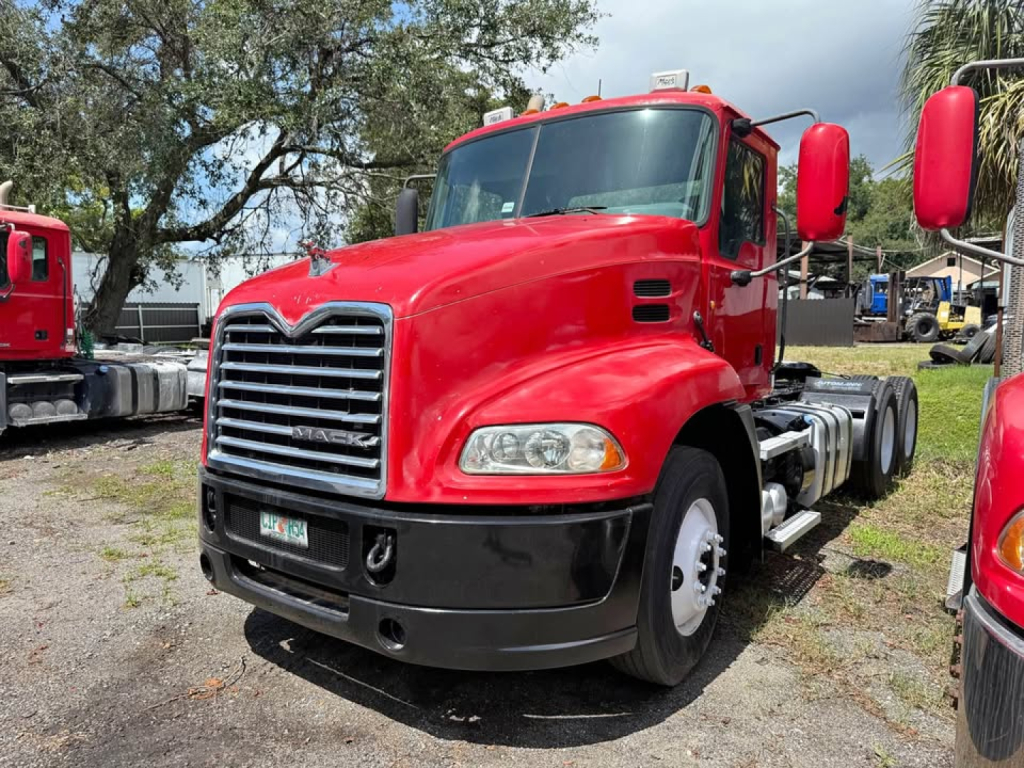
Selling a mack day cab truck? List your mack day cab truck for sale and reach thousands of commercial buyers.
Mack Day Cab Trucks
A common Mack day cab spec centers on the MP7 engine, often in horsepower ratings suited for regional service, paired with an automated manual or automatic transmission for stop-and-go efficiency and driver turnover reduction. Depending on the series and build, you may also see Mack highway-oriented platforms such as the Anthem configured as a day cab tractor with air ride suspension, aerodynamic bodywork, and wheelbases tailored to trailer swing clearance and bridge law requirements. Buyers should look closely at rear axle ratio, suspension type, fuel capacity, and fifth wheel placement, since those details affect launch performance, cruise RPM, turning radius, and trailer compatibility.
Cab condition and chassis history matter just as much as engine specs on a used Mack day cab. Check for frame modifications, PTO provisions if the truck will support hydraulic trailer work, and signs of excessive idle time if the unit came out of urban or port service. Brake type, tire condition, emissions system service history, and cooling system maintenance are especially important on regional tractors that spend their lives in frequent start-stop cycles. Mack's integrated powertrain appeal comes from matching the engine, transmission, and axles for drivability and durability, so a well-maintained spec can be a strong fit for fleets that want predictable operating behavior and straightforward service support.
The best Mack day cab for sale is the one matched to route density, trailer weight, and terminal environment. A shorter wheelbase can be a better choice for city docks and tight yards, while a longer wheelbase may improve ride quality and stability in steady regional lane work. If the truck will run heavy every day, pay attention to horsepower, torque, and gross combination weight expectations rather than shopping by model year alone. Mack day cabs are known for robust construction and practical driver layouts, making them a solid option for carriers that need a tractor designed to work hard and return home daily.
Frequently Asked Questions about Mack Day Cab Trucks
What is a Mack day cab truck best used for?
A Mack day cab truck is best suited for regional hauling, local delivery, port drayage, short-route linehaul, and other operations where the driver returns home daily. Because it does not have a sleeper, the truck is typically lighter and more maneuverable than a comparable sleeper tractor. That makes it a practical choice for fleets focused on payload, tight turning environments, and frequent stop-and-go service.
What engine and transmission setups are common in Mack day cabs?
Many Mack day cab trucks are equipped with Mack MP series engines, especially the MP7 in regional haul specifications, with horsepower ratings commonly selected to balance fuel economy and pulling power. Buyers will often find these engines paired with automated manual or automatic transmissions to improve consistency in urban traffic and reduce driver fatigue. The right setup depends on average trailer weight, terrain, and how often the truck operates in congested conditions.
What should I check on a used Mack day cab before buying?
Key inspection points include engine hours, idle time, emissions system history, transmission operation, suspension wear, brake condition, tire wear pattern, and cooling system service records. It is also important to verify wheelbase, axle ratio, fifth wheel location, and any frame or PTO modifications so the truck matches the intended trailer and route. On a Mack, the value of the integrated powertrain is strongest when maintenance has been consistent and component specifications are still aligned with the original application.
How do I choose the right wheelbase on a Mack day cab?
Wheelbase should be matched to operating environment and trailer setup. A shorter wheelbase improves maneuverability for city routes, crowded yards, and dock work, while a longer wheelbase can offer better ride quality and stability on regional highway lanes. Buyers also need to consider bridge law, trailer swing clearance, and where the fifth wheel sits on the frame because those factors affect legal weight distribution and compatibility with different trailer lengths.
Are Mack day cabs good for fleet use?
Mack day cabs are a strong fleet option when durability, driver usability, and standardized service procedures are priorities. Their integrated engine, transmission, and axle combinations can deliver consistent drivability across multiple units, which helps with training and maintenance planning. They are especially effective in operations that need dependable regional tractors rather than long-haul sleeper trucks.