
Used 2019 Day Cab Trucks For Sale
Shop used 2019 day cab trucks with common specs, engine options, axle setups, and buyer tips for local, regional, port, and vocational hauling.
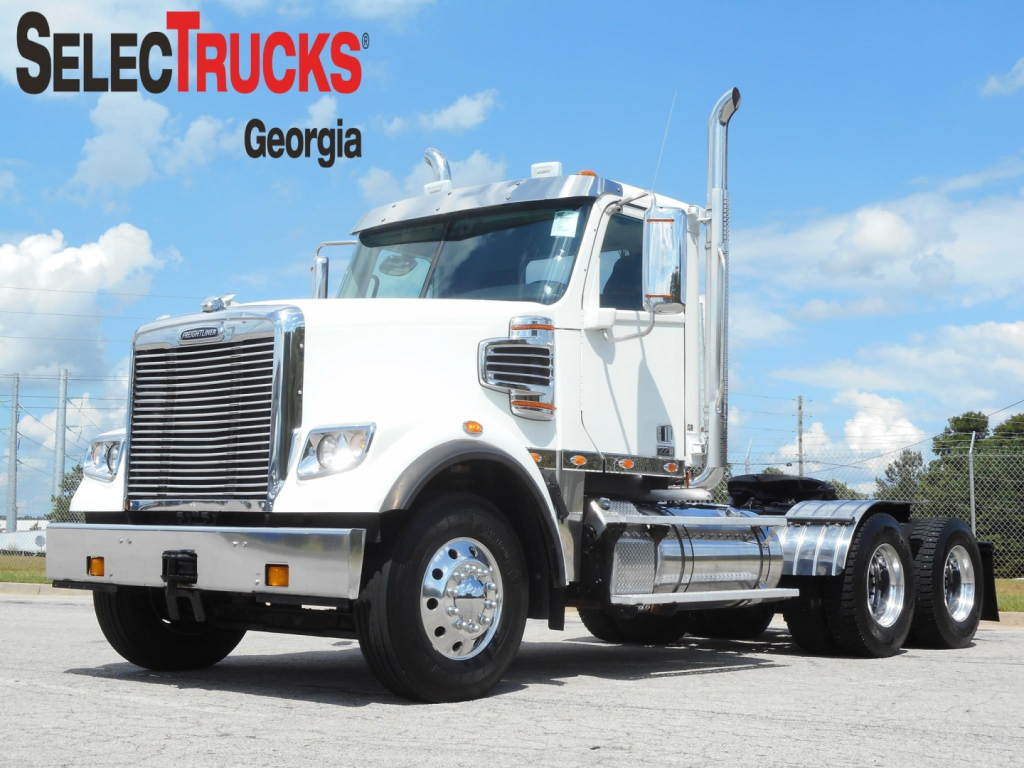
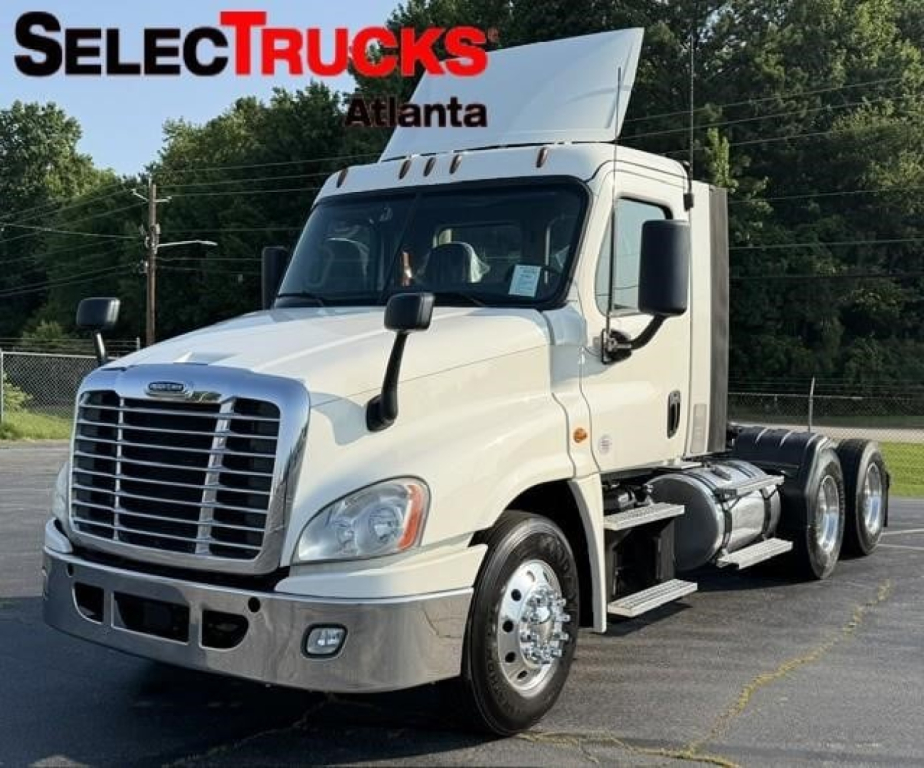

Selling a used 2019 day cab truck? List your used 2019 day cab truck for sale and reach thousands of commercial buyers.
Used 2019 Day Cab Trucks
The most important buying decisions start with engine, transmission, and axle layout. Many 2019 day cabs were spec'd with engines in the 350 to 500 horsepower range, with torque ratings selected around route profile and gross combination weight. Common pairings include Detroit, Cummins, PACCAR, and Mack power matched to automated manuals or traditional 10-speed and 13-speed transmissions. A fleet tractor used for terminal-to-terminal freight may have a 6x4 tandem axle, mid roof fairings removed or minimized, and a sliding fifth wheel for trailer flexibility. A more specialized 2019 day cab may be set up as a tri-axle, a pusher or tag axle configuration, or with PTO and wet kit provisions for dump, pneumatic, or lowboy work. Buyers should also verify wheelbase, rear axle ratio, suspension type, and front axle rating because those specs determine turning radius, bridge law flexibility, and how well the truck fits a specific trailer.
Condition matters as much as base spec on a used 2019 day cab. Review engine hours alongside mileage, especially on trucks that spent time in city service, port drayage, or heavy idle applications. Service records, DPF and SCR history, clutch life on manual units, and transmission calibration history on automated models can tell you more than odometer readings alone. Frame condition, fifth wheel wear, suspension bushing play, and signs of prior body or hood repair deserve close attention on day cabs because these trucks often work in tight yards and urban loading zones. If the truck will be pulling varied trailers, check kingpin settings, fifth wheel travel, air and electrical line routing, and rear frame clearance. If the intended use is vocational, confirm PTO compatibility, hydraulic plumbing room, and any existing lift axle or steerable pusher equipment.
A used 2019 day cab can be the right fit for LTL, food distribution, container work, aggregate hauling, regional flatbed, and dedicated industrial routes. The best value usually comes from matching the truck's original spec to the job instead of trying to repurpose an overly specialized unit. For highway-oriented work, look for fuel-efficient aero components, disc or drum brake preference, and a drivetrain built around steady road speed. For urban or vocational applications, prioritize visibility, durability, axle capacity, and simple service access. A well-spec'd 2019 day cab should deliver a strong balance of emissions-era reliability, driver comfort, and application-specific productivity without the higher acquisition cost of newer models.
Frequently Asked Questions about Used 2019 Day Cab Trucks
What is a day cab truck used for?
A day cab truck is a semi tractor without a sleeper compartment, designed for local, regional, and same-day routes where the driver returns home rather than staying overnight in the truck. Common applications include port drayage, LTL, distribution, dump and transfer work, tanker service, flatbed hauling, and dedicated industrial runs. The shorter cab and wheelbase often improve maneuverability in urban areas, yards, and job sites.
What should I check first on a used 2019 day cab truck?
Start with the truck's application spec and maintenance history. Confirm engine make, horsepower, torque rating, transmission type, axle configuration, wheelbase, rear axle ratio, and front and rear axle ratings. Then review service records for emissions components, oil and coolant service intervals, transmission work, and suspension or brake repairs. On a 2019 model, DPF, DEF, SCR, and sensor history can be especially important because downtime in these systems affects operating cost quickly.
Are 2019 day cab trucks good for regional hauling?
Yes, many 2019 day cab trucks are well suited for regional hauling, especially if they were spec'd as highway tractors with aerodynamic packages, efficient rear axle ratios, and automated manual transmissions. They work well on routes where the driver does not need a bunk but still needs strong road speed, fuel economy, and driver comfort. The key is matching horsepower, torque, and GCWR to the weight and terrain of the lanes being run.
What axle configuration is most common on a day cab?
The most common day cab setup is a 6x4 tandem axle tractor because it provides a strong balance of traction, legal payload capability, and trailer compatibility. Some operations use 4x2 day cabs for lighter regional freight and fuel savings, while vocational or heavy-haul work may require lift axles, pusher axles, or tri-axle configurations. The right setup depends on bridge laws, trailer type, gross weight, and how often the truck operates on soft ground or uneven job sites.
Is mileage or engine hours more important on a used day cab?
Both matter, but engine hours are especially useful on day cabs because many of these trucks spend time idling in city traffic, at ports, or during PTO-related work. A truck with moderate miles but very high hours may show more engine wear than the odometer suggests. The best evaluation uses mileage, hours, maintenance records, fault history, and visible condition together rather than relying on a single number.